
Click the photo to view the full-size version
| Name | Stateline Route - Brule River Bridge Chicago & North Western Railway Bridge #787 |
| Built By | Chicago & North Western Railway |
| Currently Owned By | Florence County and Dickinson County |
| Superstructure Contractor | Unknown (Truss Span) Chicago Bridge & Iron Works of Chicago, Illinois (Approach Spans) |
| Substructure Contractor | Unknown |
| Length | 210 Feet Total, 130 Foot Main Span |
| Width | 1 Track |
| Height Above Ground | 25 Feet (Estimated) |
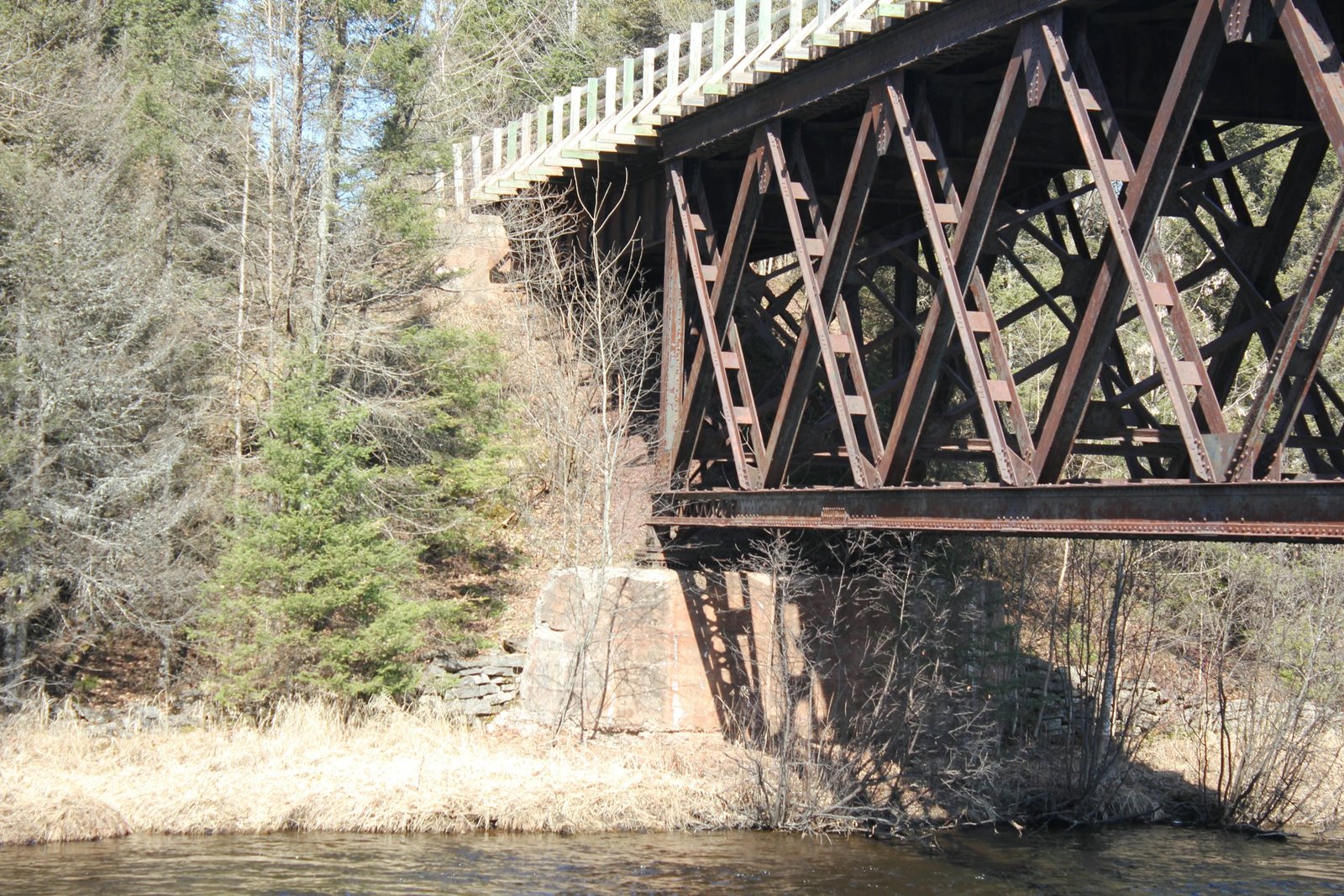
| Superstructure Design | Double Intersection Warren Deck Truss and Deck Plate Girder |
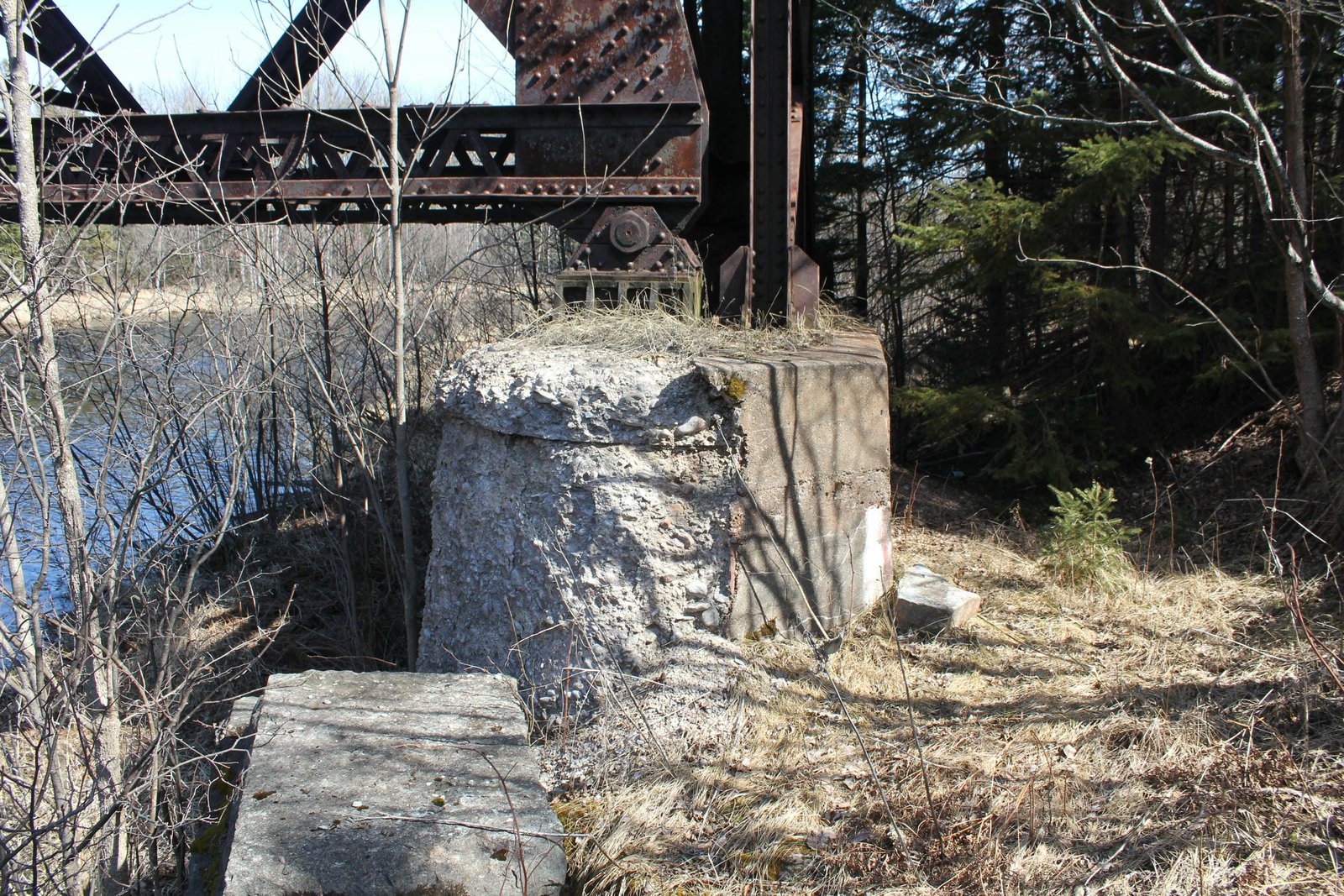
| Substructure Design | Concrete |
| Date Built | 1901, Approaches Added 1915 |
| Traffic Count | 0 Trains/Day (Bridge Is Open to Off-Road Vehicle Traffic) |
| Current Status | Open to Off-Road Vehicle Traffic |
| Chicago & North Western Railway Bridge Number | 787 |
| Significance | Moderate Significance |
| Documentation Date | 3/29/2016 |
In 1877, the Menominee River Railroad (MRR) constructed 25 miles of new railroad, extending from Powers, Michigan to Qinnesec, Michigan. In 1880, the MRR was reorganized with the same name. In 1880, an additional 17 miles would be constructed to Florence, Wisconsin, followed by an additional 20 miles to Iron River, Michigan in 1882. In 1882, the MRR was acquired by the Chicago & North Western Railway (C&NW). In 1887, the Iron River Railway (IR) constructed 35 additional miles between Iron River and Watersmeet, Michigan, where it met another railroad line. The IR was acquired by the C&NW in 1889. This line served as a secondary line for the C&NW, connecting numerous branches and spurs throughout the southern portion of the Upper Peninsula. The line mainly served iron mines and timber industry in the area.
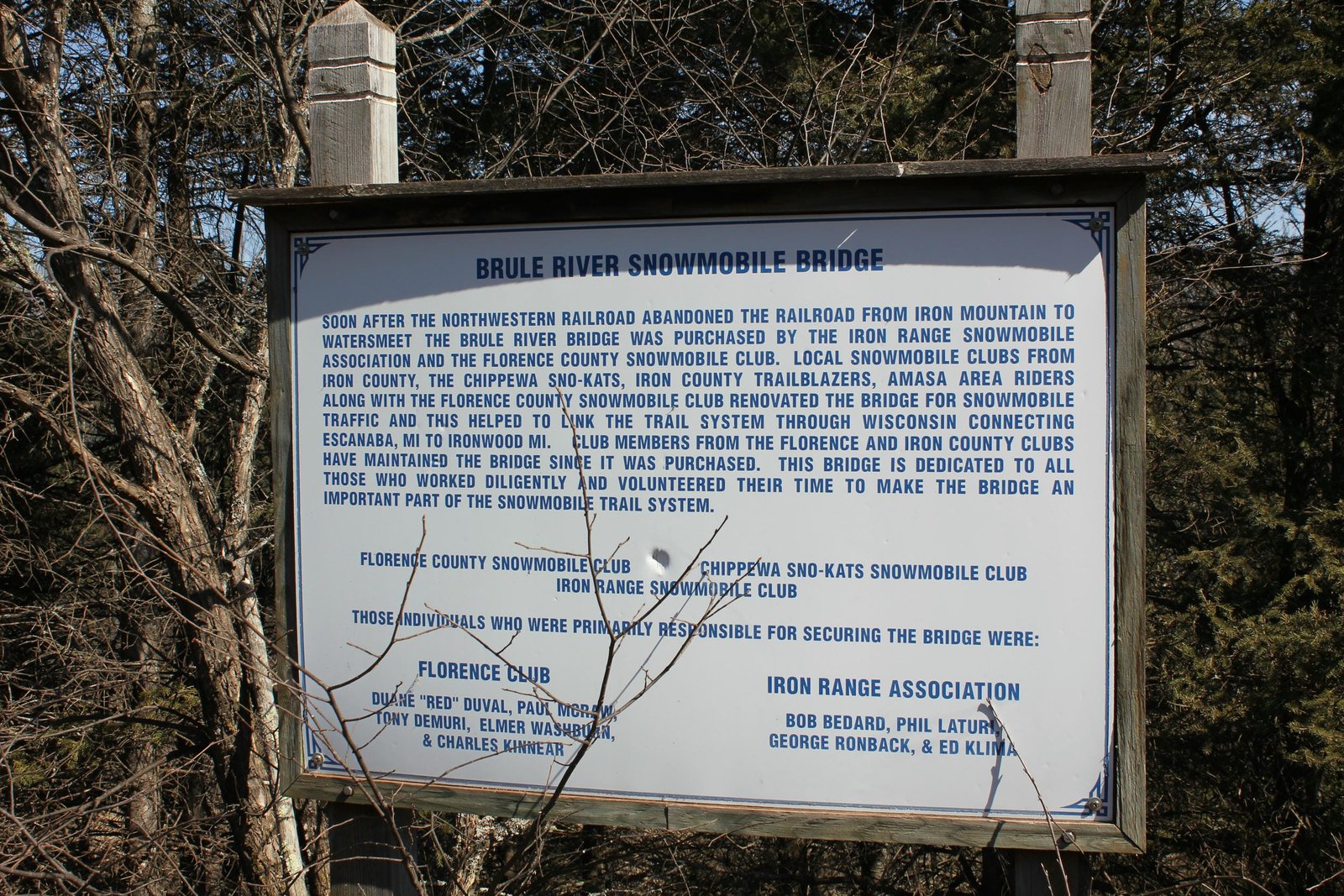
By the early 20th Century, the C&NW had constructed and acquired a large railroad network throughout the Midwest, making it one of the premiere railroads of the area. Throughout the first half of the 20th Century, this line remained well used by the C&NW, as it provided connections to a number of lines throughout northeast Wisconsin and the Upper Peninsula of Michigan. The line served a variety of industries, hosted passenger trains and was used for hauling iron ore. A portion of the line between Antoine, Michigan and Watersmeet was abandoned in 1983, and acquired for trail use. The C&NW was acquired by Union Pacific Railroad (UP) in 1995. UP soon began to sell or abandon excess tracks acquired from the C&NW. The line from Powers to Antoine was sold to a subsidiary of Wisconsin Central, Ltd. (WC). In 2001, WC was purchased by Canadian National Railway (CN), and became the American subsidiary of the railroad. Today, CN continues to operate the line between Powers and Antoine as the Iron Mountain Subdivision. An ATV/snowmobile trail currently uses the railroad grade from Antoine to Watersmeet.
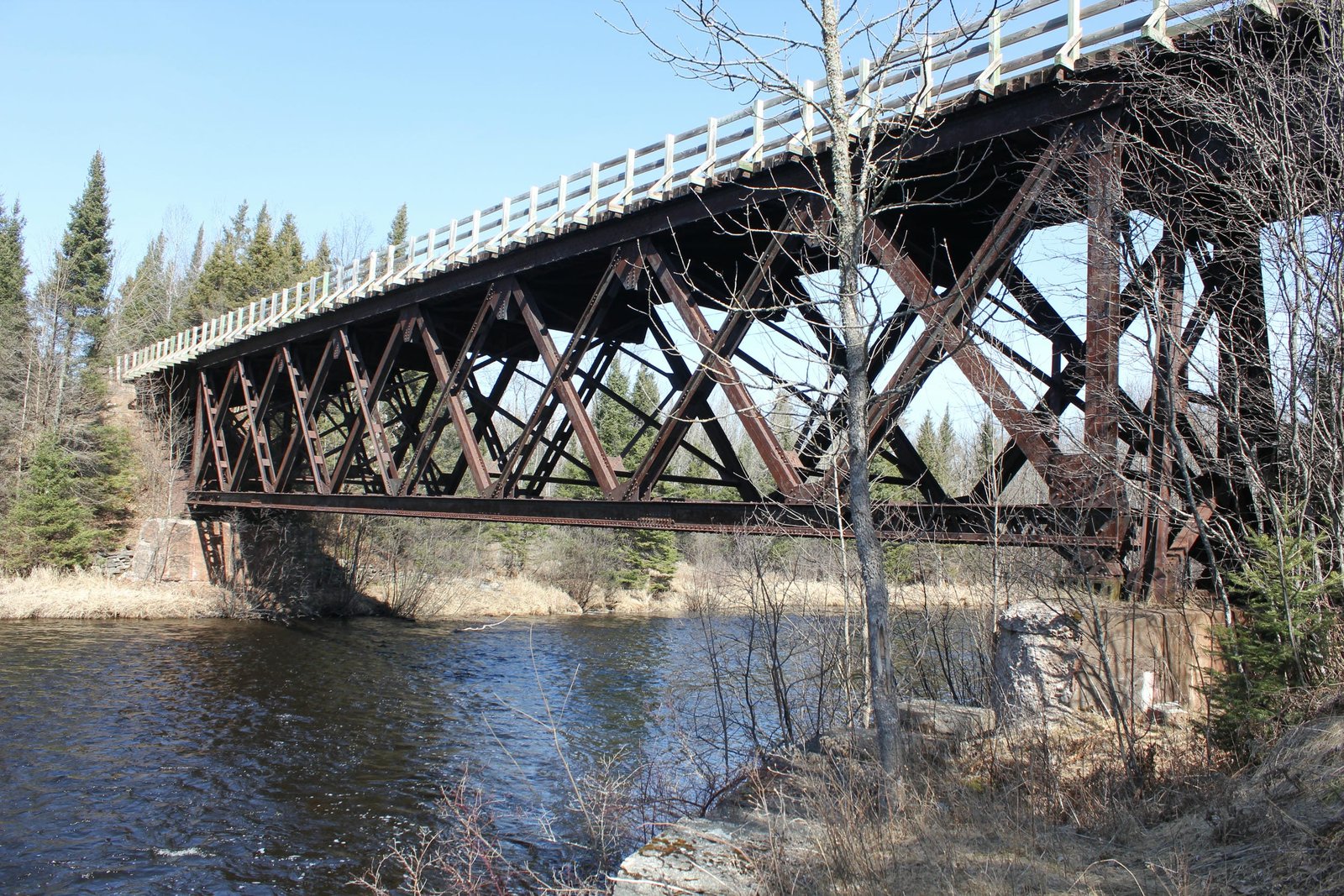
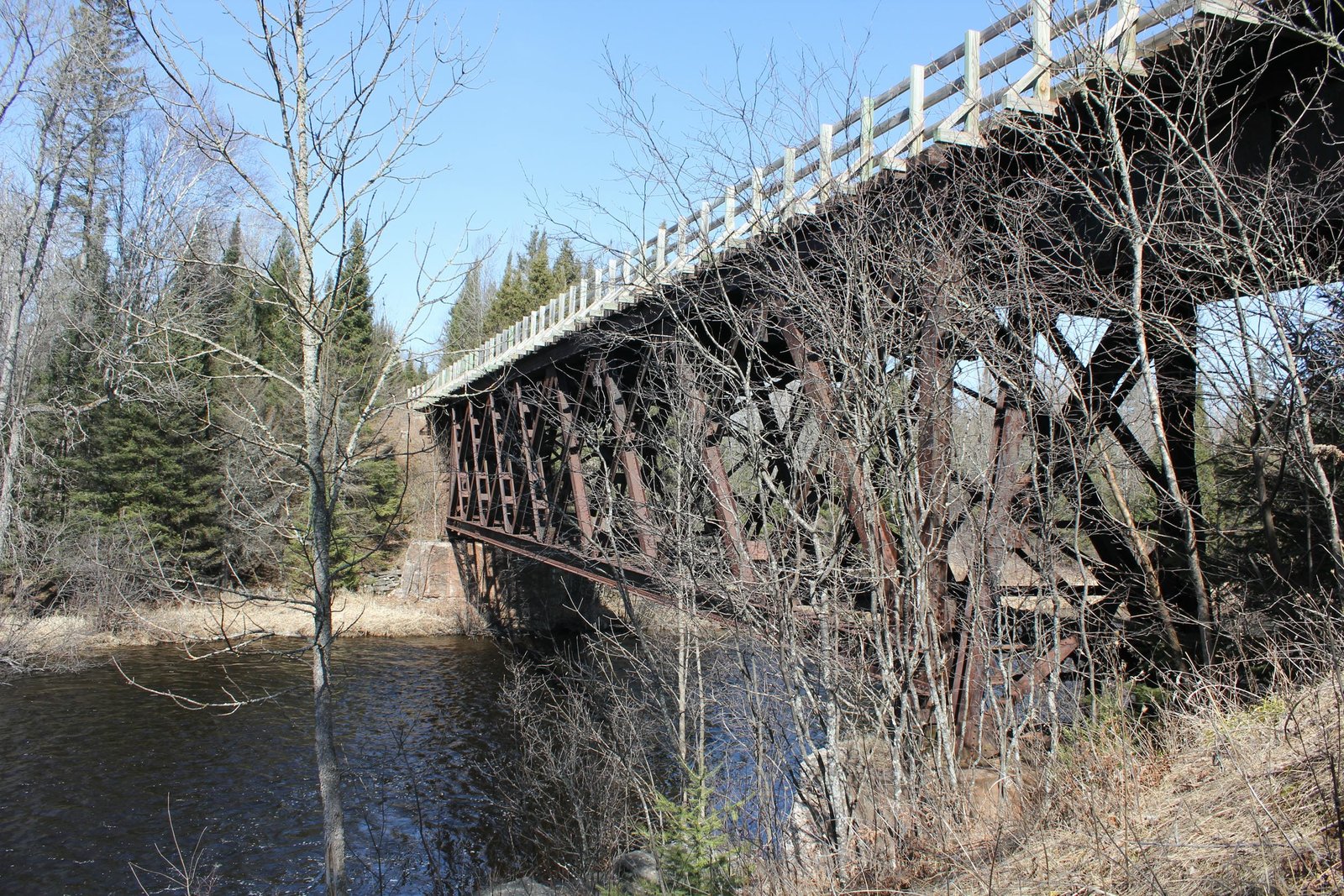
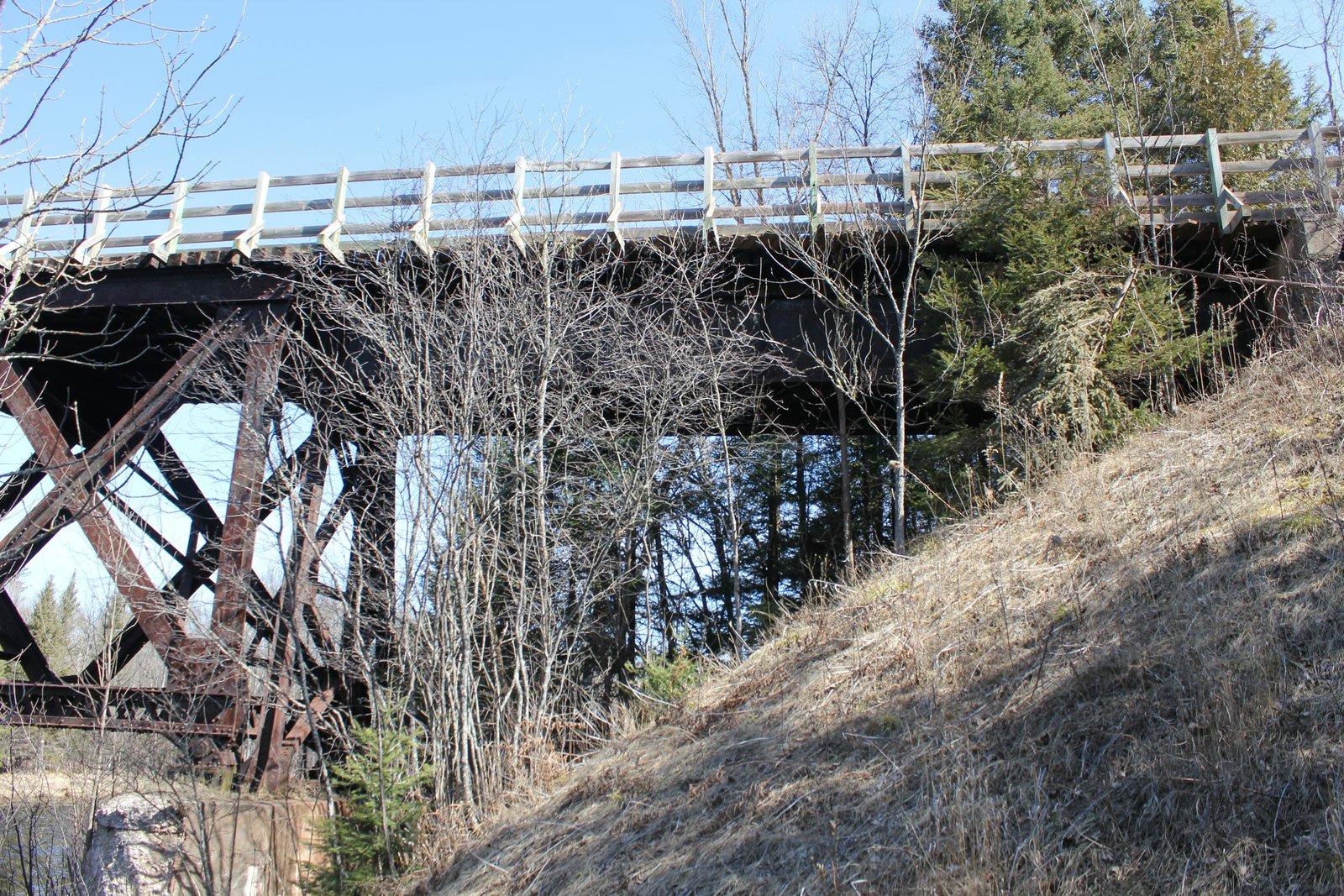
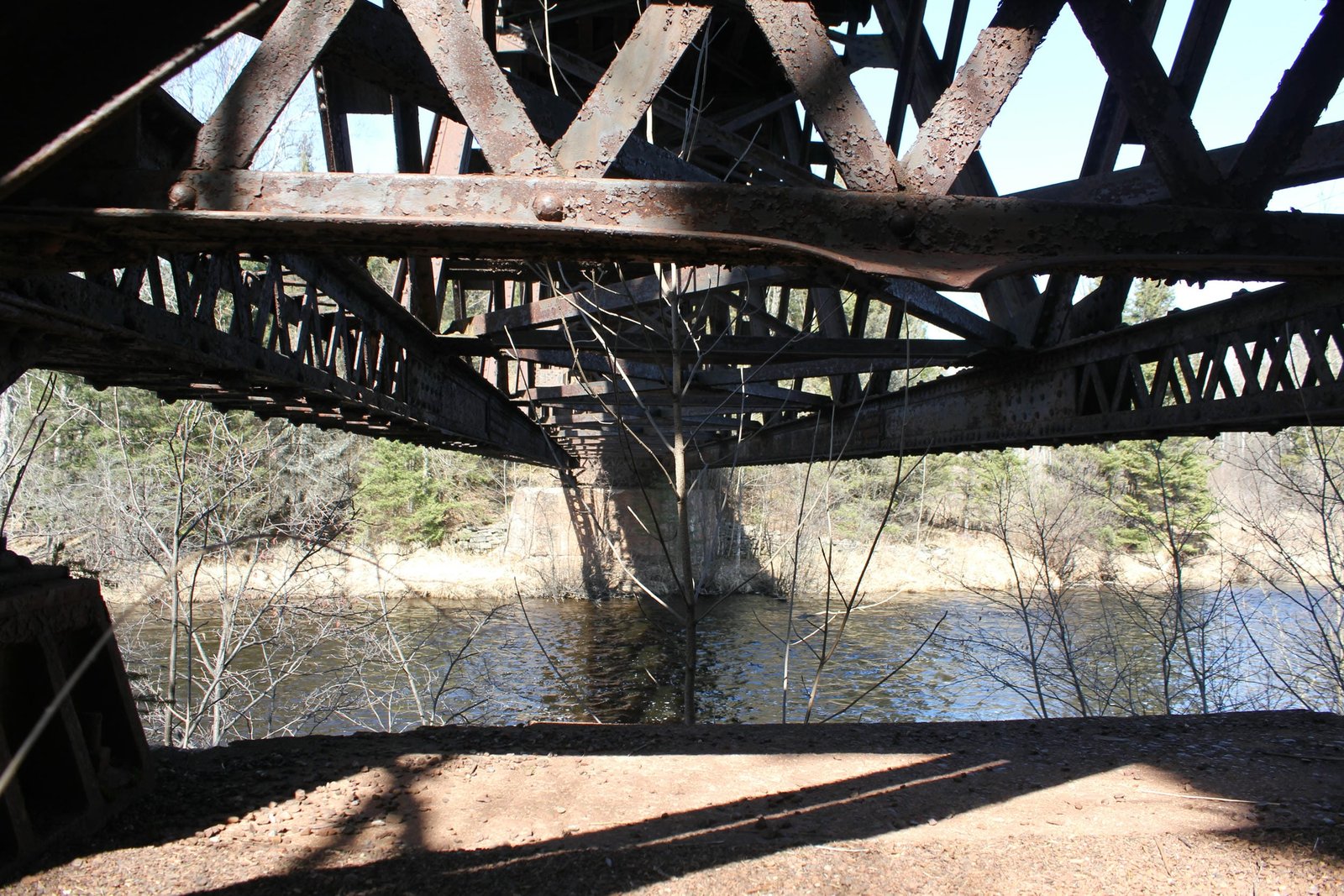
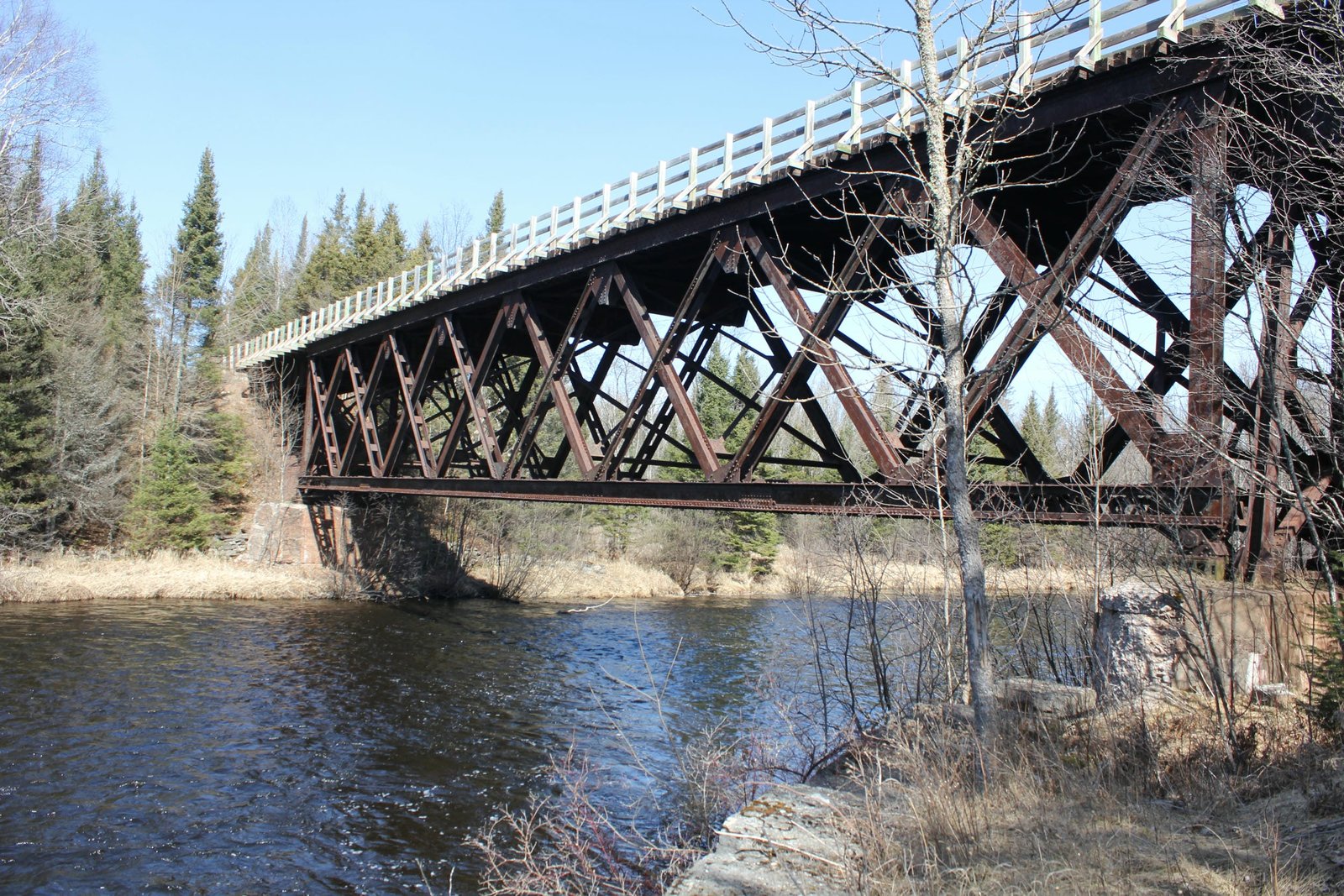
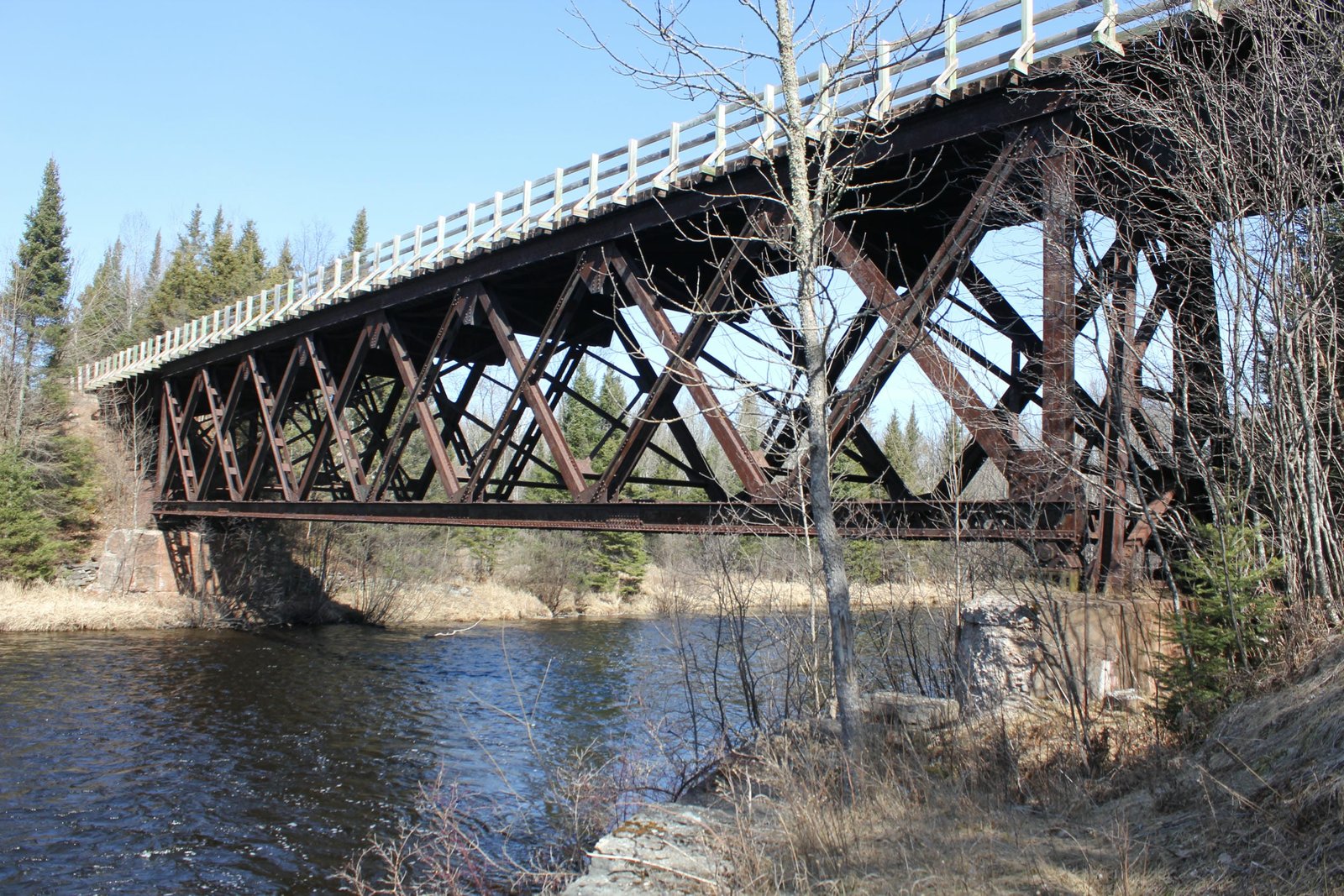
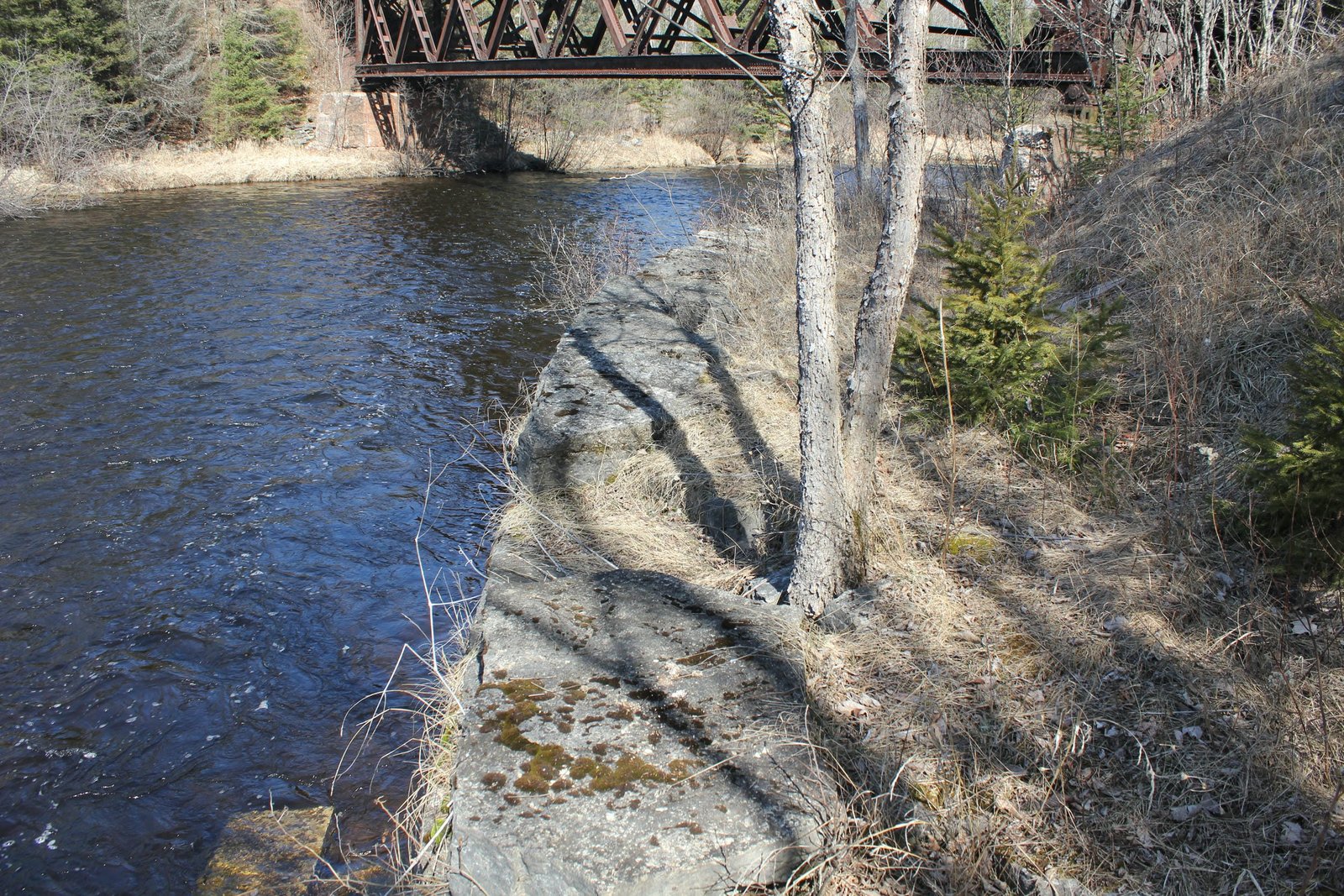
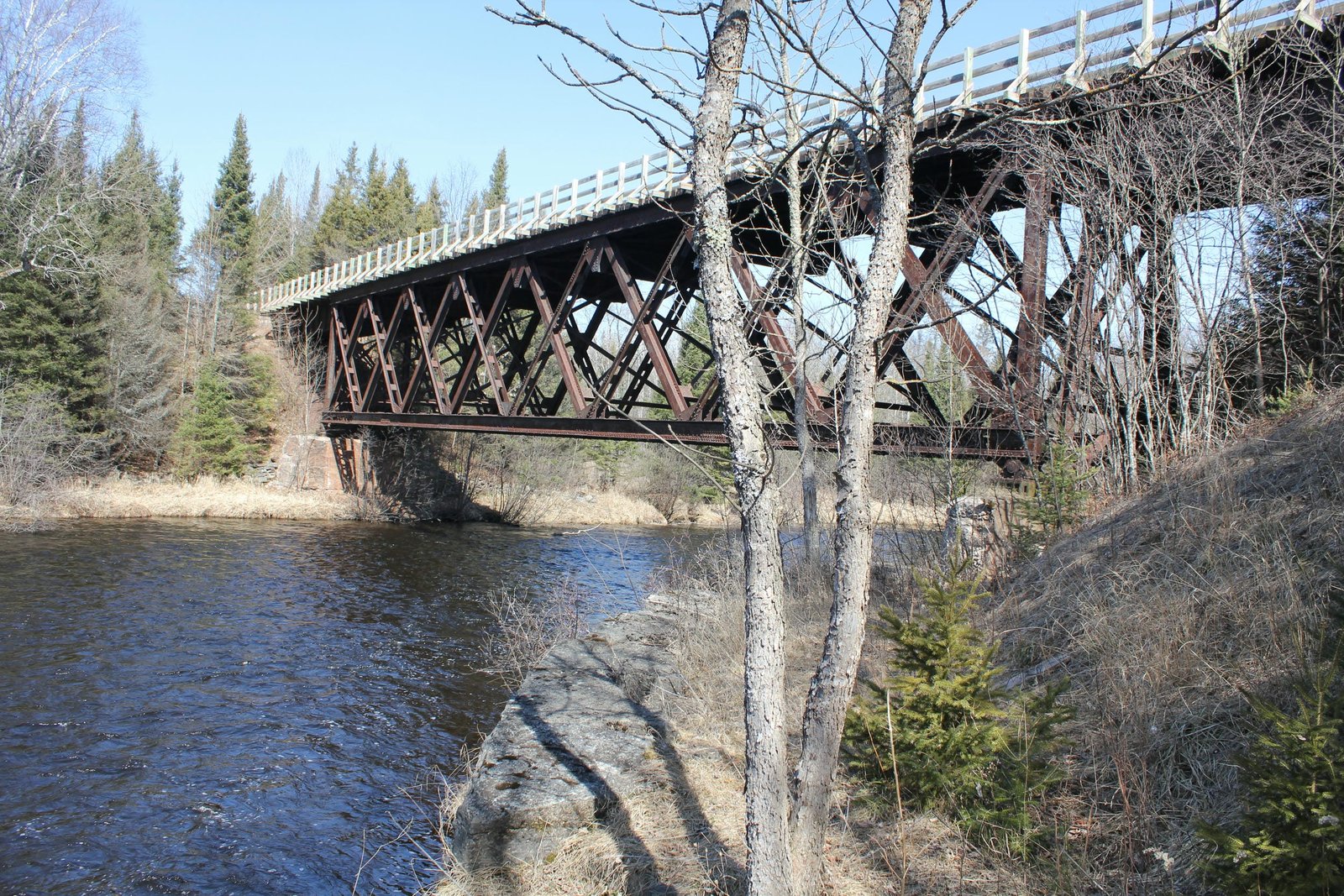
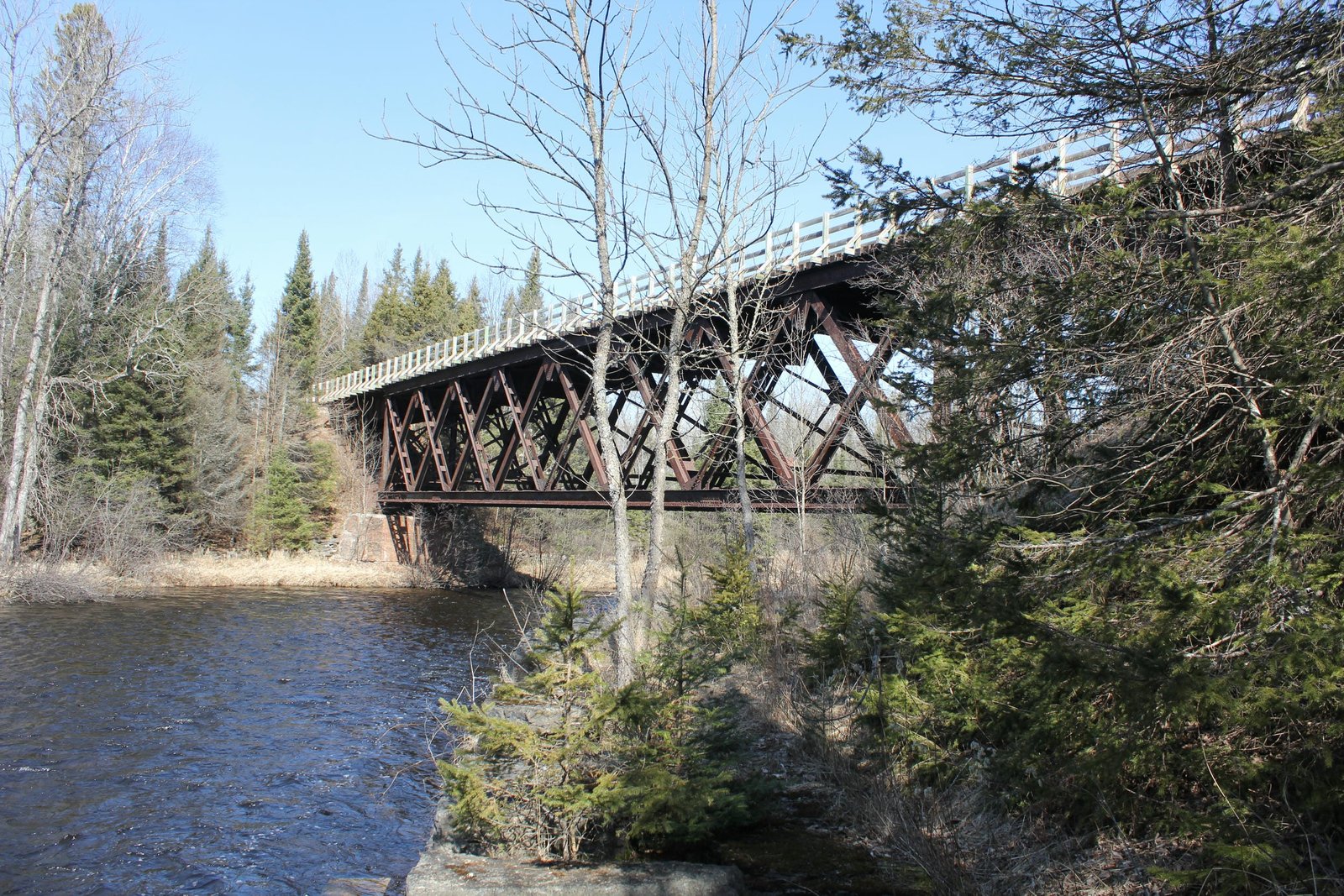
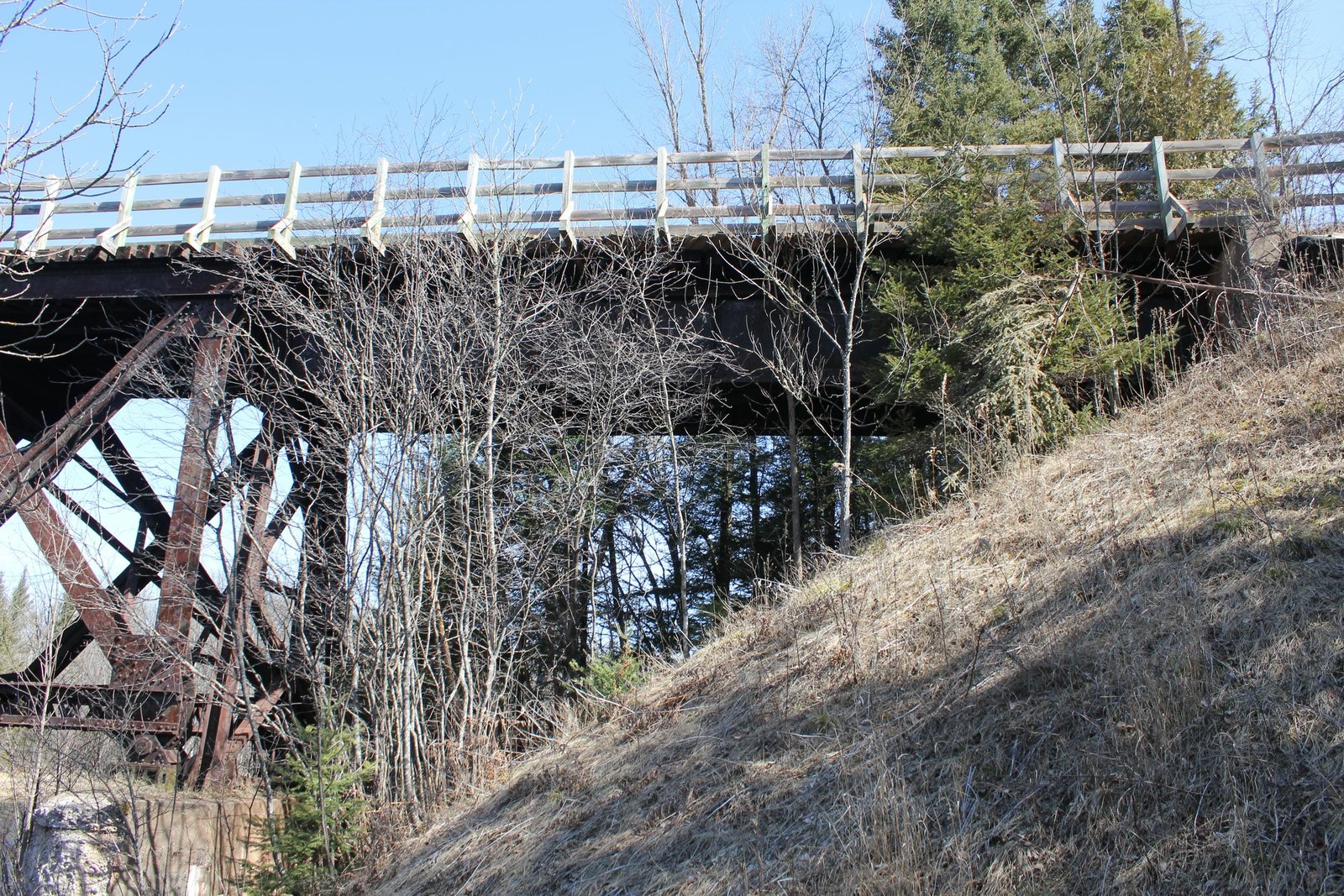
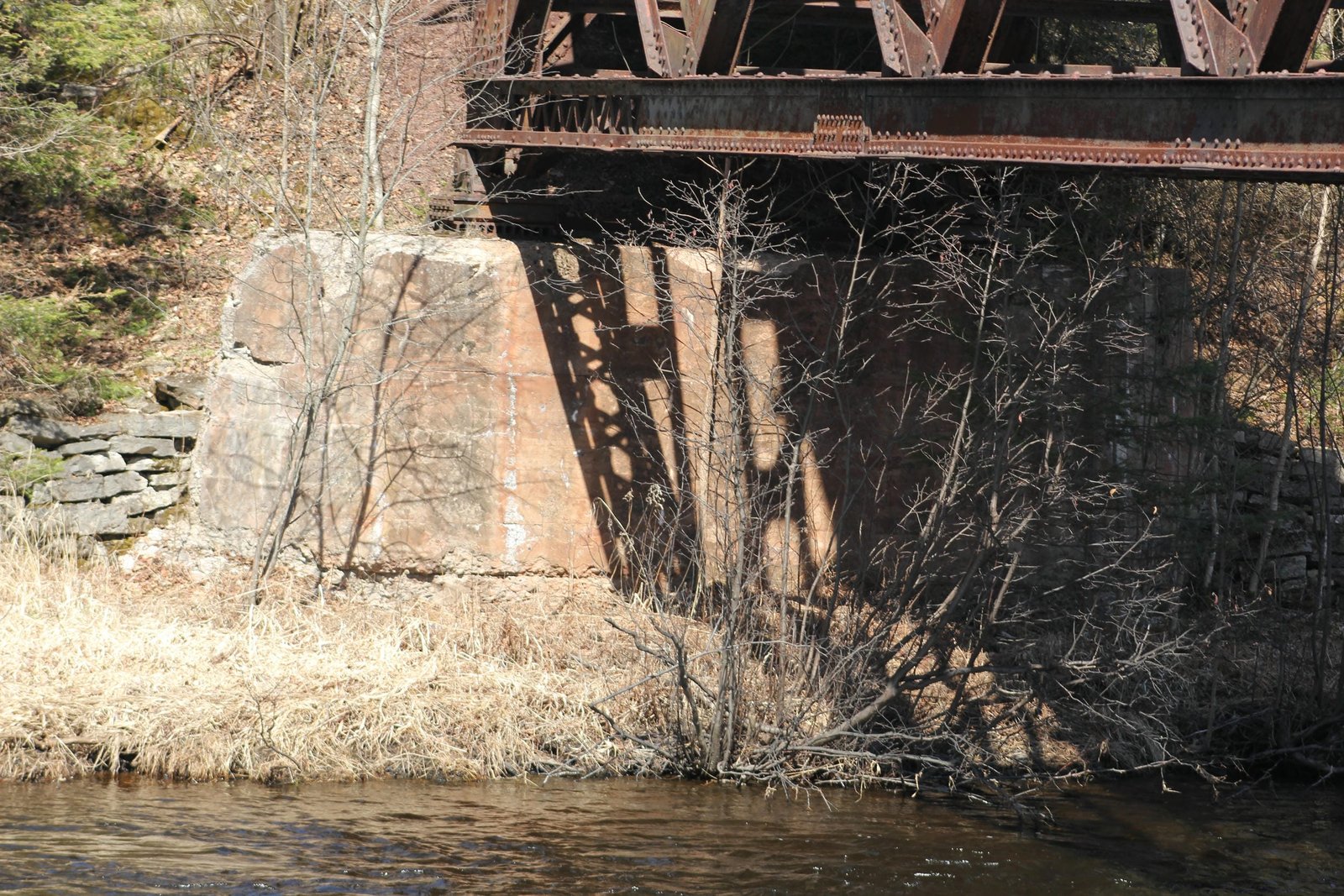
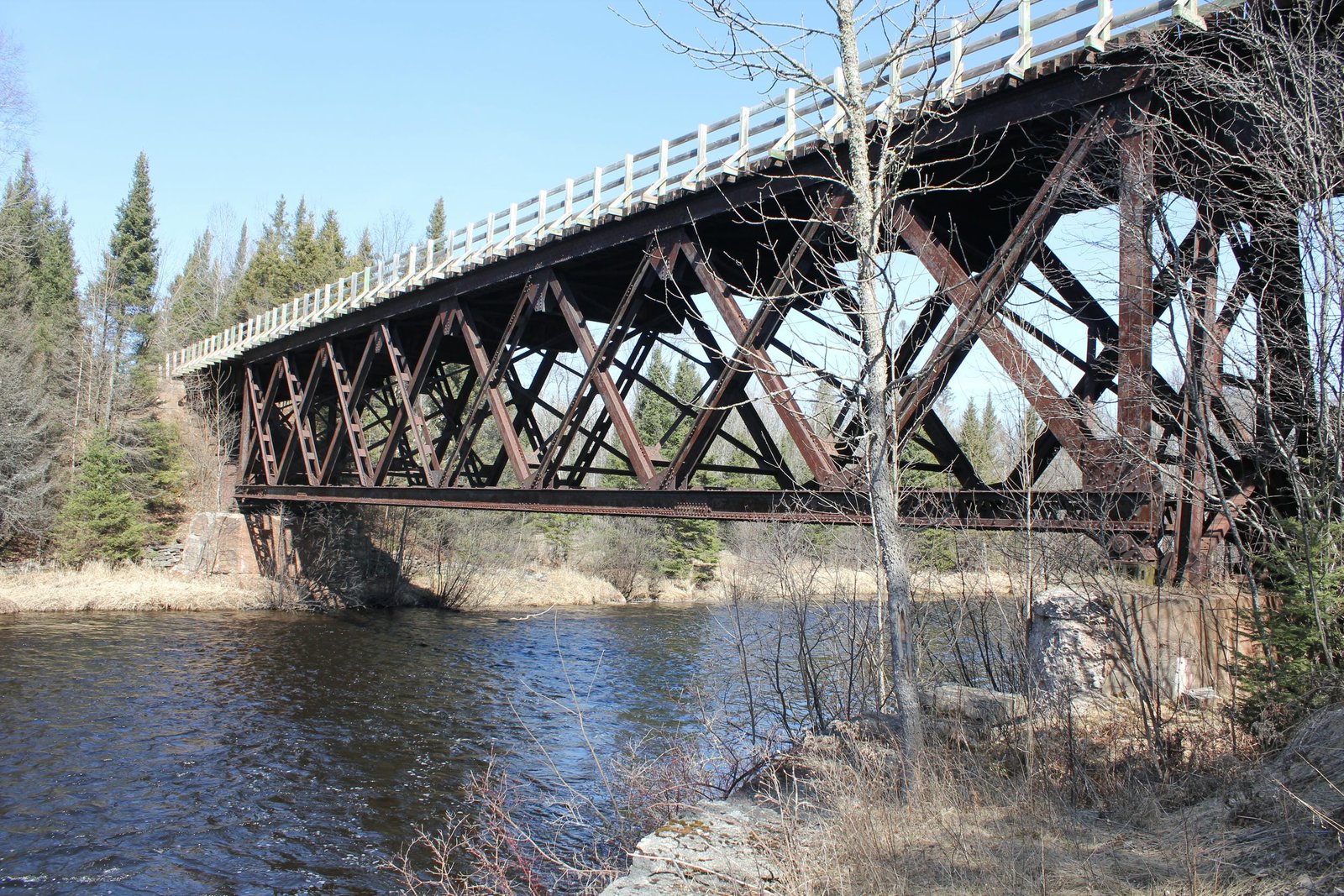
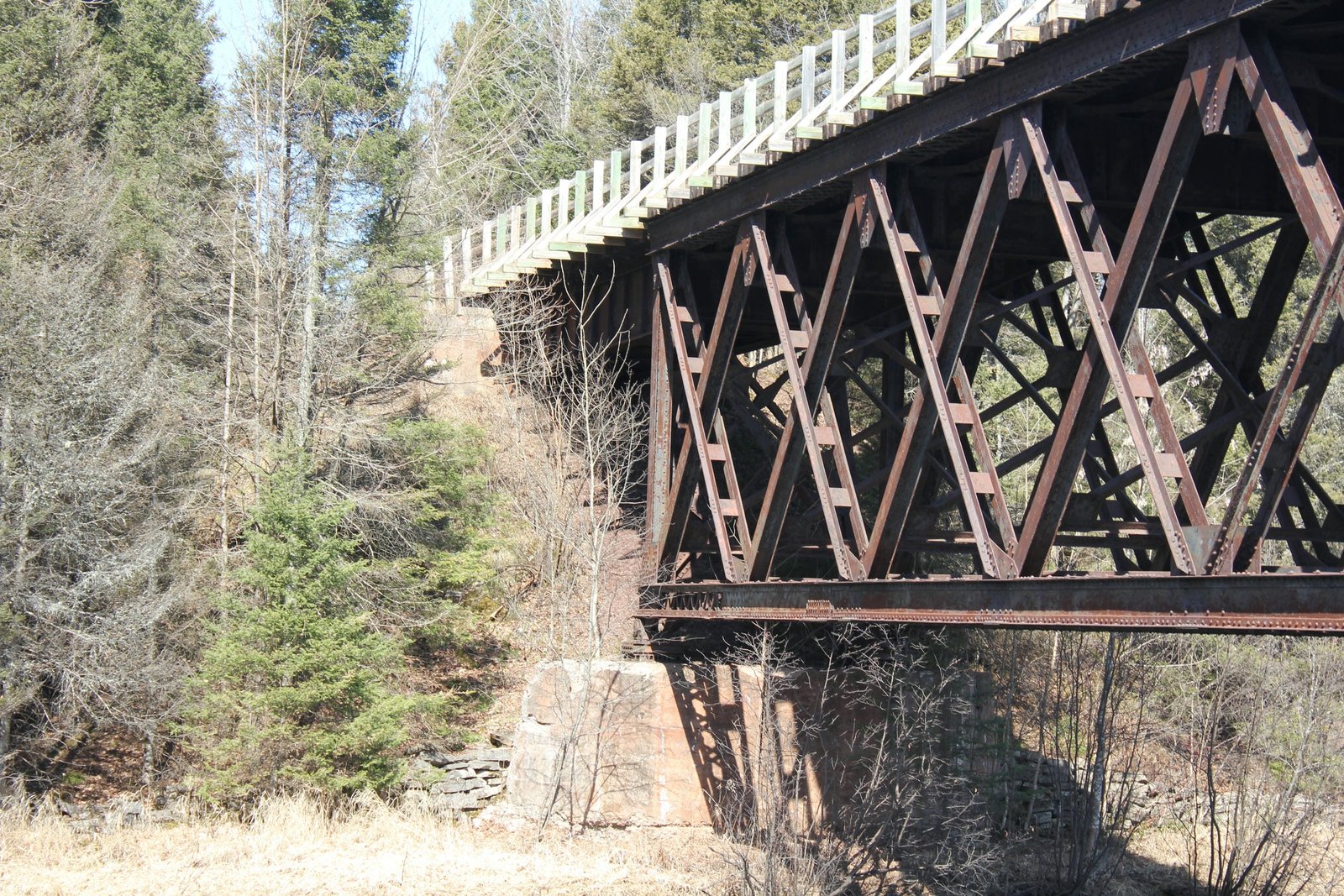
Located between Tyran and Stager, this deck truss bridge carries a former Chicago & North Western Railway line across the Brule River. The first bridge at this location likely consisted of a wooden deck truss bridge, believed to have been set onto stone piers and approached by timber pile trestle spans. By the early 20th Century, wooden truss bridges had become unsuitable for most railroad use, and the bridge would require replacement. In 1901, the deck truss span was replaced by a new steel deck truss span, reusing the previous stone piers. Further upgrades to the bridge were made in 1915, when the truss was shifted, new substructures constructed and new deck plate girder spans installed at either end, giving the bridge its present configuration. When the bridge was reconstructed, stone from the previous piers was reused for a retaining wall near the east pier and as rip-rap. Currently, the bridge consists of a 130-foot, 8-panel, riveted double intersection Warren deck truss span, approached by a 40-foot deck plate girder span on either end. The entire bridge is set onto standard concrete substructures. It is unclear why the original piers required replacement, but the use of a retaining wall may indicate the river began to shift course.
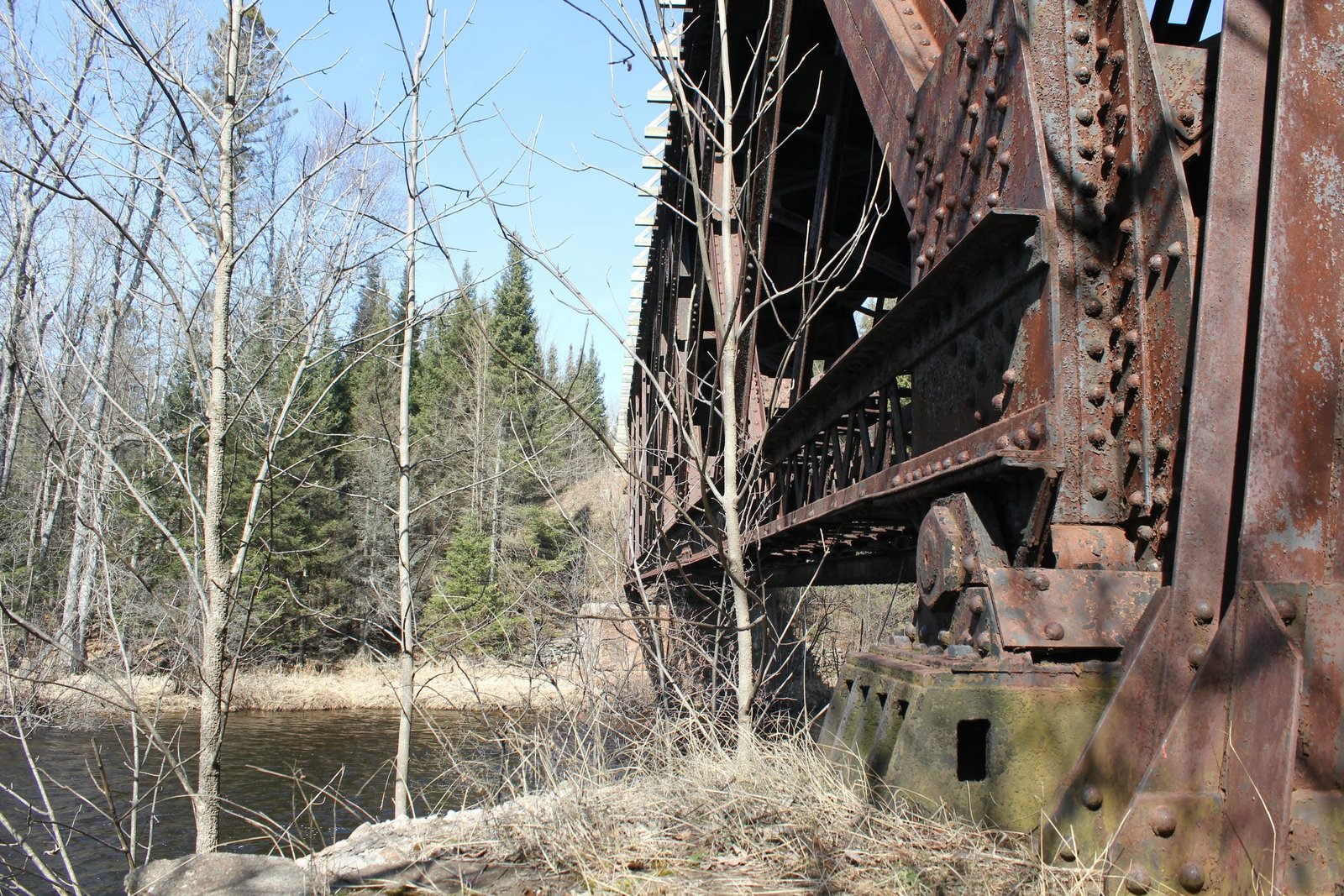
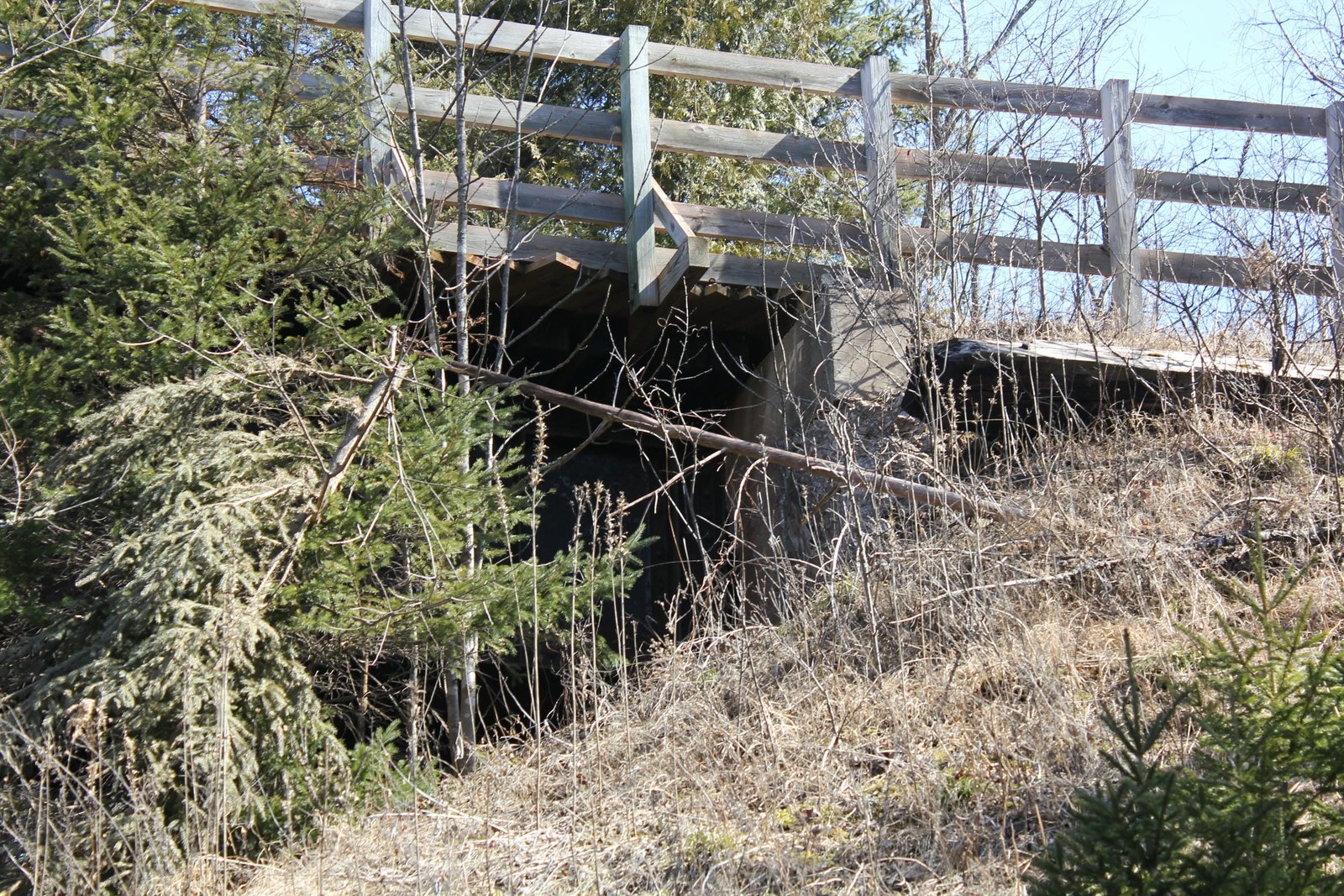
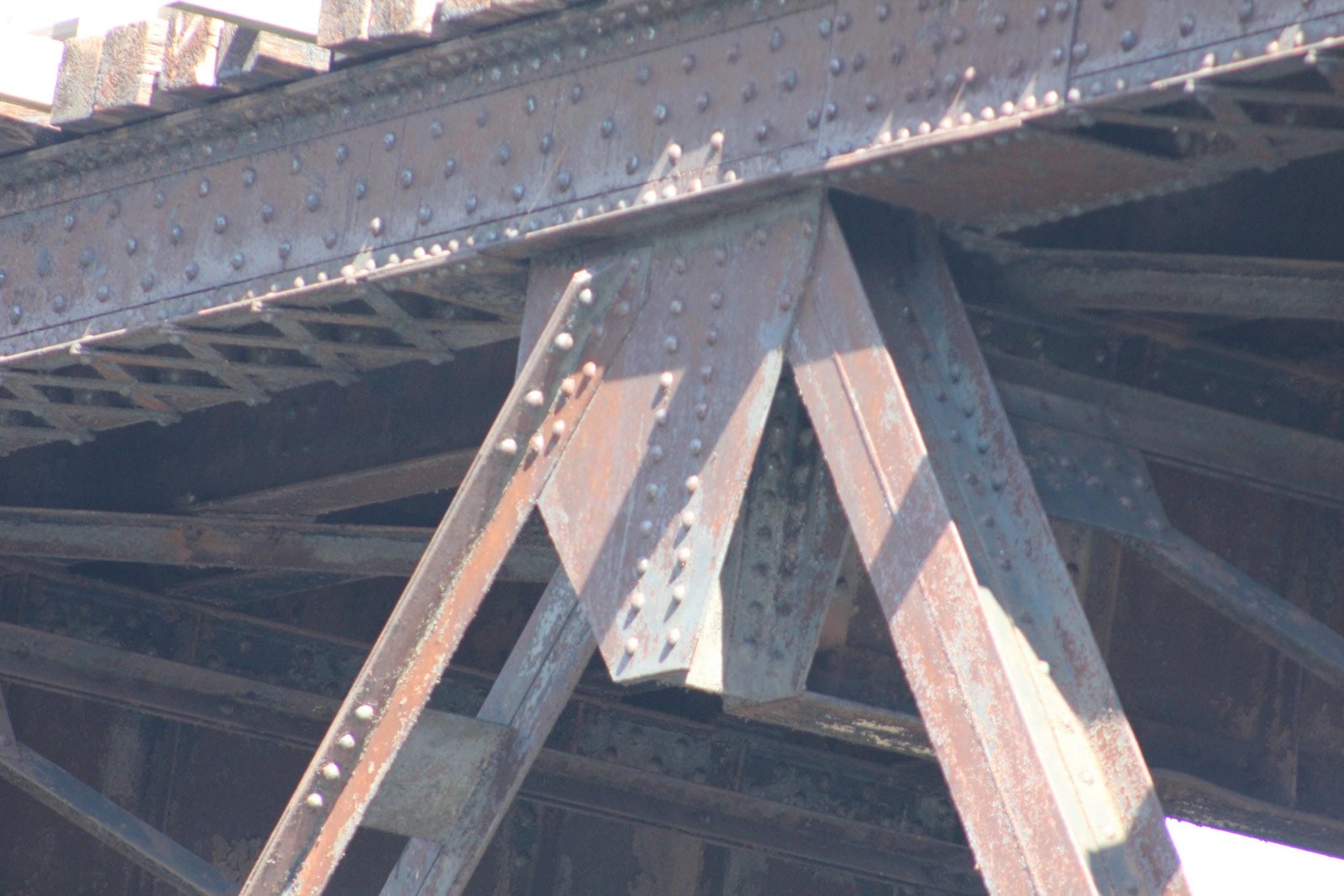
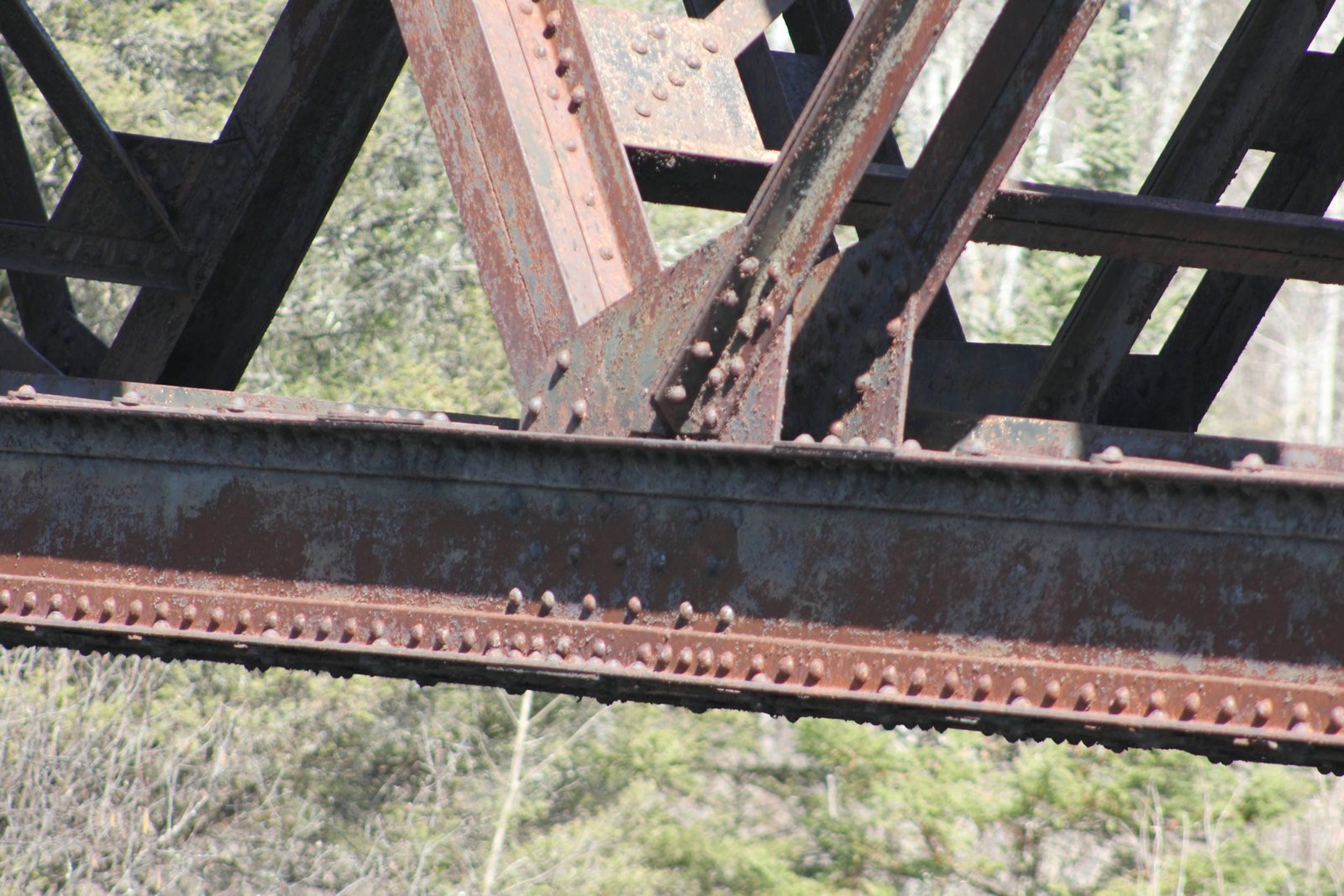
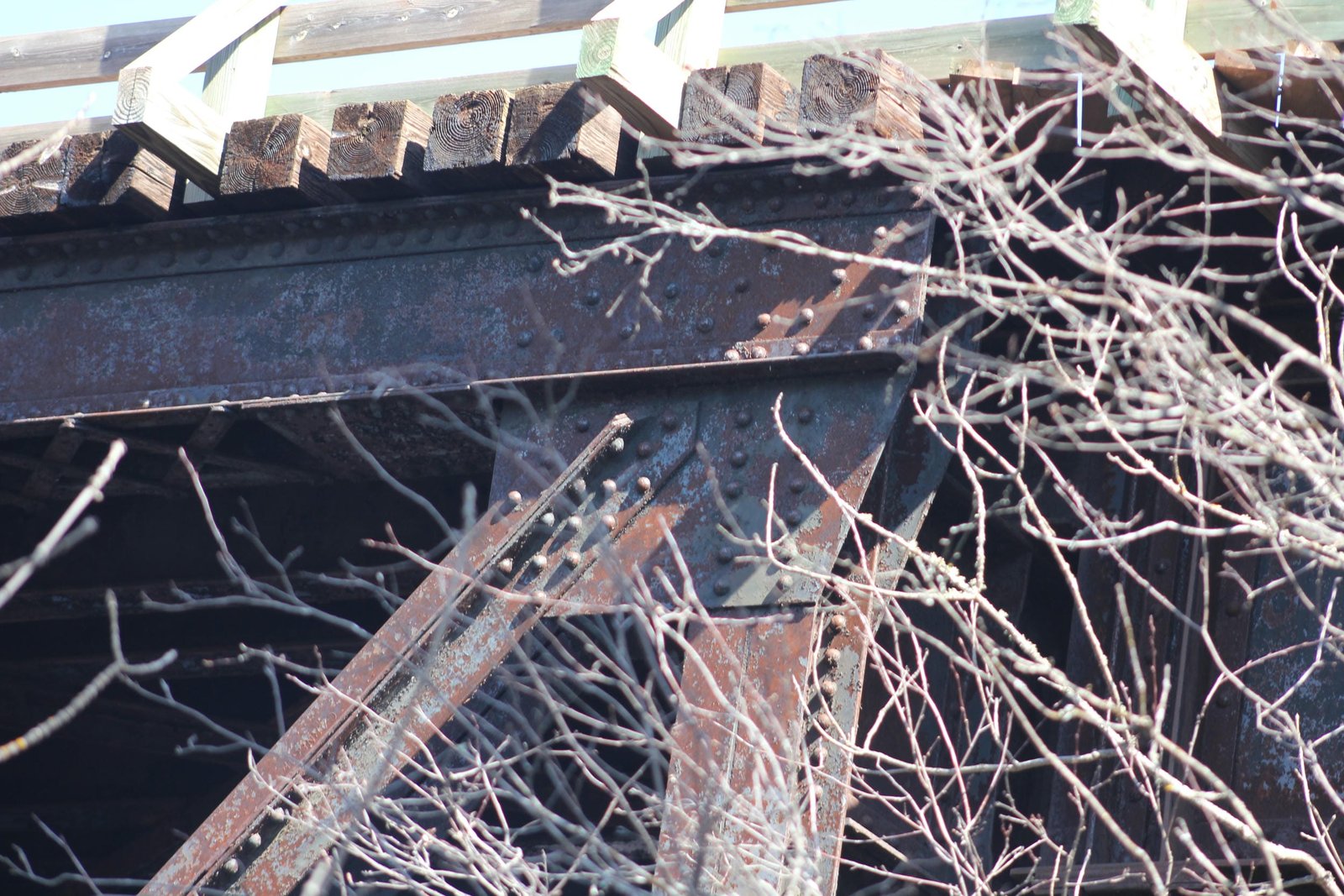
The truss span follows a standard design for deck trusses constructed for the C&NW during the early 20th Century, with built-up members, riveted connections and a standard floor system. The top chord consists of X-laced built-up beams, while the bottom chord consists of a similar design which uses V-lacing instead of X-lacing. At the outermost panels, the bottom chord is comprised of a built-up beam which uses V-lacing on all four sides. Diagonal compression members are comprised of solid built-up beams and the tension members are comprised of built-up beams consisting of two bars connected by thin plates. The vertical members use a similar design to the diagonal compression members. The floor is constructed of four stringers, which are constructed of steel stringers and arranged into two sets of two. These stringers are connected to plate girder floorbeams, which have a trapezoidal cross section, typical for trusses from this era. The upper lateral bracing, lower lateral bracing and internal bracing are all composed of steel bars. The deck plate girder spans follow a standard design, and are comprised of two heavy plate girders and an open deck. The piers follow a standard diagonal shape, while the abutments use a standard design with short wing walls extending perpendicular to the bridge. An unknown contractor fabricated the truss span, while the Chicago Bridge & Iron Works fabricated the approach spans. An unknown contractor also constructed the concrete substructures.
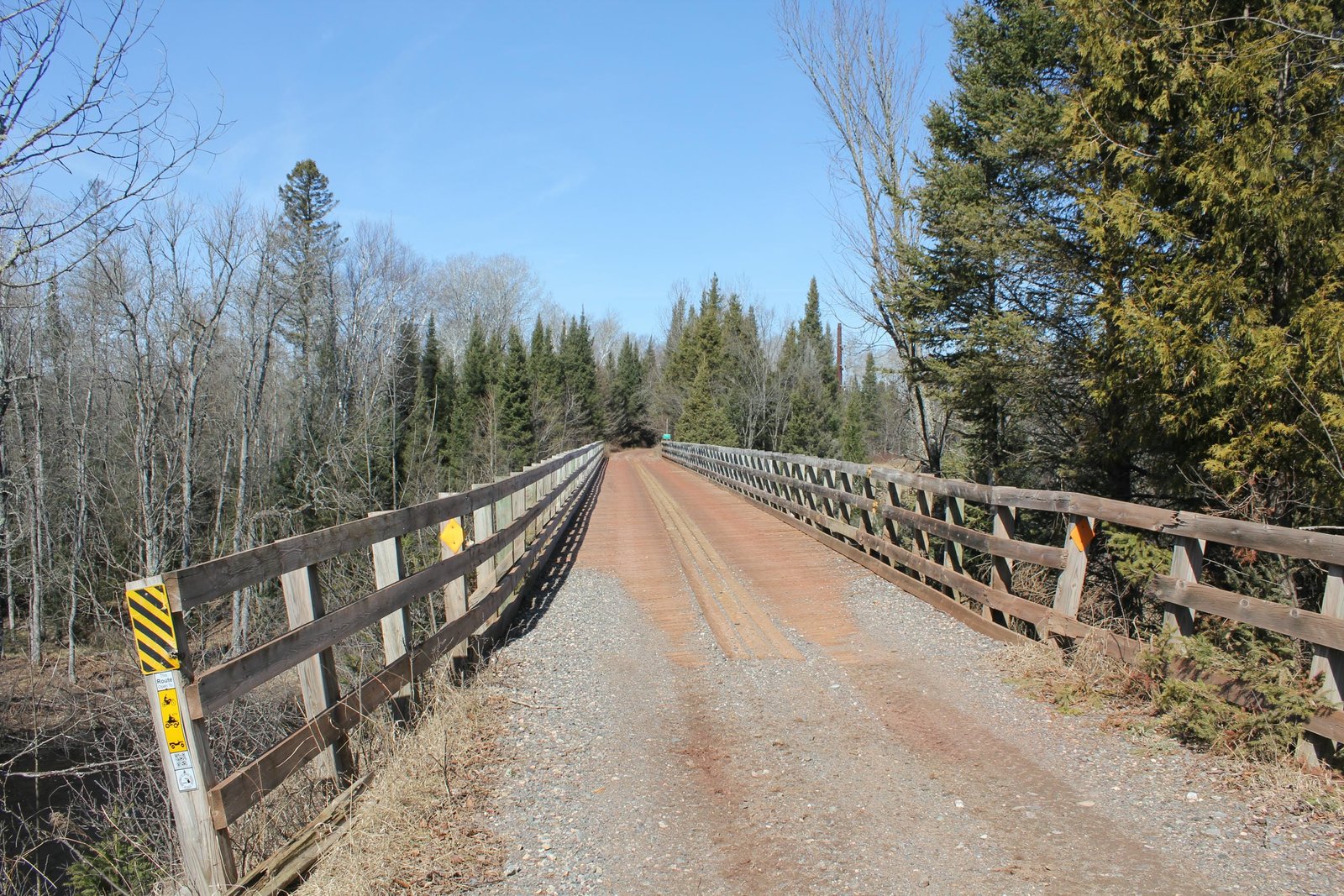
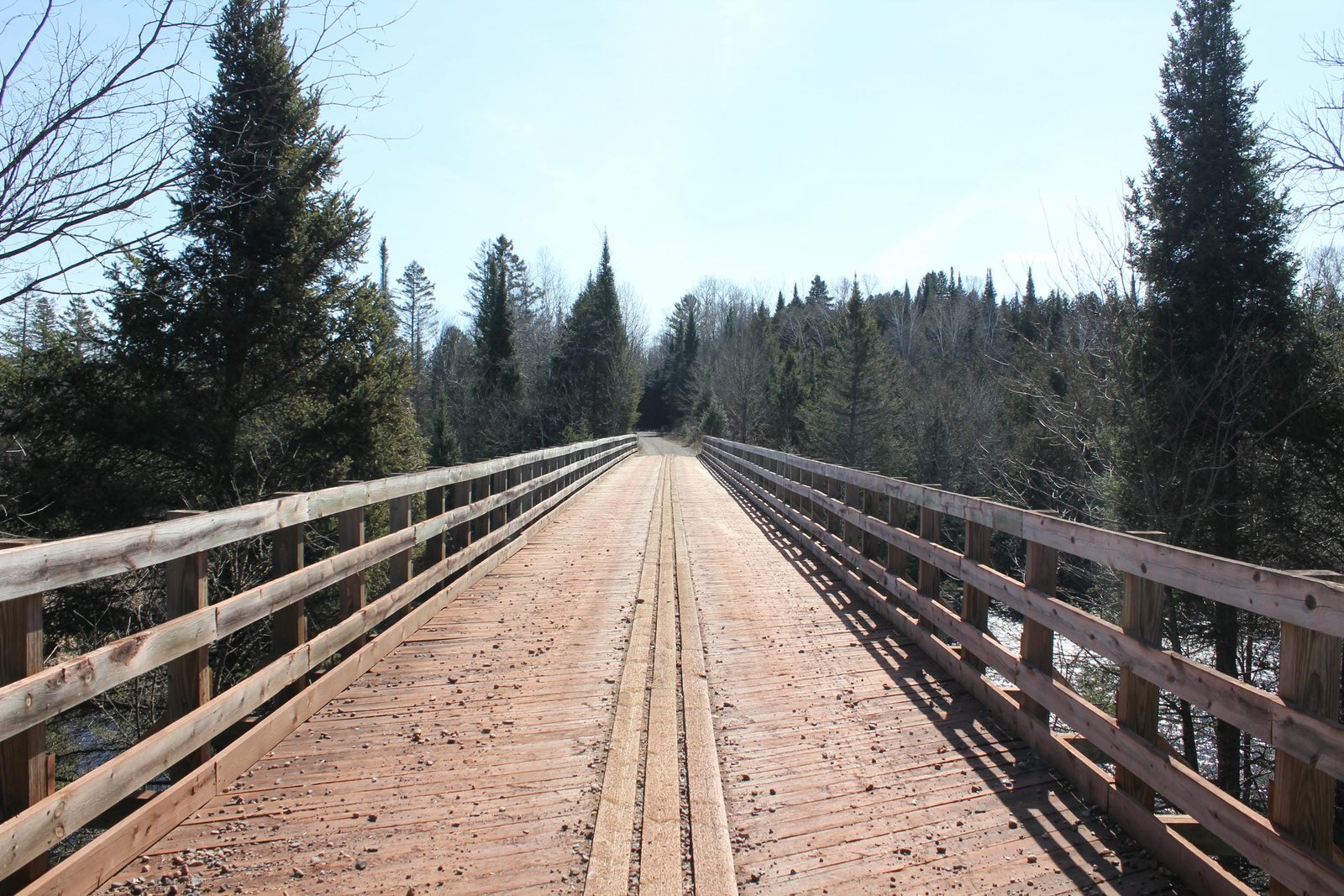
While lattice truss spans were relatively uncommon through the United States, the C&NW used the design extensively. Other railroads in the Midwest also occasionally used the design, although not as frequently. Engineers for the C&NW favored the design, due to its resilience and greater strength without sacrificing economy. Metal lattice deck truss designs were initially developed for railroad use in the 1870s, often using deep spans with numerous intersections. Through the mid-1880s, short to medium length spans were simplified into double intersection spans. By the 20th Century, the design had been refined further, and was constructed using significantly heavier members. The type of lattice truss seen on this bridge was popular for structures constructed between 1900 and 1905, and balanced member size with strength. While most railroads stopped using lattice trusses in the early 20th Century, the C&NW continued to use lattice truss designs nearly exclusively into the 1920s. Since the initial construction, the bridge has seen no significant alterations. A wooden deck and cable railings have been added to the bridge, and it now serves as part of the Stateline Route, an ATV/ORV trail. Overall, the bridge appears to be in fair to good condition, with no significant deterioration noted. The author has ranked this bridge as being moderately significant, due to the truss design.
Citations
| Builder (approach spans) and build dates | Chicago & North Western Railway Valuation Notes at the Chicago & North Western Historical Society Archives |
| Railroad History Citation | ICC Valuation Information, Compiled by Richard S. Steele |