
Click the photo to view the full-size version
| Name | Wabash Indian Creek Bridge (Council Bluffs) Wabash Railroad Bridge #1314 |
| Built By | Wabash Railroad |
| Currently Owned By | City of Council Bluffs |
| Superstructure Contractor | American Bridge Company of New York |
| Substructure Contractor | Unknown |
| Length | 55 Feet Total |
| Width | 1 Track |
| Height Above Ground | 20 Feet (Estimated) |
| Superstructure Design | Through Plate Girder |
| Substructure Design | Concrete |
| Date Built | 1912 |
| Traffic Count | 0 Trains/Day (Bridge is Abandoned) |
| Current Status | Abandoned |
| Wabash Railroad Bridge Number | 1314 |
| Norfolk & Western Railway Bridge Number | 410.28 |
| Significance | Local Significance |
| Documentation Date | 10/16/2015; 5/5/2017 |
In 1869, the Chillocthe and Omaha Railroad (C&O) began working on a 42-mile railroad line, extending from Chillicothe, Missouri to Pattonsburg, Missouri. In 1870, the Chillicothe and Brunswick Railroad (C&B) began construction on a 37-mile railroad line, connecting Bruncwick, Missouri to Chillicothe. In 1870, the C&O was purchased by the St. Louis, Council Bluffs and Omaha Railroad (StLCB&O); and both lines were completed in 1871. In 1873, the C&B was reorganized as the Brunswick and Chillicothe Railroad (B&C). Between 1878 and 1879, the St. Louis, Kansas City and Northern Railway (StLKC&N) constructed an additional 100 miles of new railroad, extending from Pattonsburg to the Missouri/Iowa State Line. At the same time, the Council Bluffs and St. Louis Railway completed an additional 66 miles from the State Line to Council Bluffs, Iowa. The StlKC&N, B&C and StLCB&O were consolidated into the Wabash, St. Louis and Pacific Railway (WStL&P) in 1879. In 1886, the WStL&P was foreclosed upon and broken up into sections. The Omaha & St. Louis Railway (O&StL) was sold the Pattonsburg to Council Bluffs segment; while the Wabash Western Railway (WW) was given control of the Brunswick to Pattonsburg segments, which were returned to the original owners (B&C and StLCB&O) and remained under WW (and later Wabash Railroad) control. The O&StL was consolidated into the Wabash Railroad Company in 1901. The Wabash was reorganized as the Wabash Railway in 1915, and the B&C and StLCB&O were fully merged into the system in 1924.
The Wabash would become a respected railroad network in the Midwest, with a principal mainline connecting Detroit with Kansas City. While the Wabash was a smaller railroad, it also operated a number of branch lines to serve other railroad hubs in the Midwest. The Wabash was controlled by the Pennsylvania from 1931 through the early 1960s. In 1964, the railroad was acquired by the Norfolk and Western Railway (N&W), which operated a sizable network of railroads in the eastern United States. In 1982, the N&W was merged with the Southern Railway to form Norfolk Southern Railway (NS). In 1983, N&W filed to abandon the line. A segment between Blanchard, Iowa and Council Bluffs was purchased by the Iowa Southern Railroad. A segment from Brunswick to Chillicothe was sold to the Northern Missouri Railroad (NMR) in 1984. The railroad was reorganized as the Chillicothe–Brunswick Rail Maintenance Authority (CBRMA) in 1986. In 1988, the ISR abandoned the entire line between Blanchard and Council Bluffs. After different operators tried and failed to operate the Brunswick to Chillicothe line, it was abandoned in 2007 and sold to the city of Chillicothe in 2008. Today, much of the line has been abandoned and reverted to adjacent landowers. The Wabash Trace Nature Trail uses the line between Blanchard and Council Bluffs, while the segment between Brunswick and Chillicothe may become part of a trail in the future.
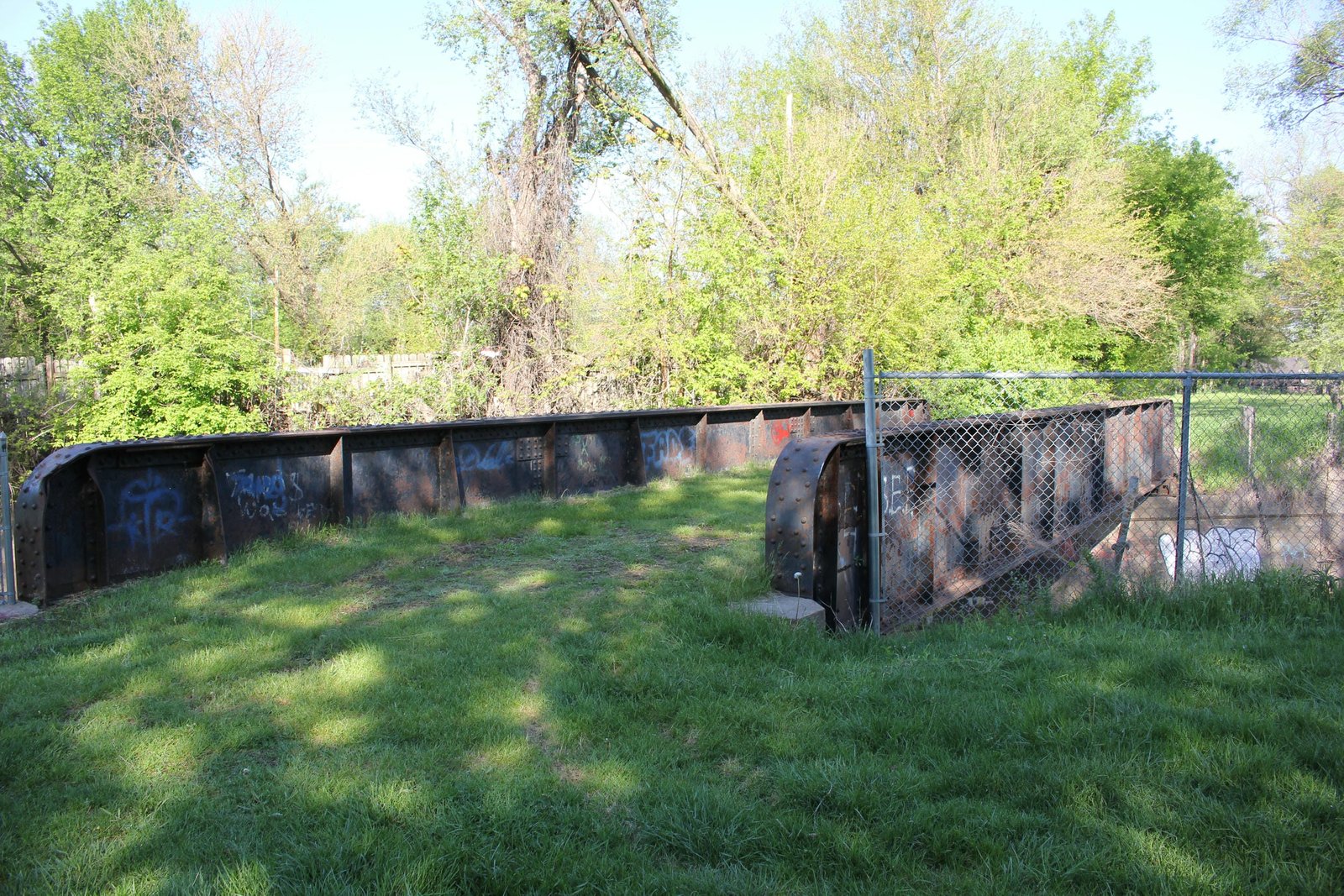
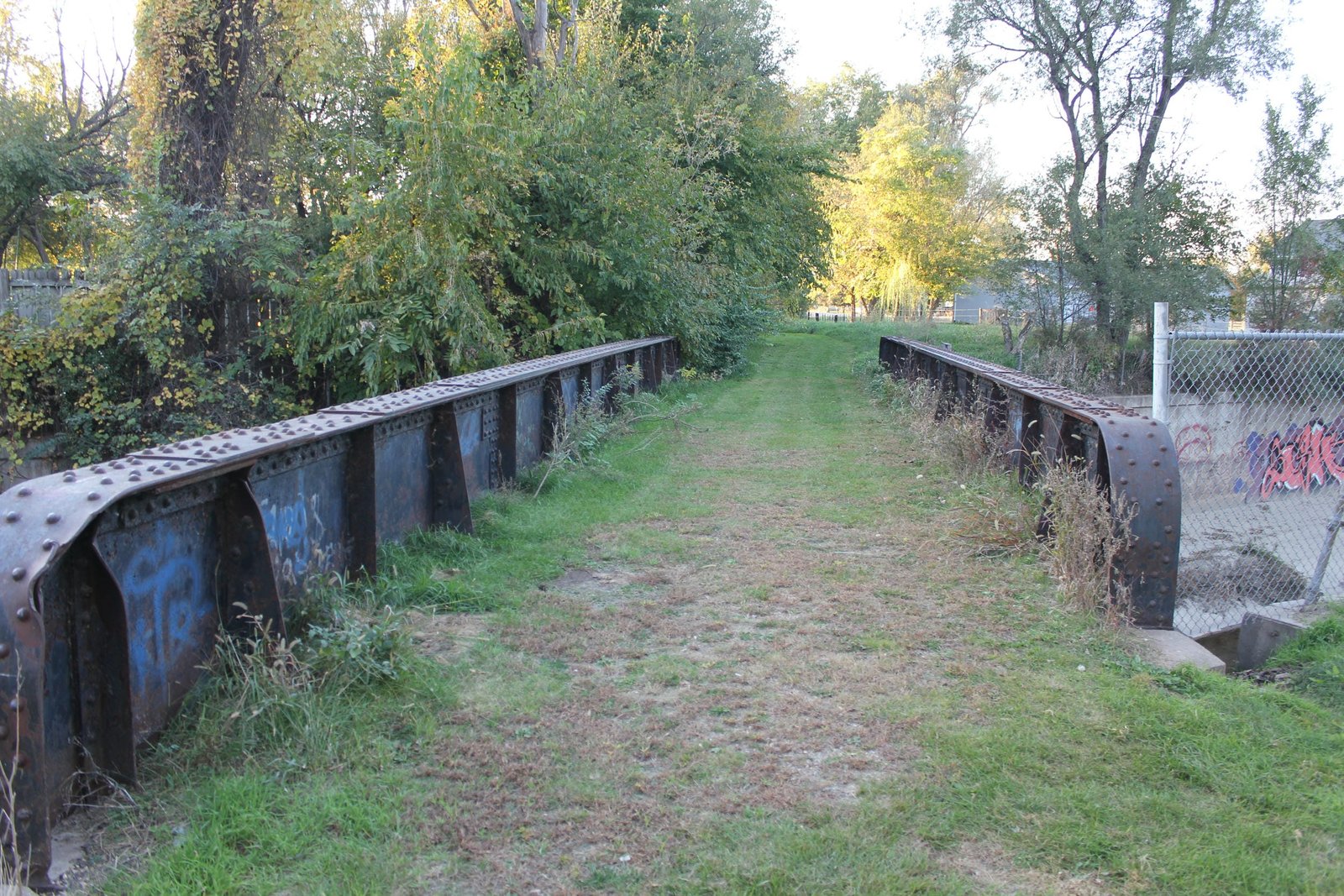
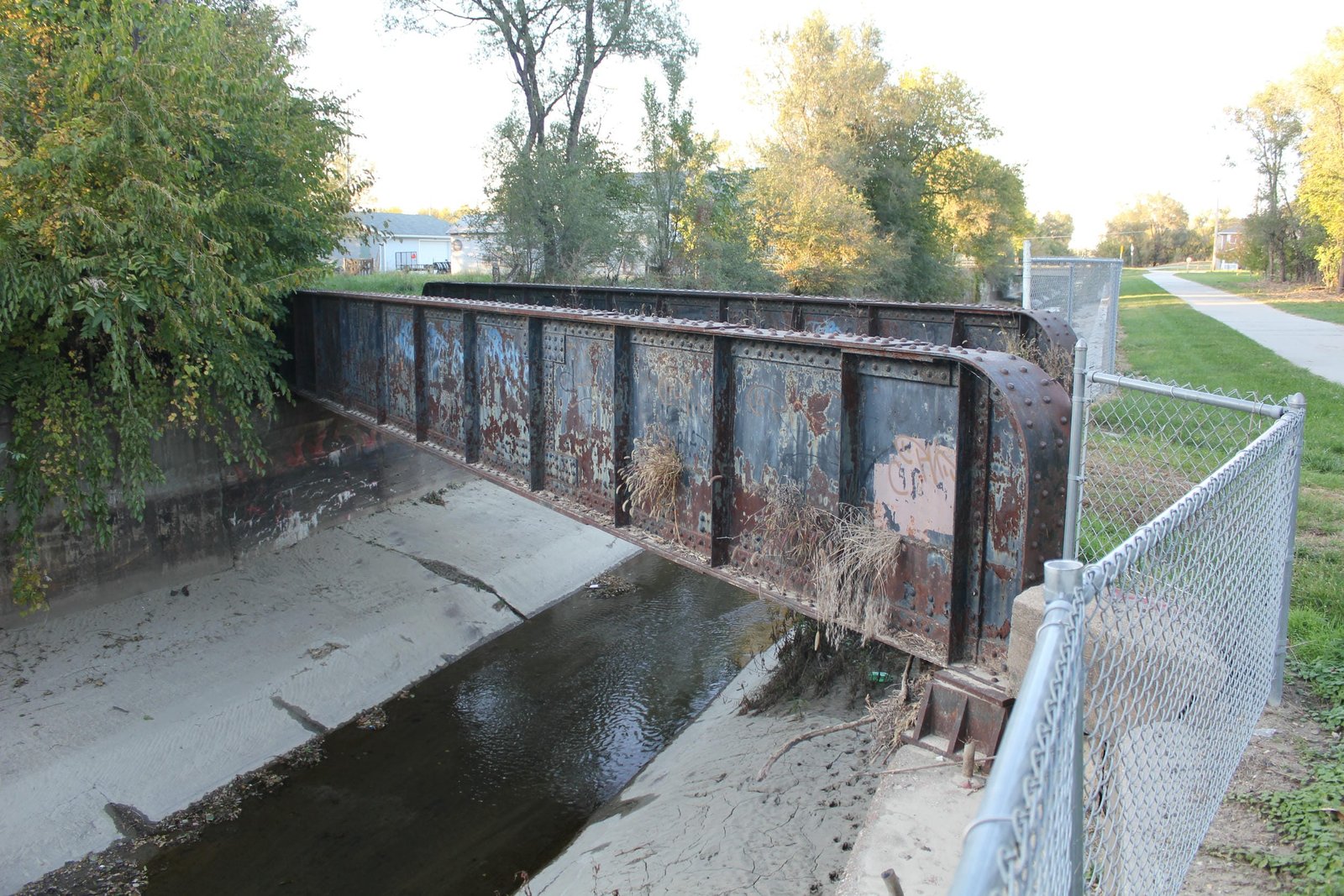
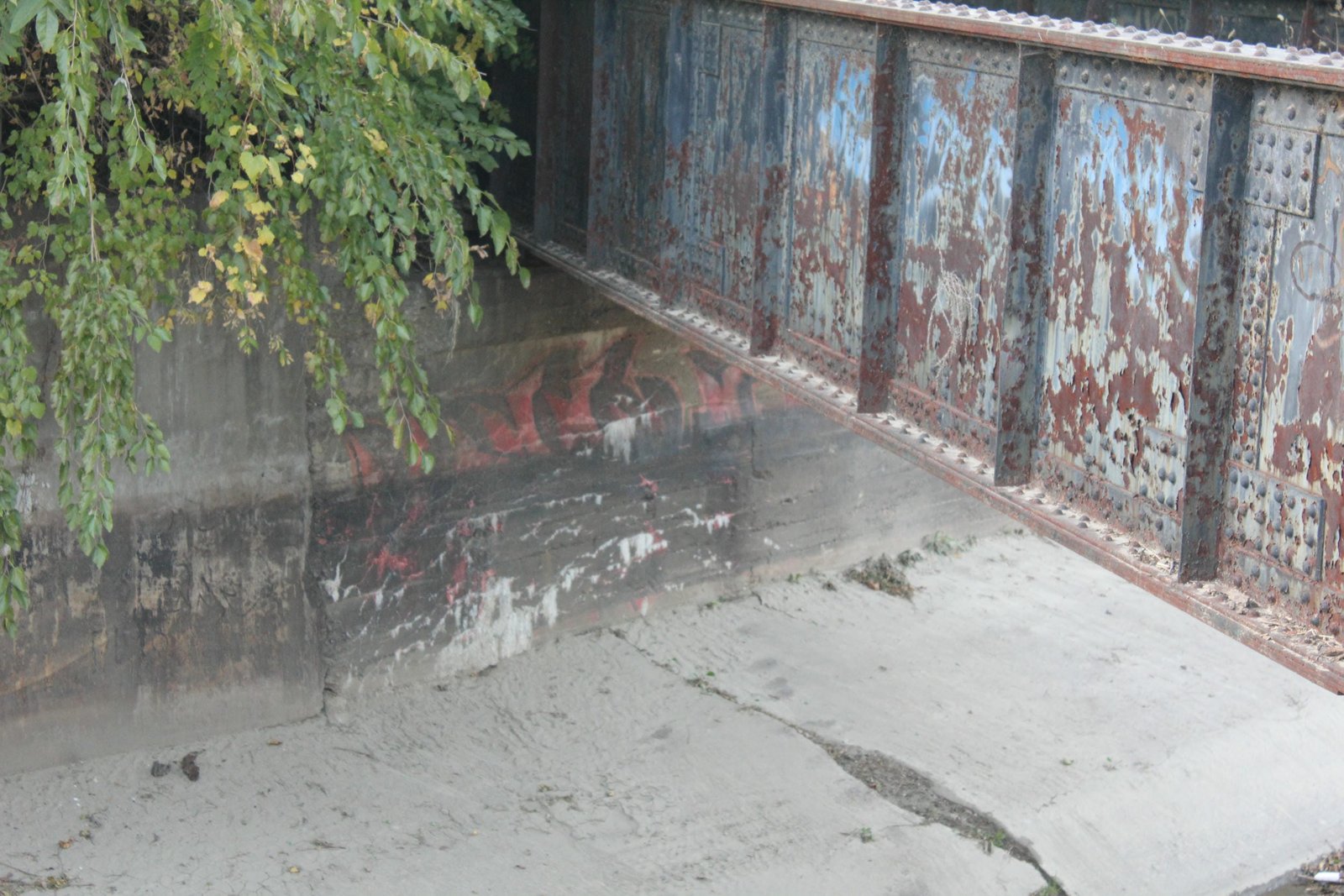
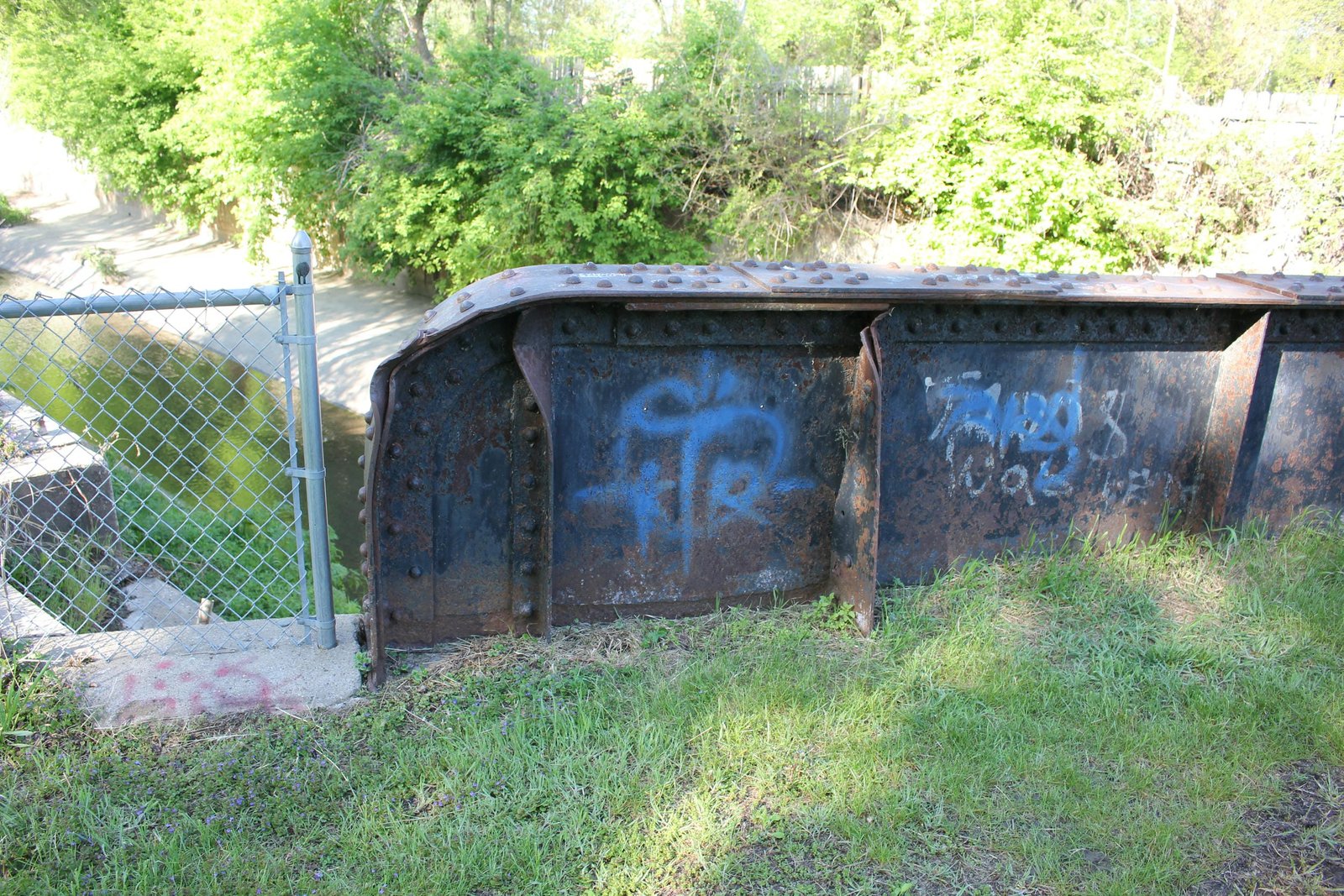
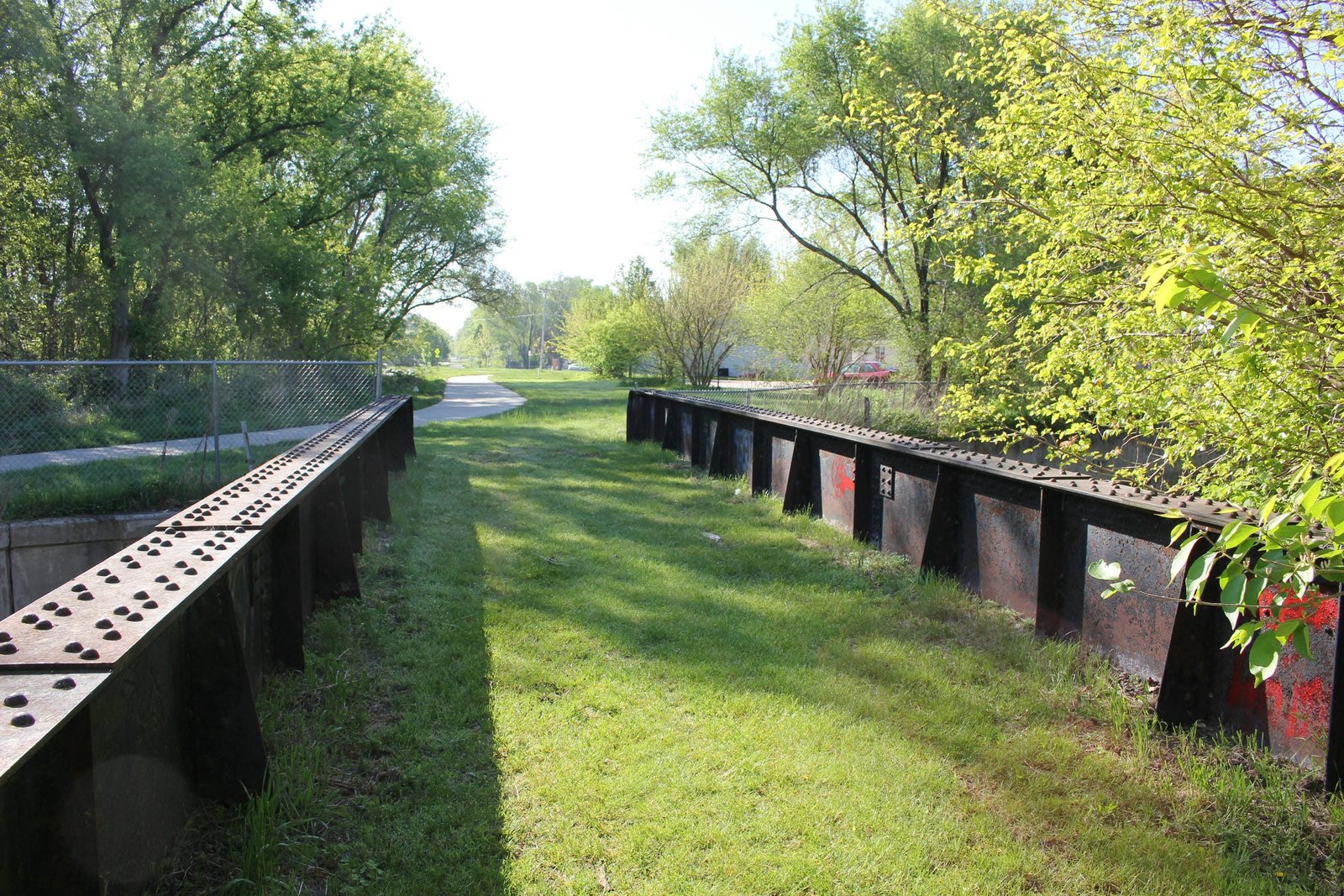
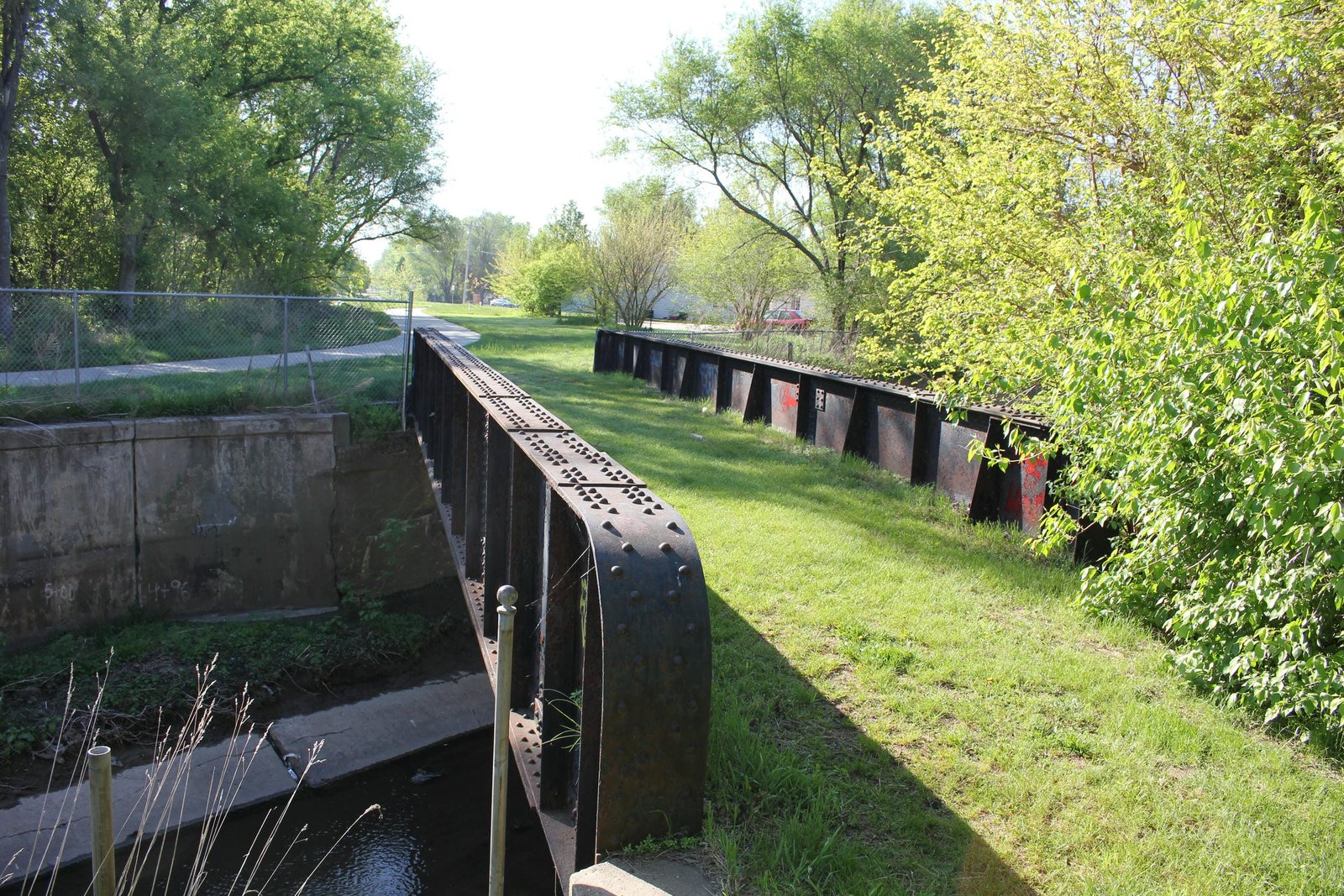
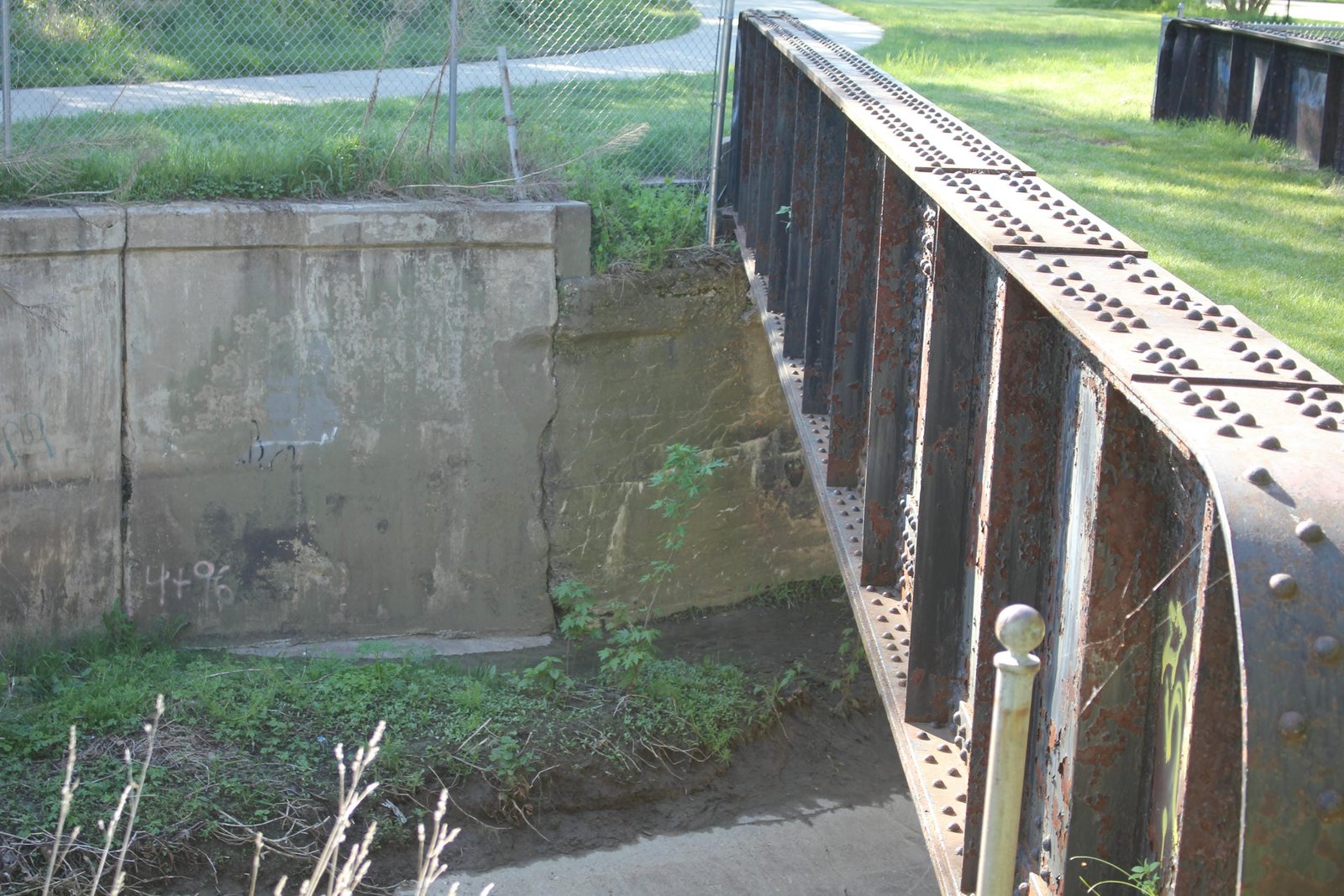
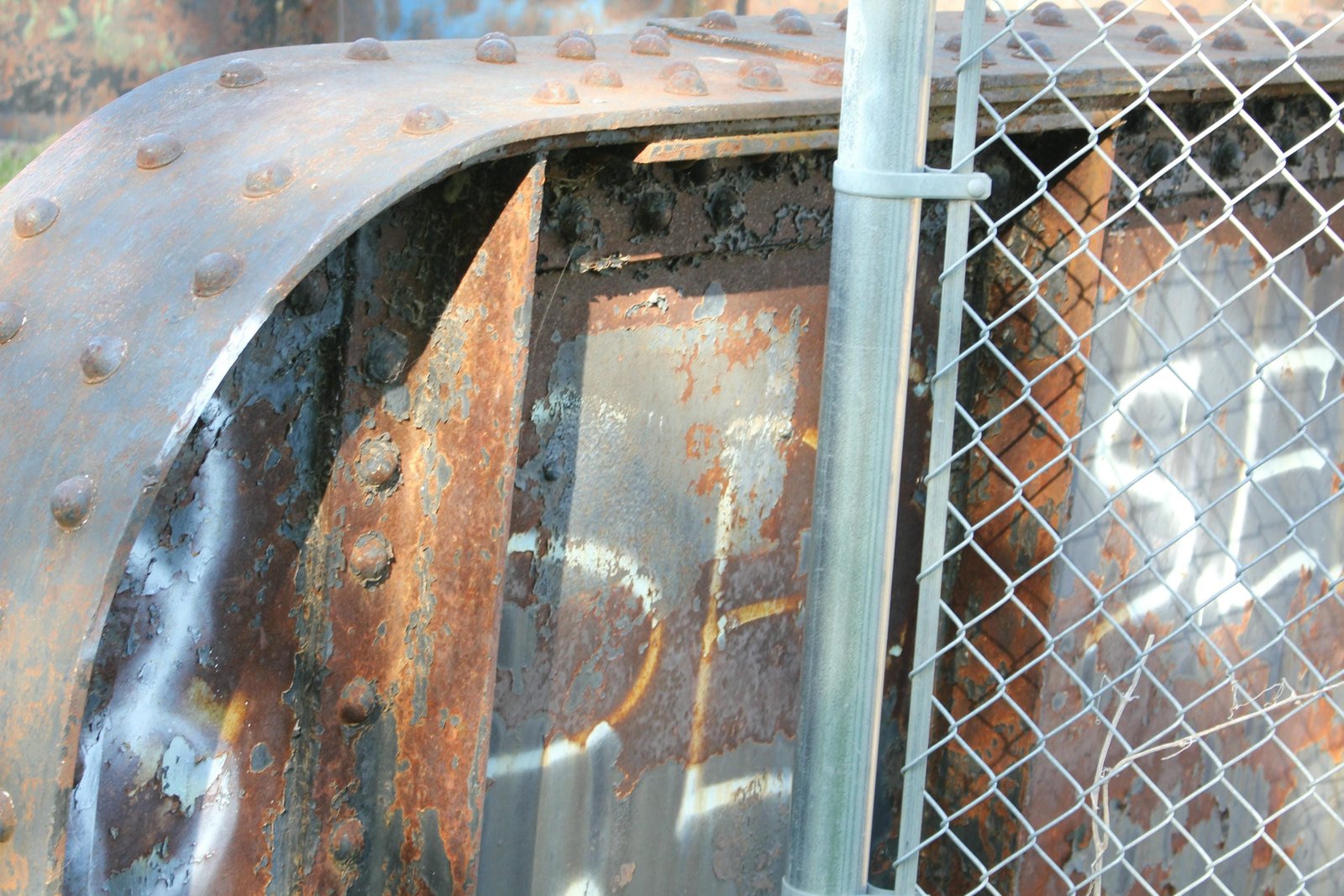
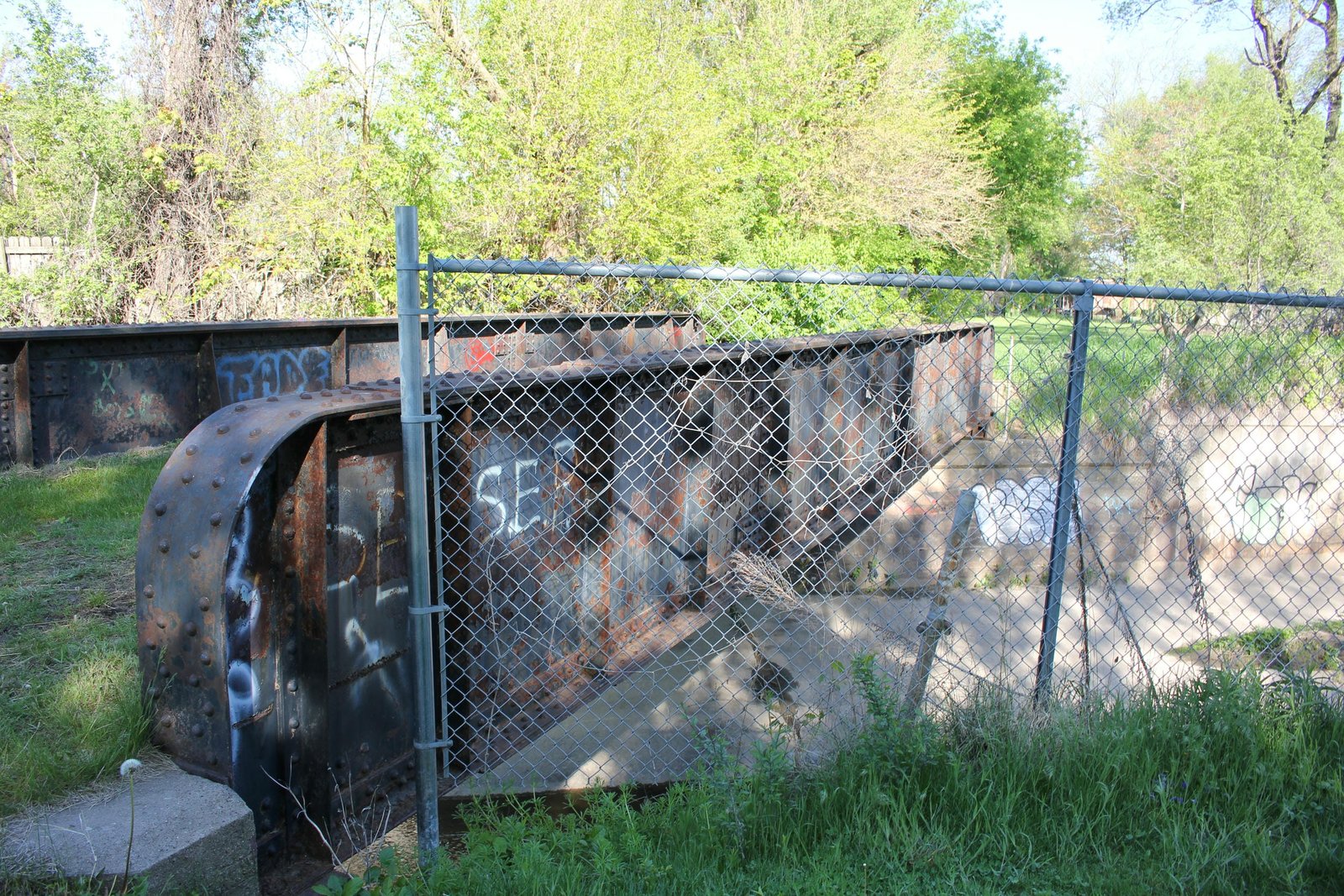
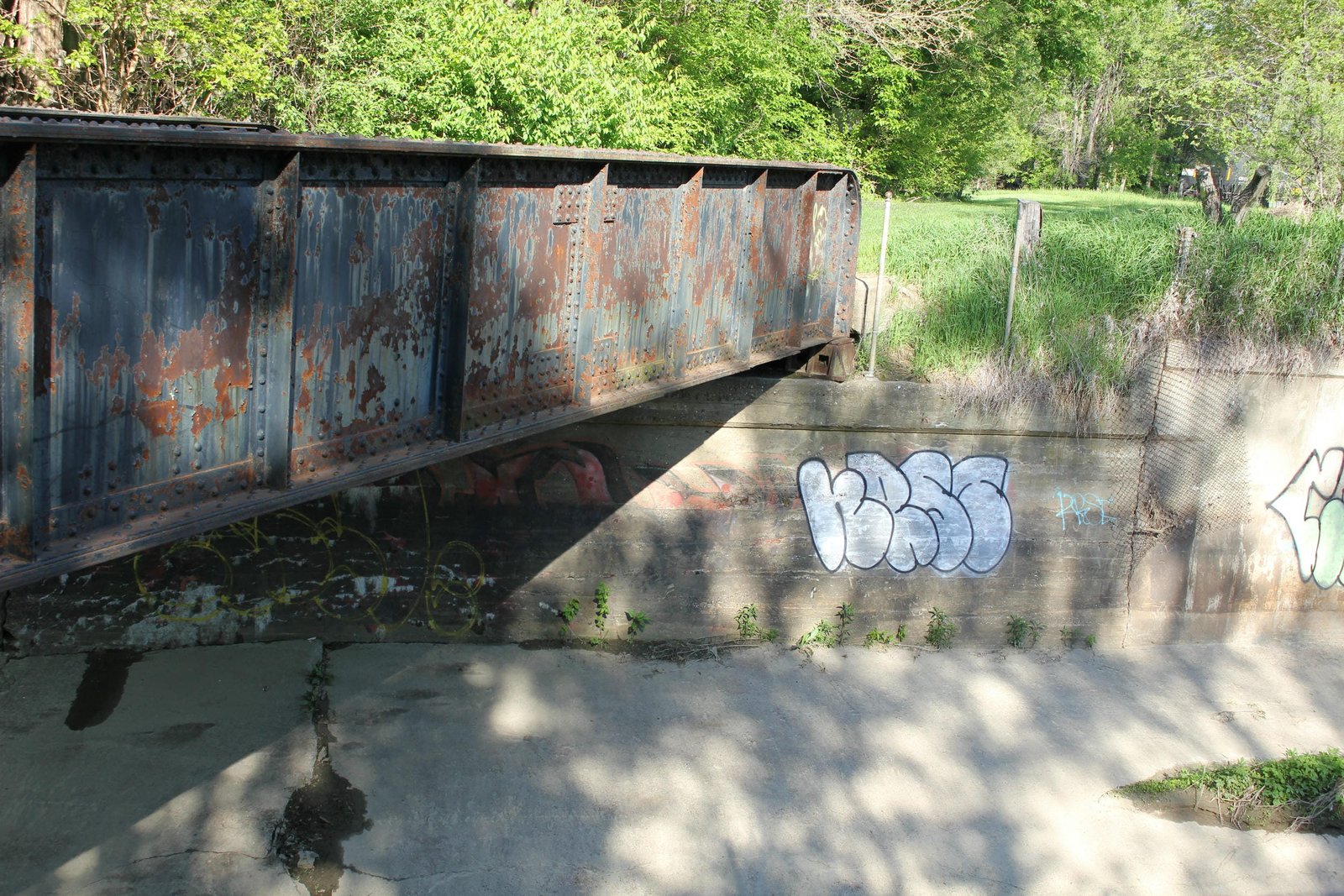
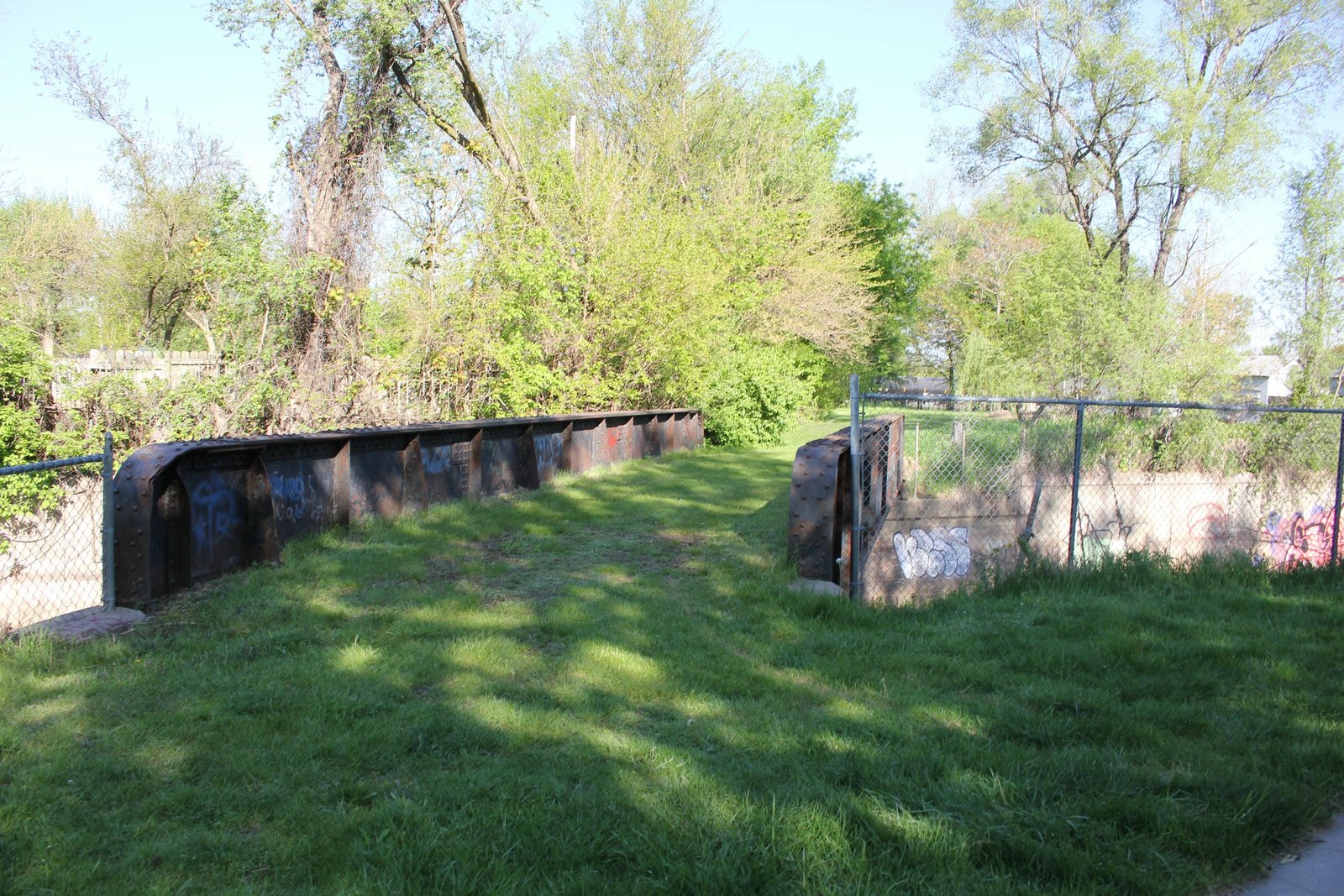
Located at the former alignment of 15th Avenue in Council Bluffs, this through plate girder bridge carries a former Wabash Railroad branch line over Indian Creek. Since Council Bluffs was first settled, Indian Creek had been known for disastrous floods due to its narrow valley and small tributary area. The first bridge at this location was likely a timber pile trestle bridge, constructed when the line was first built. In 1898, the City of Council Bluffs ordered a number of railroads to raise and remodel their bridges across Indian Creek, giving sufficient clearance and a channel width of 42 feet. A through plate girder span was constructed here in 1899, although it is unclear if it was set onto concrete abutments or if it was approached by timber pile trestle spans and set onto timber pile piers. By 1912, the 1899-era bridge was insufficient for traffic, and was replaced by the present through plate girder bridge. Currently, the bridge consists of a single track 55-foot through plate girder span, set onto concrete abutments and constructed at a heavy skew. The superstructure follows a standard design, with two modest plate girders, rounded girder ends and a ballast deck. The ballast deck appears to be constructed of cast-in-place concrete, and spans the entire deck. The substructure originally consisted of rectangular abutments, although it is unclear if these had wing walls. American Bridge Company fabricated the superstructure, while an unknown contractor constructed the abutments. Through plate girder spans were popular for railroad use, due to the durability and ease of construction. The only major alteration to the bridge came in the mid-1930s, when Indian Creek was channelized and any original wing walls were removed. Starting in 1936, Indian Creek was channelized, and large concrete walls were constructed to contain the creek. As part of the work, the abutments were incorporated into the channel walls. Today, the bridge is owned by the City, and it is clear if it will be reused as part of a sprawling trail network that has been developed along Indian Creek. In addition, the former Wabash right-of-way has also been reused as a trail immediately southeast of this bridge. Overall, the bridge appears to be in fair to good condition, with no significant deterioration noted. The author has ranked the bridge as being locally significant, due to the common design.
Citations
| Build date | Wabash Railroad Historical Society Archives |
| Builder (superstructure) | Missing American Bridge Company plaque |
| Railroad History Citation | ICC Valuation Information, Compiled by Richard S. Steele |