
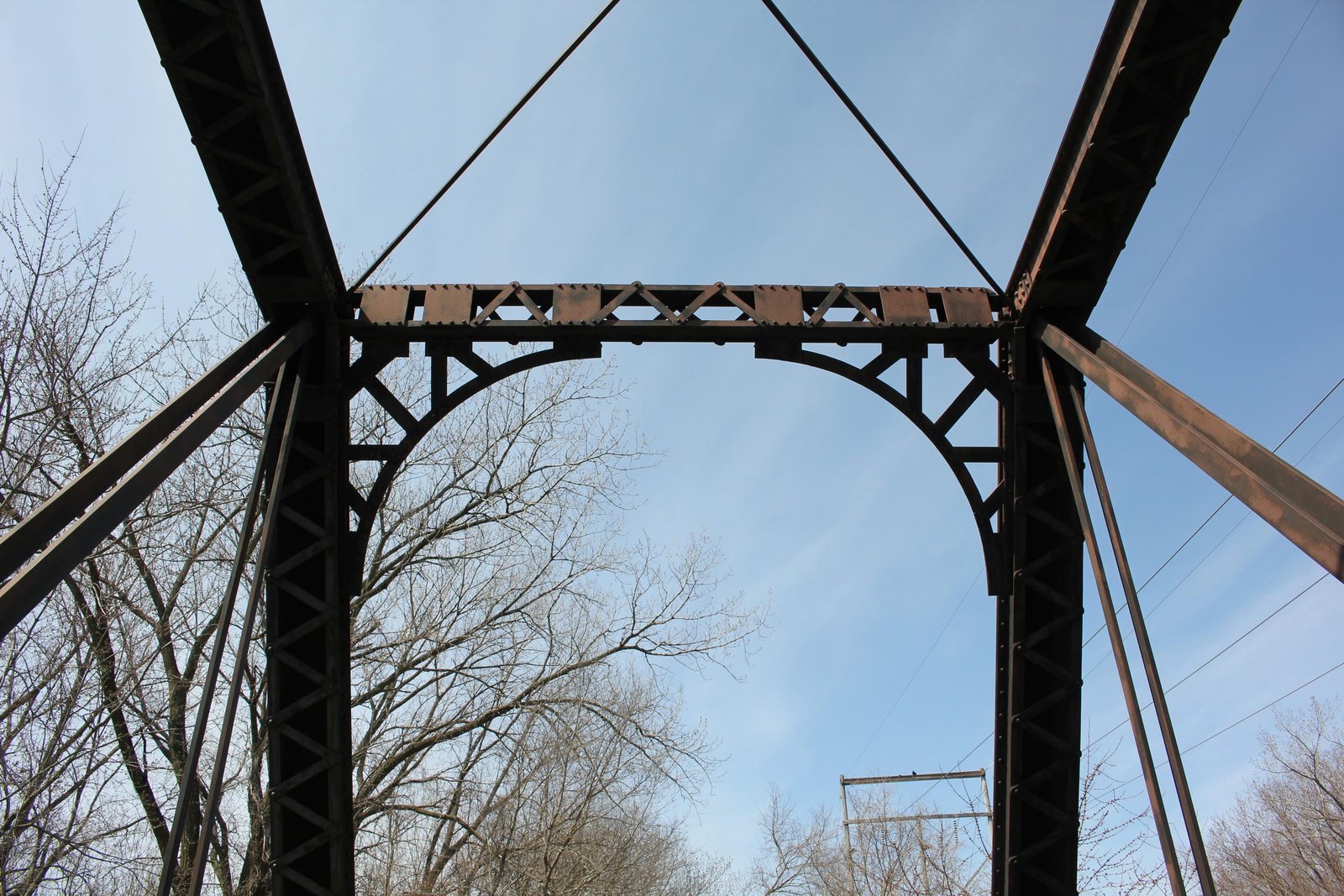
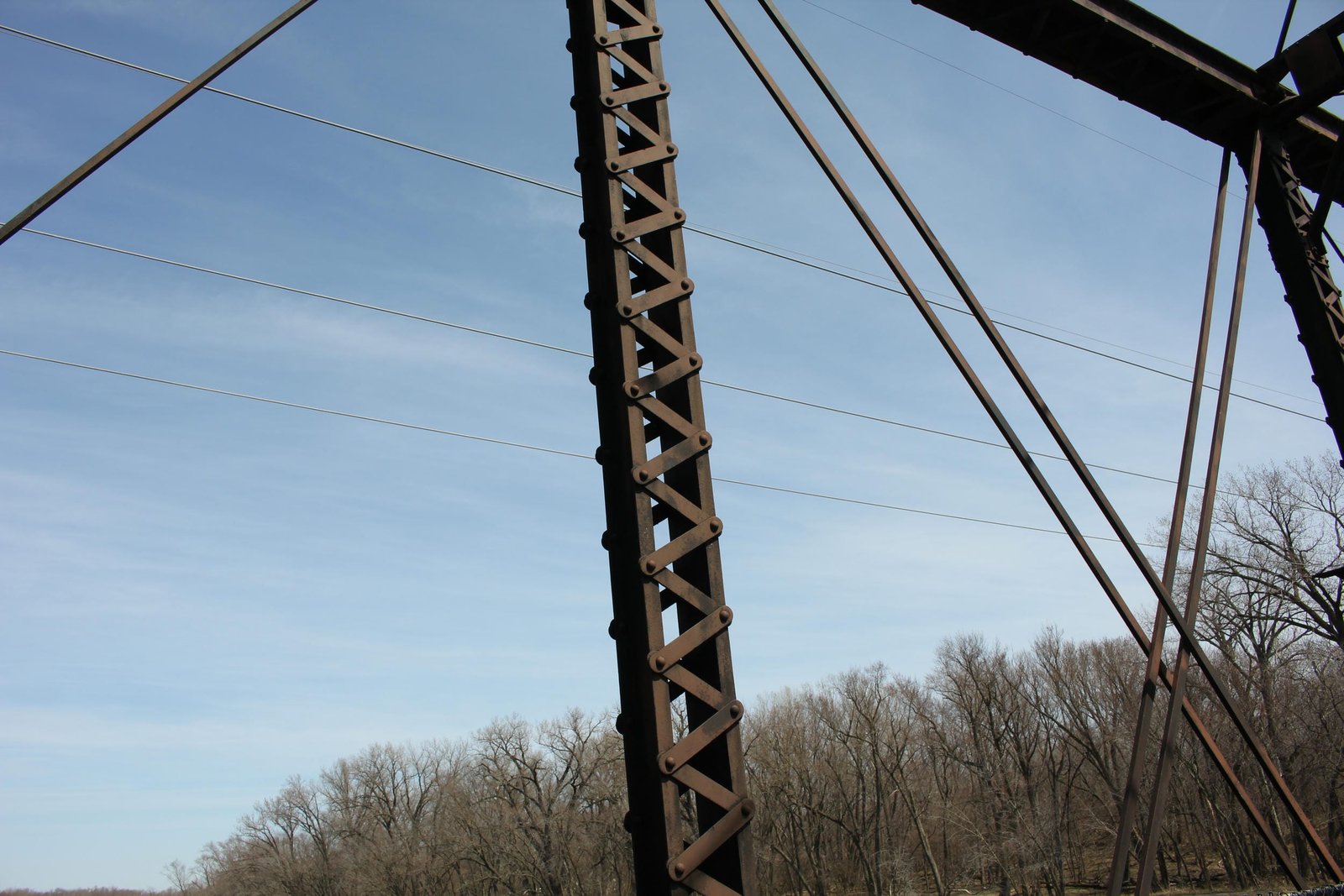
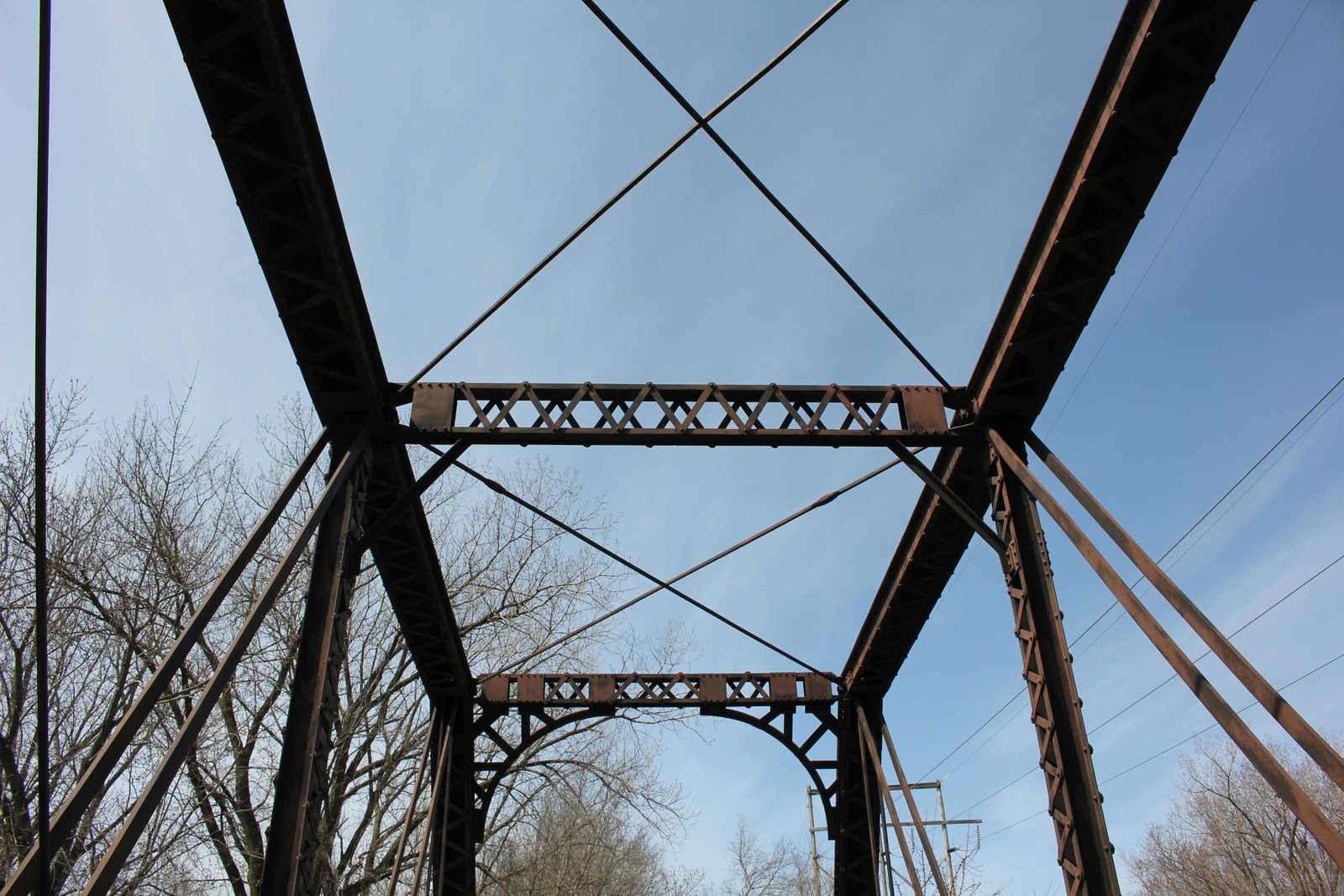
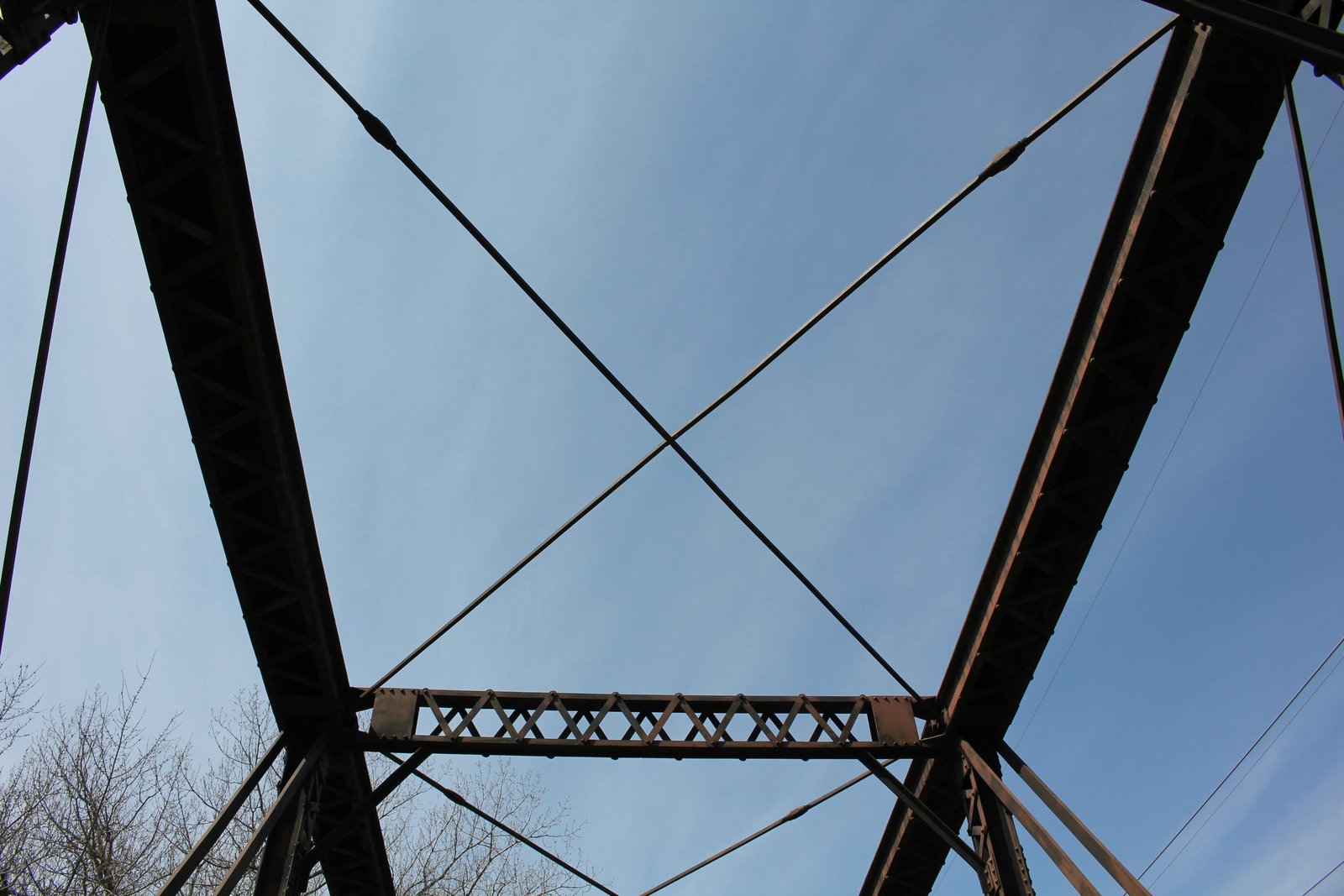
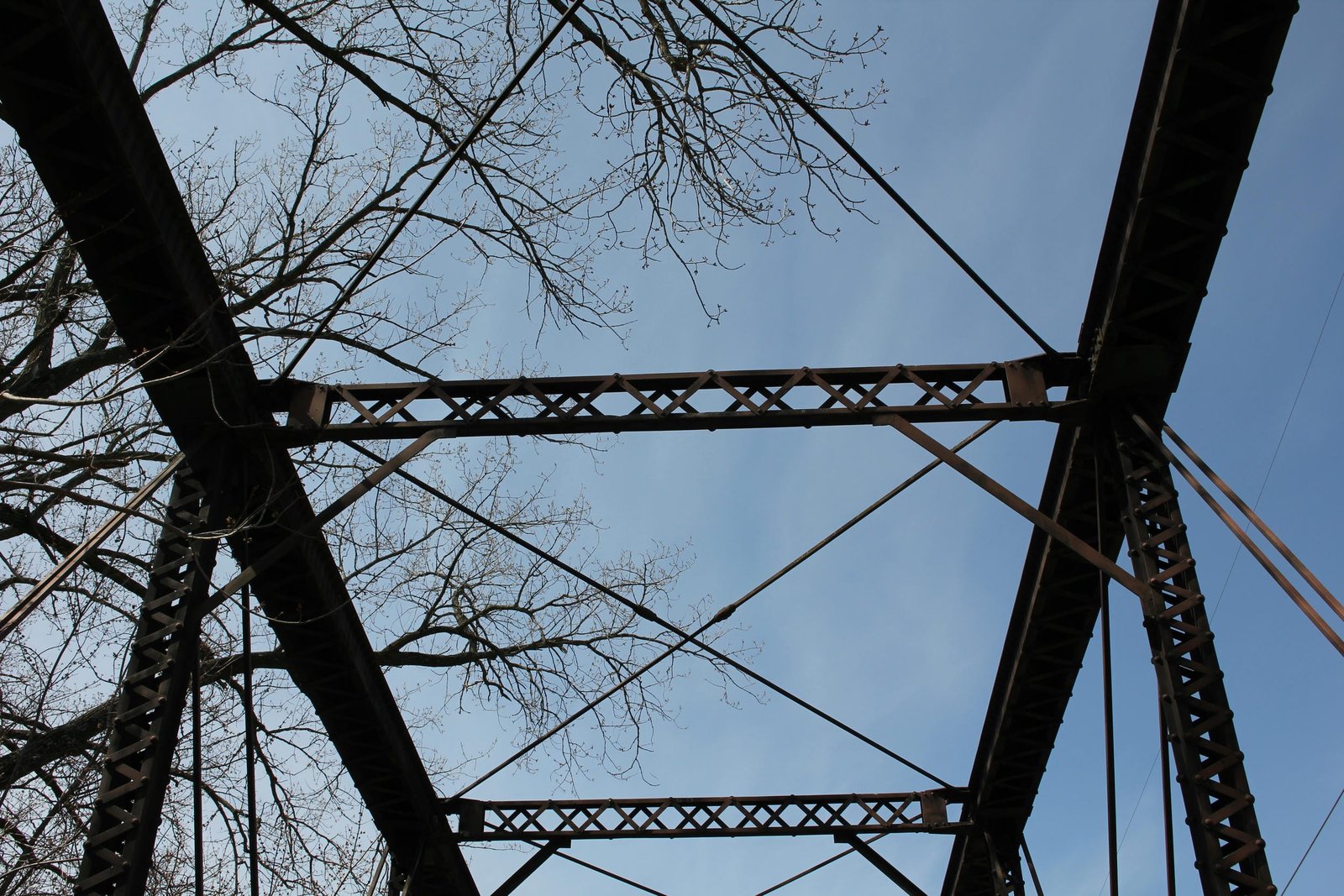
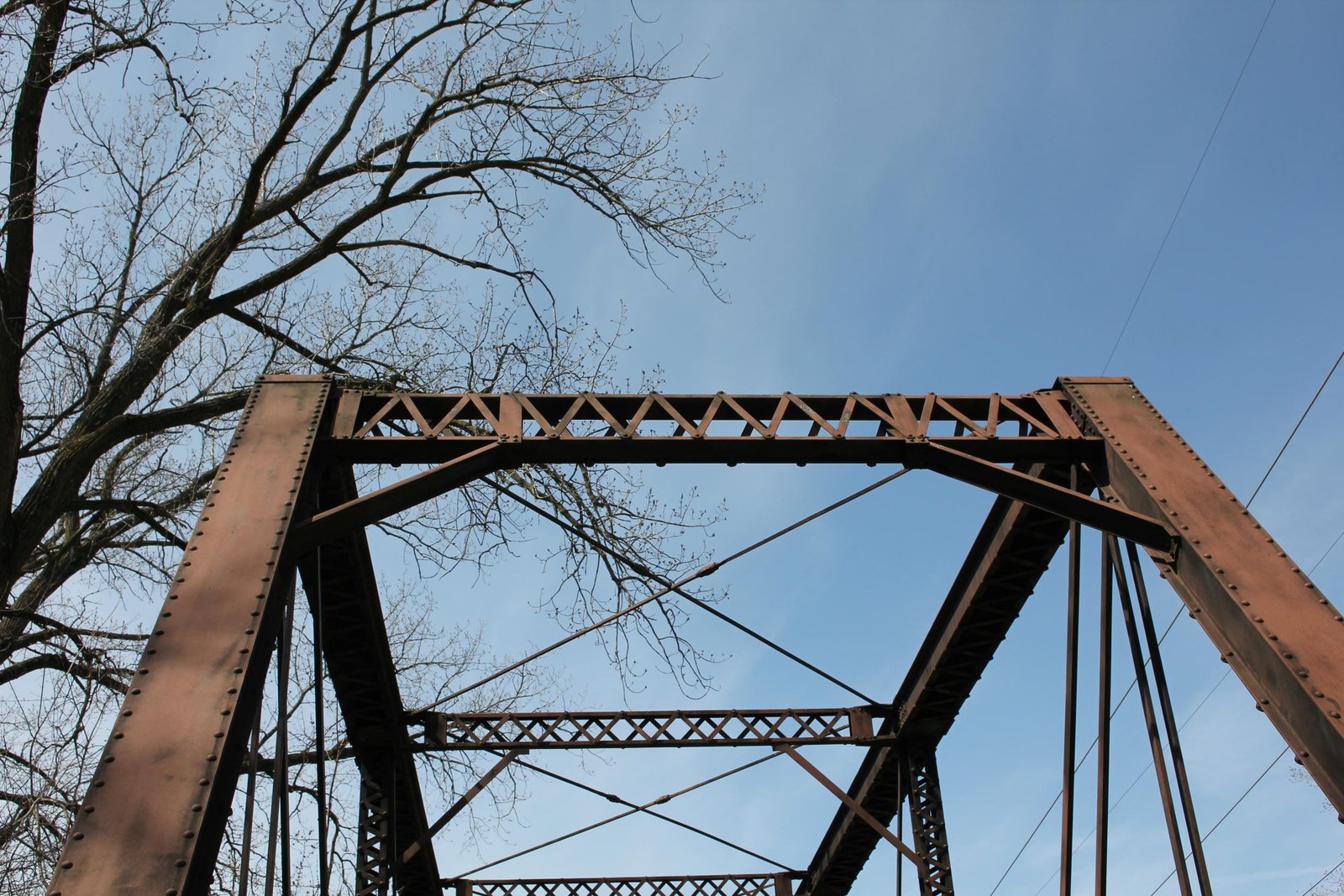
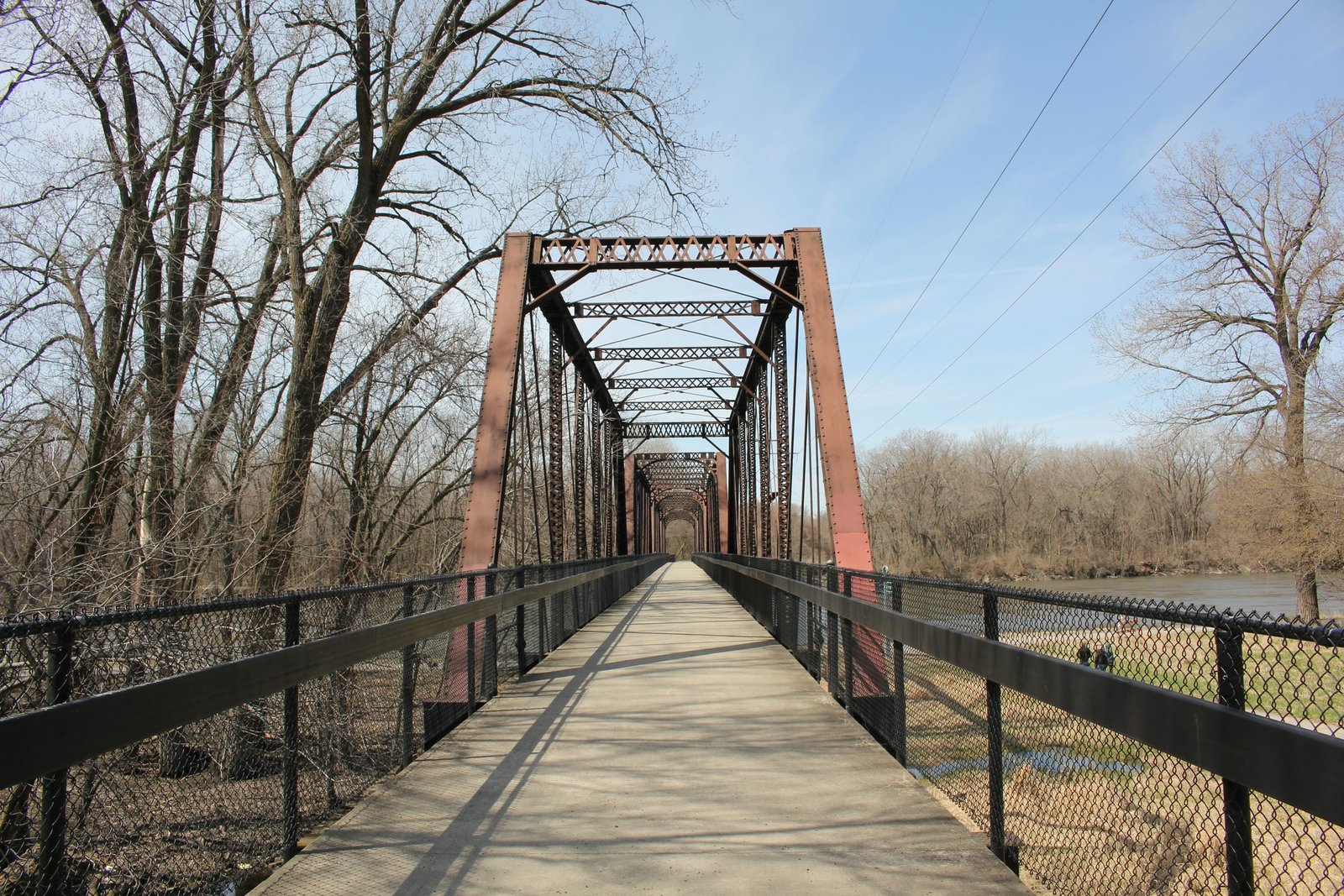
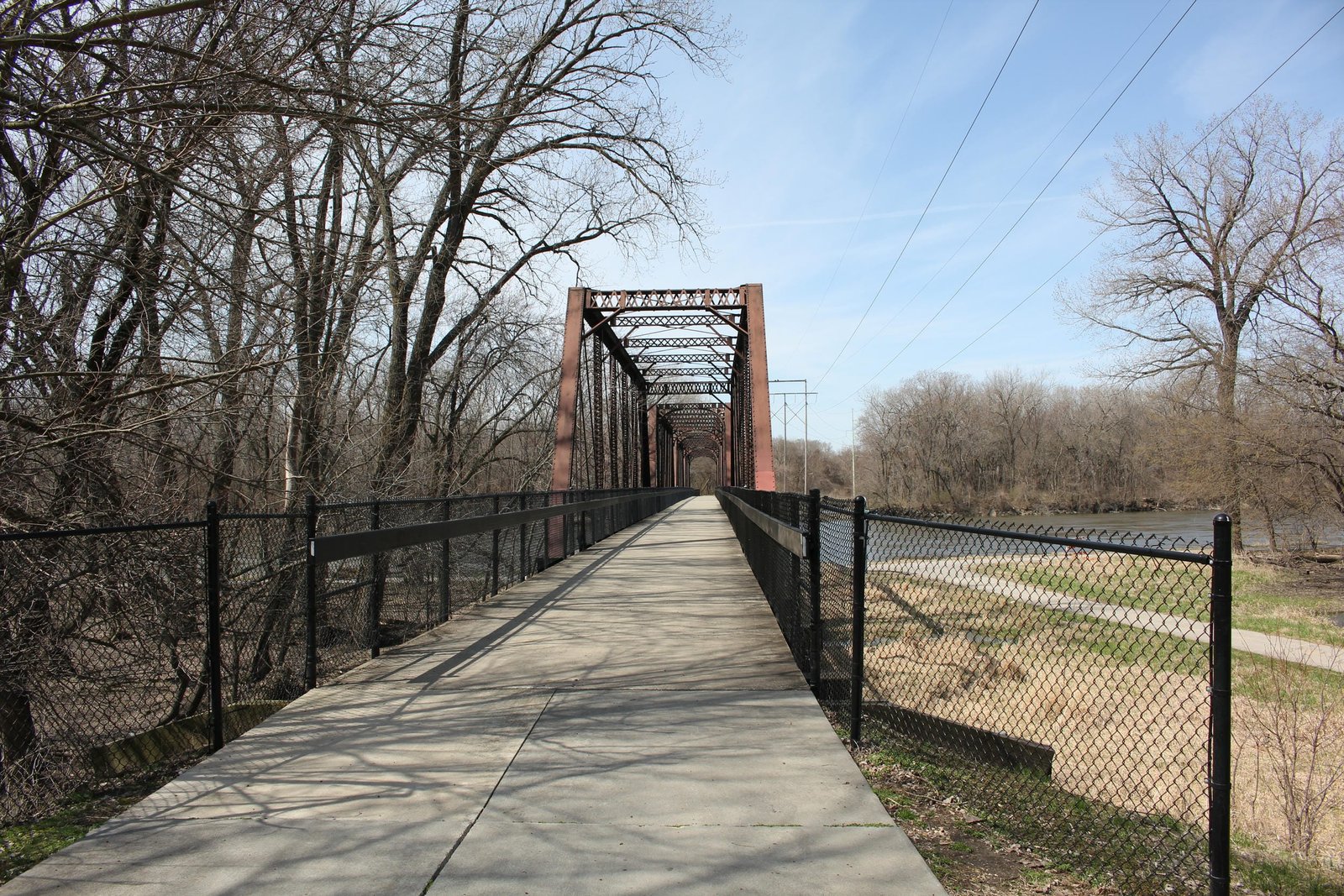
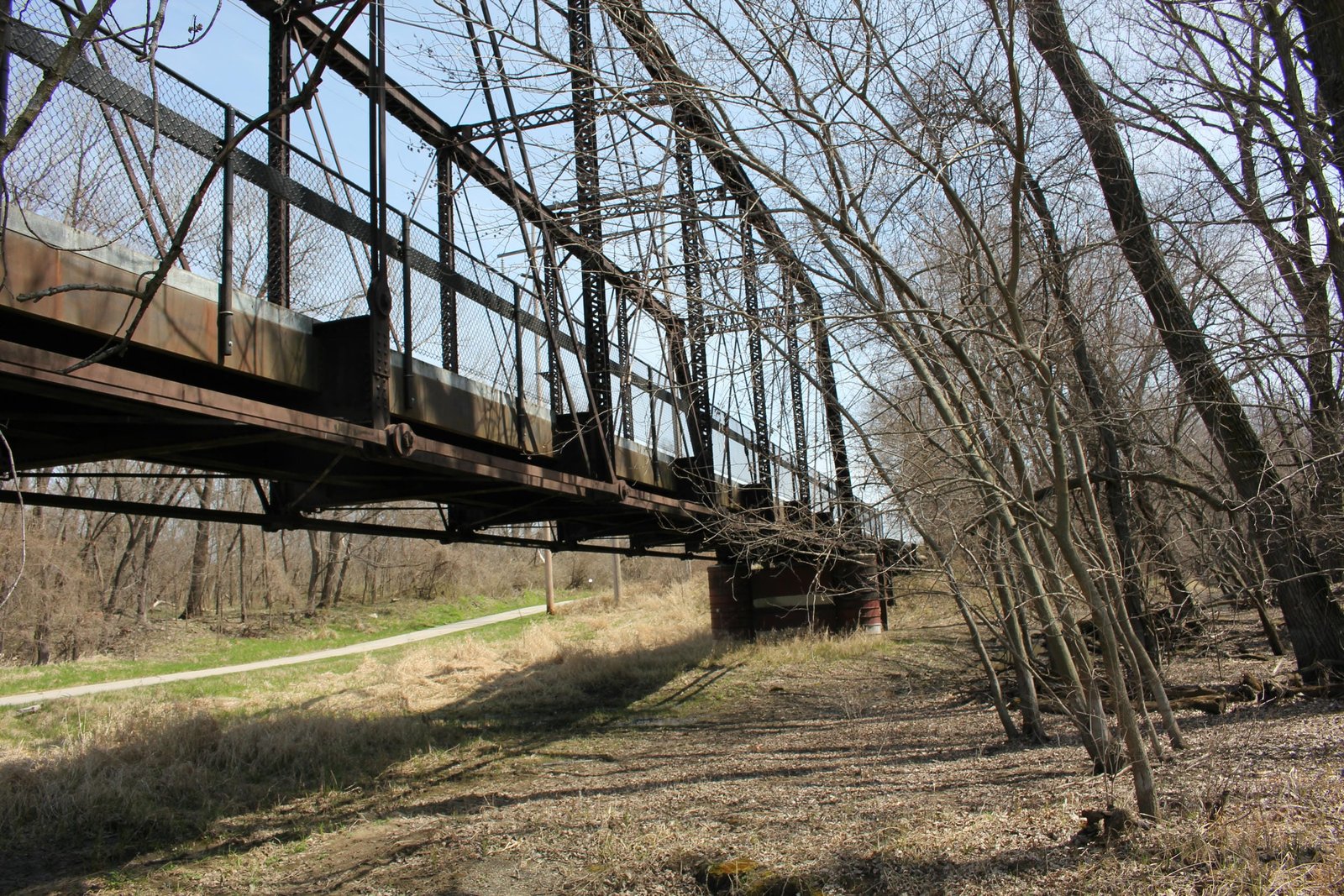
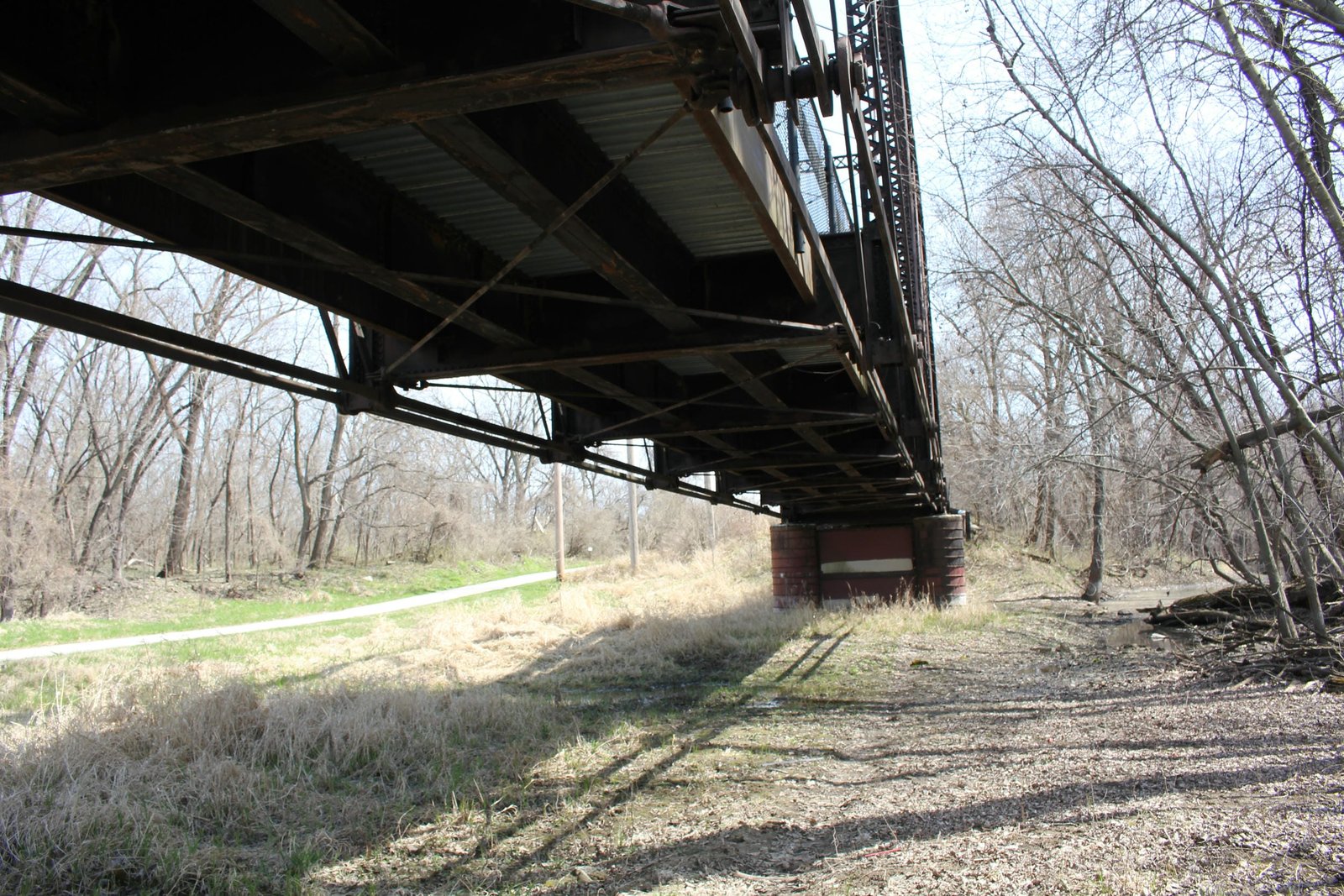
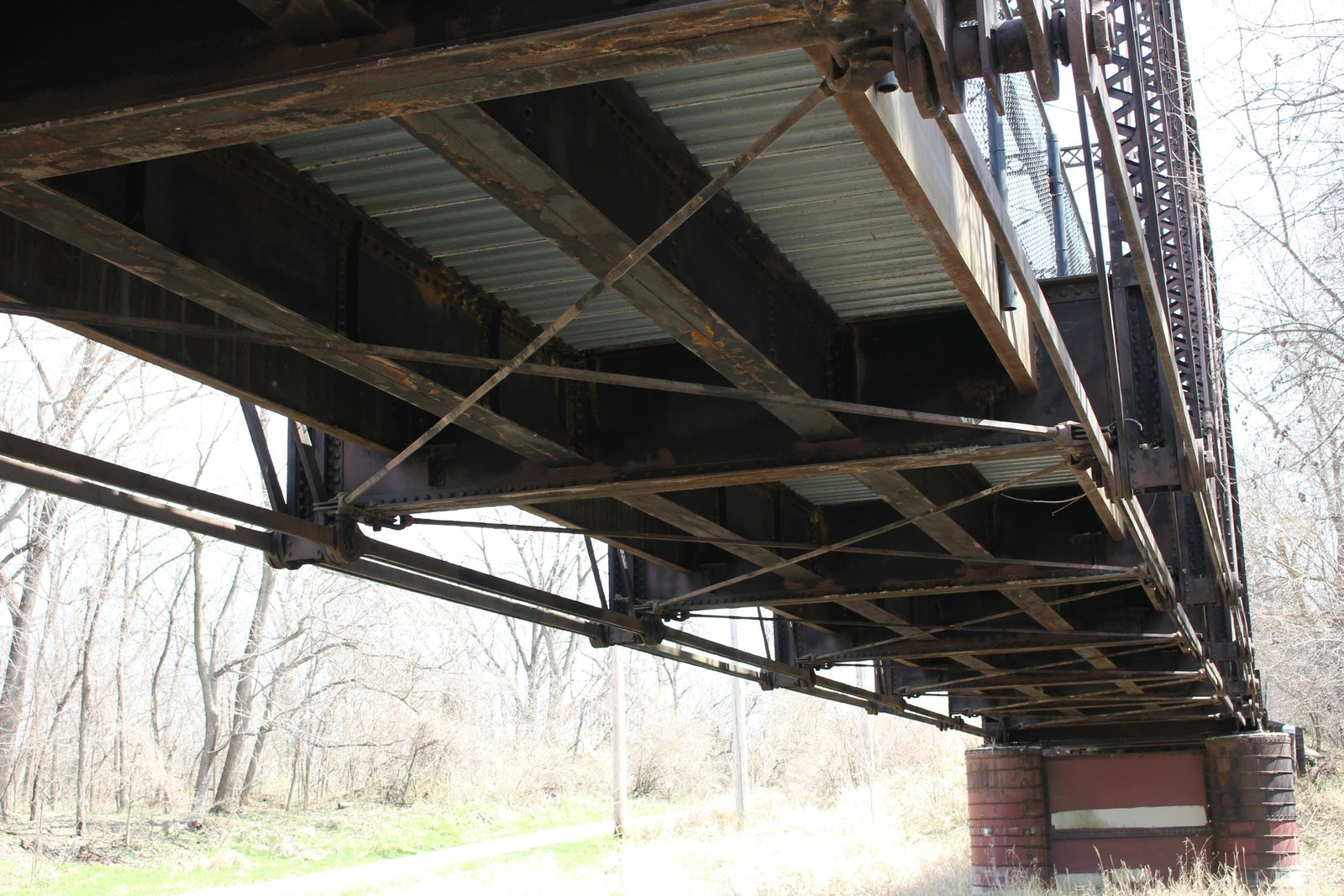
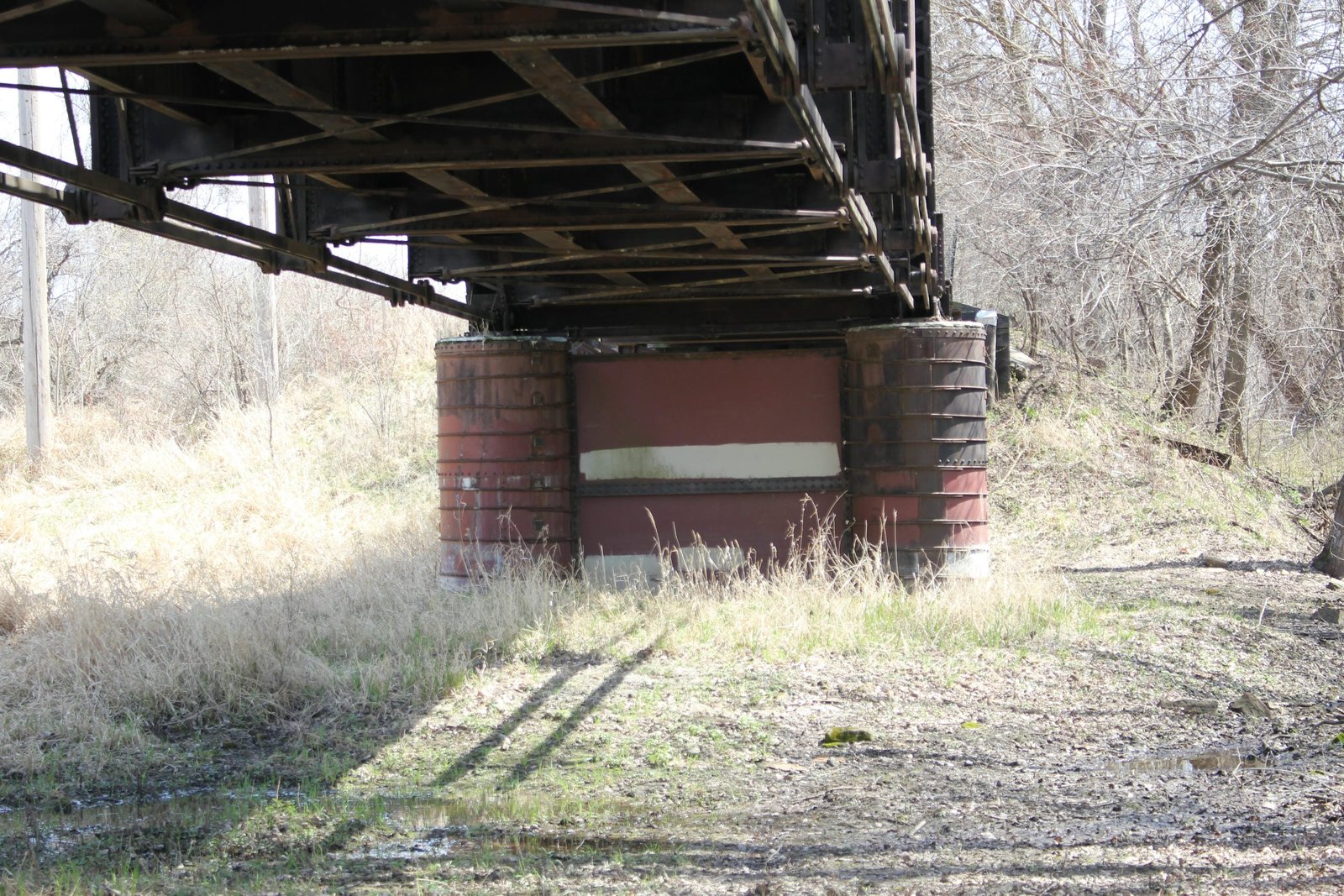
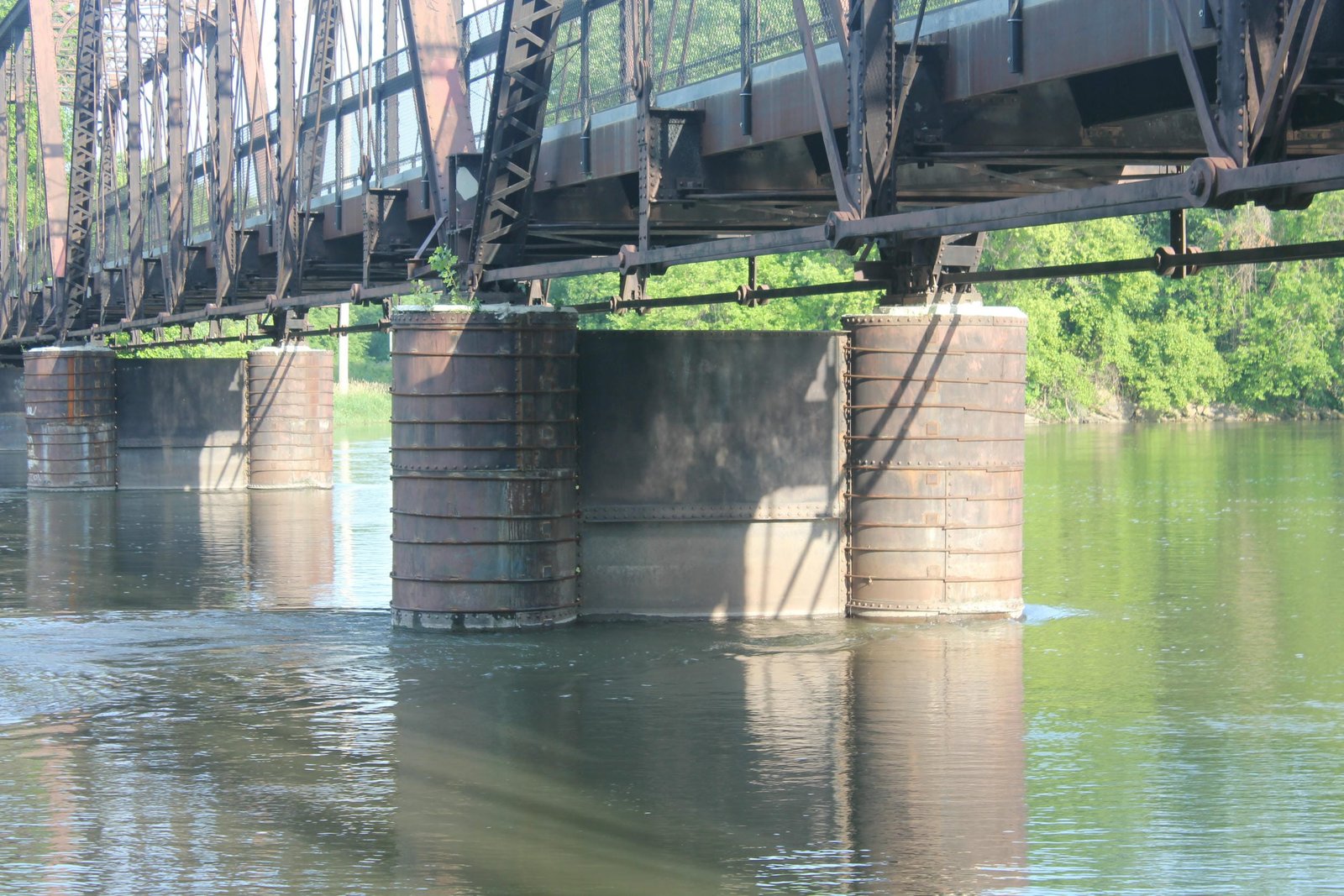
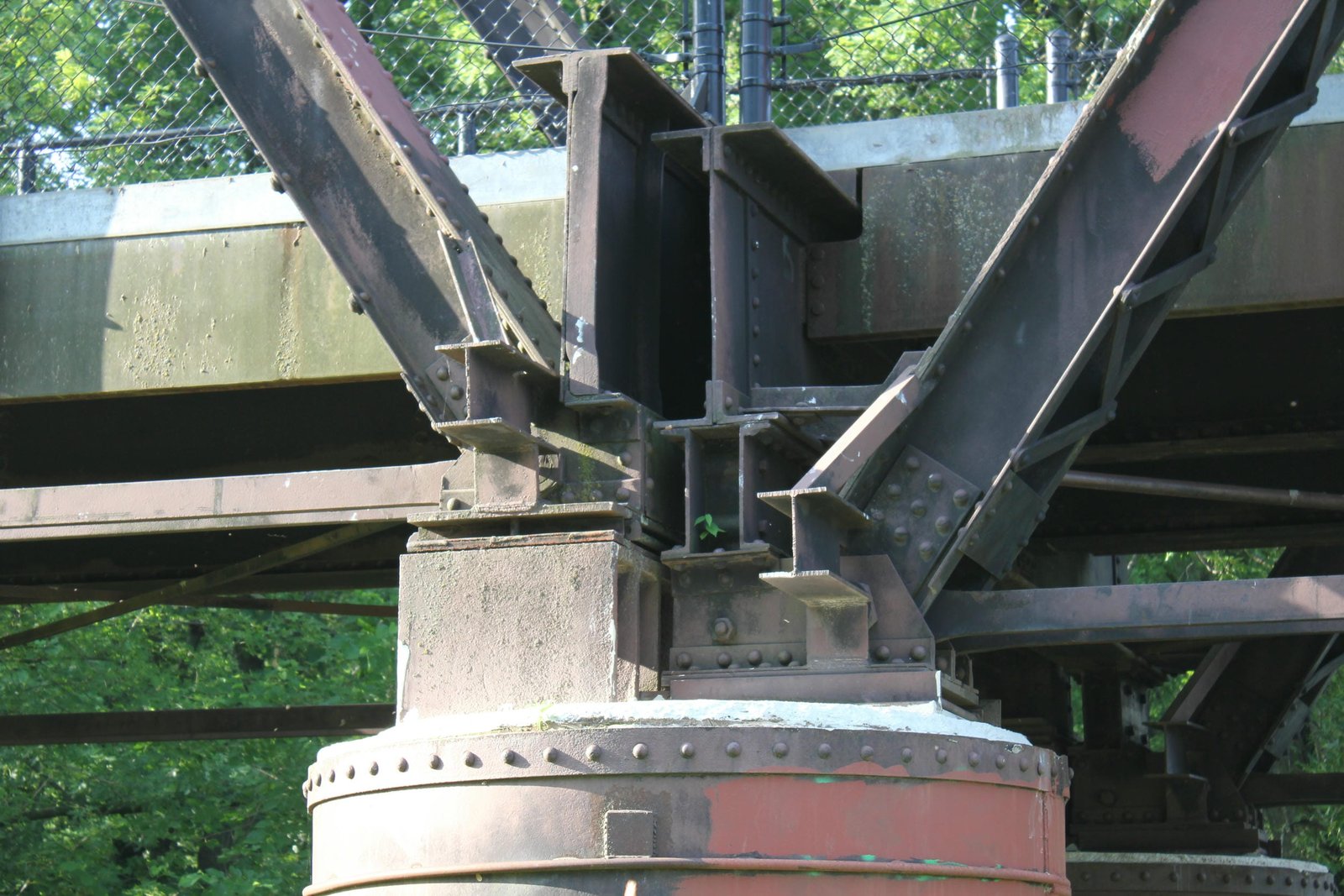
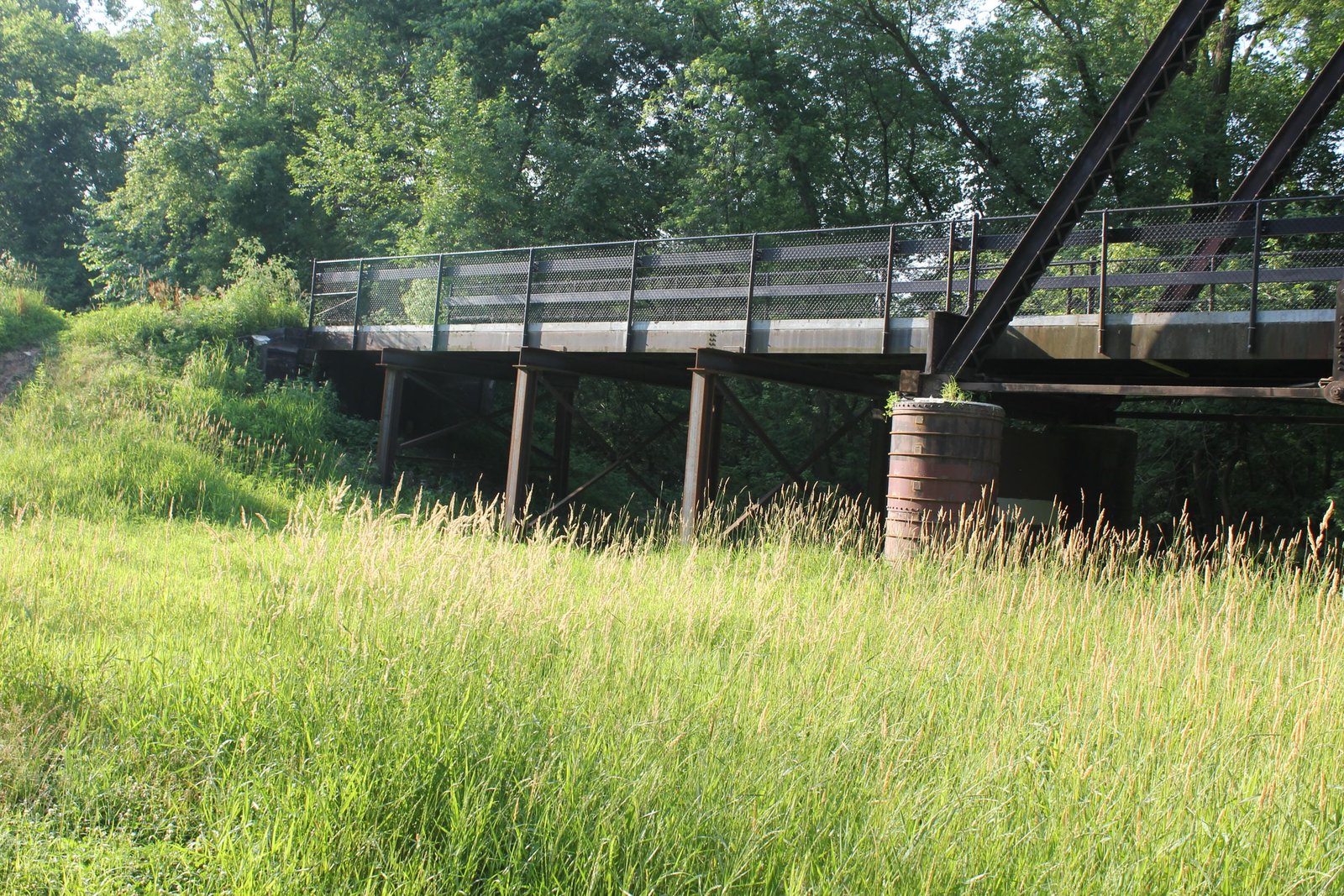
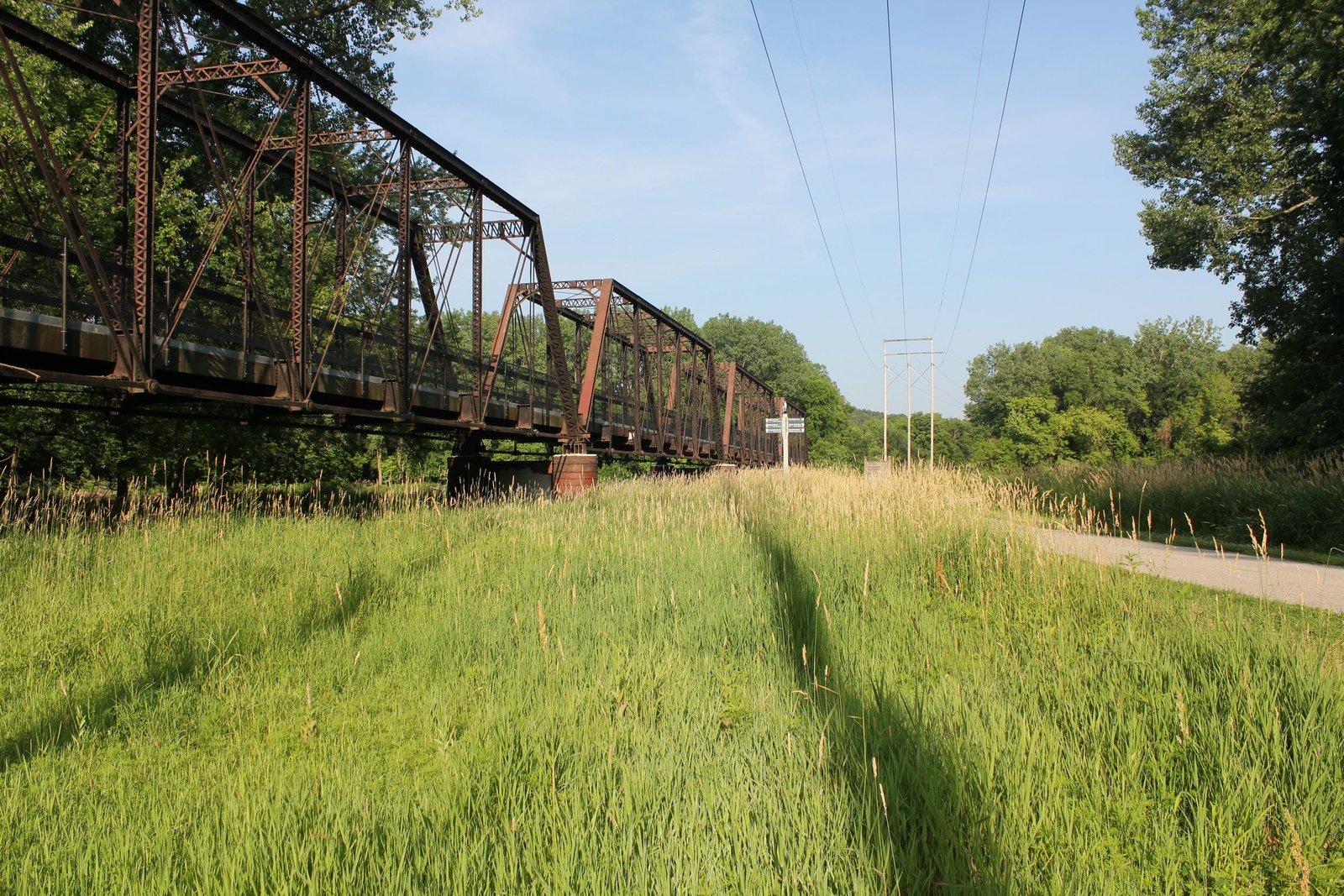
Click the photo to view the full-size version
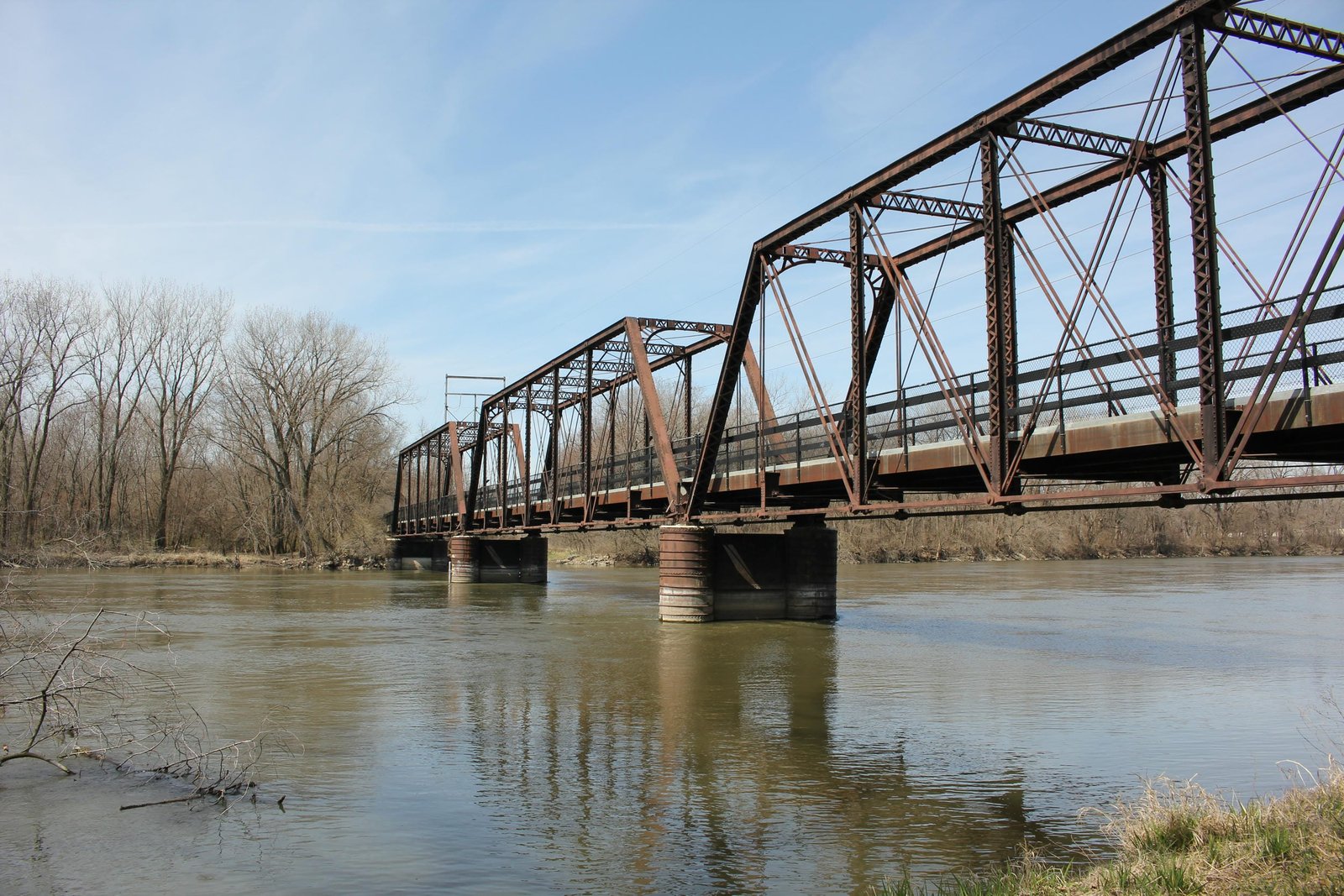
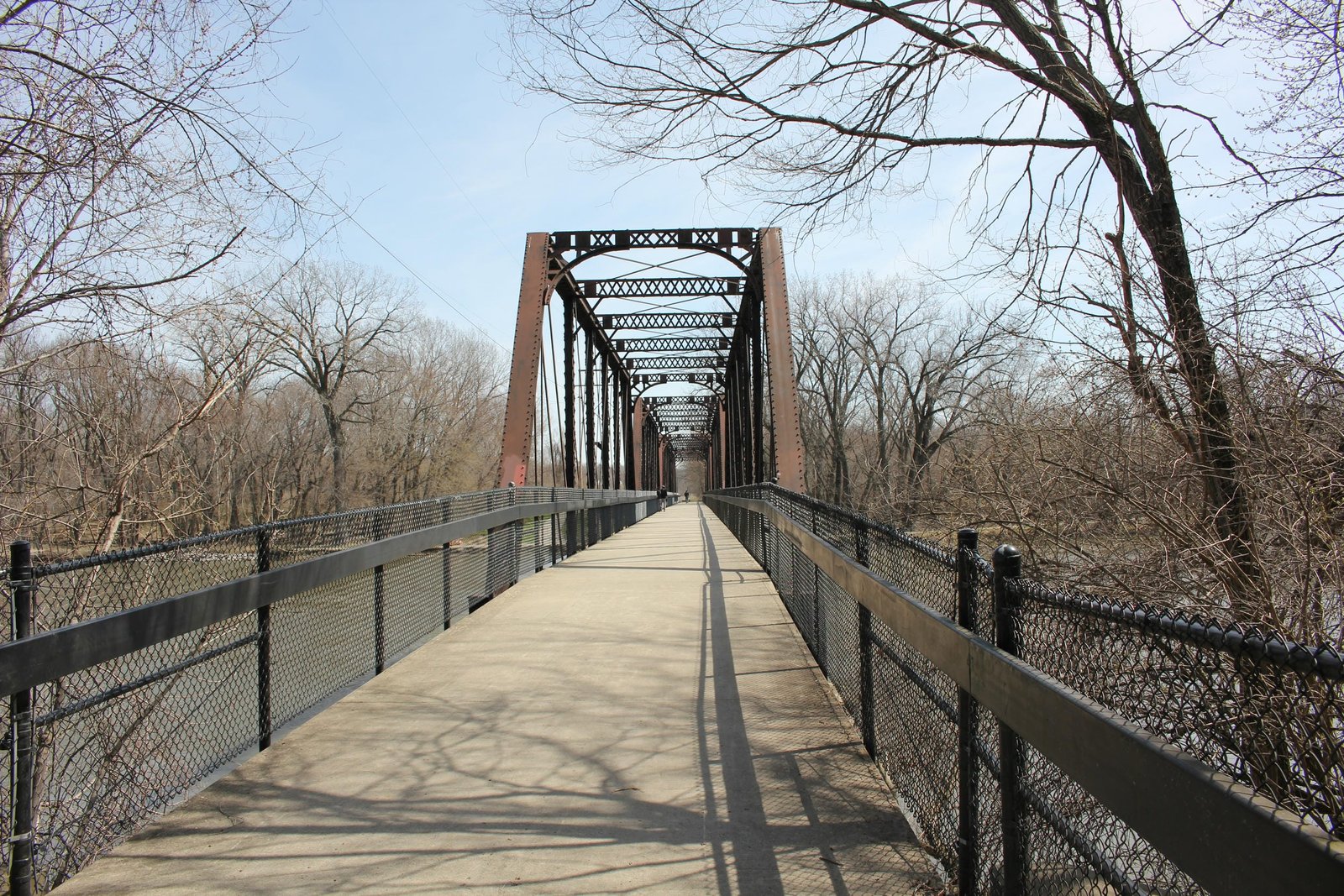
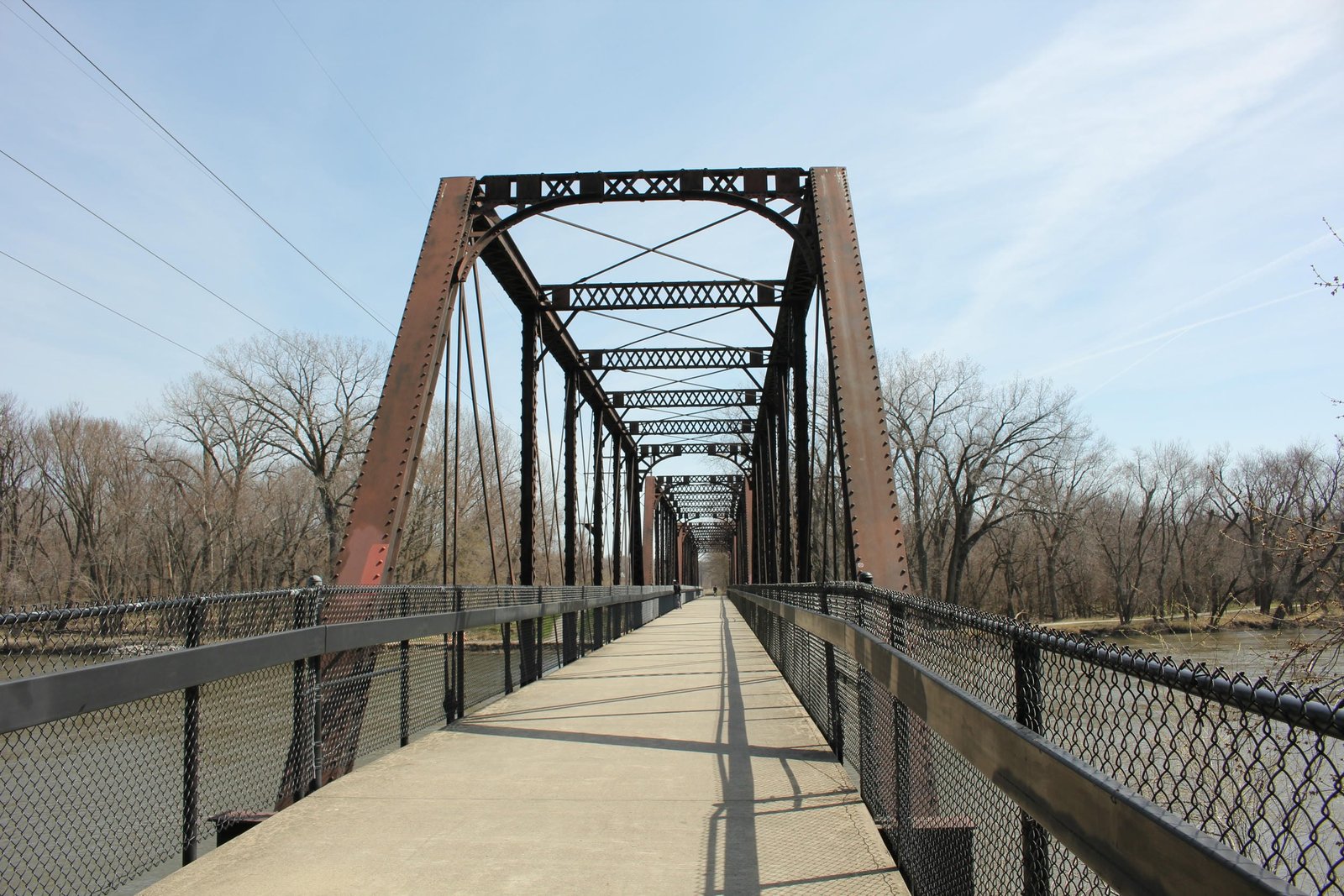
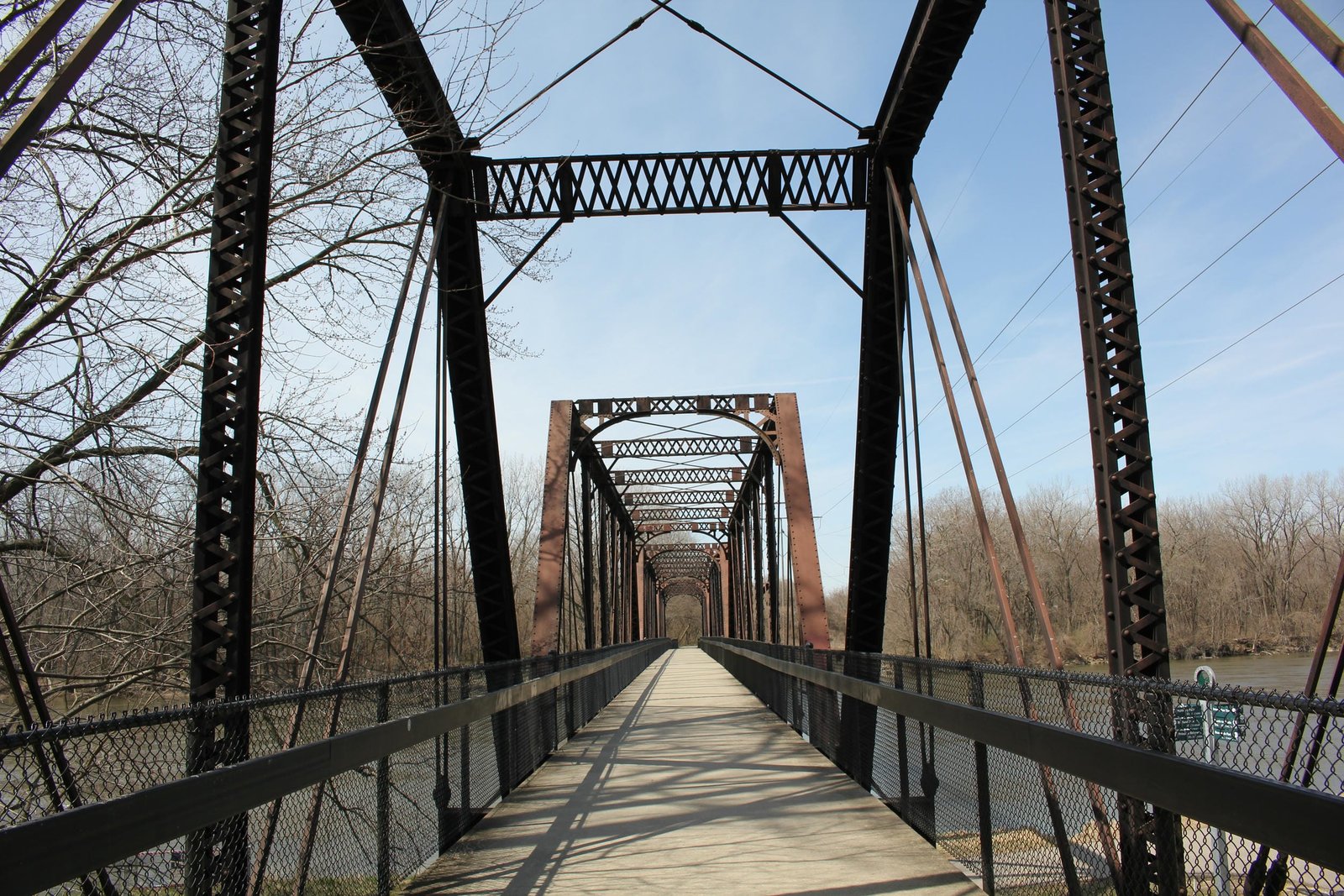
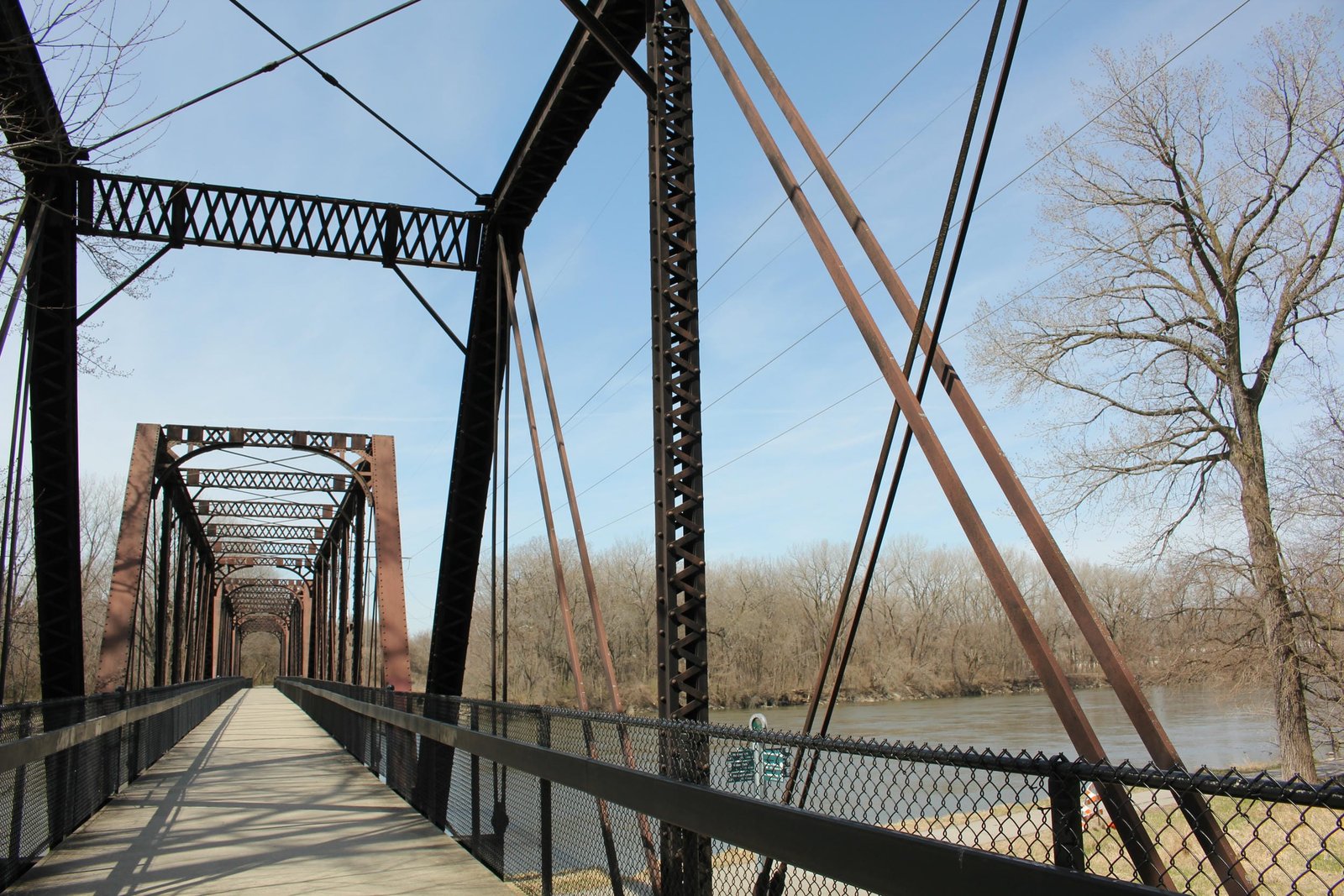
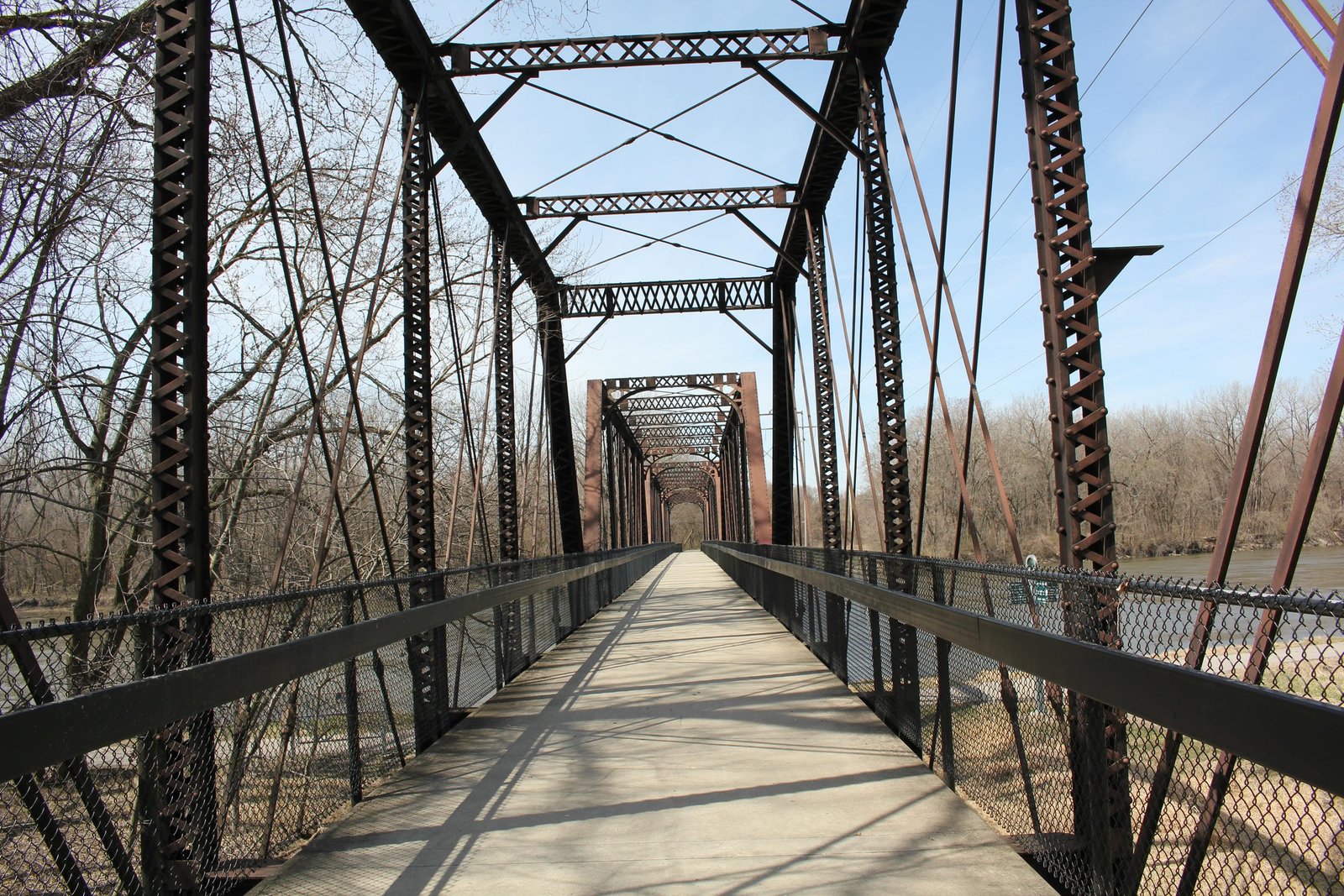
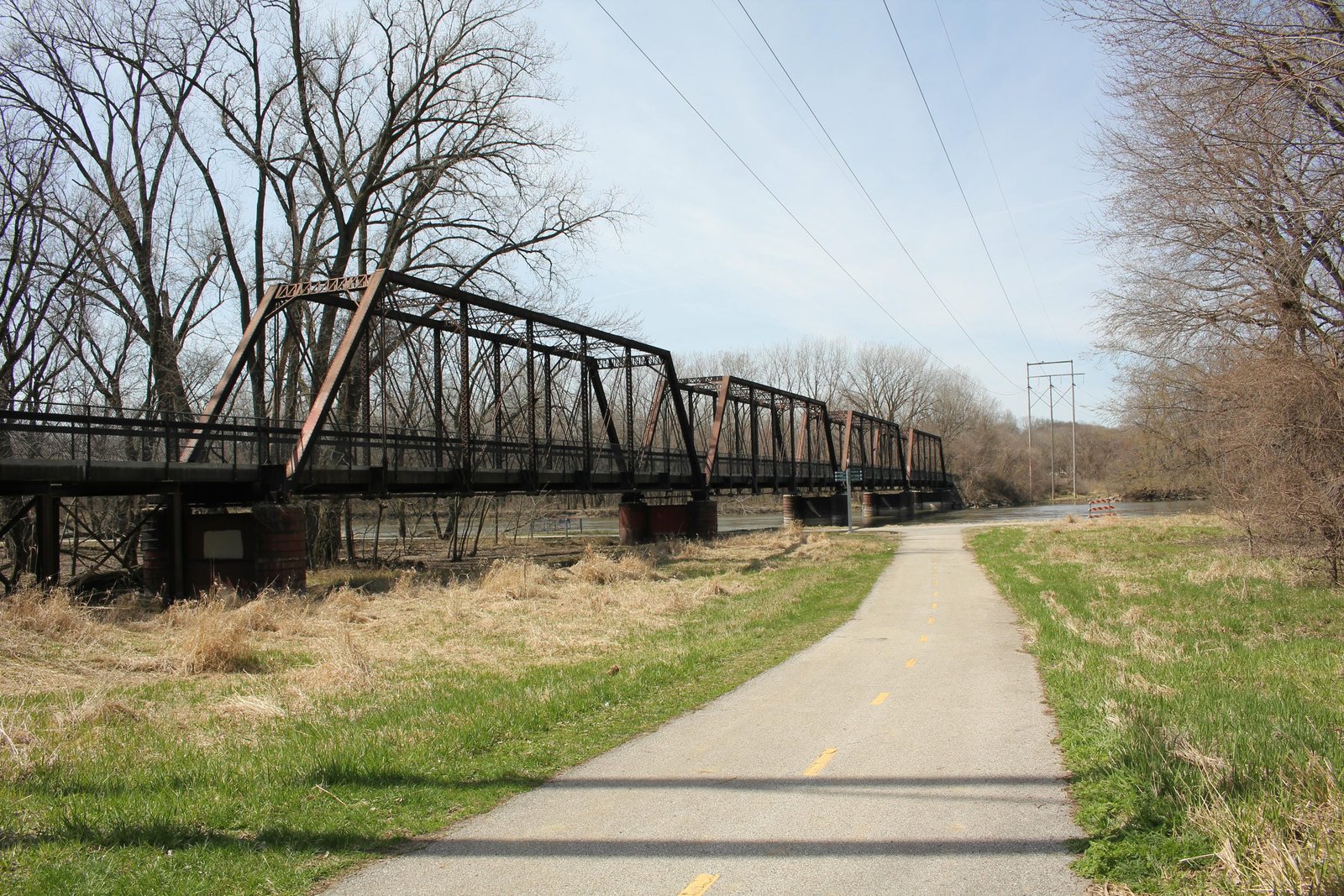
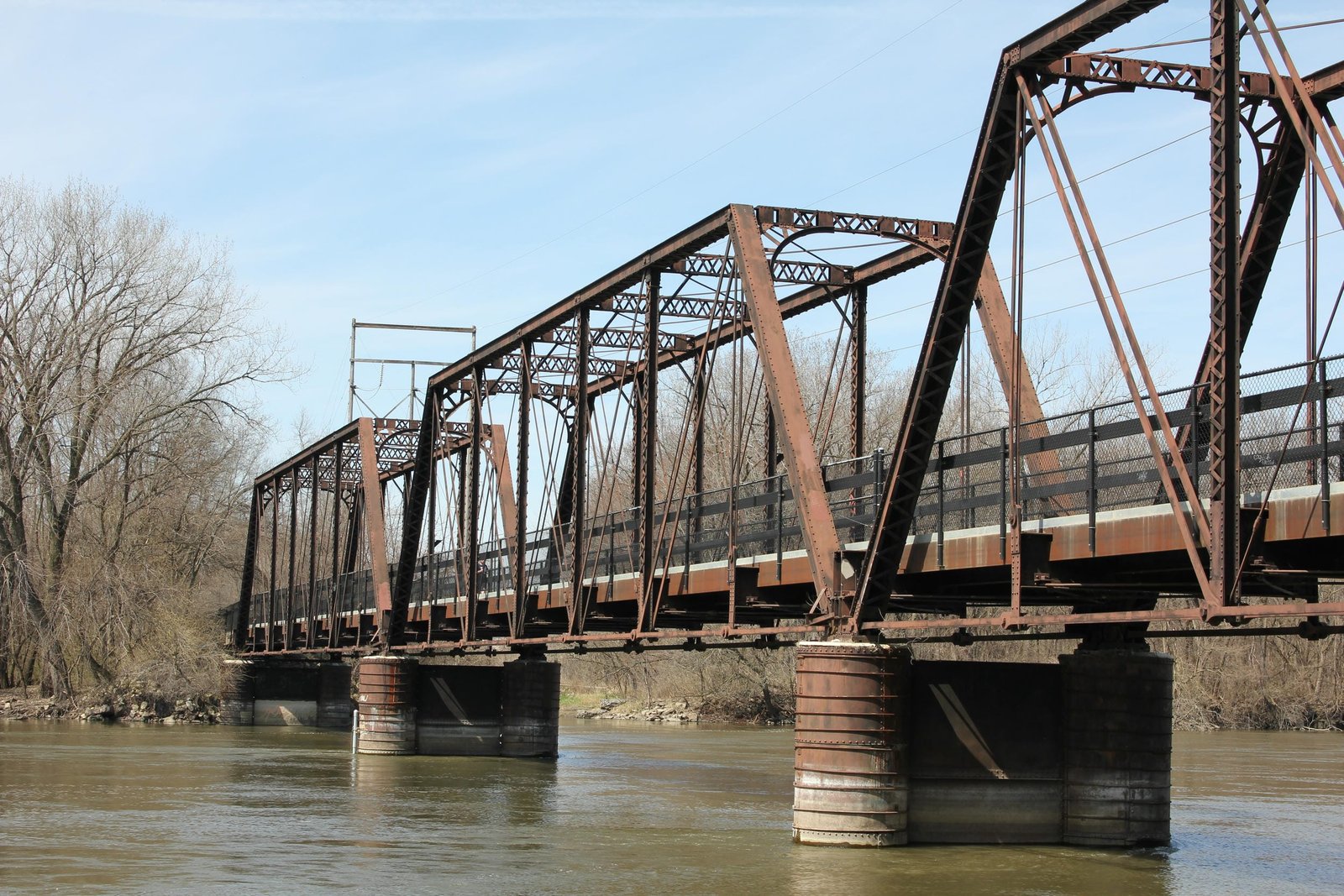
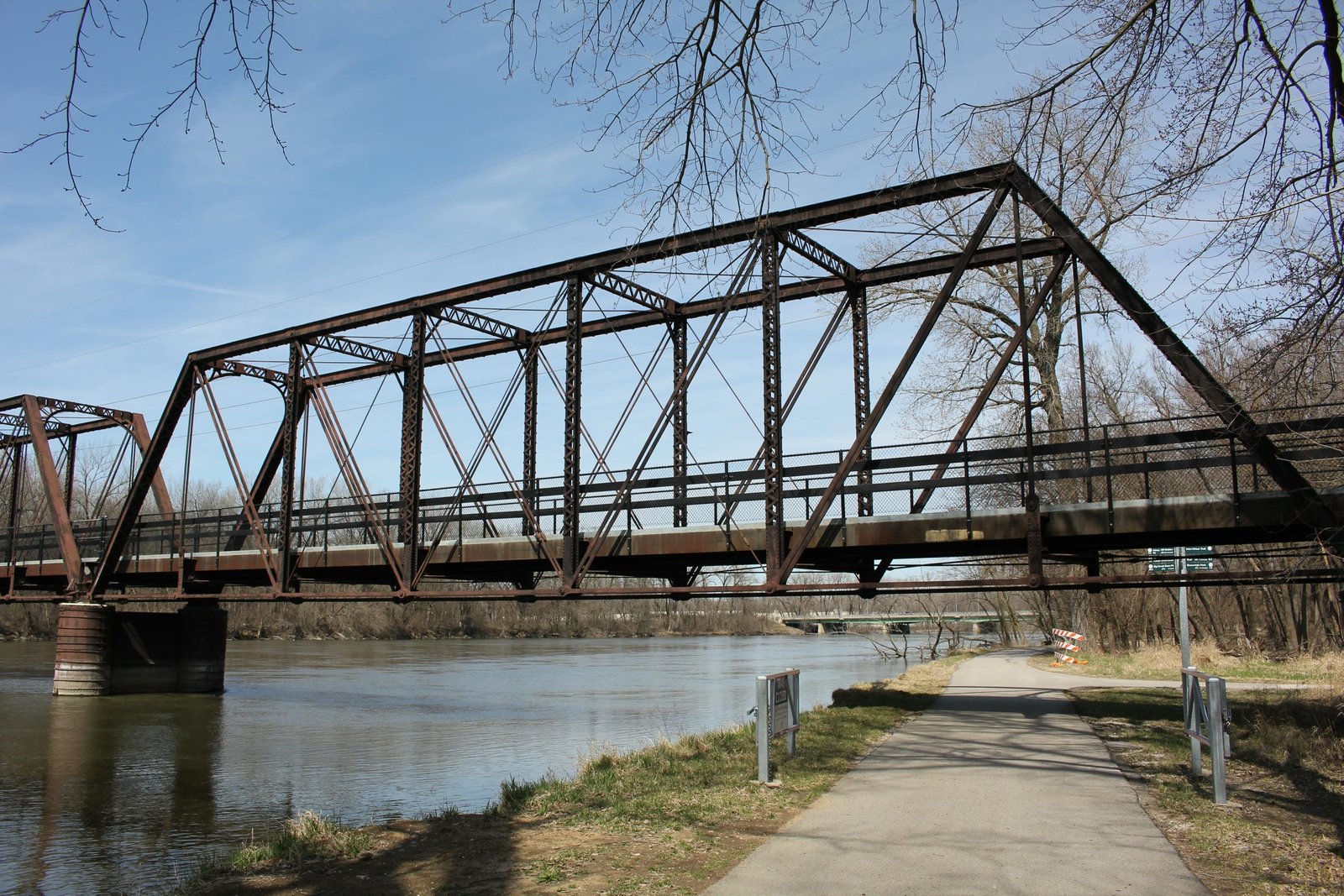
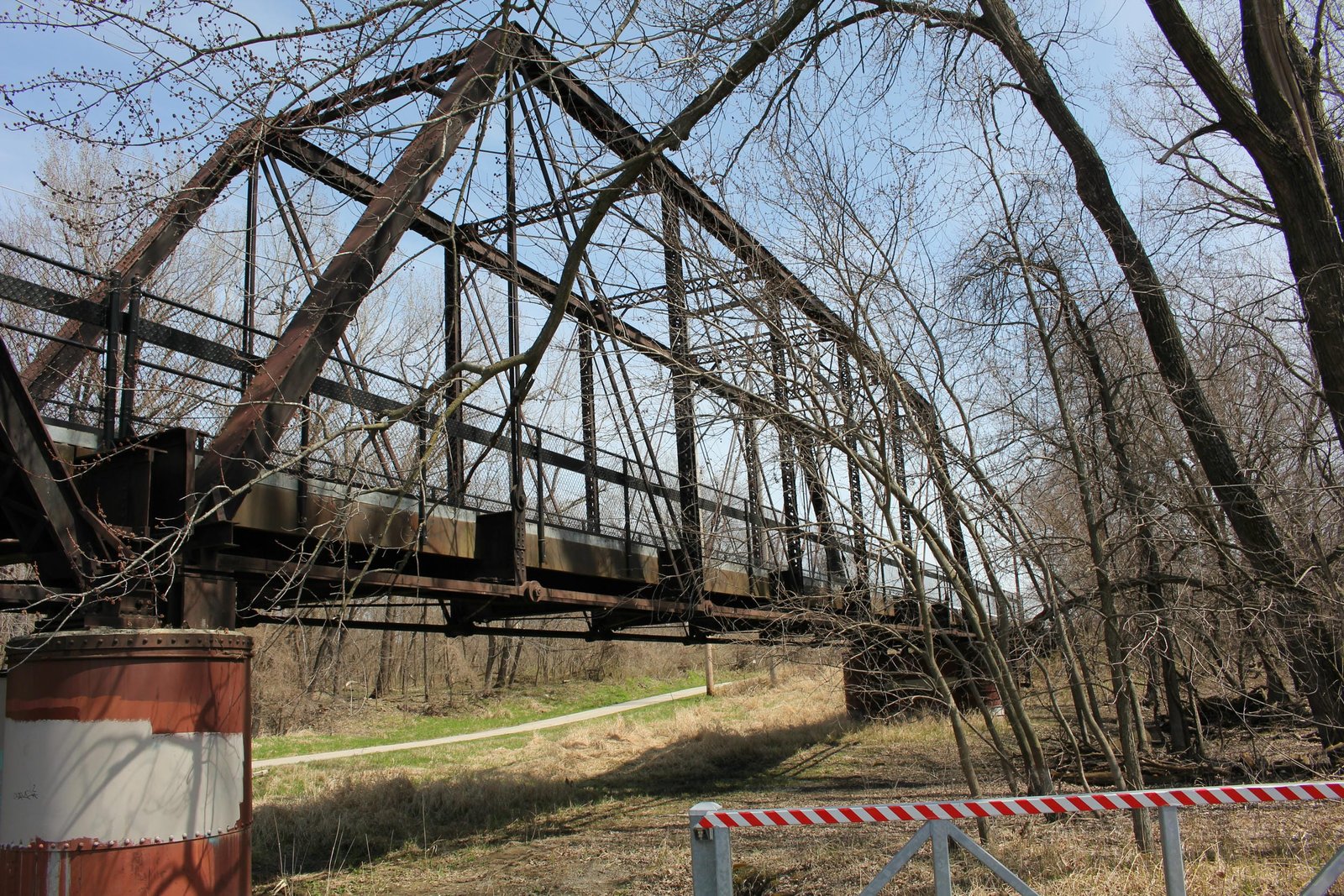
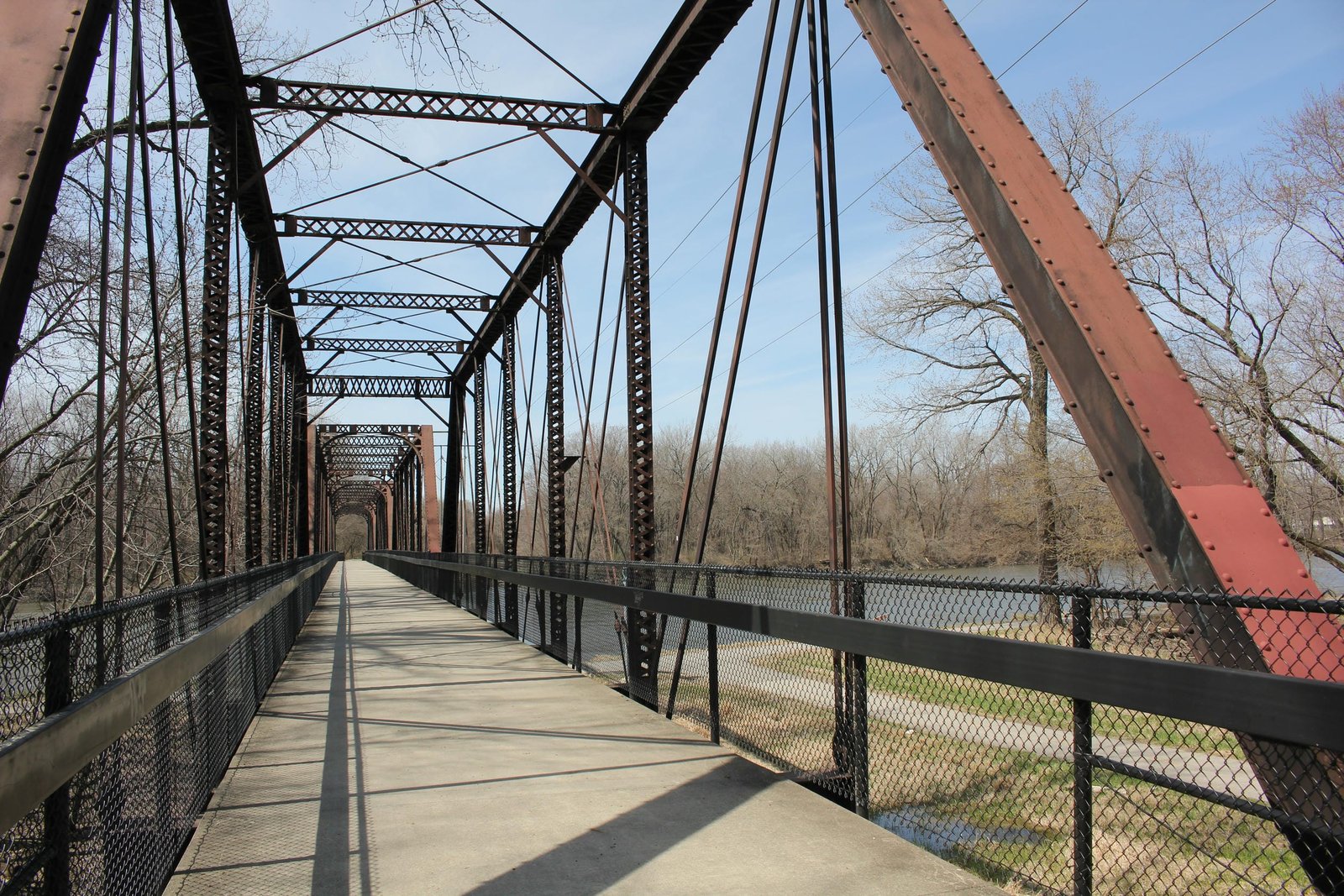
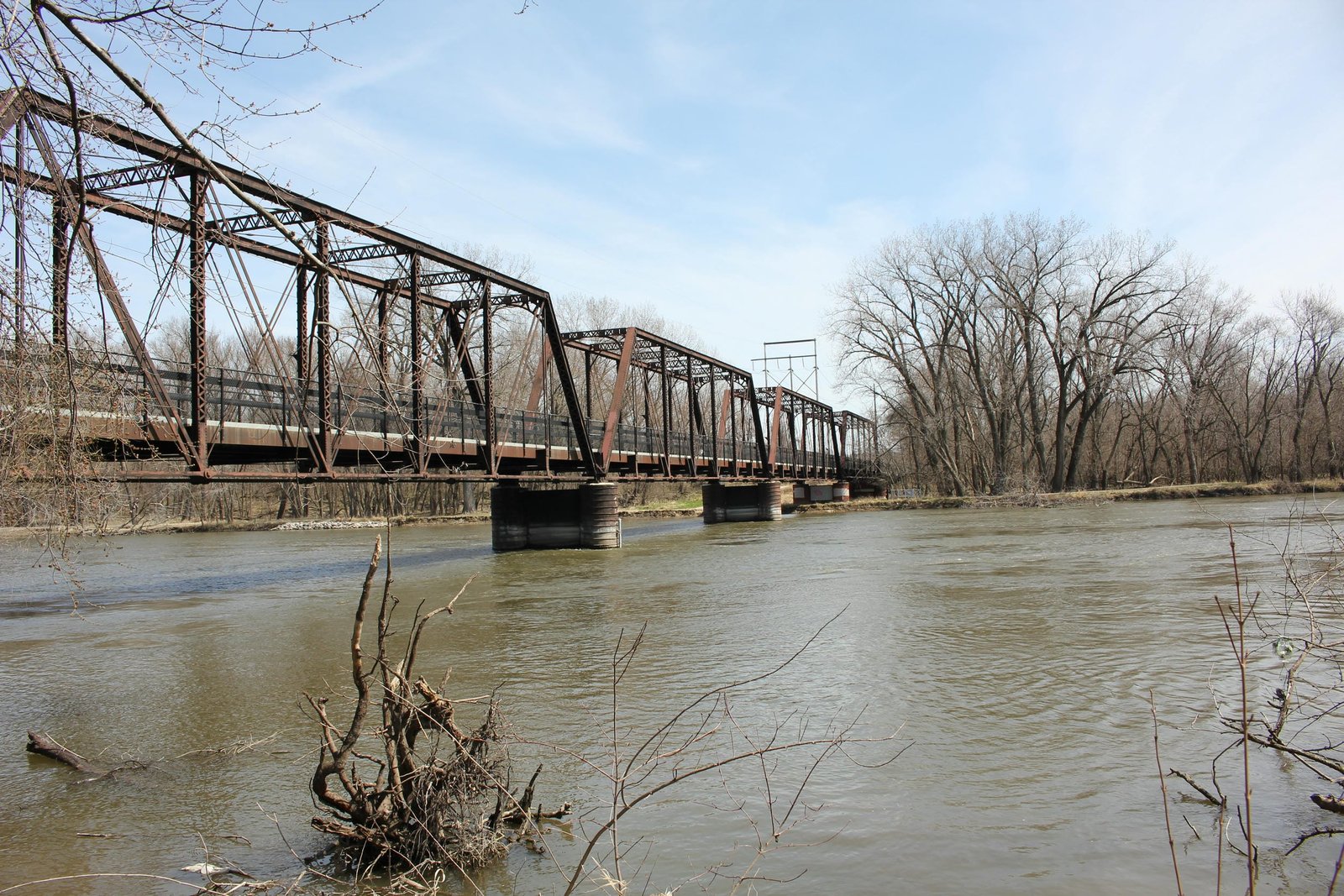
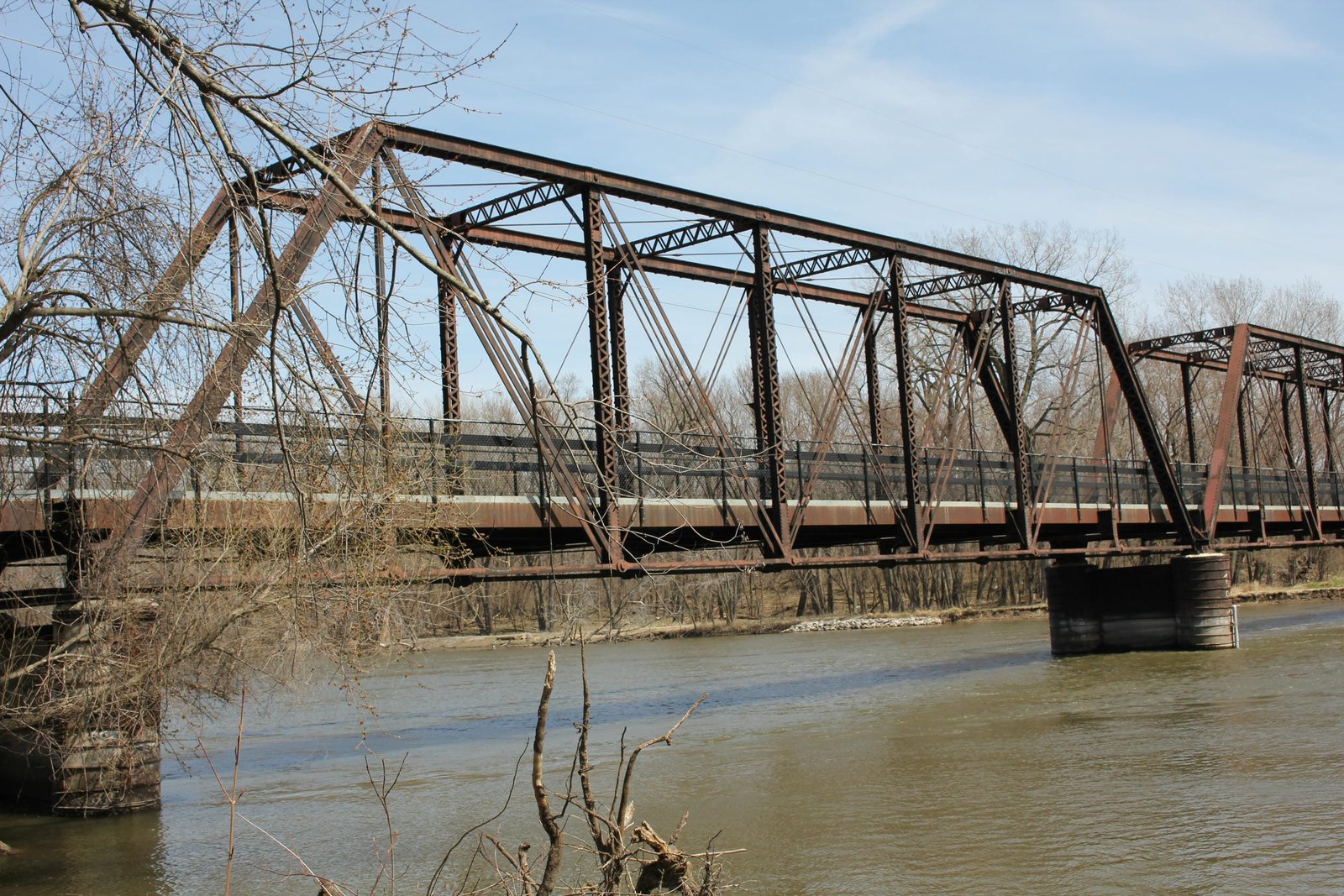
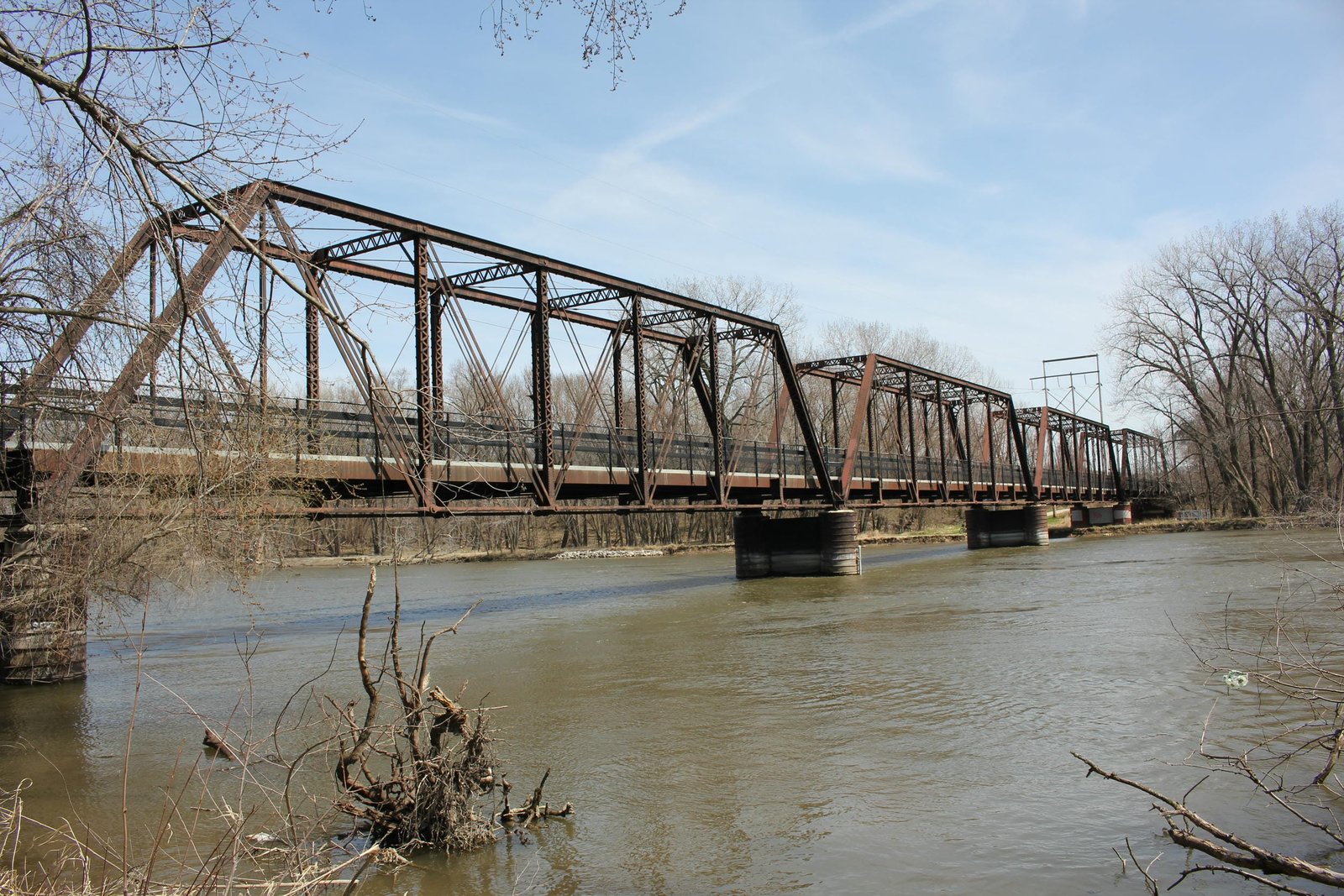
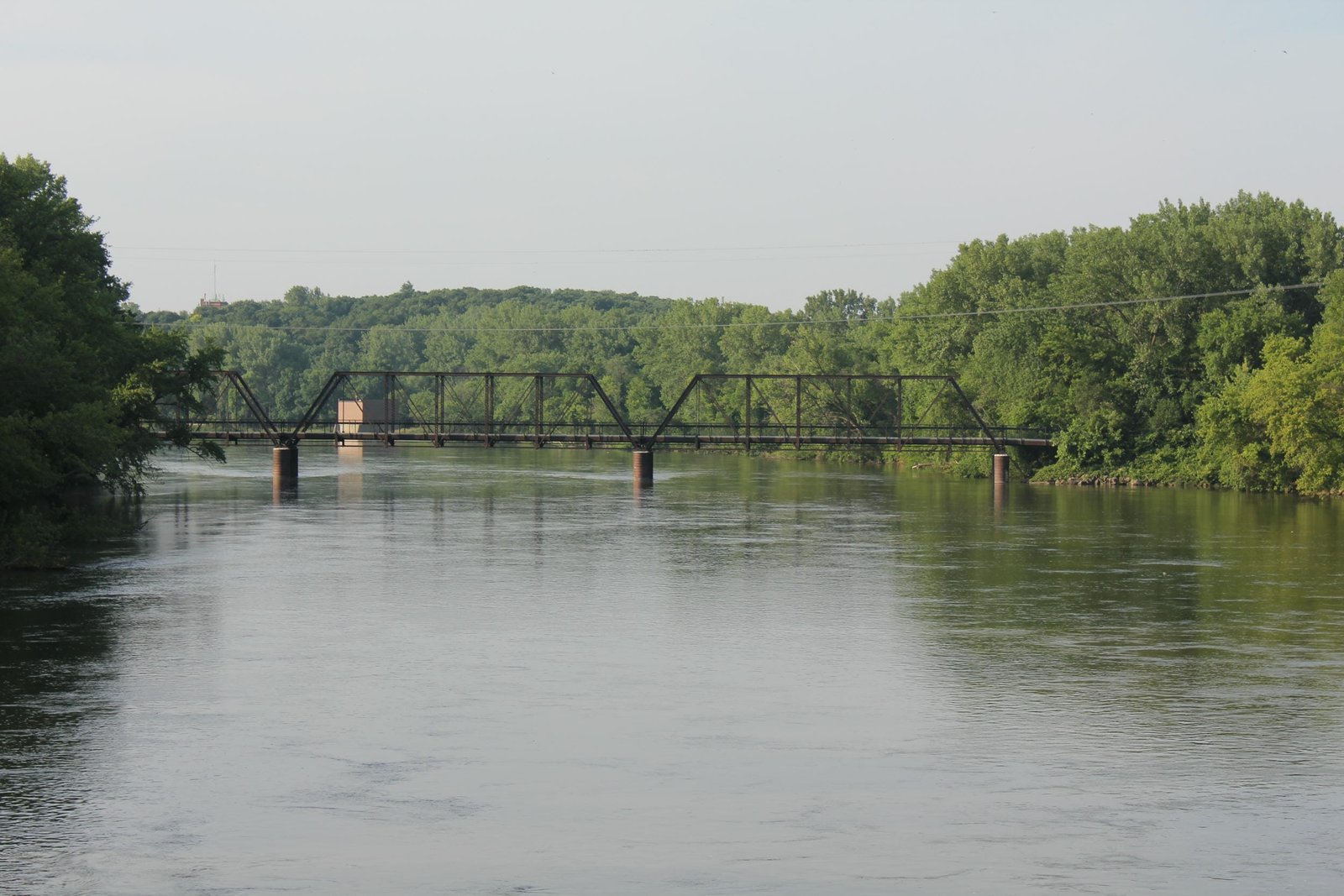
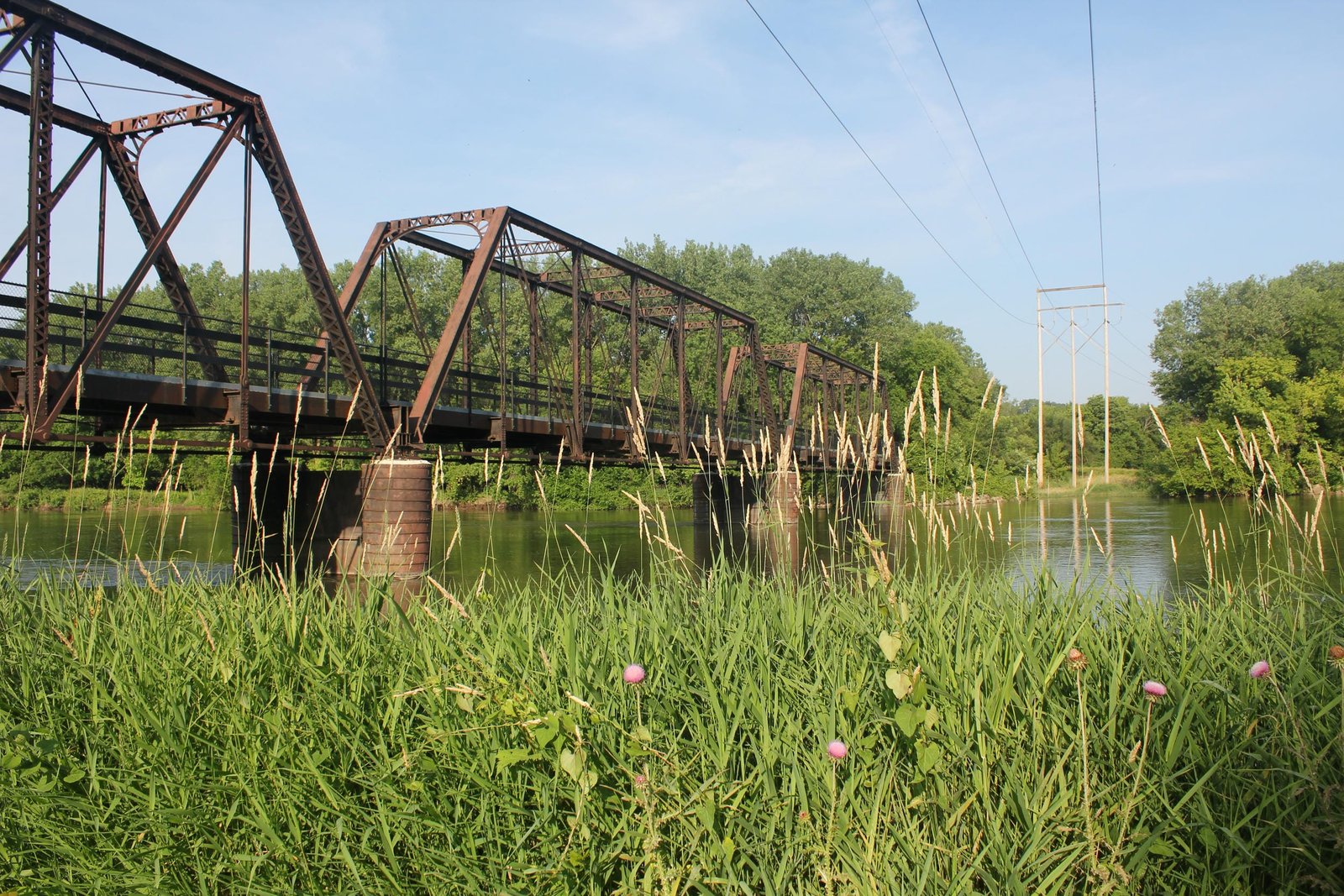
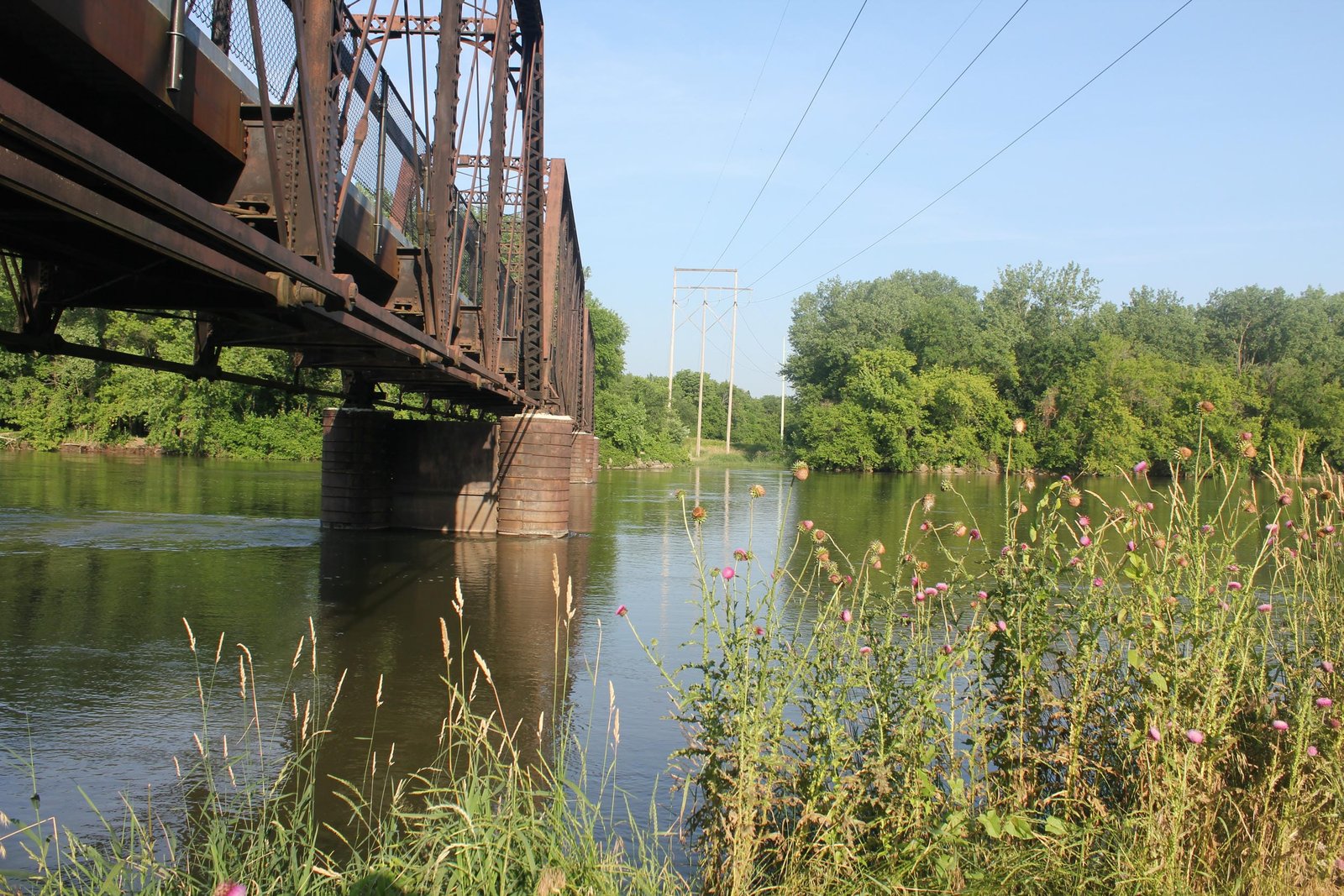
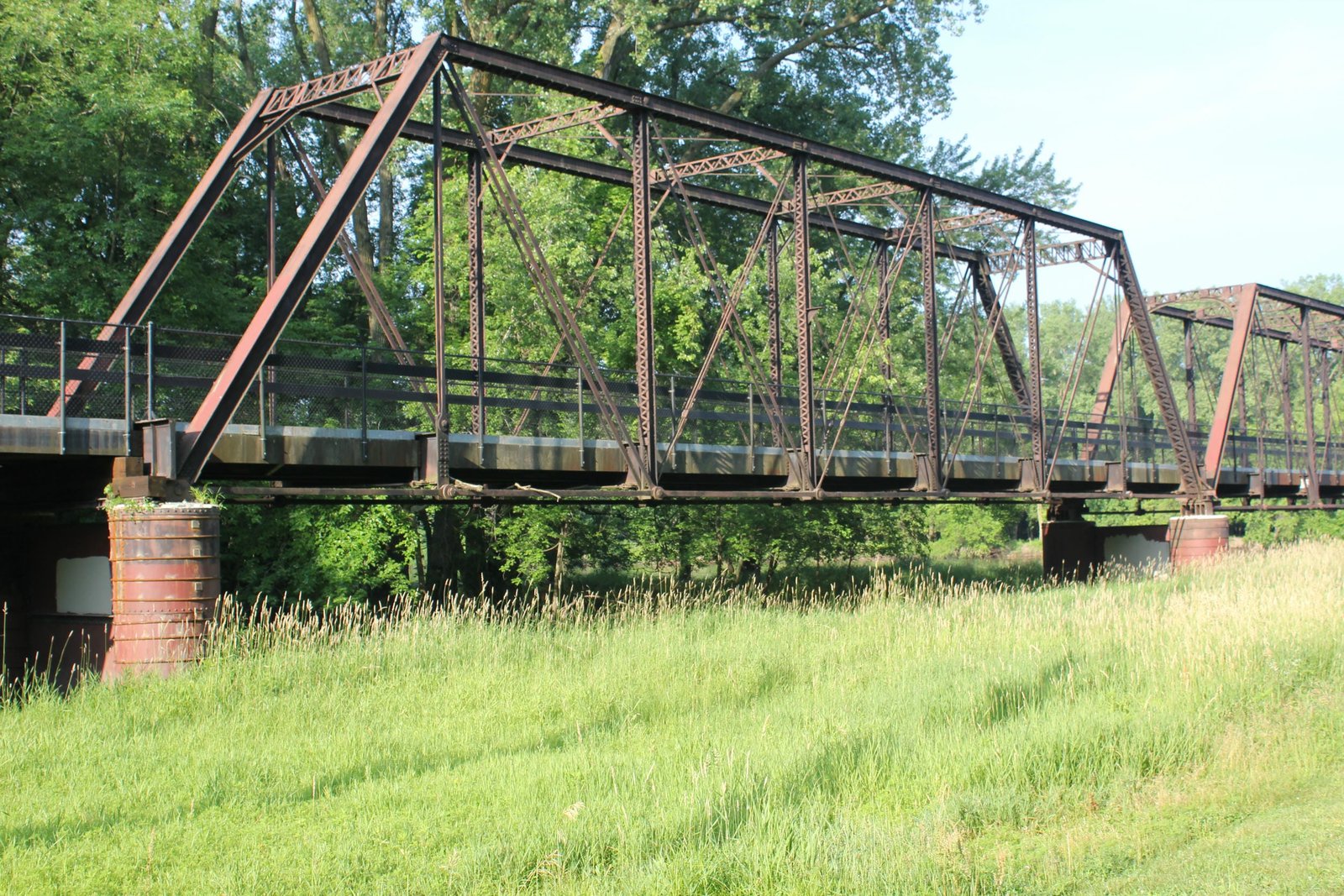
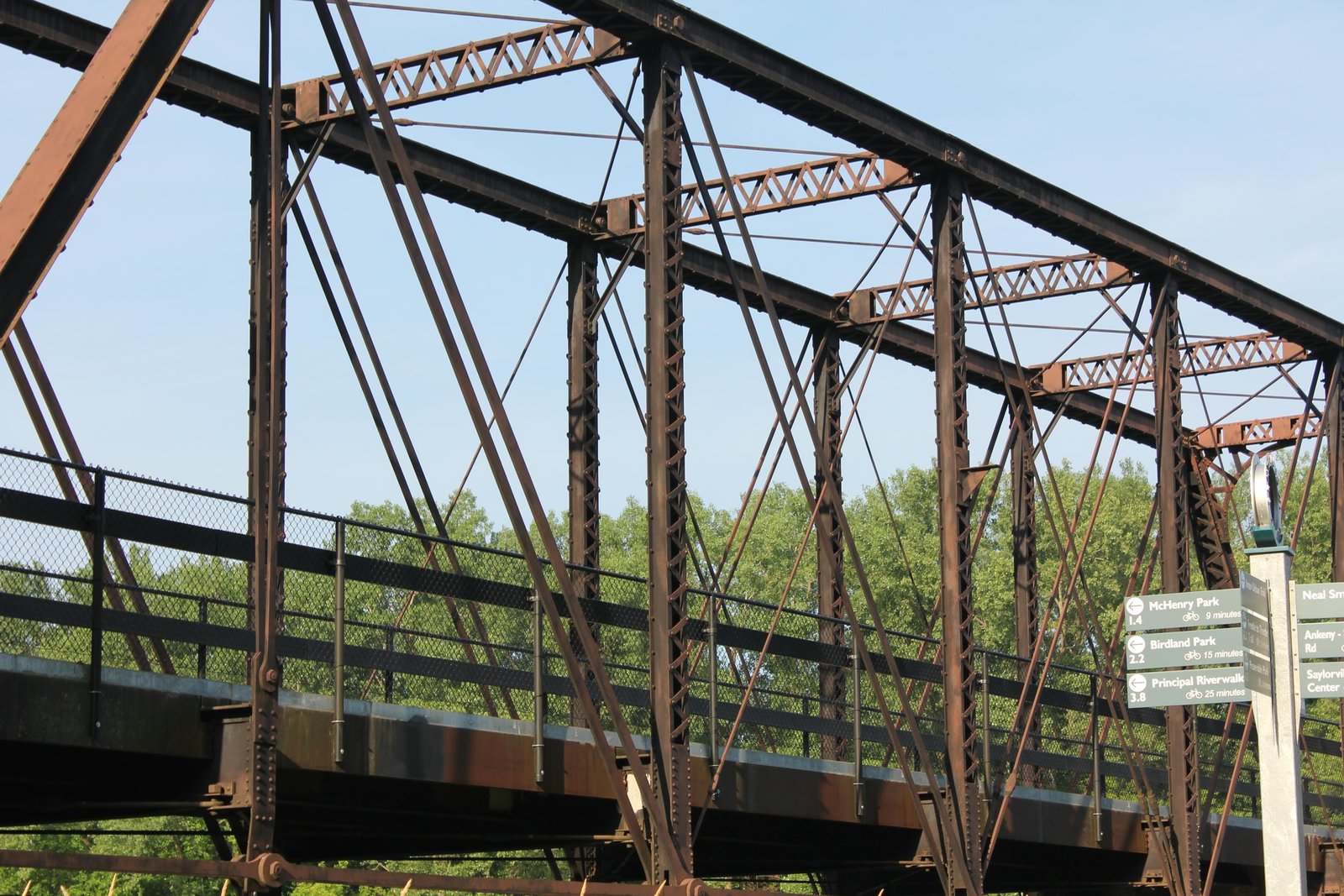
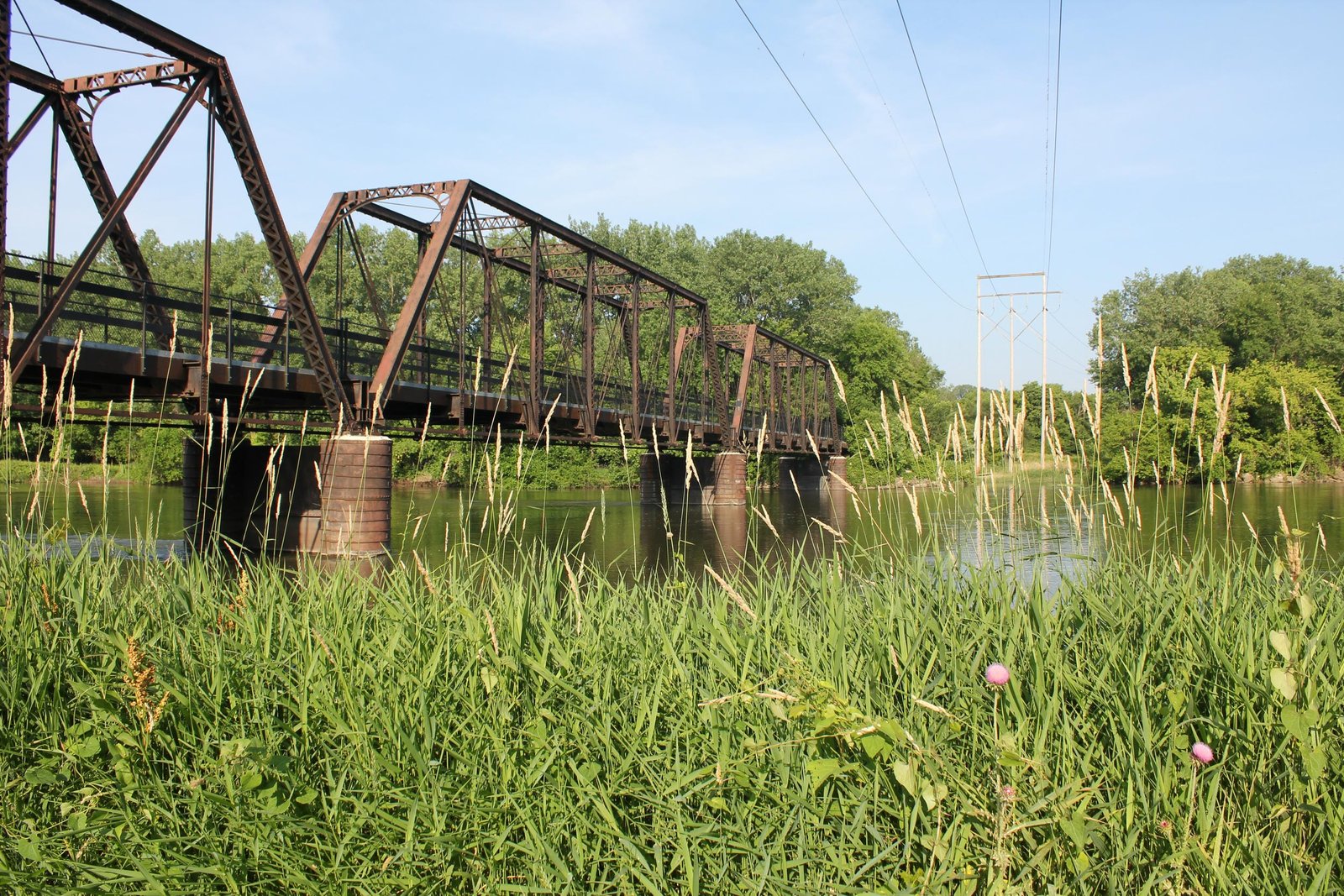
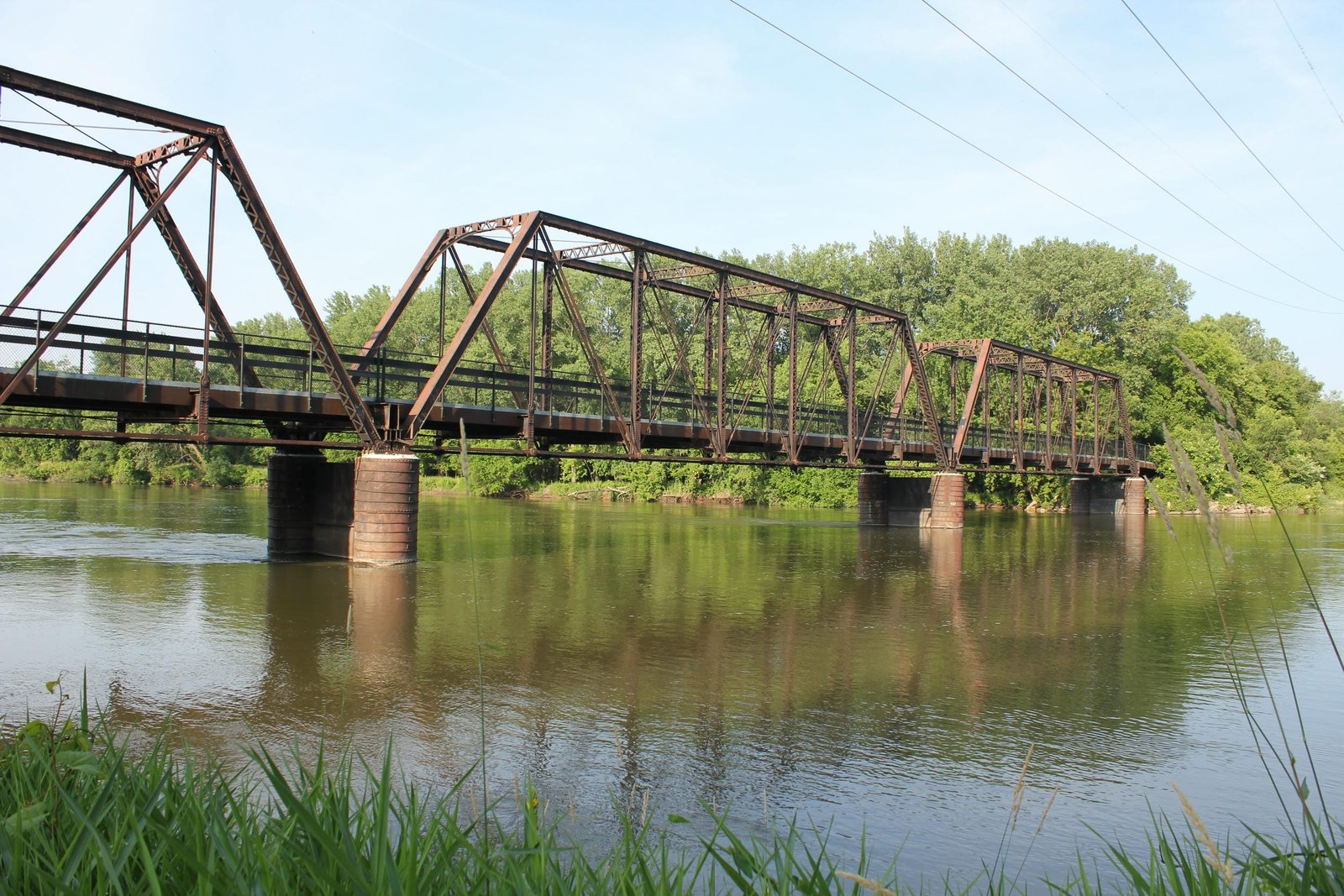
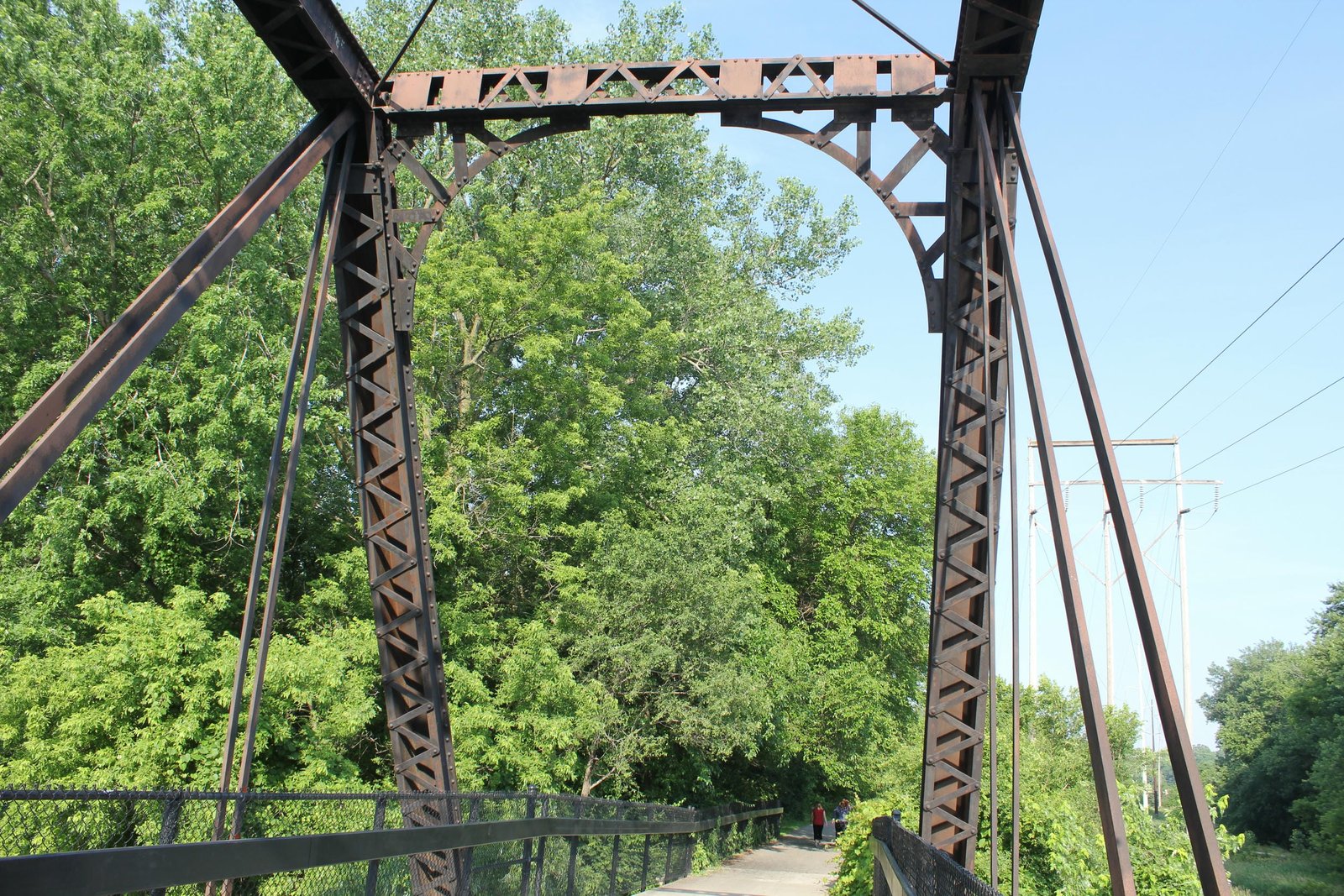
| Name | Inter-Urban Trail Bridge Wakonsa Bridge |
| Built By | Des Moines & Central Iowa Railway |
| Currently Owned By | City of Des Moines |
| Superstructure Contractor | Unknown |
| Substructure Contractor | Unknown |
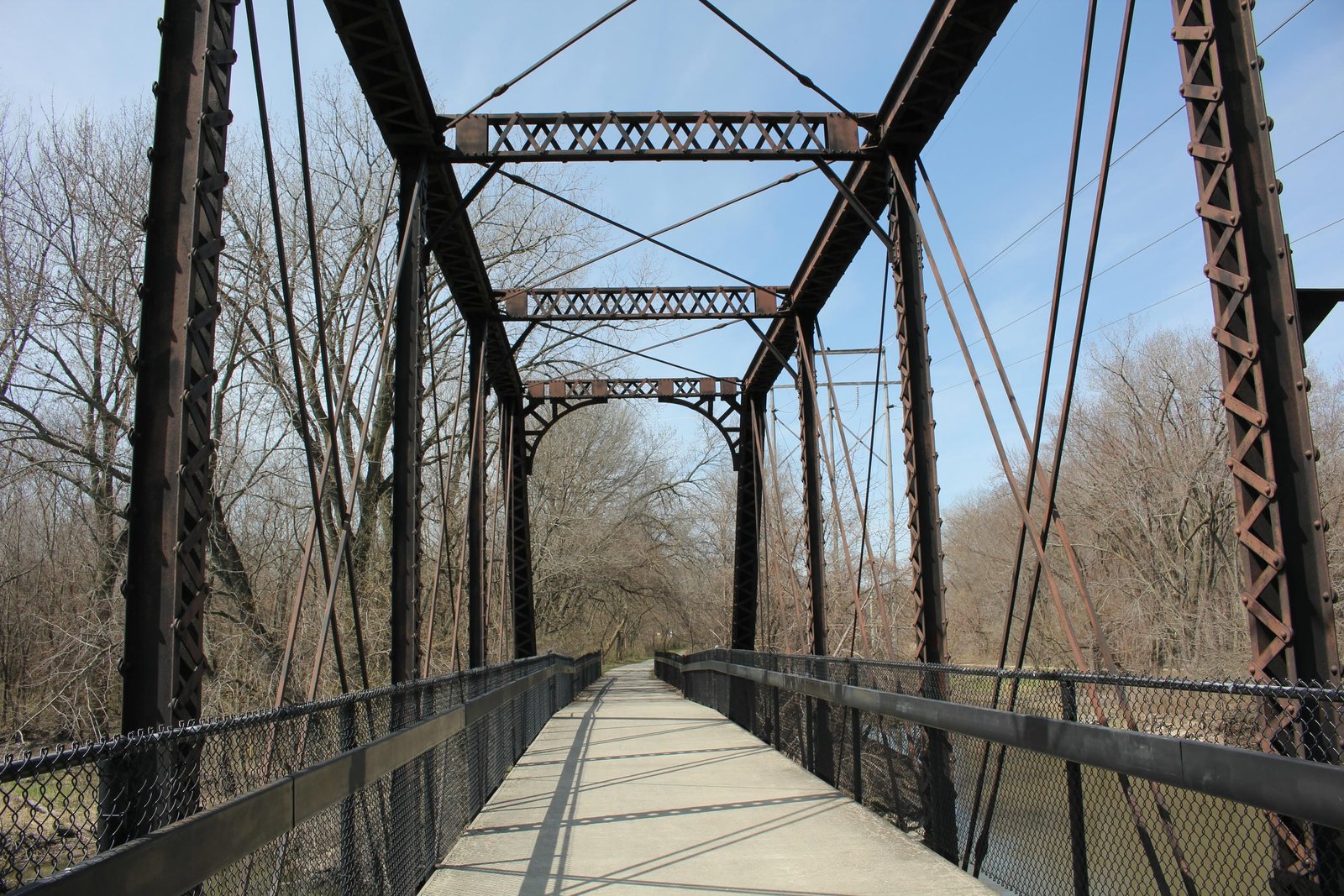
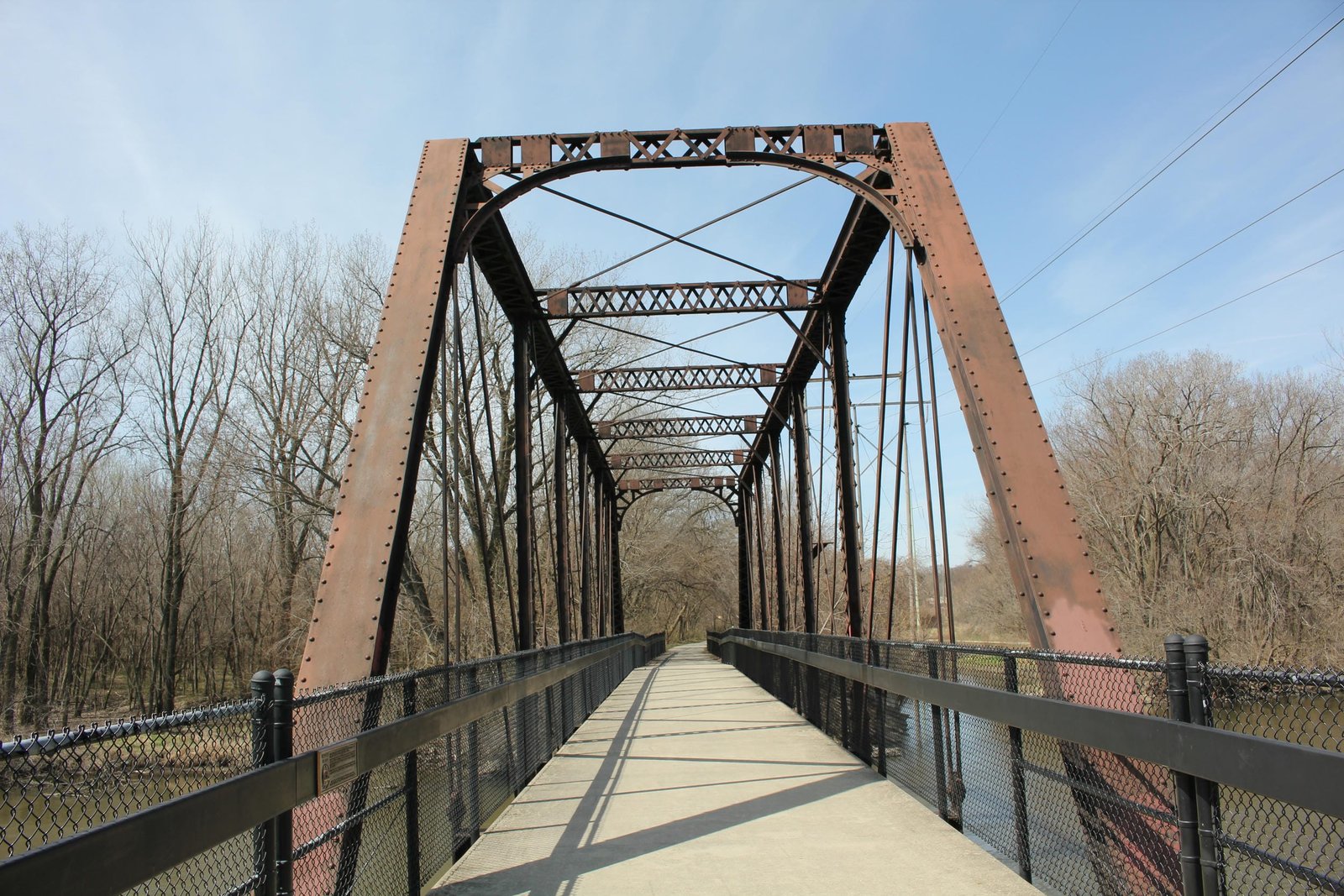
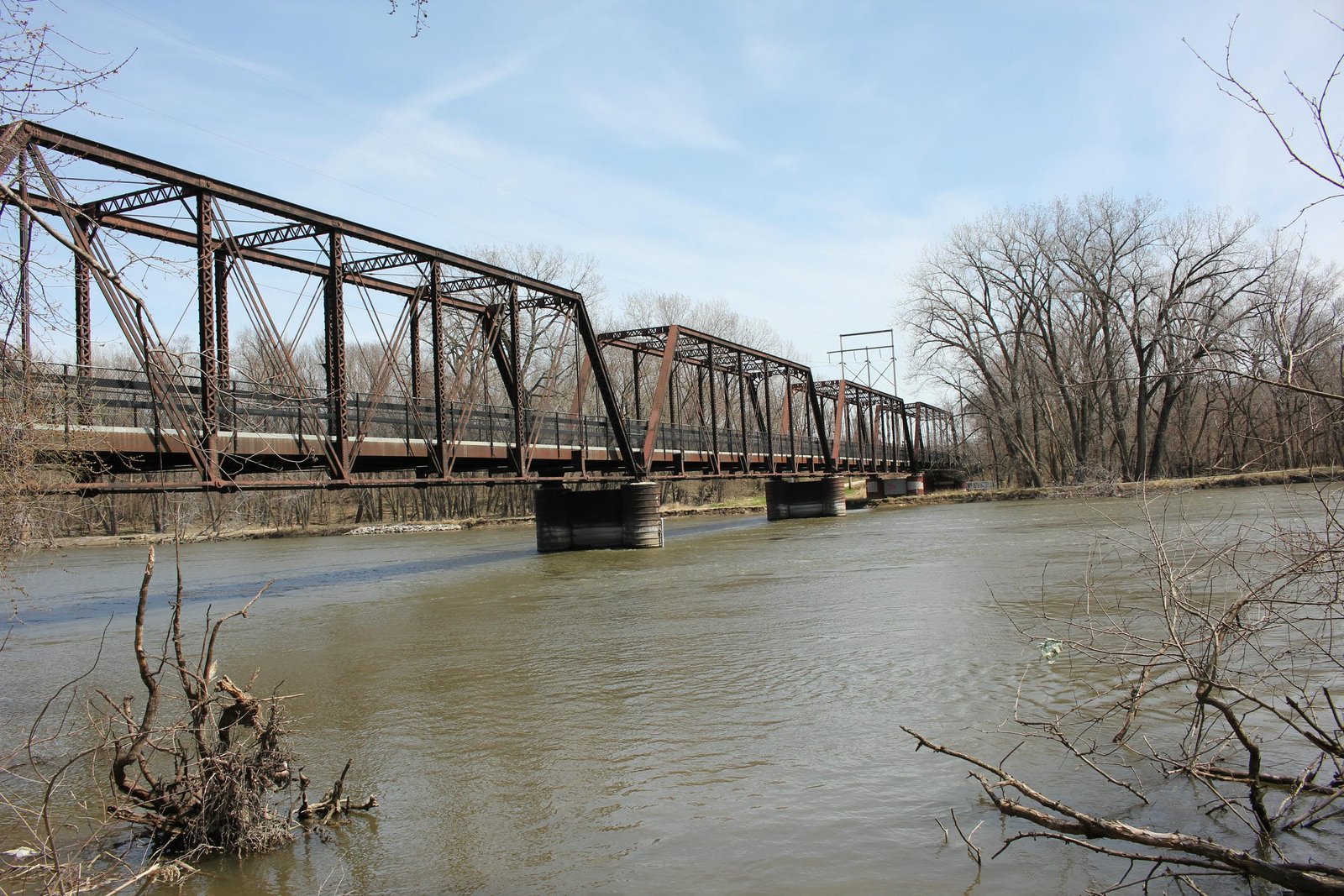
| Length | 622 Feet Total, 125 Foot Main Spans |
| Width | 1 Track |
| Height Above Ground | 15 Feet (Estimated) |
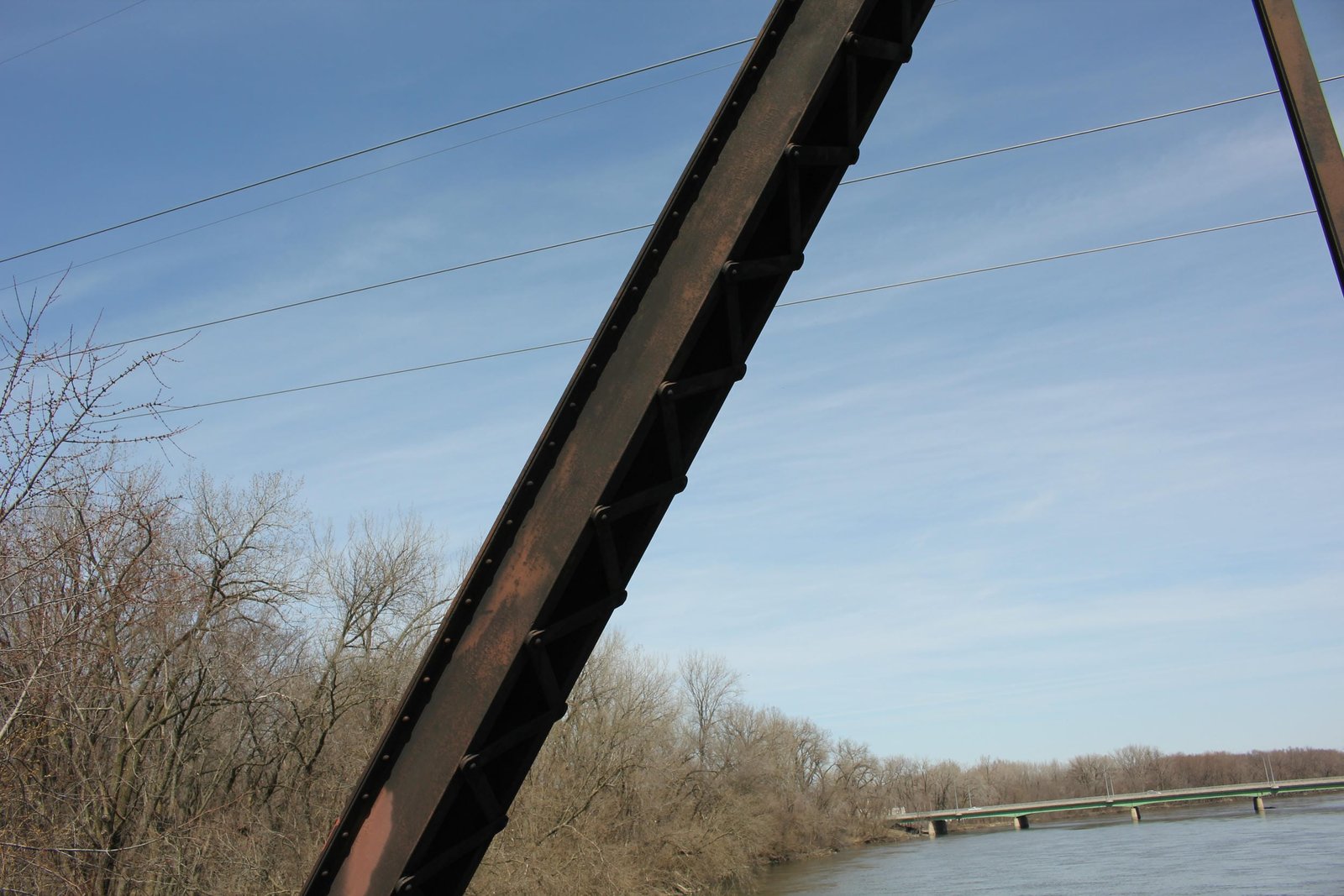
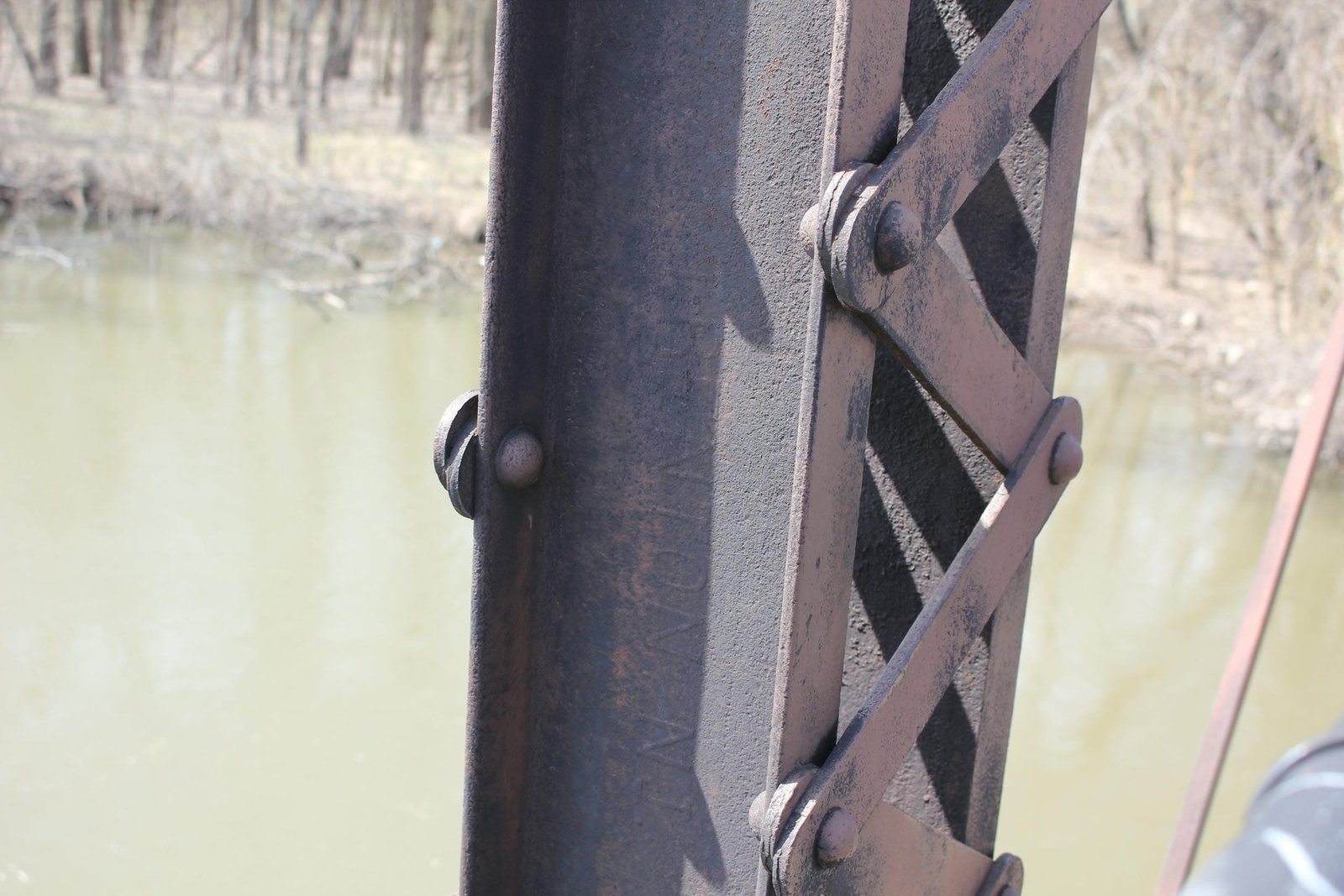
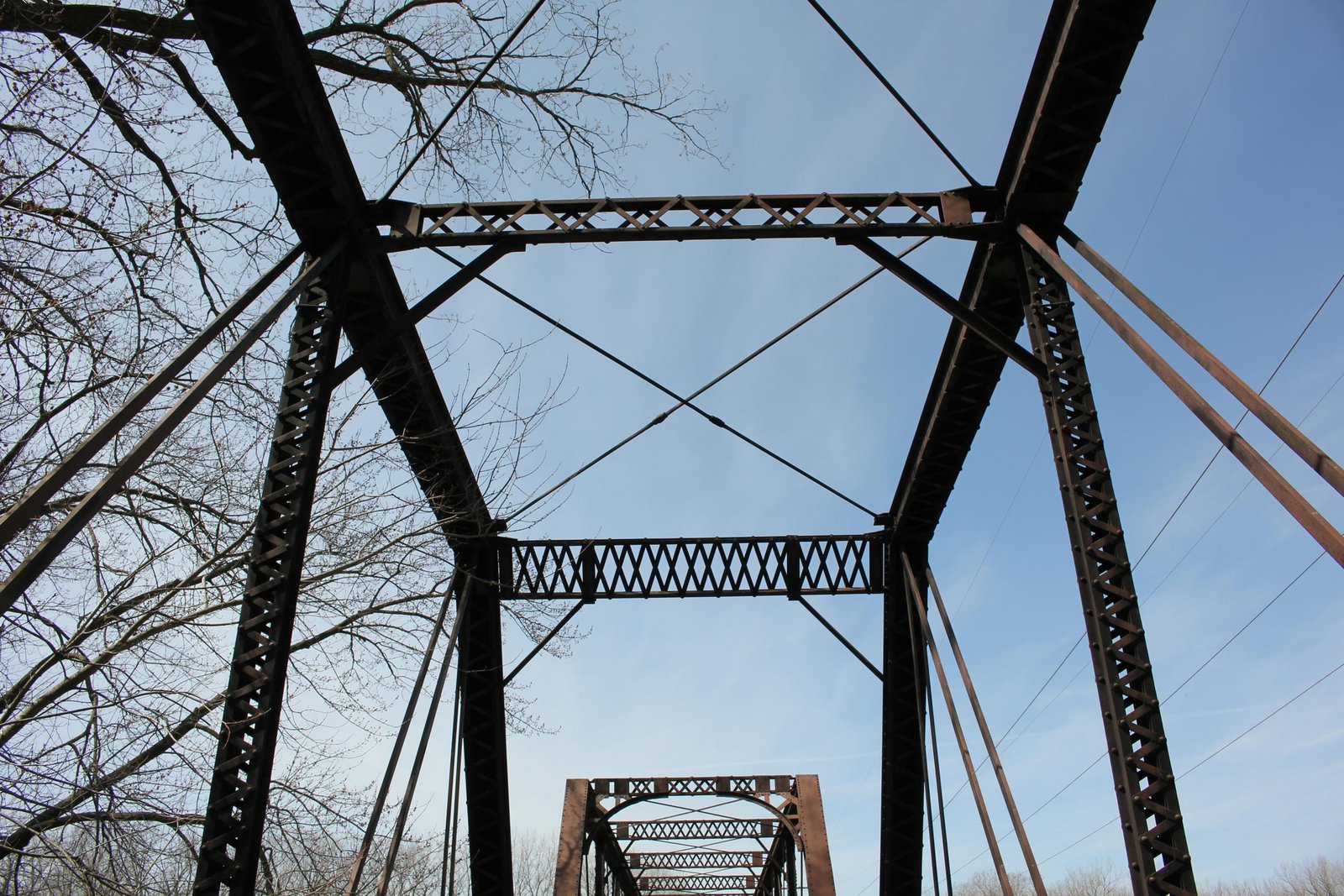
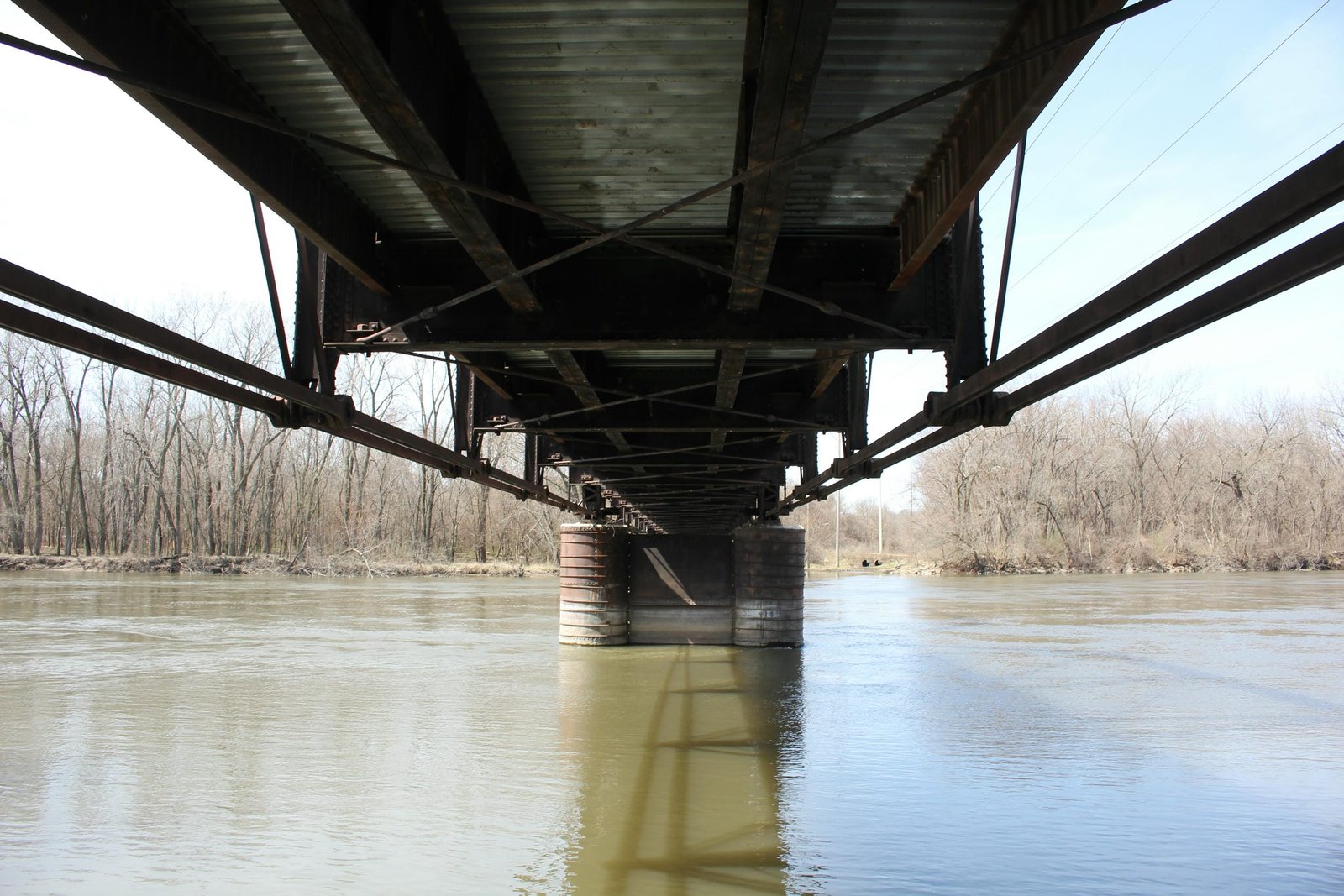
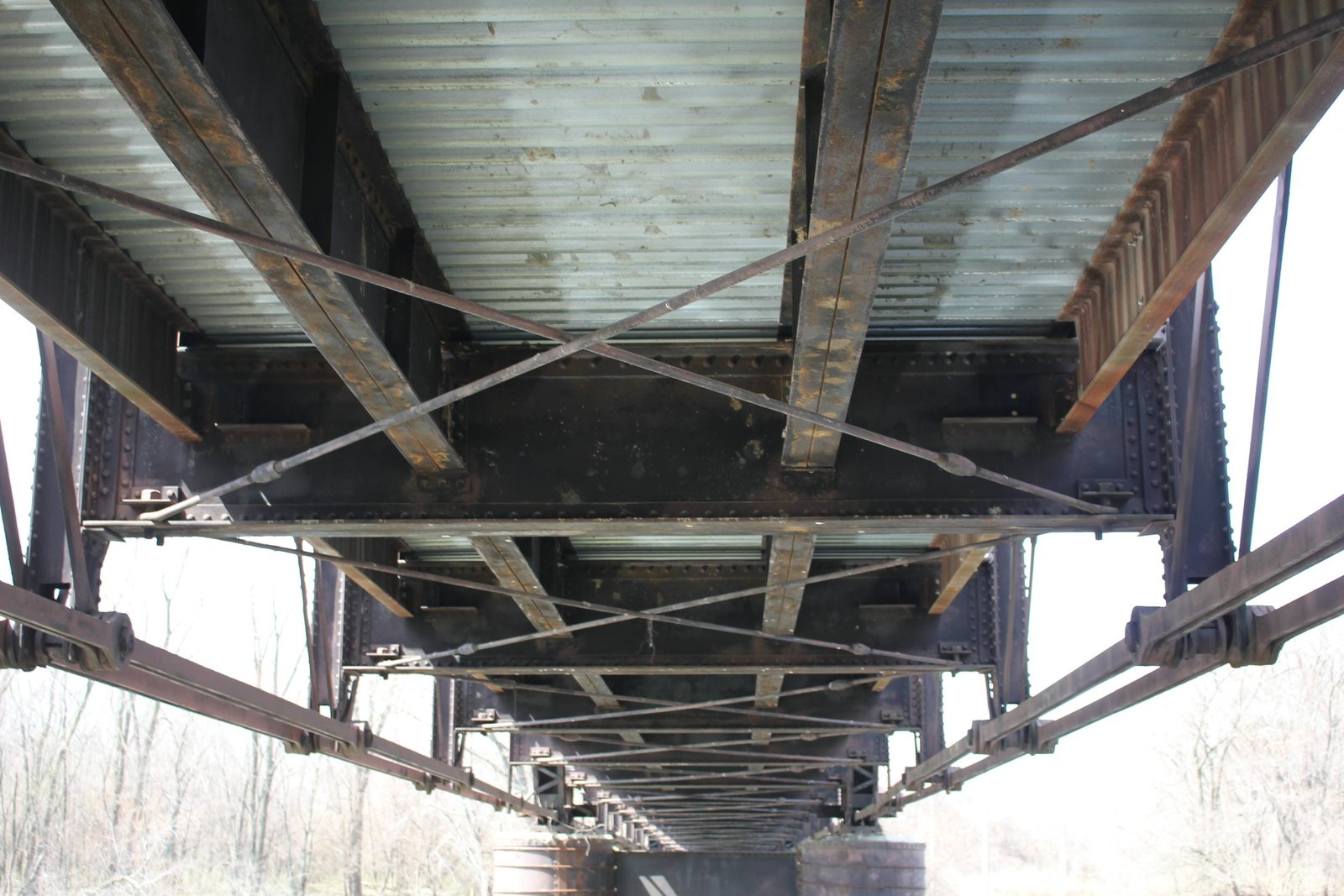
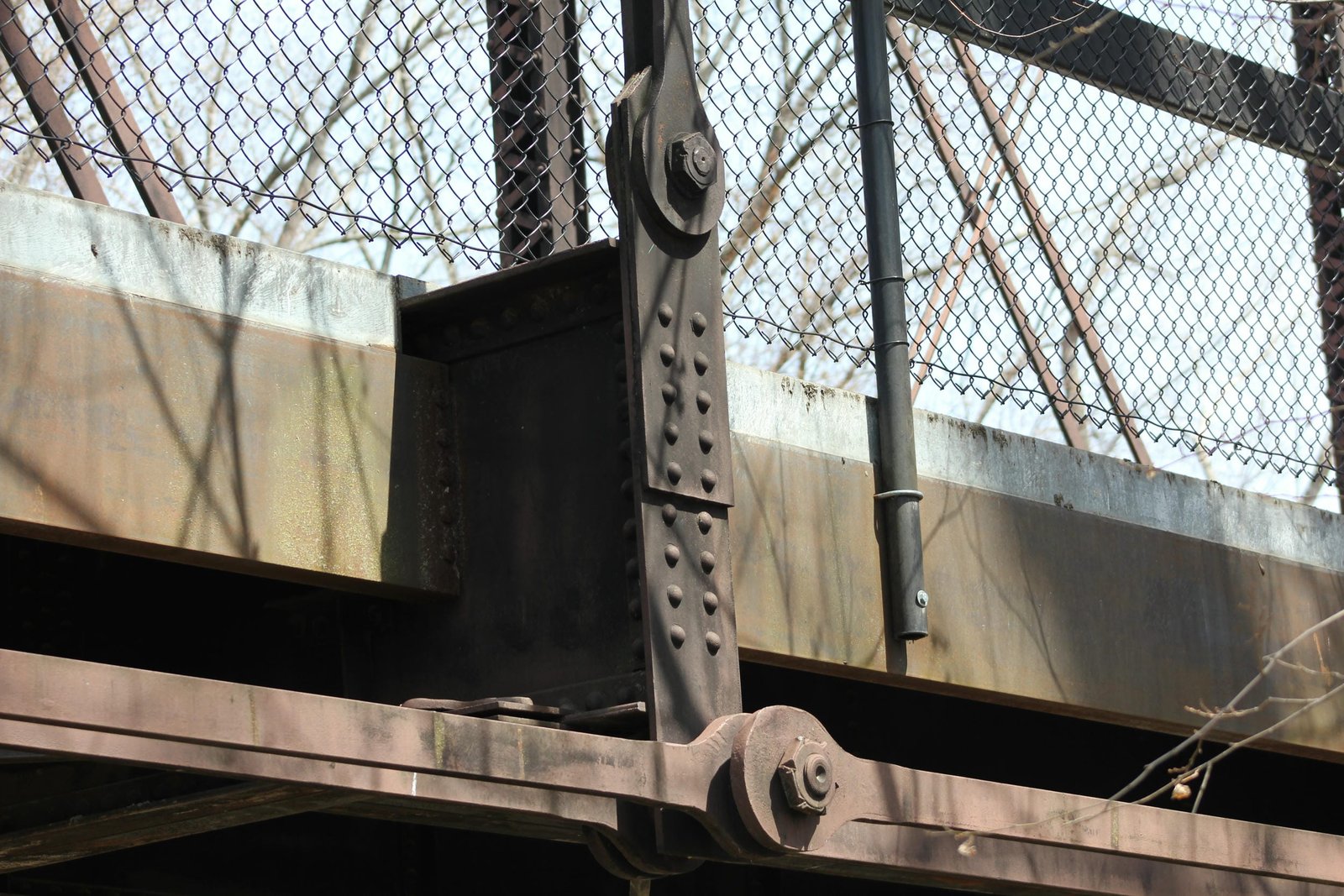
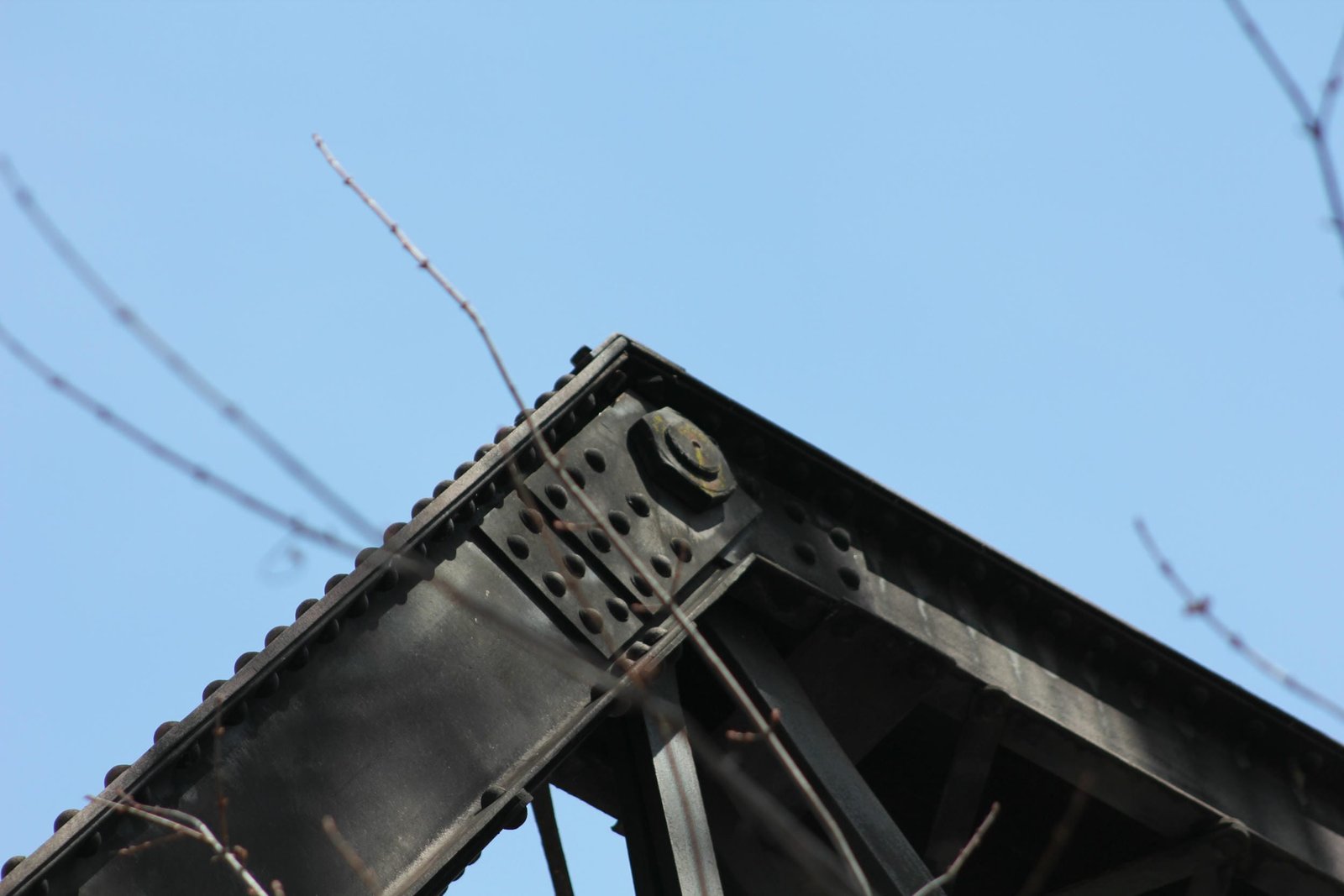
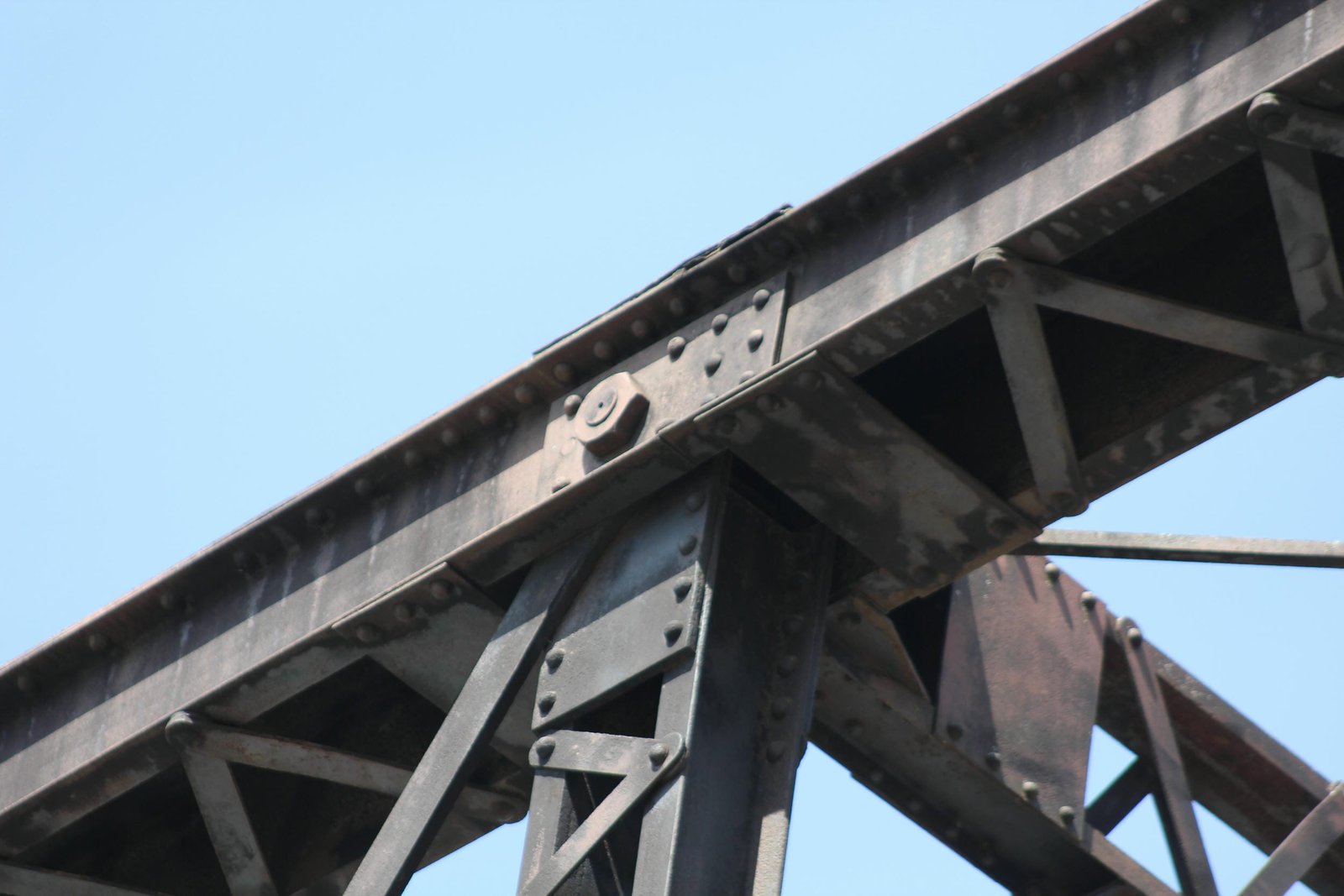
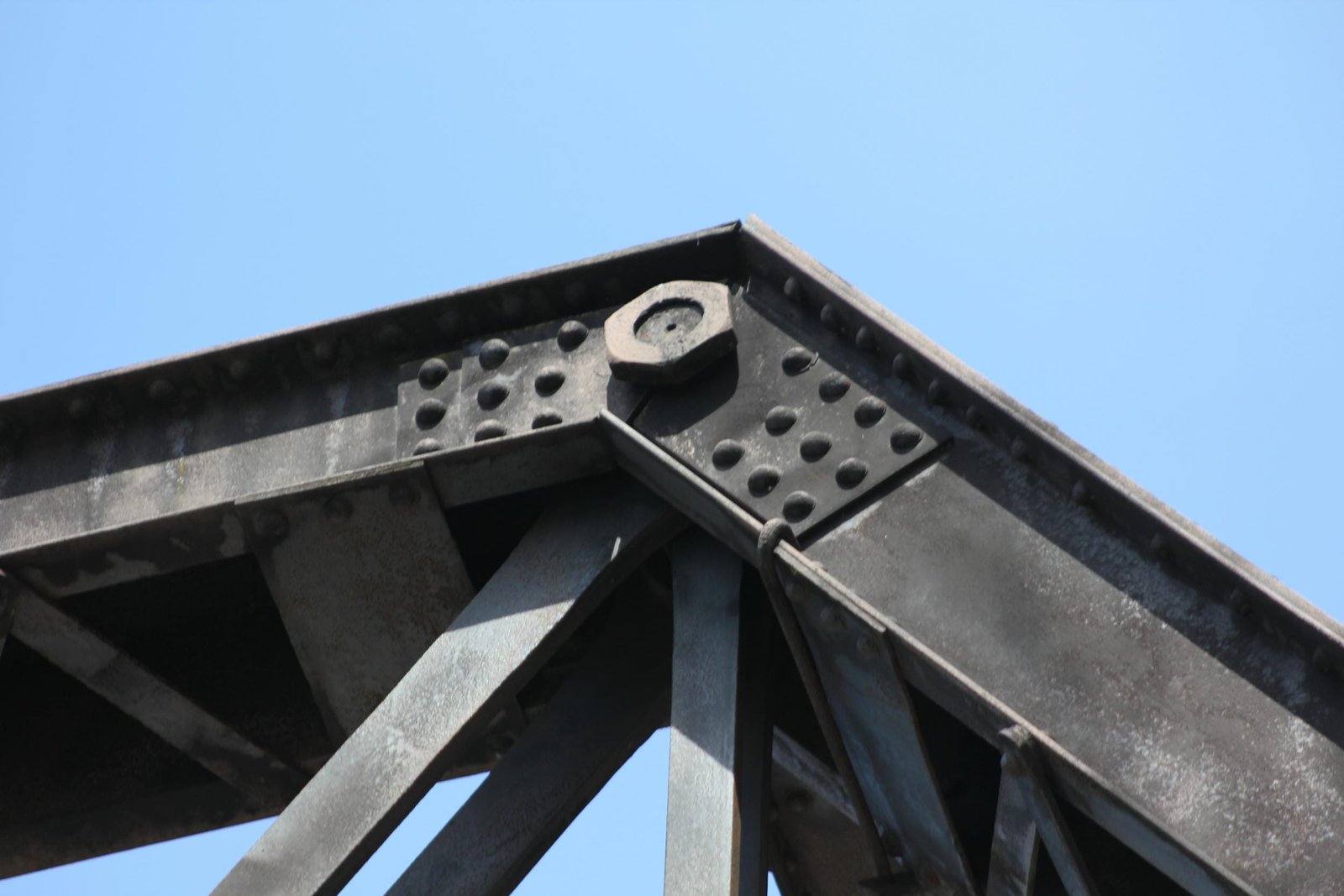
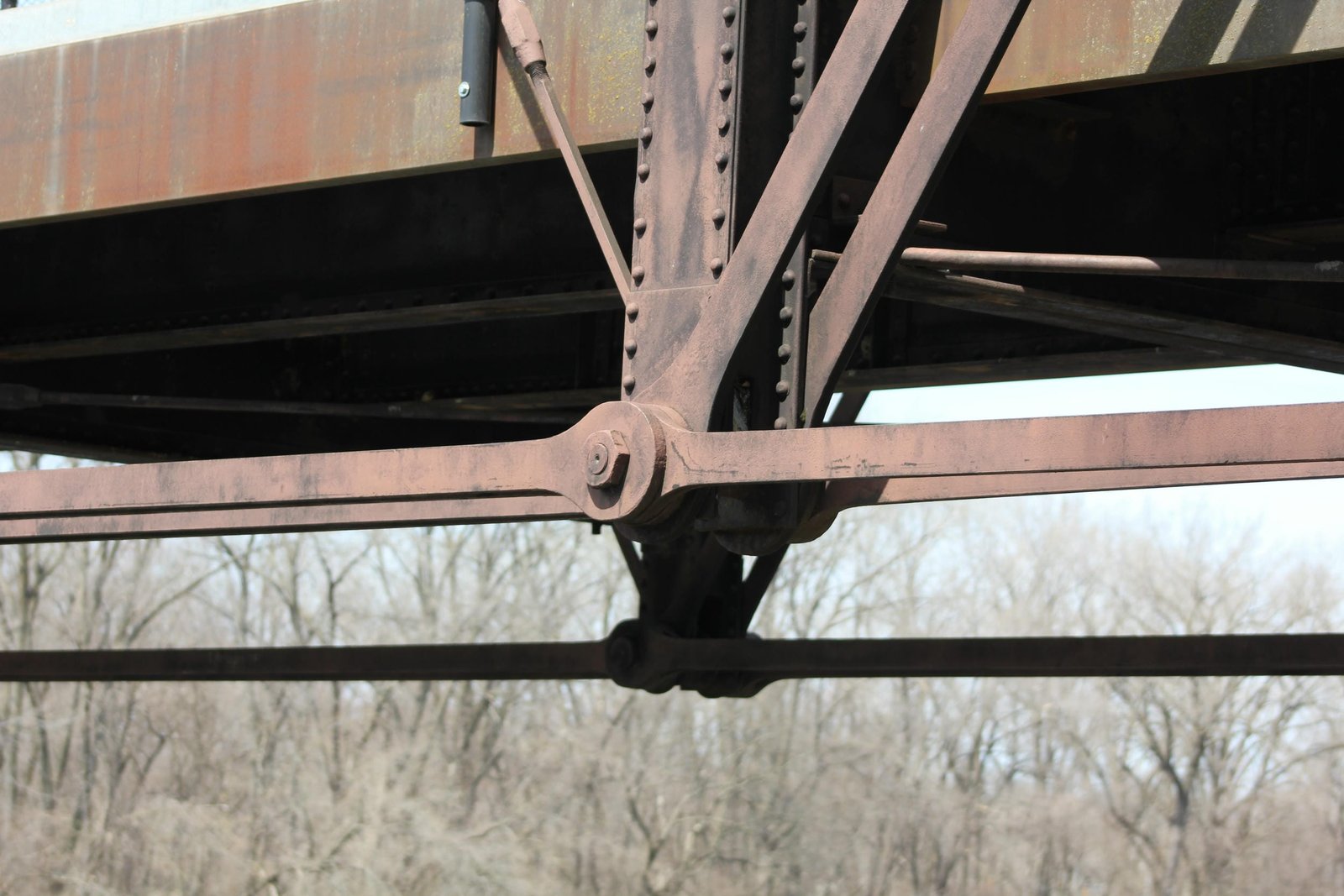
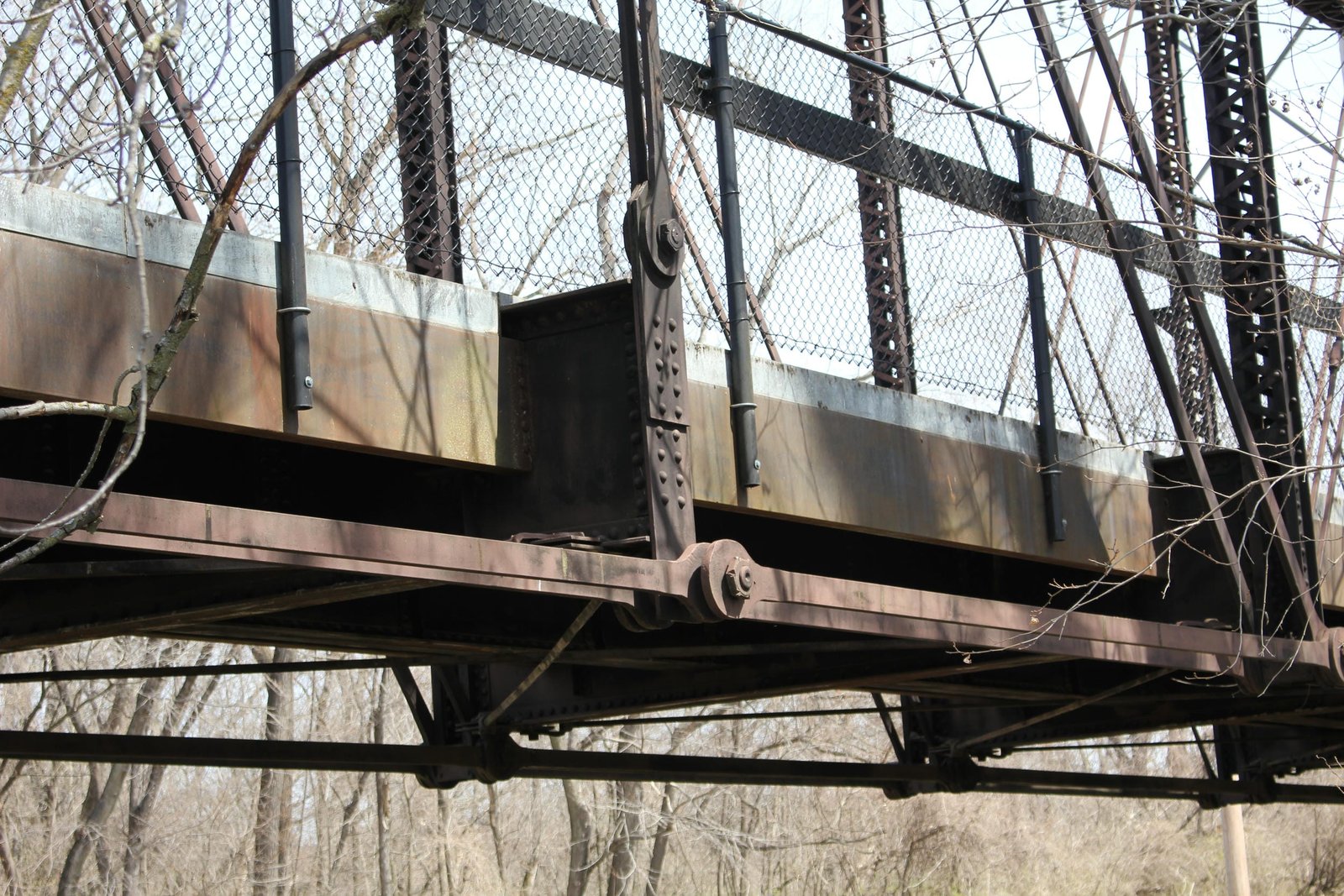
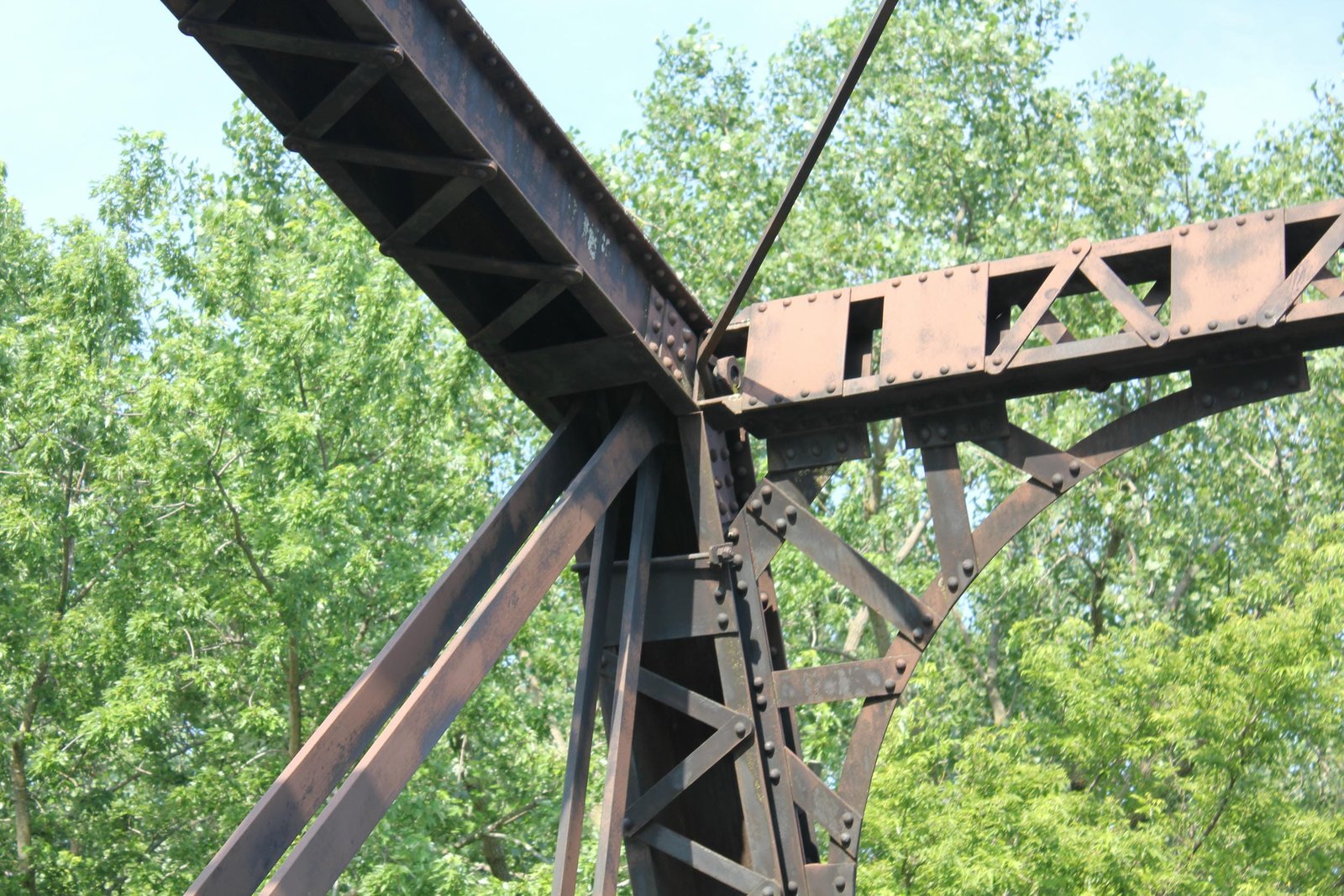
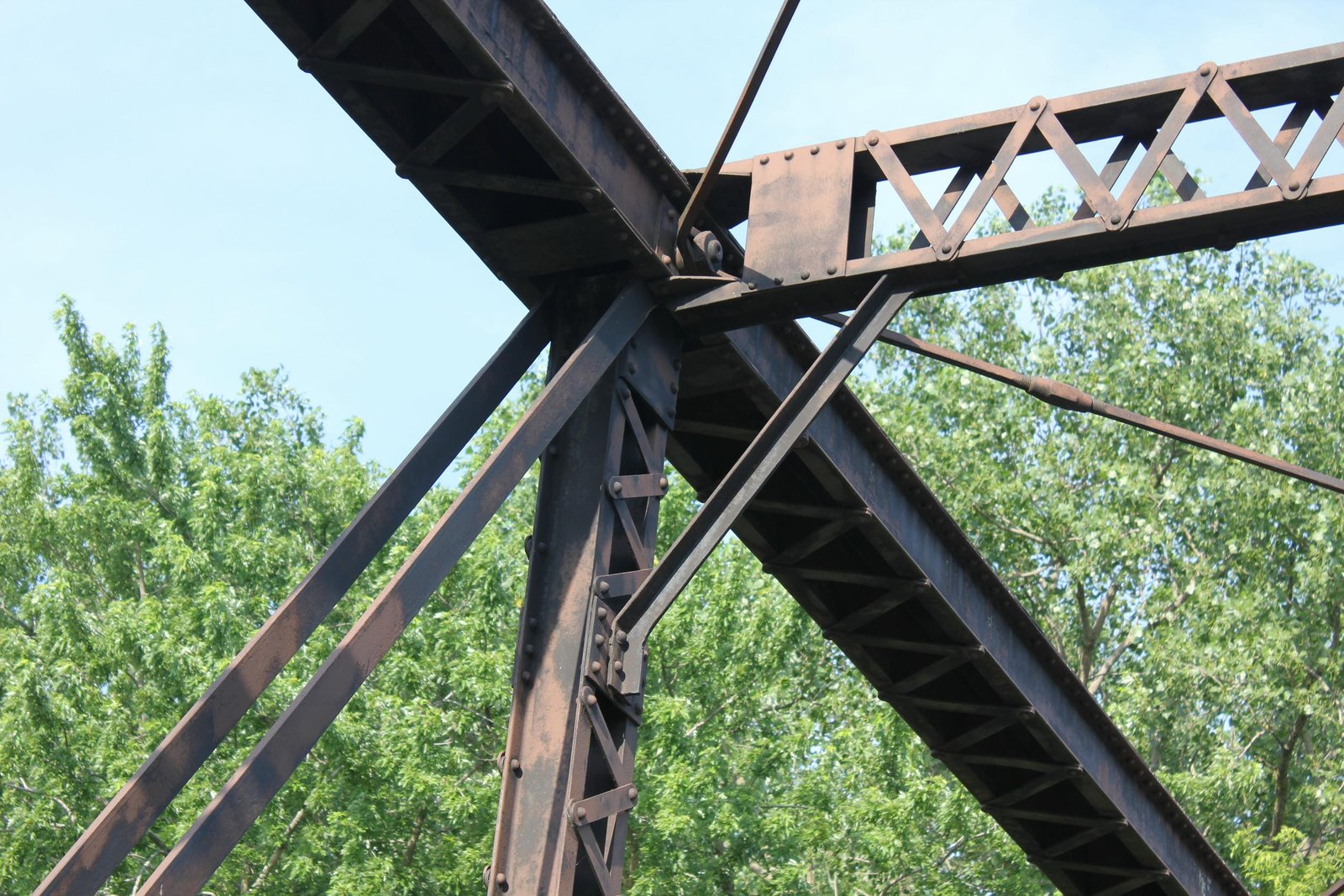
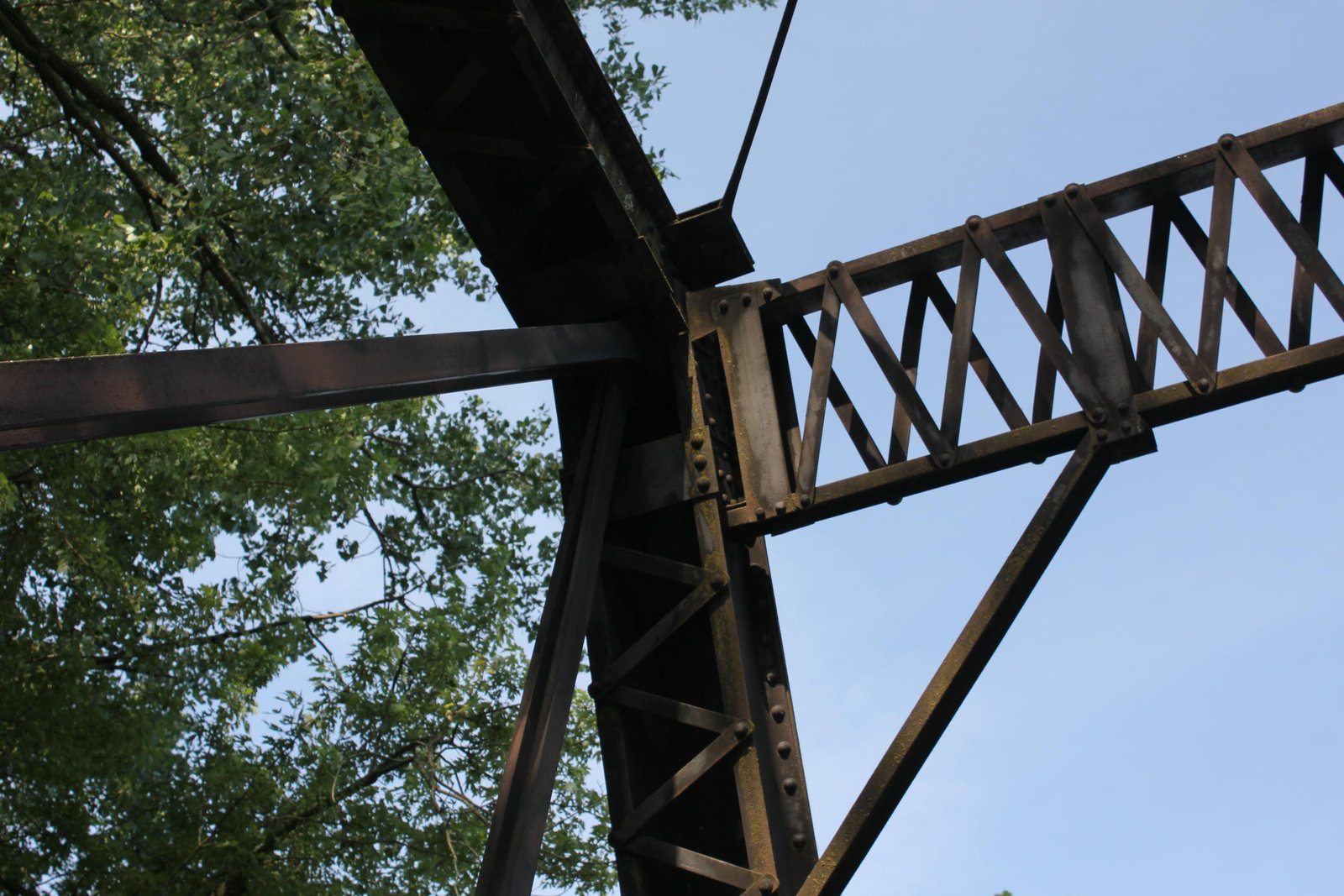
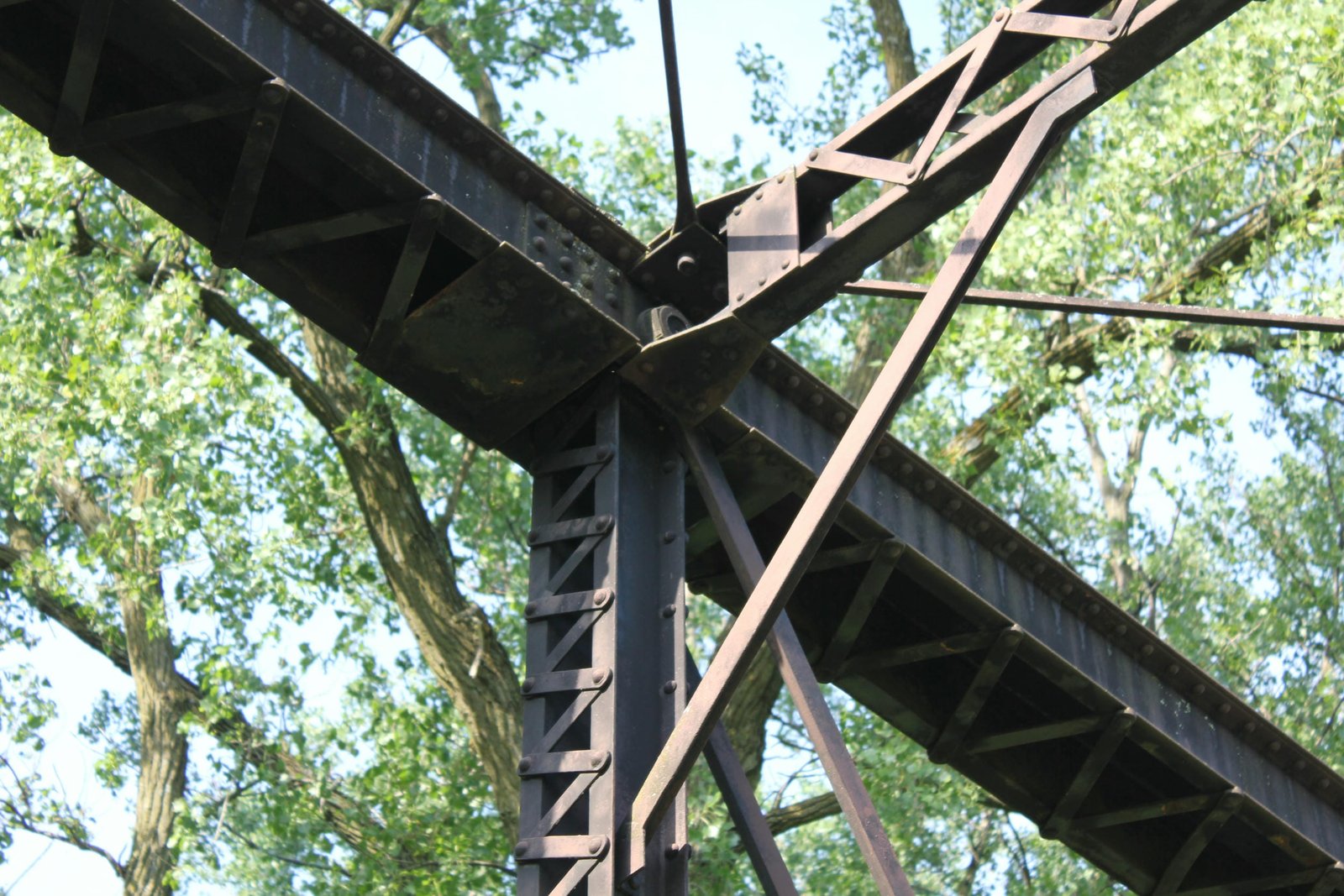
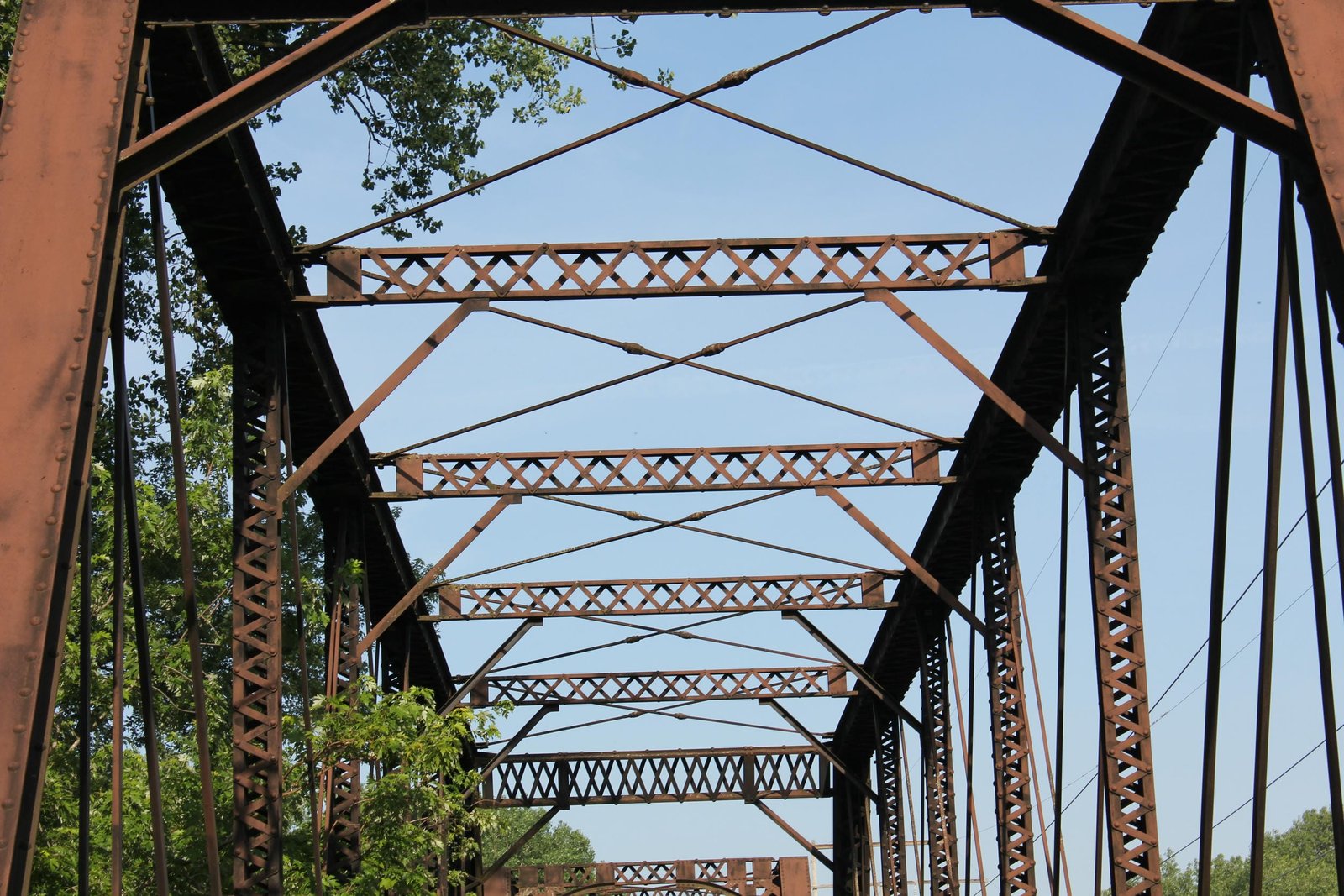
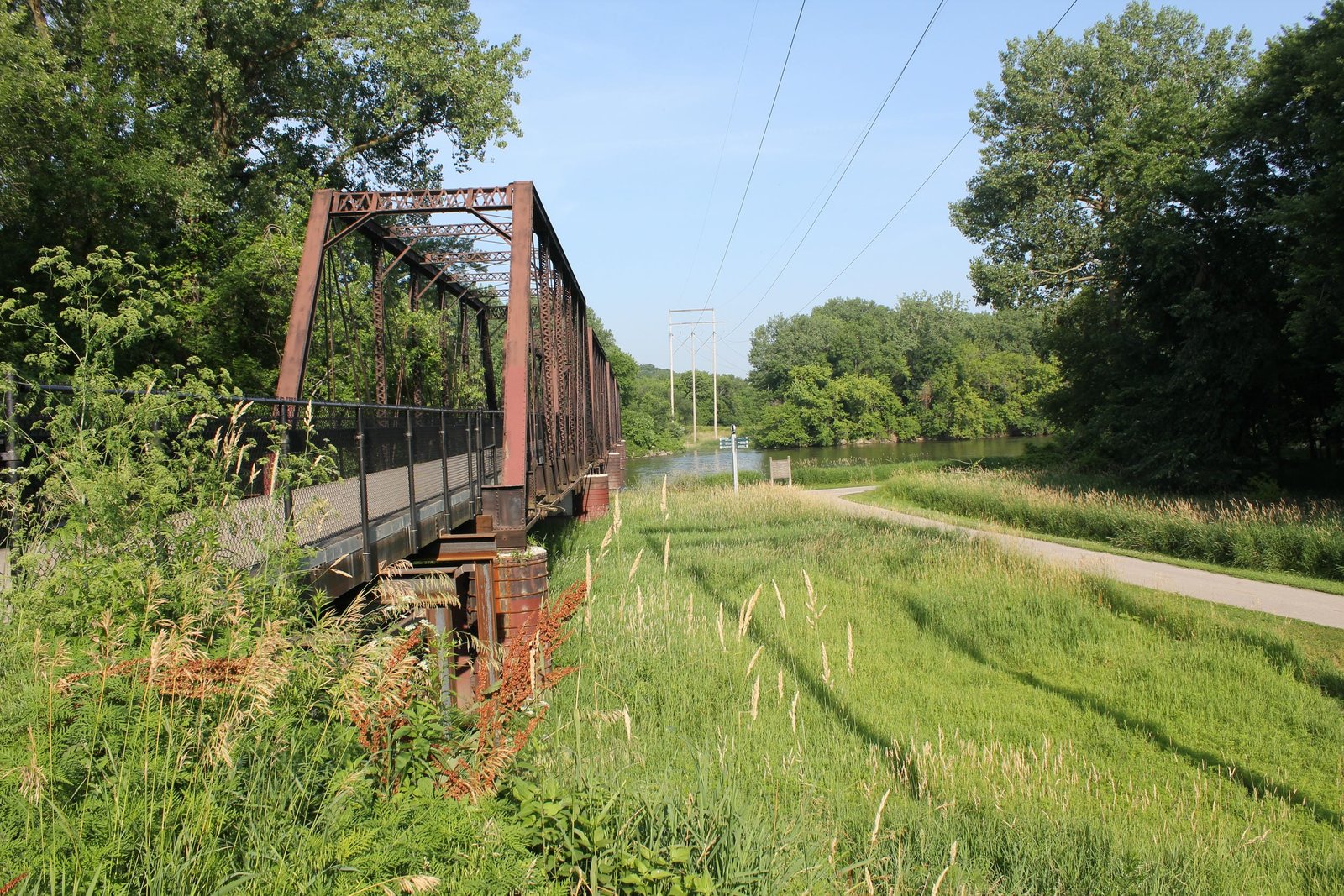
| Superstructure Design | Pratt Through Truss and Timber Stringer |
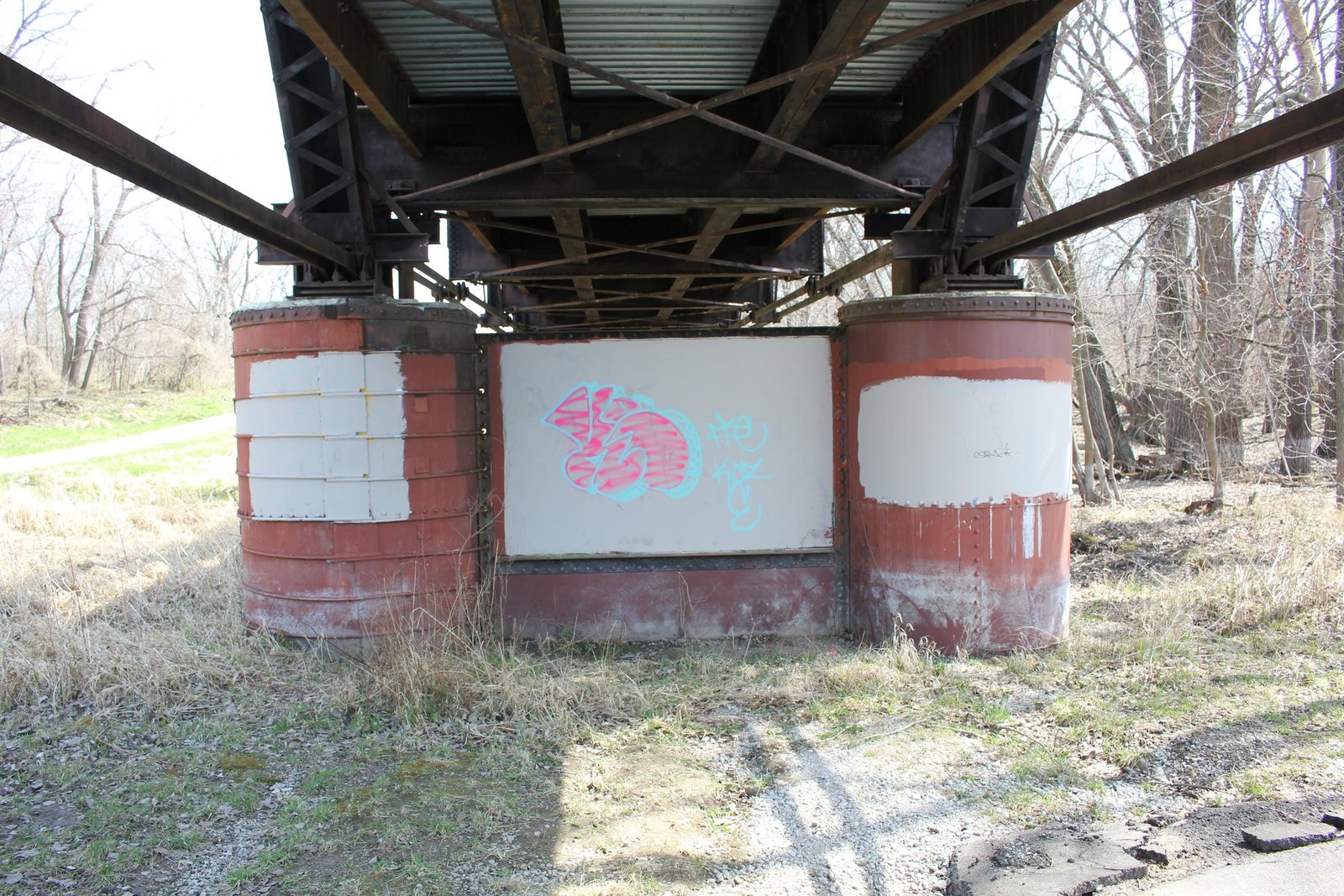
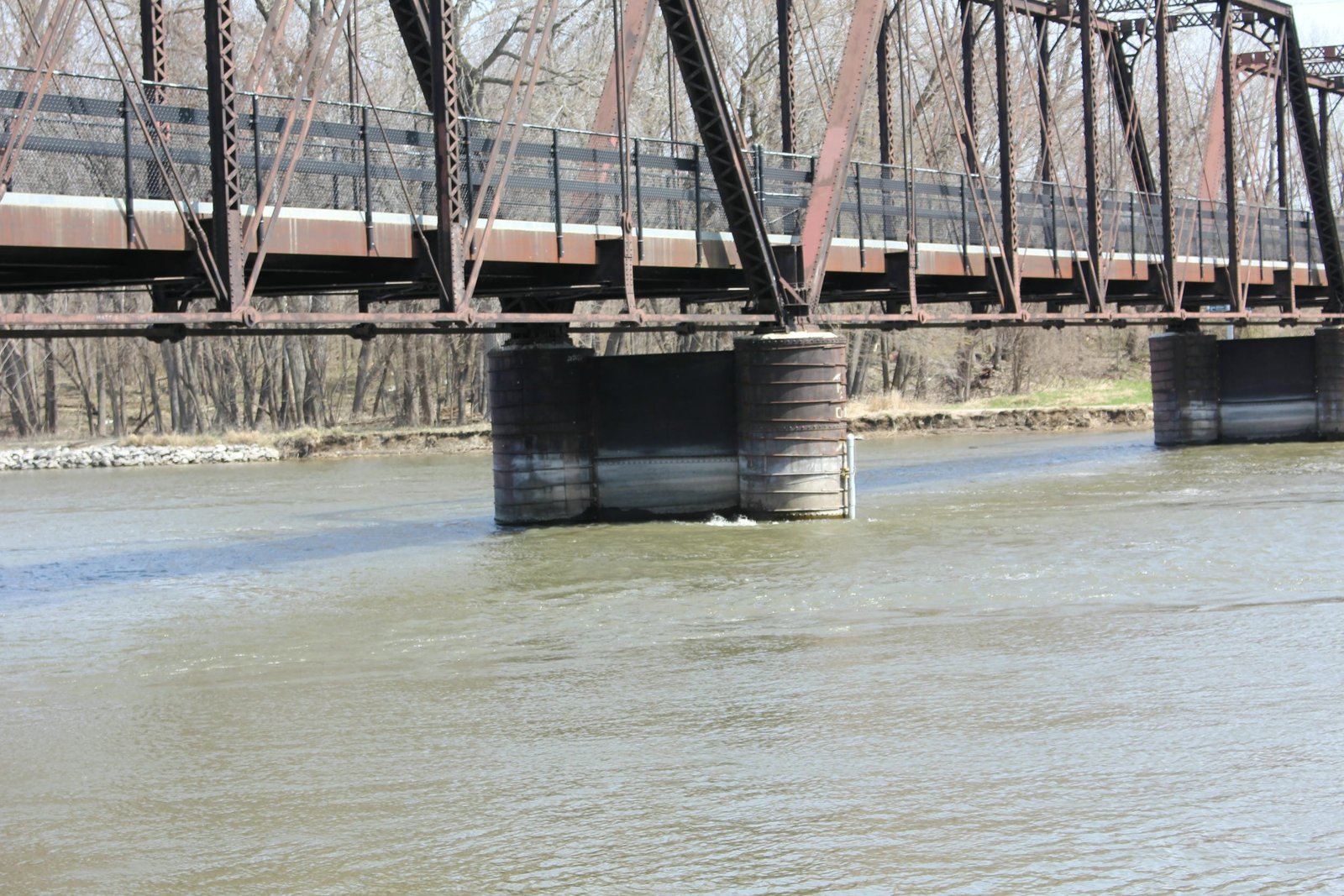
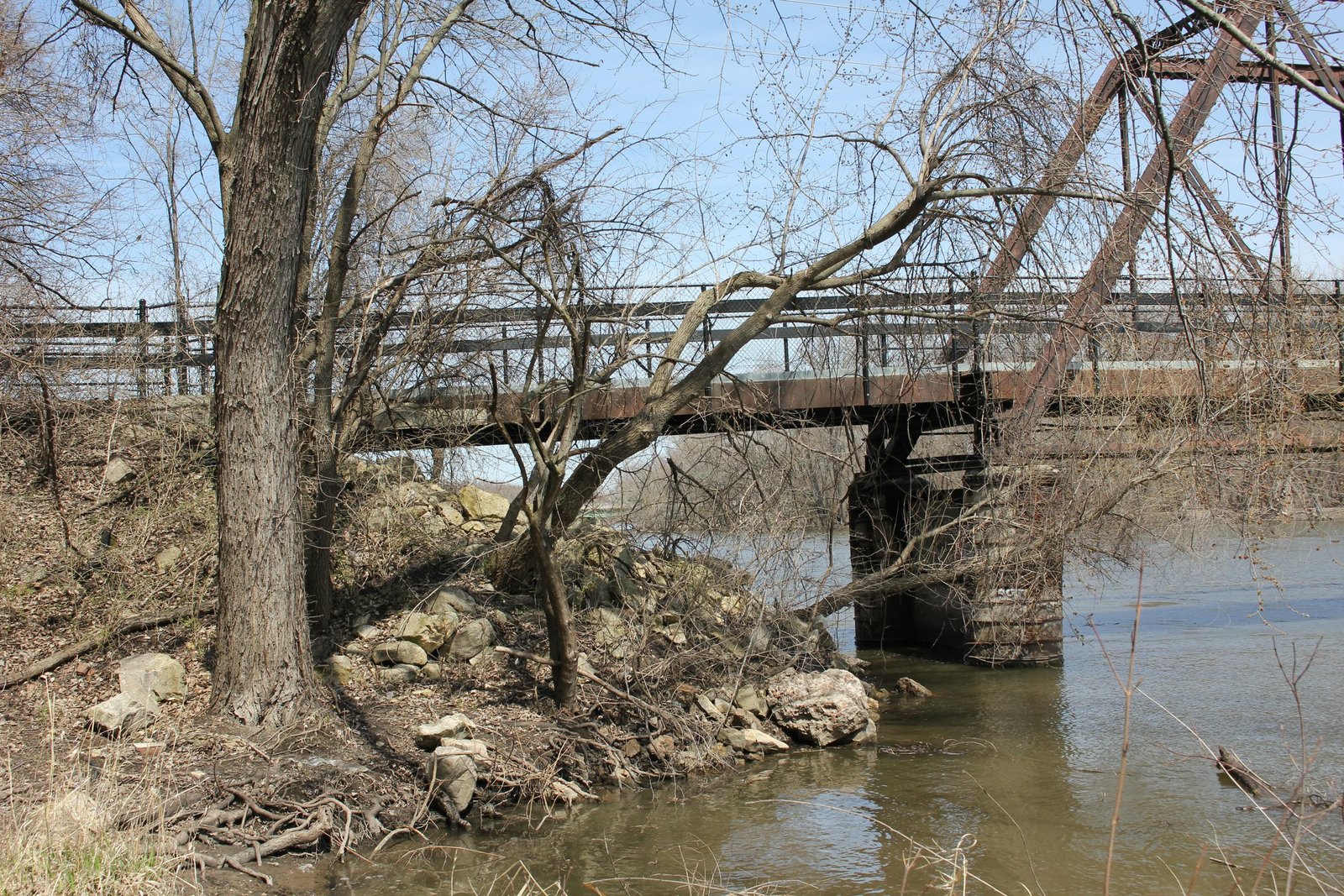
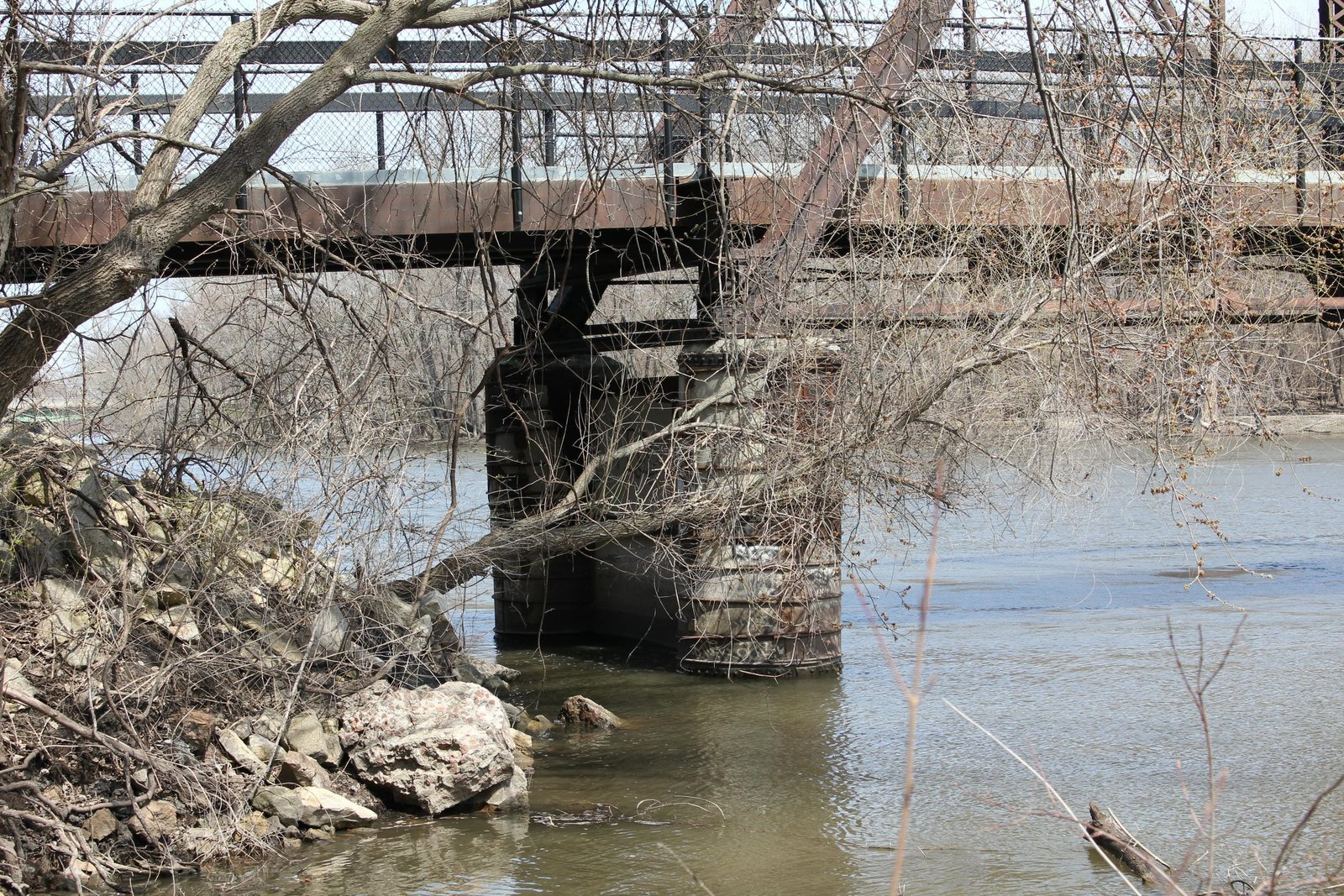
| Substructure Design | Steel Cylinder and Steel Pile |
| Date Built | 1905, Using Spans Fabricated c. 1885; Approaches Reconstructed 2012 |
| Original Locations | Unknown (Span #1) Unknown (Spans #2 and #3) |
| Traffic Count | 0 Trains/Day (Bridge is Open to Pedestrian Traffic) |
| Current Status | Open to Pedestrian Traffic |
| Significance | High Significance |
| Documentation Date | 7/1/2013; 4/5/2020 |
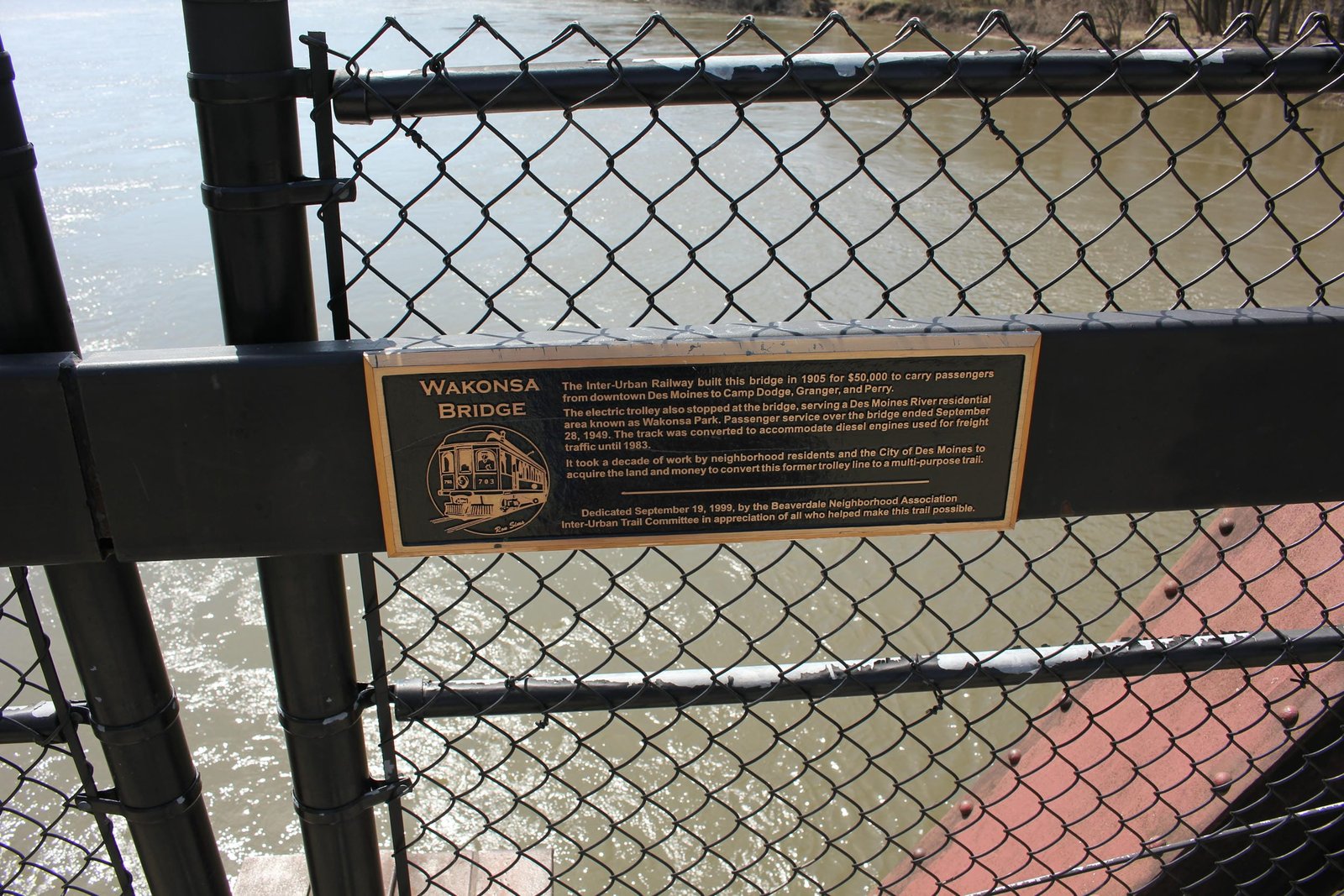
In the late 19th and early 20th Centuries, electric interurban railways became popular throughout the United States, particularly in suburban and rural areas. In rural areas, the interurban represented a reliable form of transportation, independent of the steam railroads. In 1899, the Inter-Urban Railway (IUR) constructed a short line from downtown Des Moines, Iowa to the Highland Park area of Des Moines. In 1903, an extension opened east to Colfax, Iowa. Initially, the railroad was popular with passengers traveling between Des Moines and Colfax, and it also served some coal mines in the area. In 1906, the 34-mile Beaver Valley Division was constructed between Highland Park and Perry, Iowa; and also featured a short 3-mile branch to Woodward, Iowa. The IUR became a profitable freight interchange for larger steam railroads operating in the Des Moines area. The IUR also served Camp Dodge, a large Army installation on the north side of Johnston, Iowa. In 1922, the IUR was reorganized as the Des Moines & Central Iowa Railway (DCI).
By the mid-20th Century, transportation in the United States had changed. Automobiles had become the preferred mode of transportation, and electrified interurban railroads were quickly dying. The DCI went bankrupt in 1946, and abandoned the line to Colfax and the branch to Woodward. The railroad was sold to Murray M. Salzberg, a New York scrap dealer in 1949. Salzberg decided to dieselize the line and eliminate passenger service. The segment between Perry and Granger, Iowa was abandoned in 1952. In 1968, the DCI was purchased by the Chicago & North Western Railway (C&NW), which operated an extensive network of railroad lines throughout Iowa. Many sections of this line were excess for the C&NW, and retained only to serve local industries. The segment between Camp Dodge and Granger was abandoned in 1980, followed by the segment between Flint Junction and Camp Dodge in 1982. Another segment between Highland Park and NW 2nd Street in Des Moines was abandoned in 1984. In 1995, the C&NW was purchased by Union Pacific Railroad (UP). Today, UP operates a segment on the north side of Des Moines; while the Colfax, Woodward and Perry branches have been entirely abandoned. A large section between Highland Park and Camp Dodge has been reused as a trail.
Citations
| Build date and potential relocation history | The Street Railway Journal; Volume 28, Issue 8 |
| Railroad History Citation | ICC Valuation Information, Compiled by Richard S. Steele |