
Click the photo to view the full-size version
| Name | UP South Ravine Bridge Chicago & North Western Railway Bridge #556 |
| Built By | Chicago & North Western Railway |
| Currently Owned By | Union Pacific Railroad |
| Superstructure Contractor | Lassig Bridge & Iron Works of Chicago, Illinois |
| Length | 153 Feet Total, 52 Foot Main Span |
| Width | 1 Track |
| Height Above Ground | 20 Feet (Estimated) |
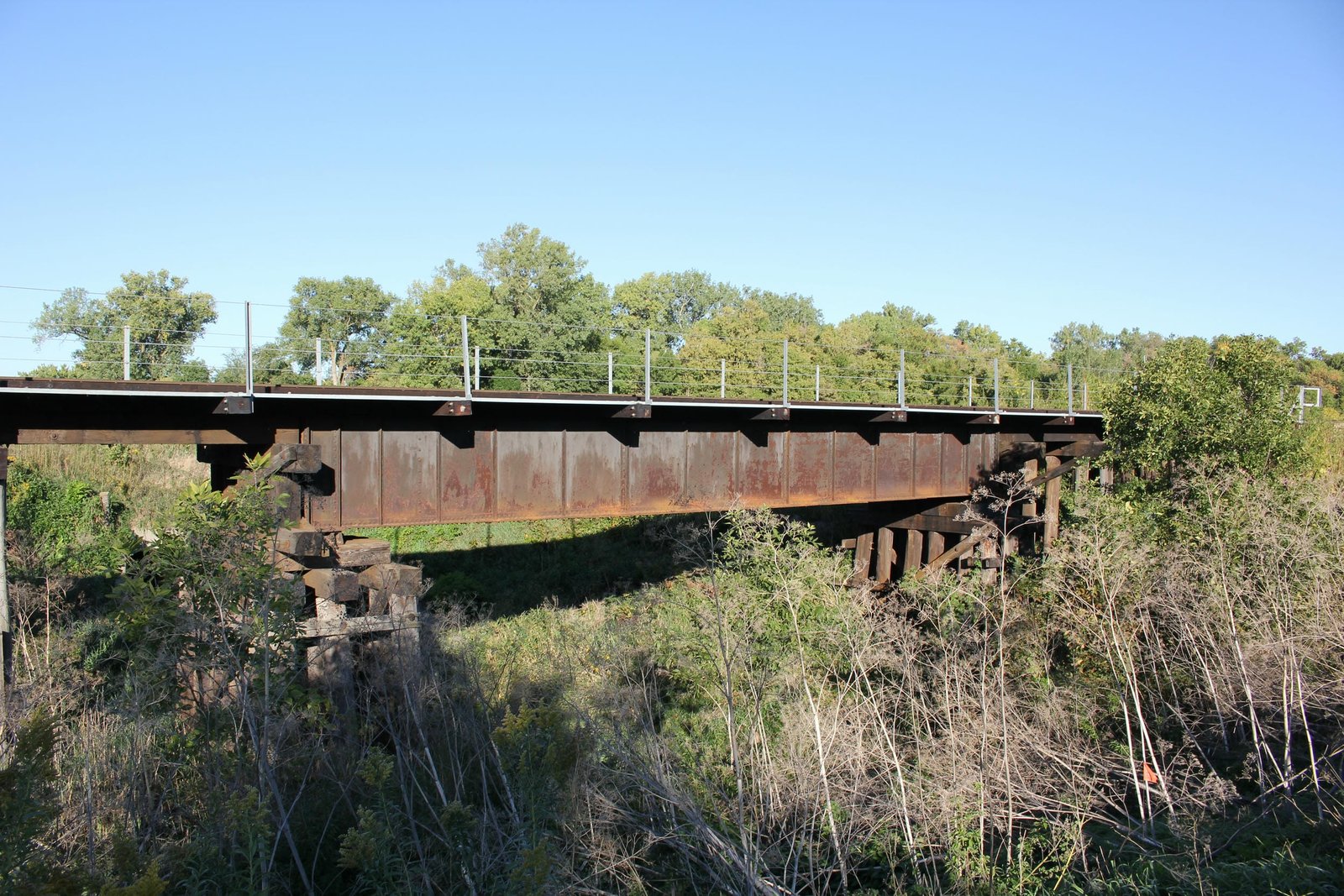
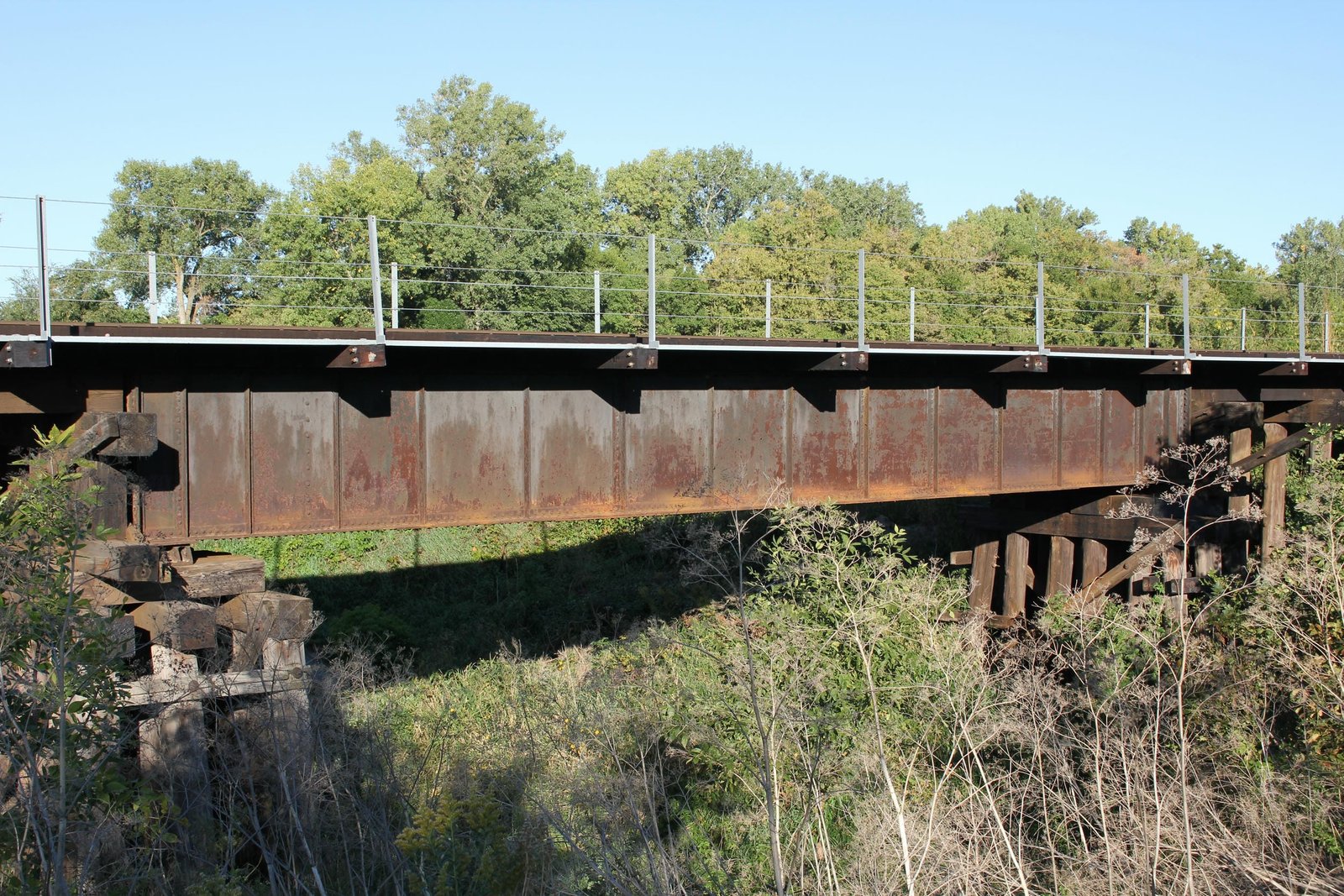
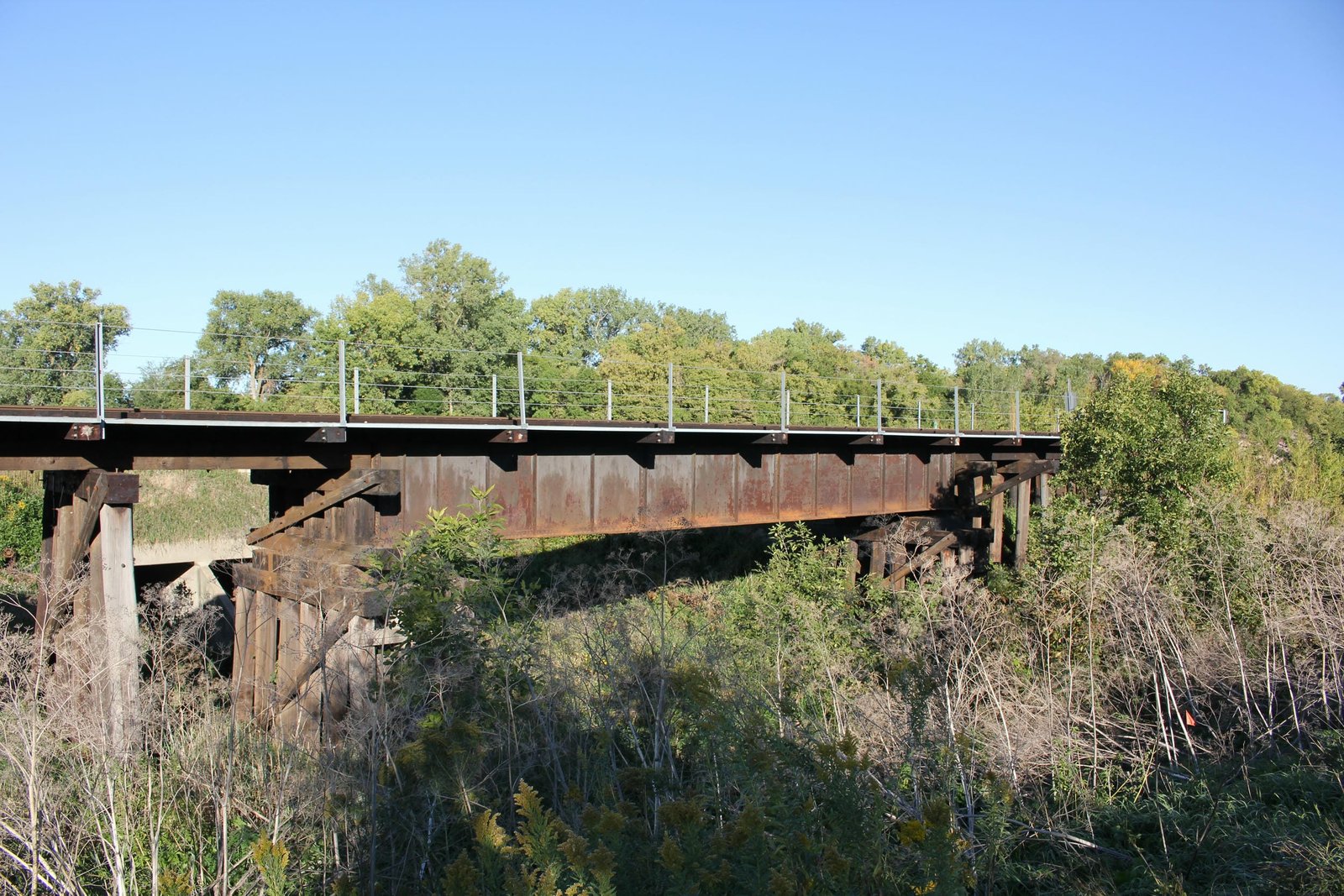
| Superstructure Design | Deck Plate Girder and Timber Pile Trestle |
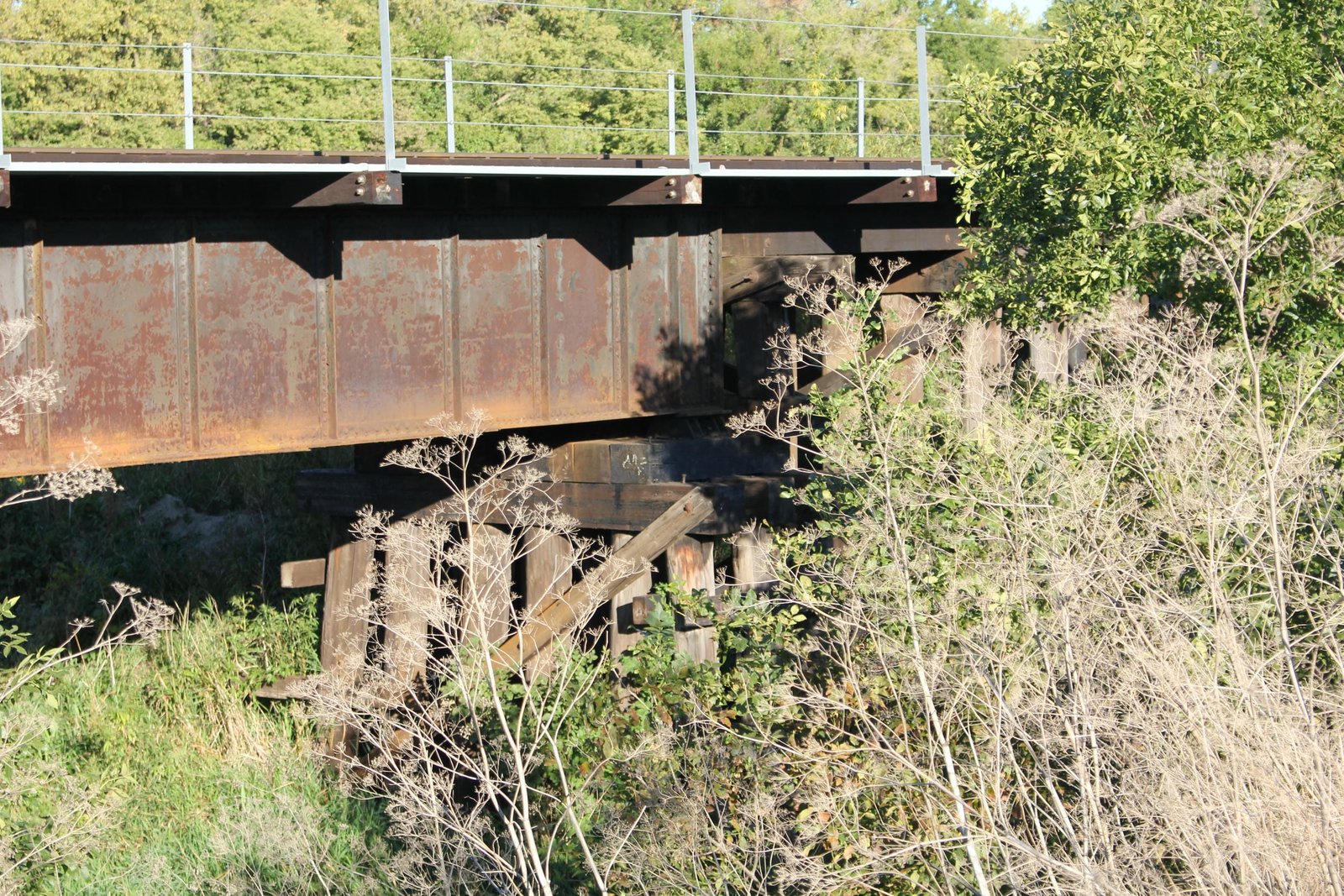
| Substructure Design | Timber Pile |
| Date Built | c. 1920 Using a Span Fabricated c. 1895 |
| Original Location | Unknown |
| Traffic Count | 10 Trains/Day (Estimated) |
| Current Status | In Use |
| Chicago & North Western Railway Bridge Number | 556 |
| Union Pacific Railroad Bridge Number | 72.09 |
| Significance | Local Significance |
| Documentation Date | 9/25/2021 |
After the Cedar Rapids and Missouri River Railroad (CR&MR) completed a mainline across Iowa in 1867, several branch lines began to develop to connect Iowa to the CR&MR line. In 1867, the Sioux City and Pacific Rail Road (SC&P) constructed a 50-mile railroad line, extending from California Junction, Iowa to Sloan, Iowa. The following year, an additional 20 miles were completed to Sioux City, Iowa. This line closely paralleled the Missouri River, and connected a major western Iowa city in Sioux City to the CR&MR mainline. In September 1868, the railroad was reorganized, keeping the same name. In the late 1860s, the SC&P constructed a handful of important branch lines in western Iowa and eastern Nebraska. In 1873, the SC&P came under control of the Chicago & North Western Railway (C&NW) although was maintained as a separate entity. The C&NW had also purchased the CR&MR in the 1880s.
Throughout the late 19th Century, the C&NW had developed into a significant railroad network in the midwest, with lines radiating north and west from Chicago. In particular, the C&NW developed dozens of secondary and branch lines in Iowa to serve agricultural industries and small towns. This line served as a mainline, connecting an existing C&NW mainline at California Junction to the Chicago, St. Paul, Minneapolis & Omaha Railway (Omaha Road) mainline at Sioux City. The Omaha Road was also controlled by the C&NW. Between the 1880s and early 20th Century, the C&NW constructed several branch lines, which connected to this line at Mondamin, Iowa; Onawa, Iowa and Sergeant Bluff, Iowa. In 1901, the C&NW purchased the SC&P and completed ownership of this line. In the mid-20th Century, the branch lines were abandoned, but this line remained significant for connecting the C&NW mainline to the Omaha Road mainline. In 1995, the C&NW was purchased by Union Pacific Railroad (UP). Currently, UP owns this line and operates it as the Sioux City Subdivision.
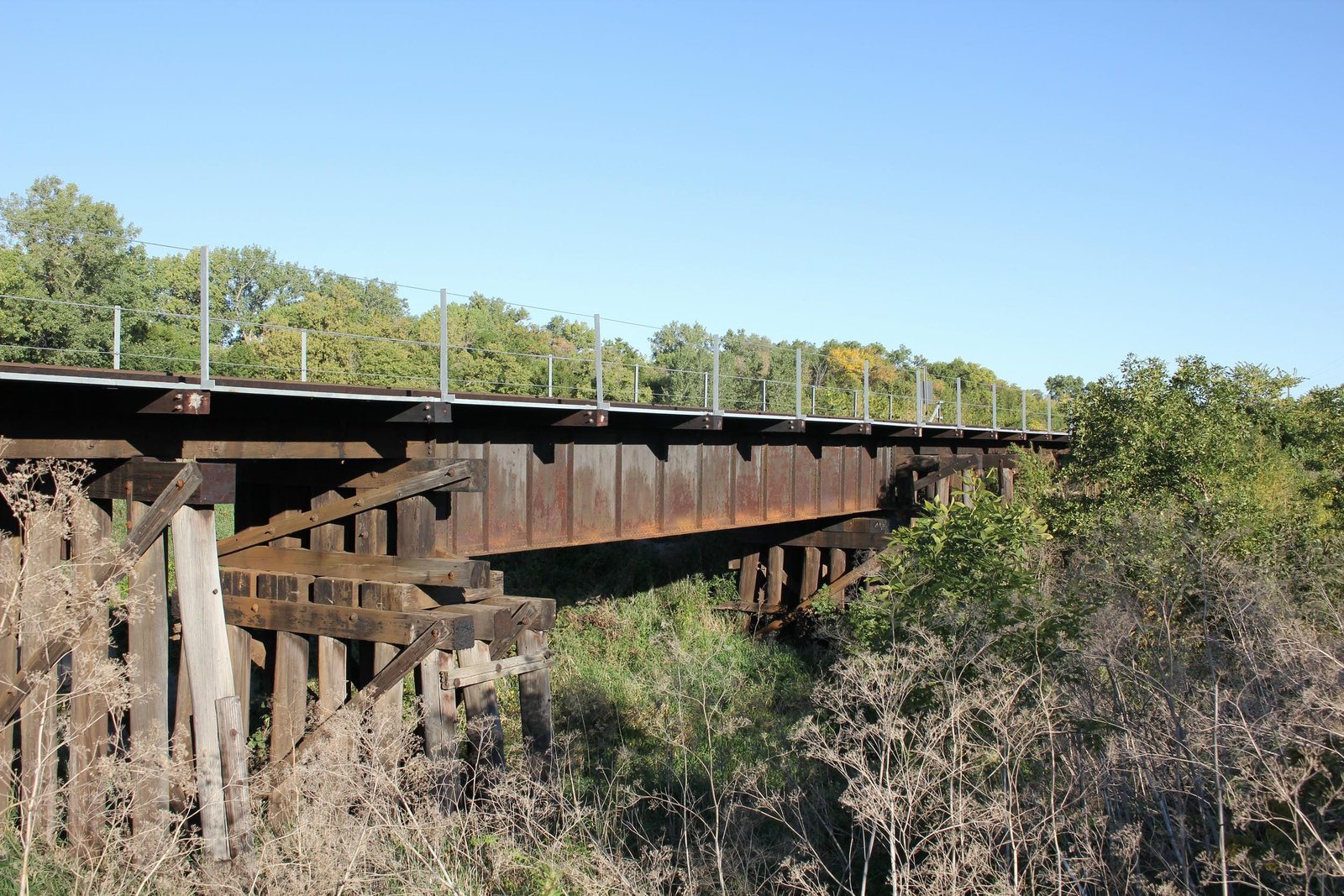
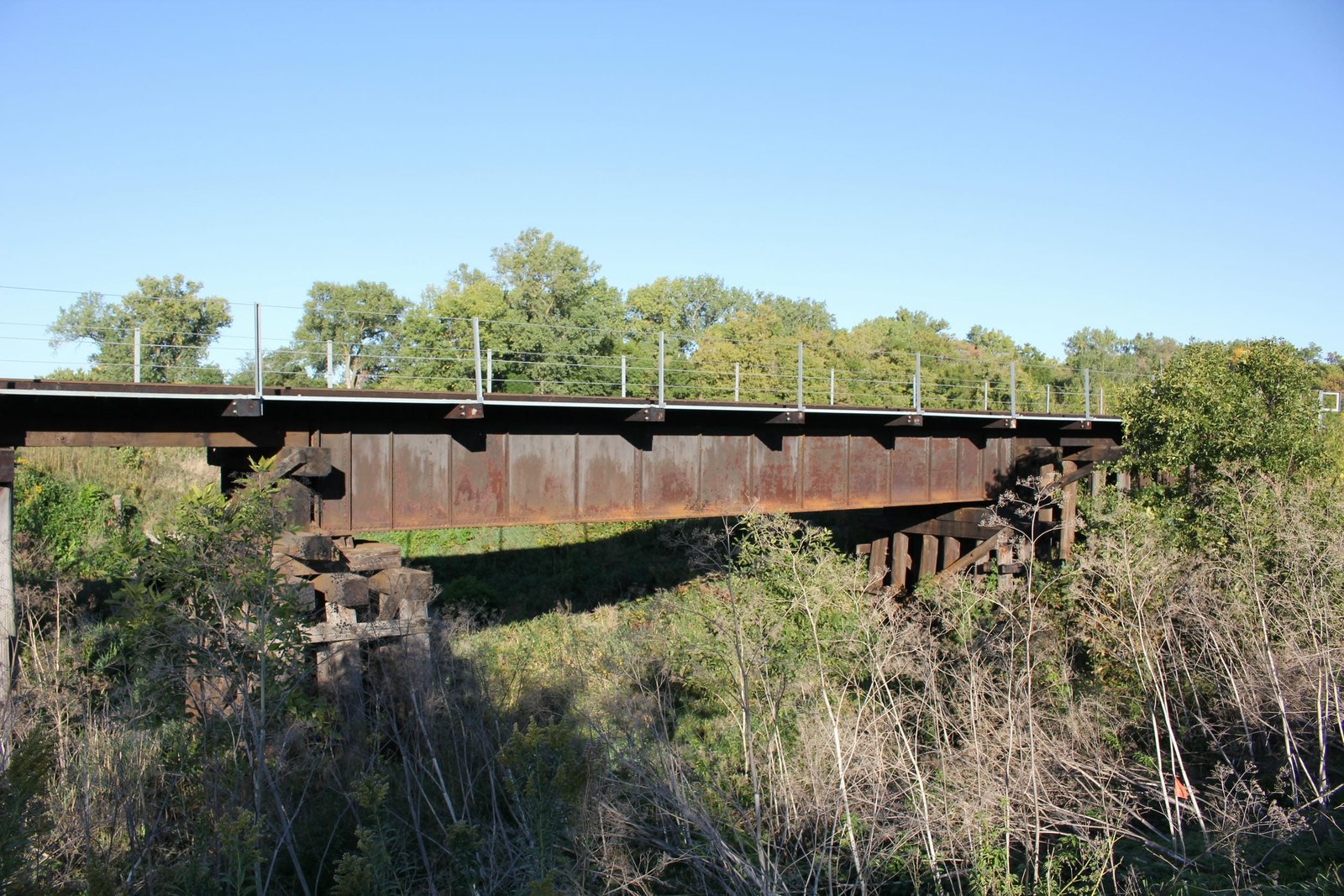
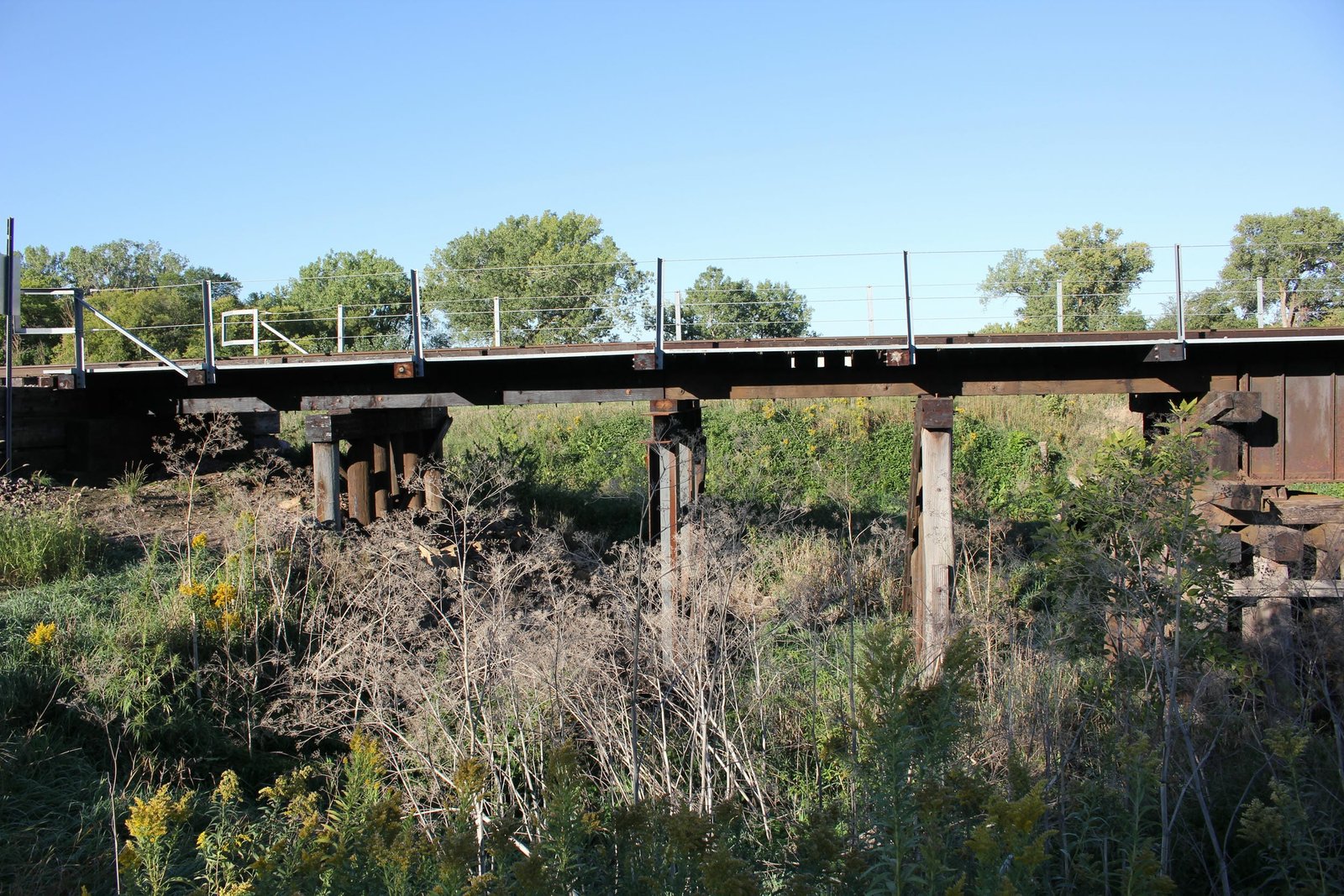
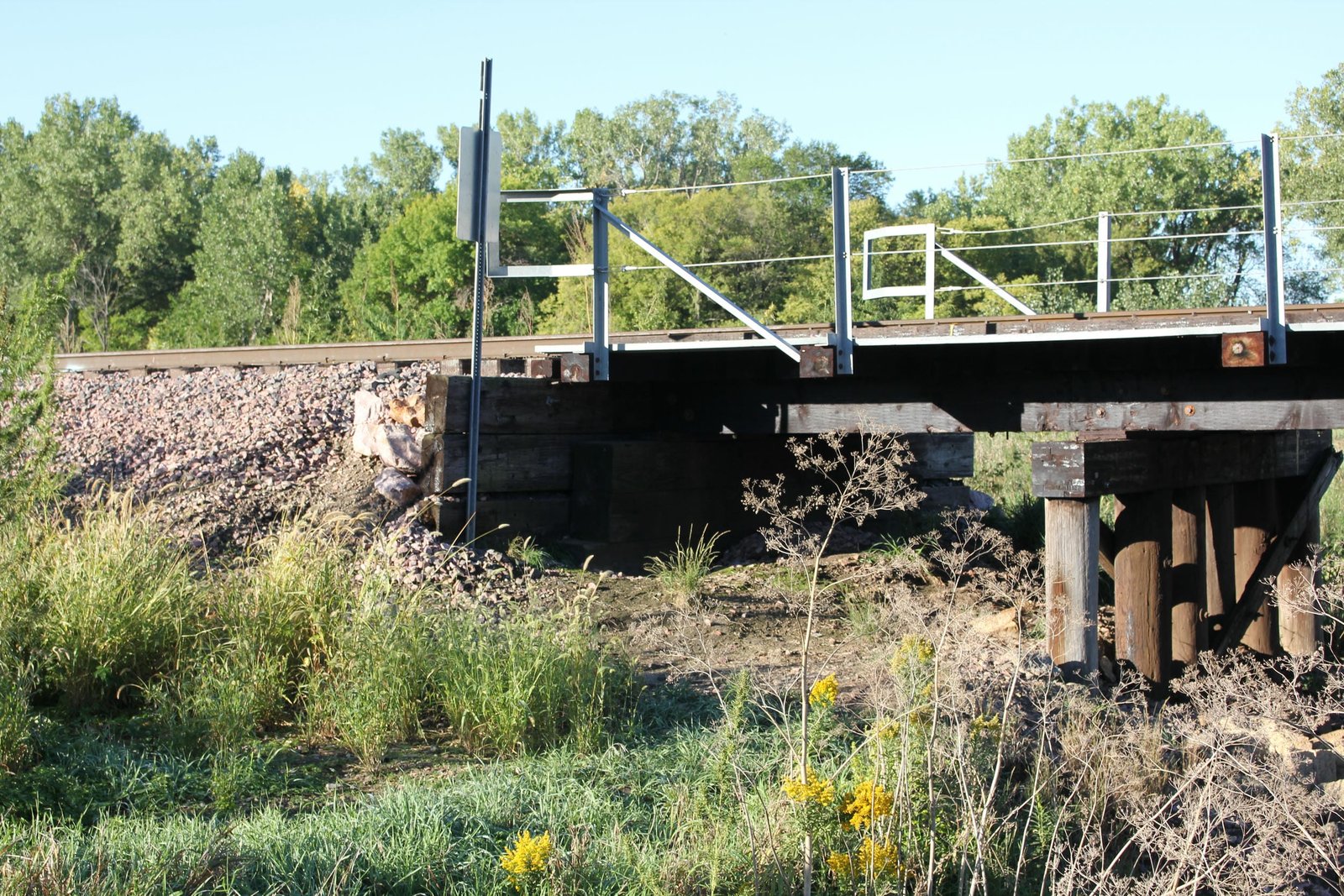
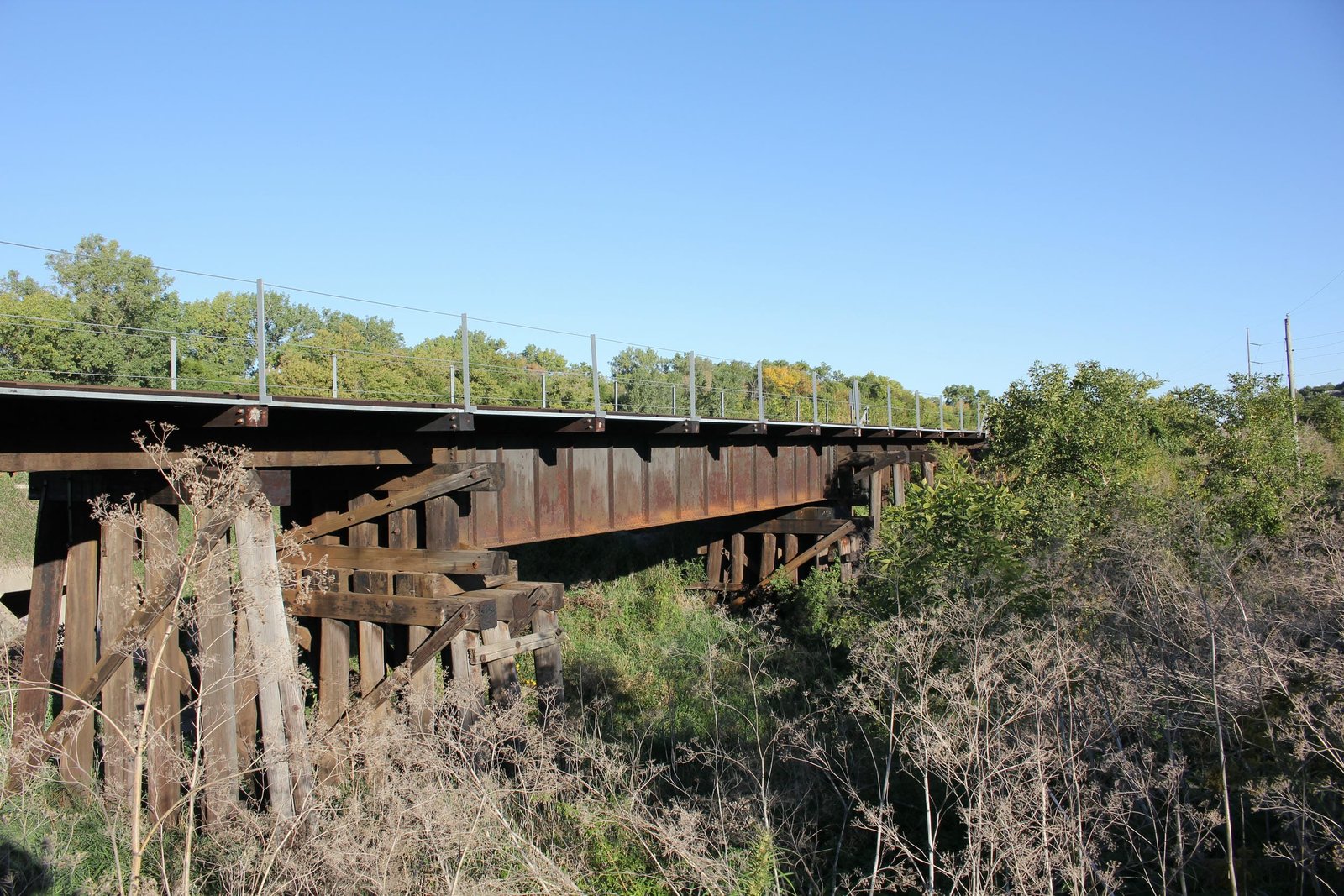
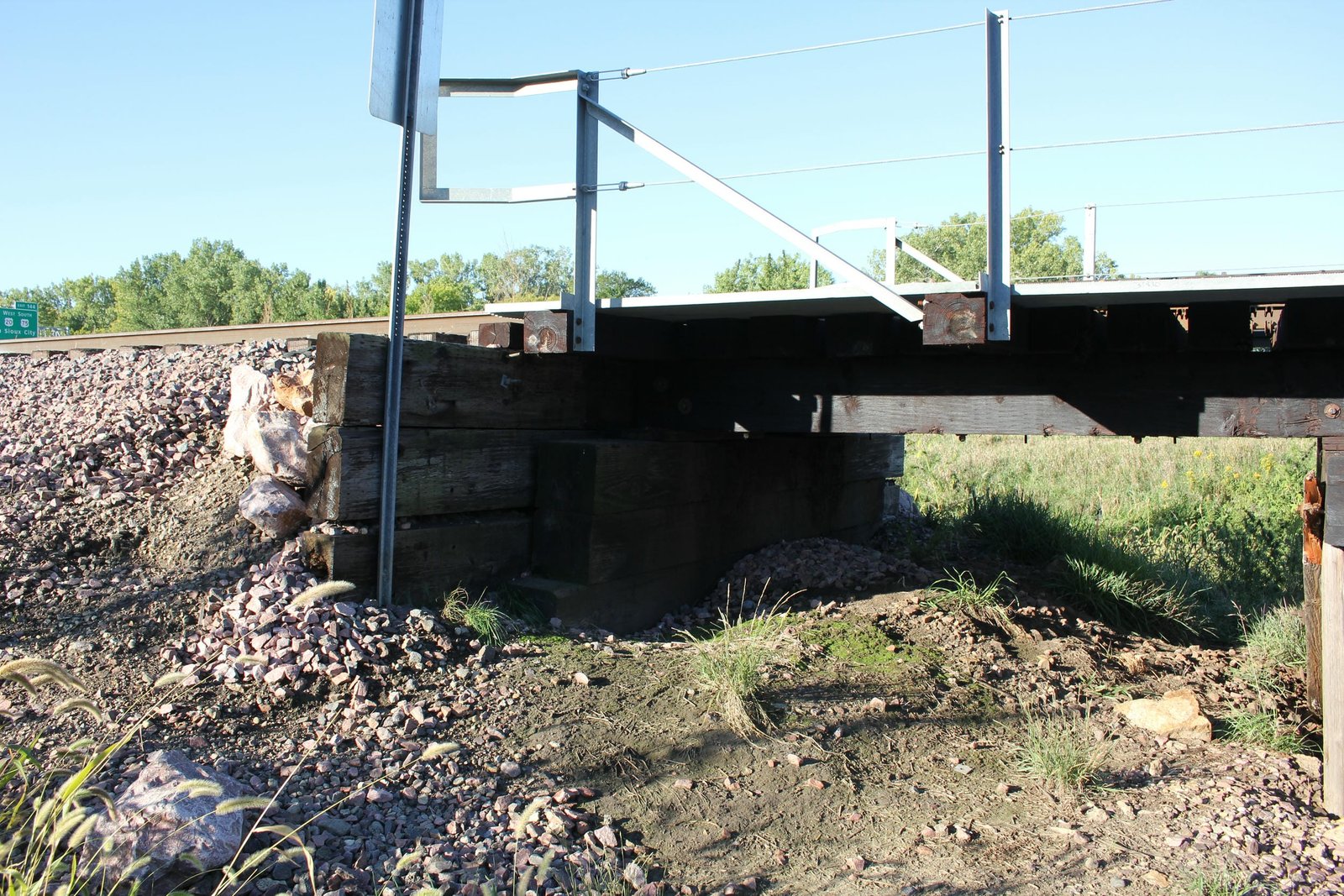
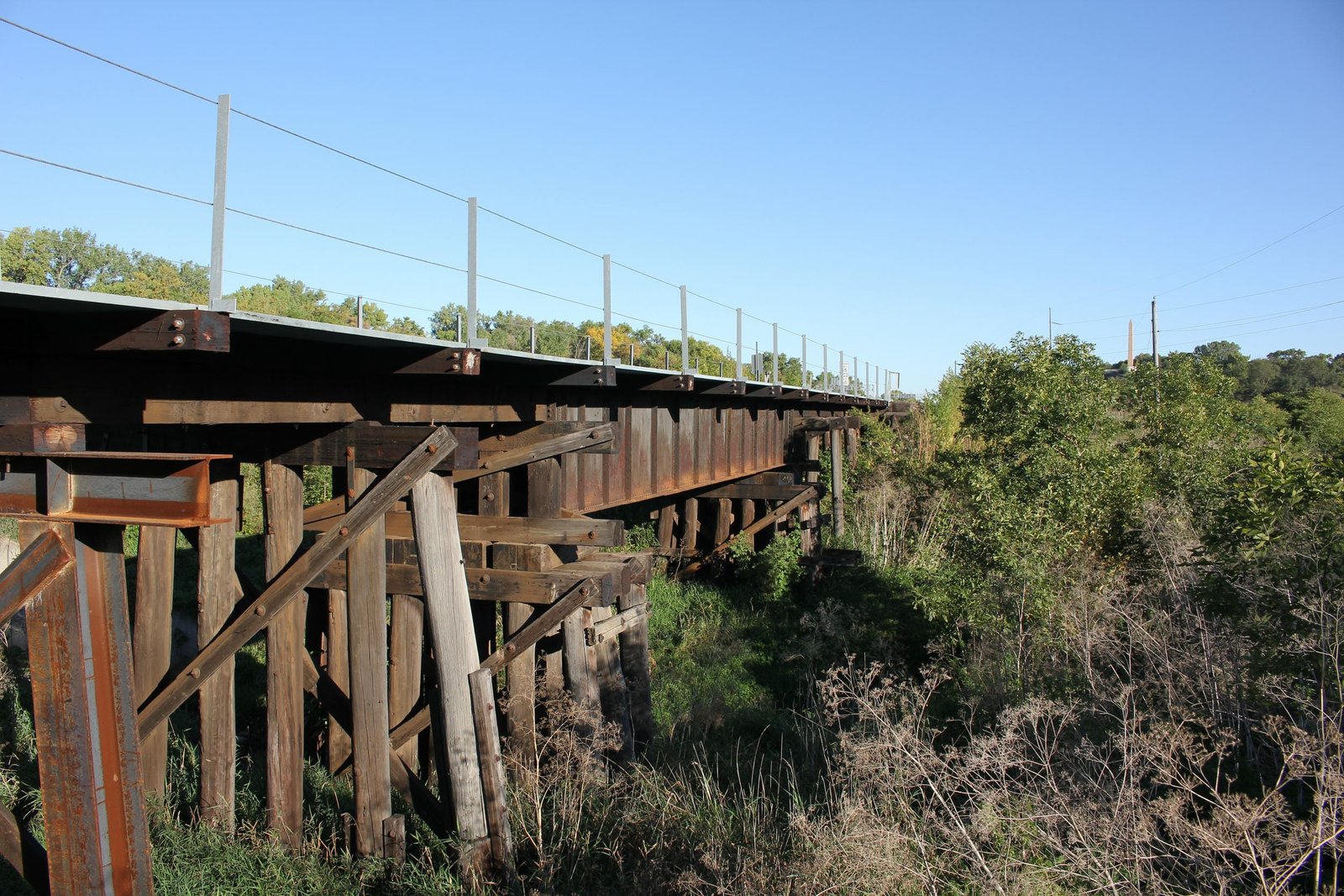
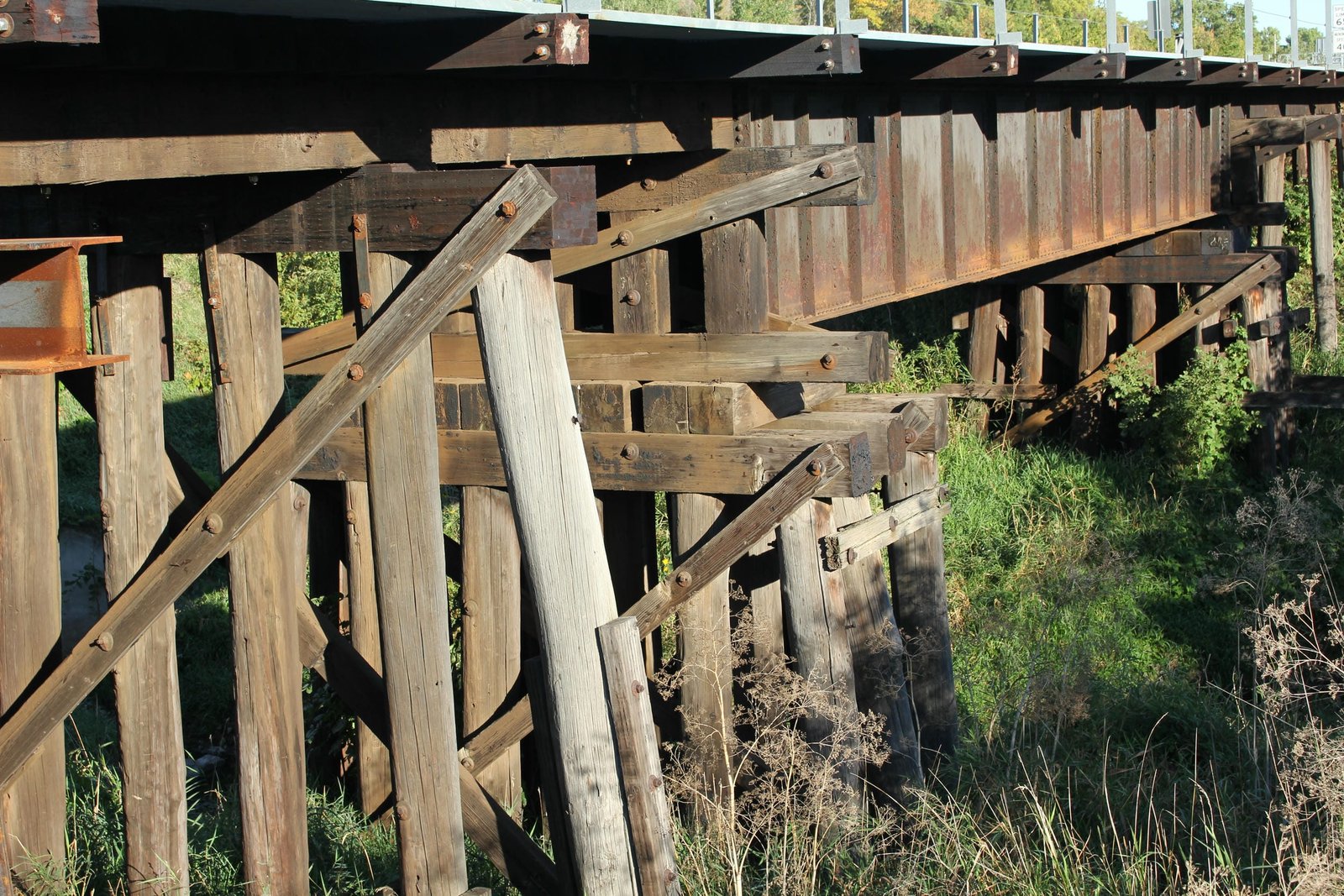
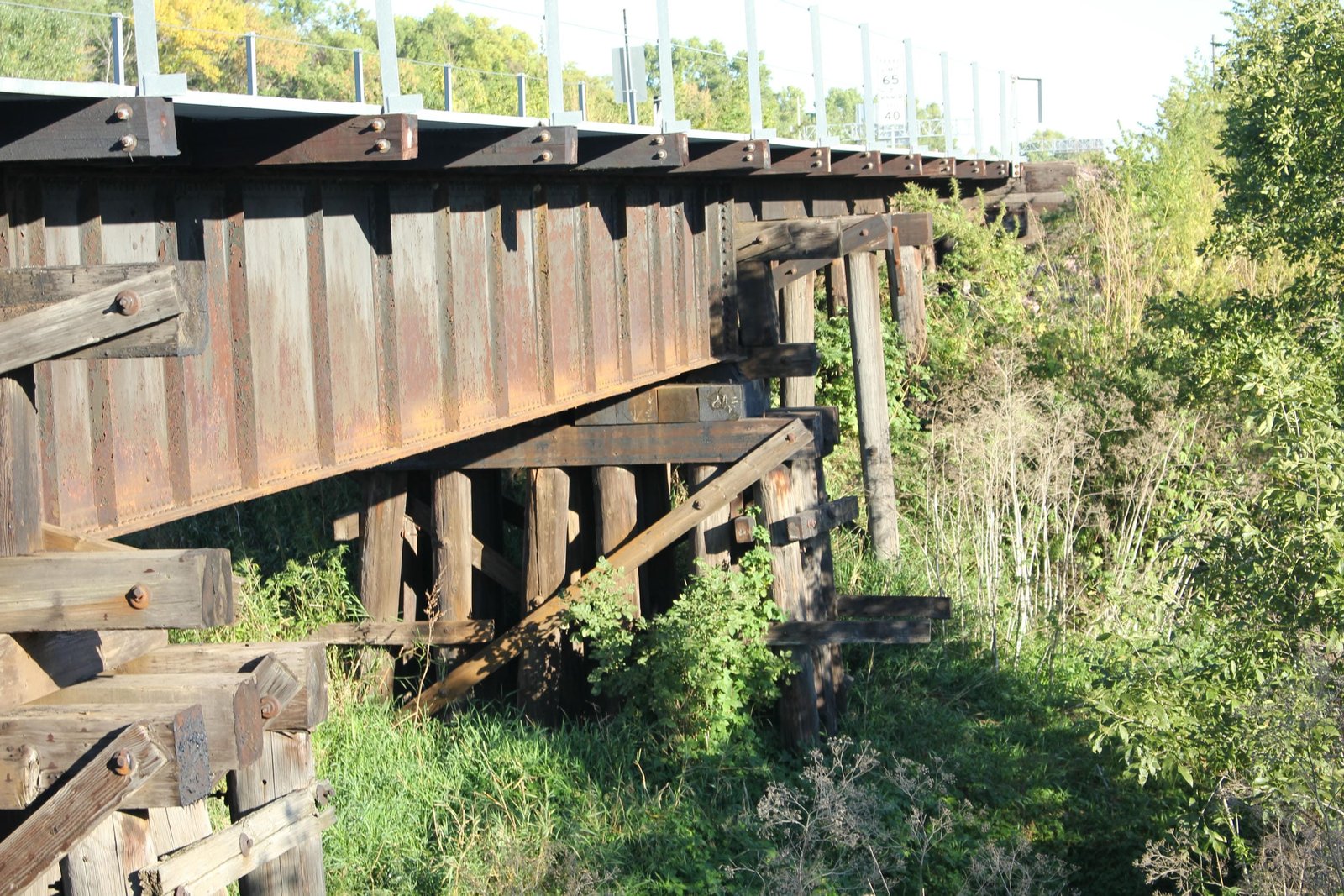
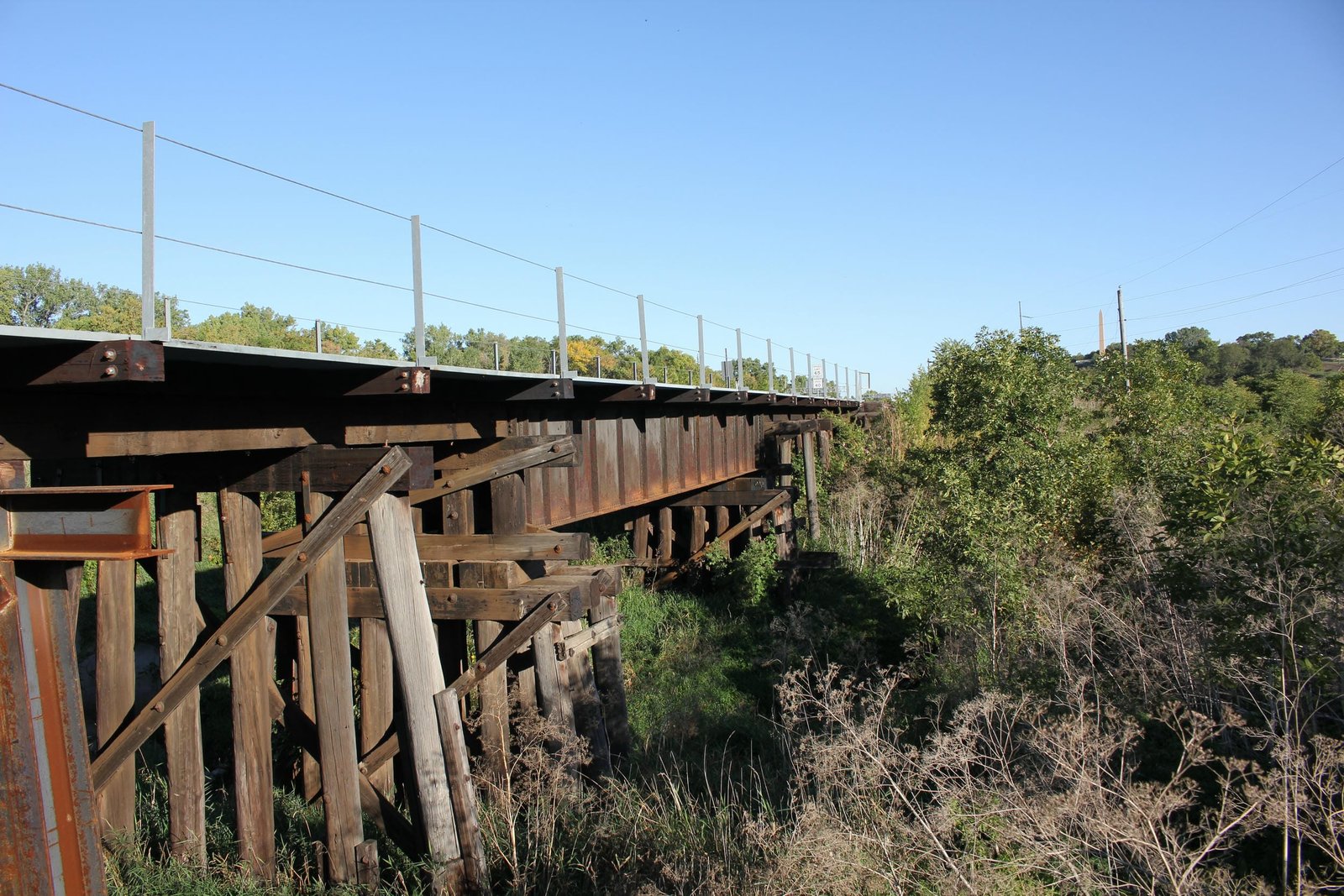
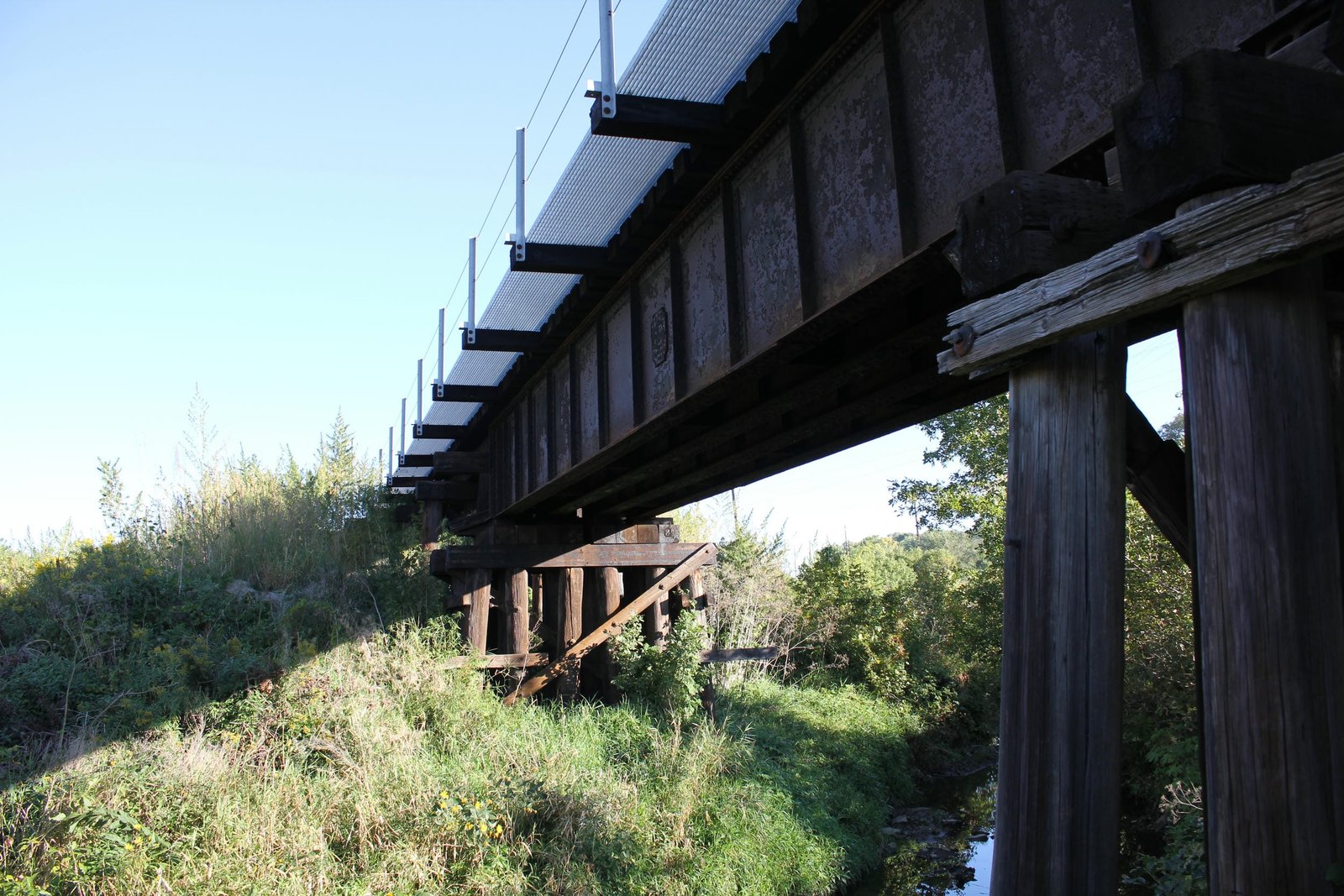
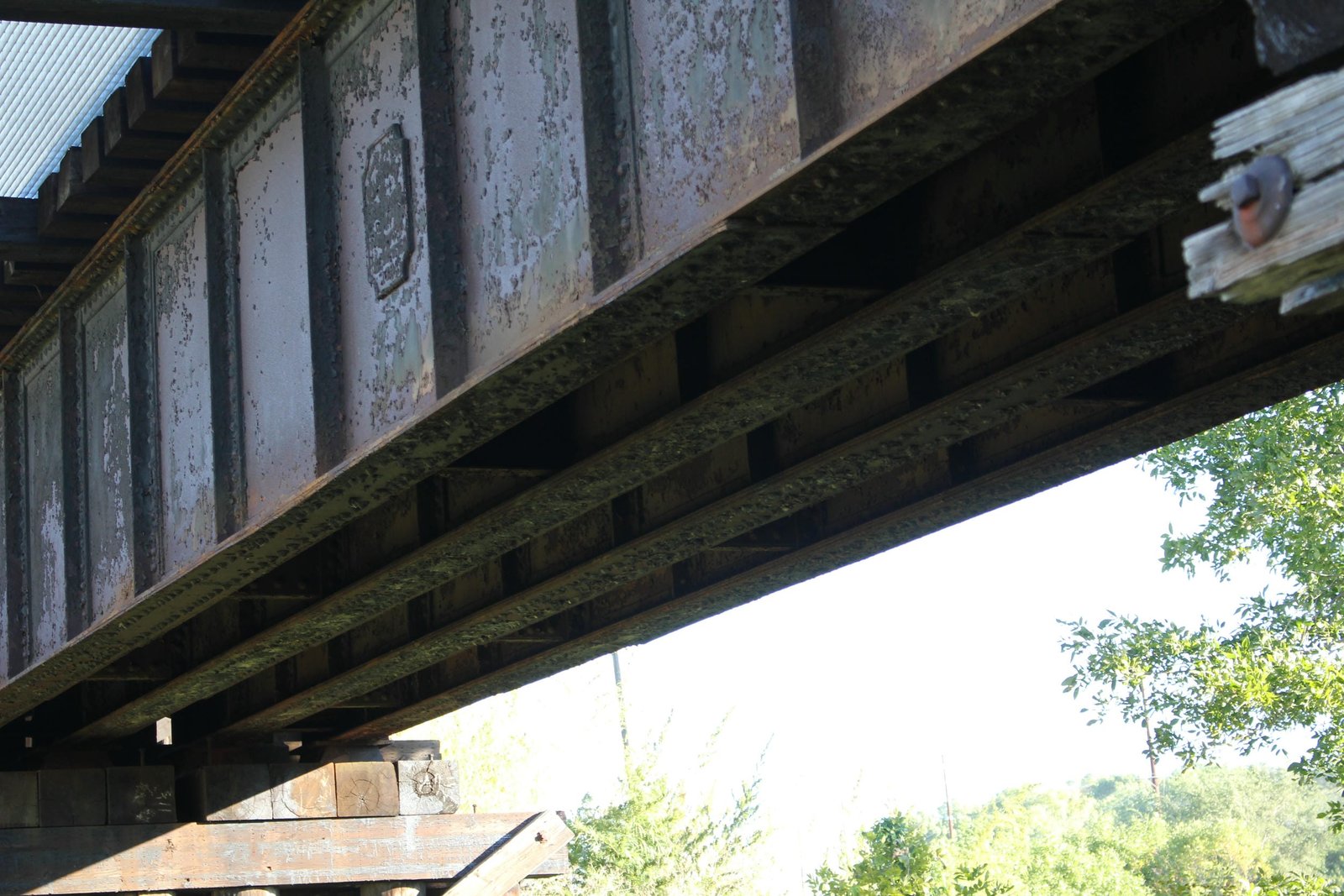
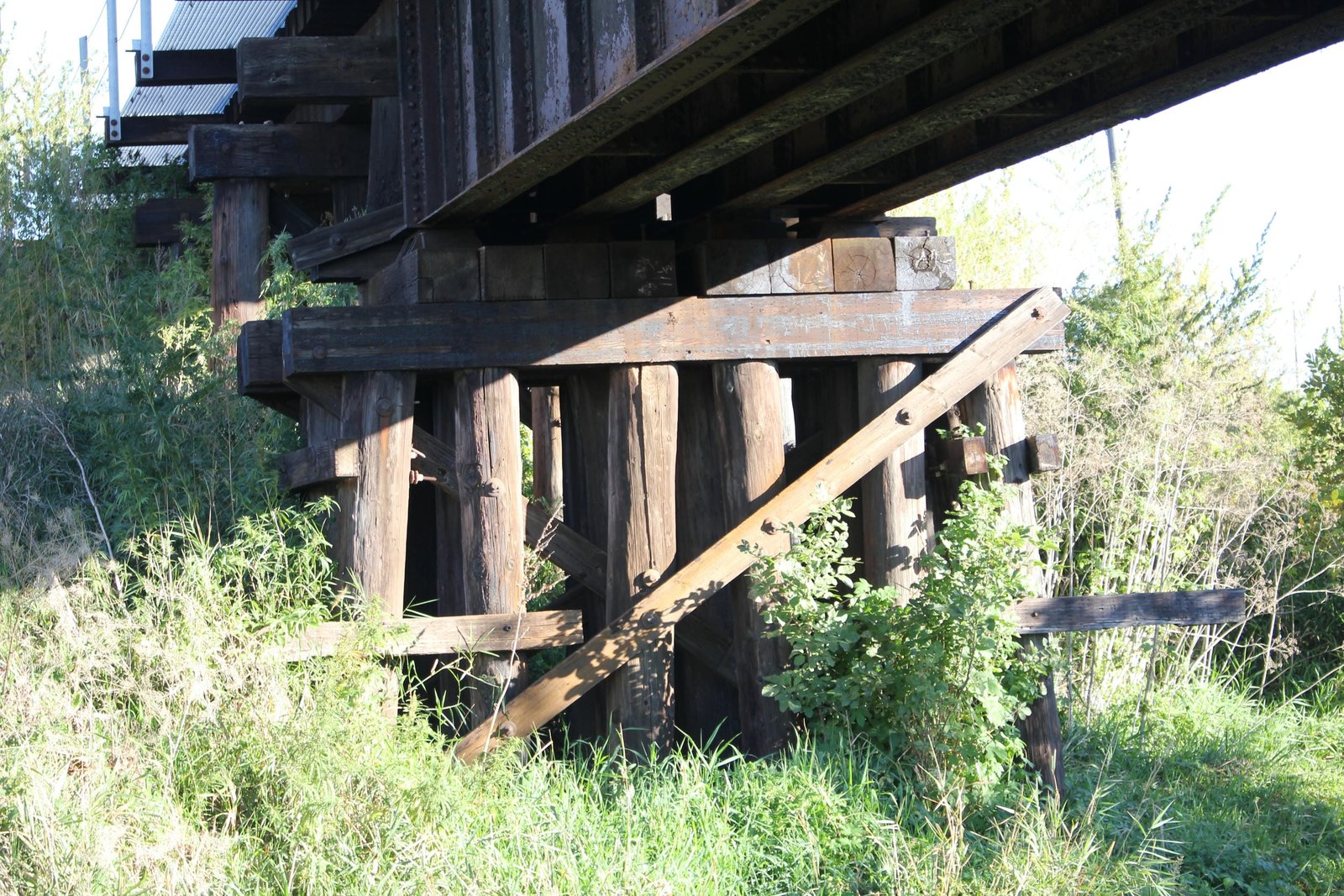
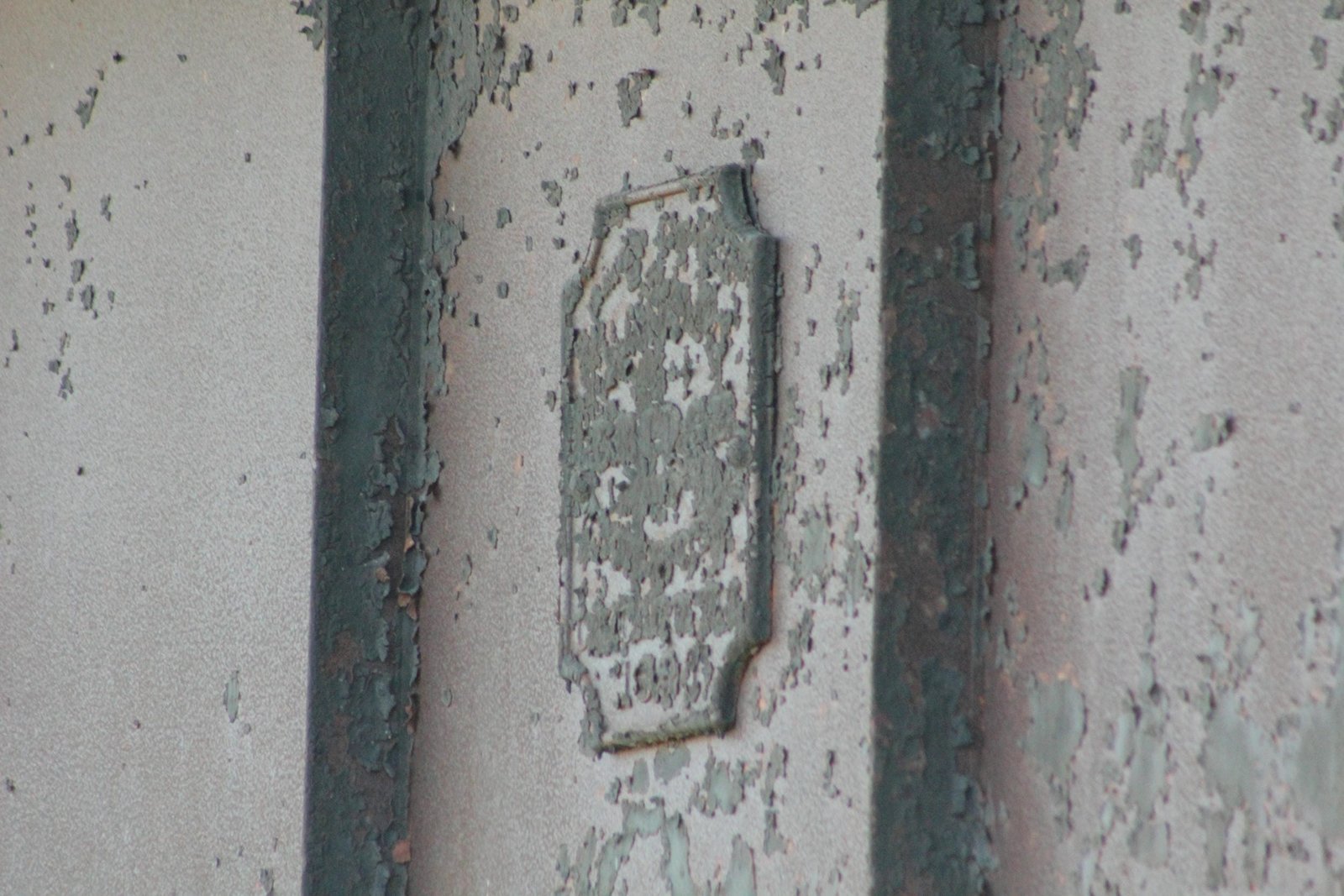
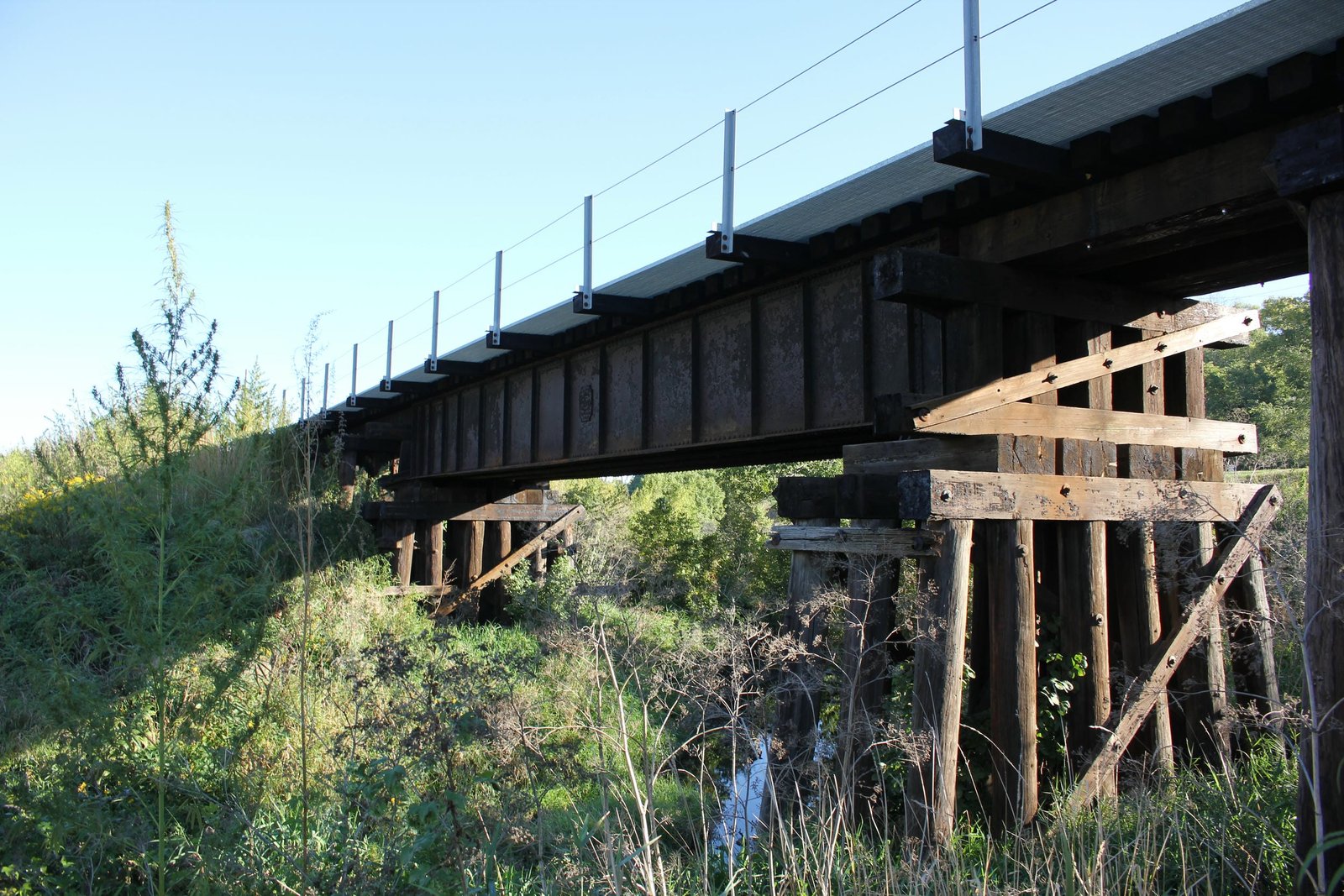
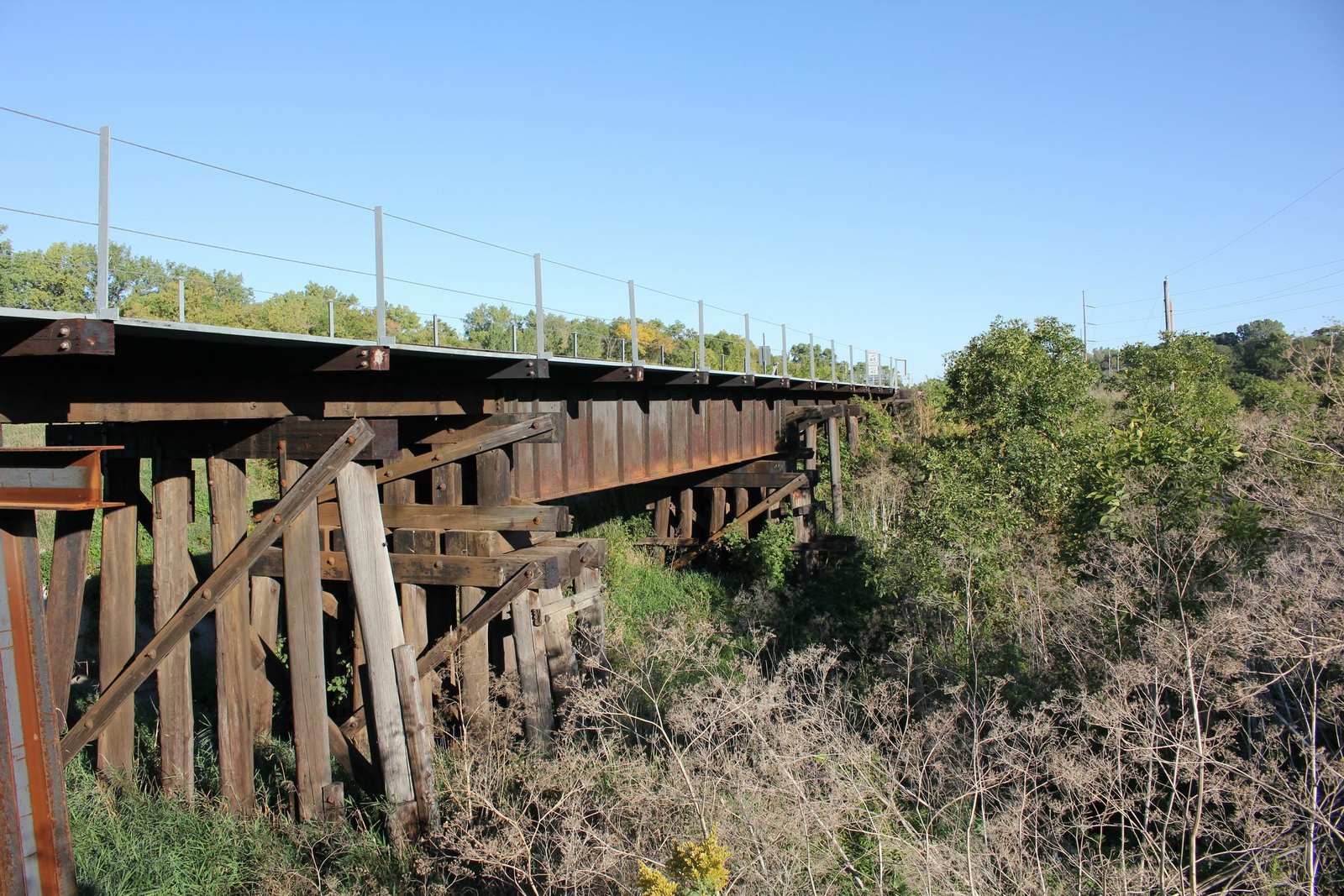
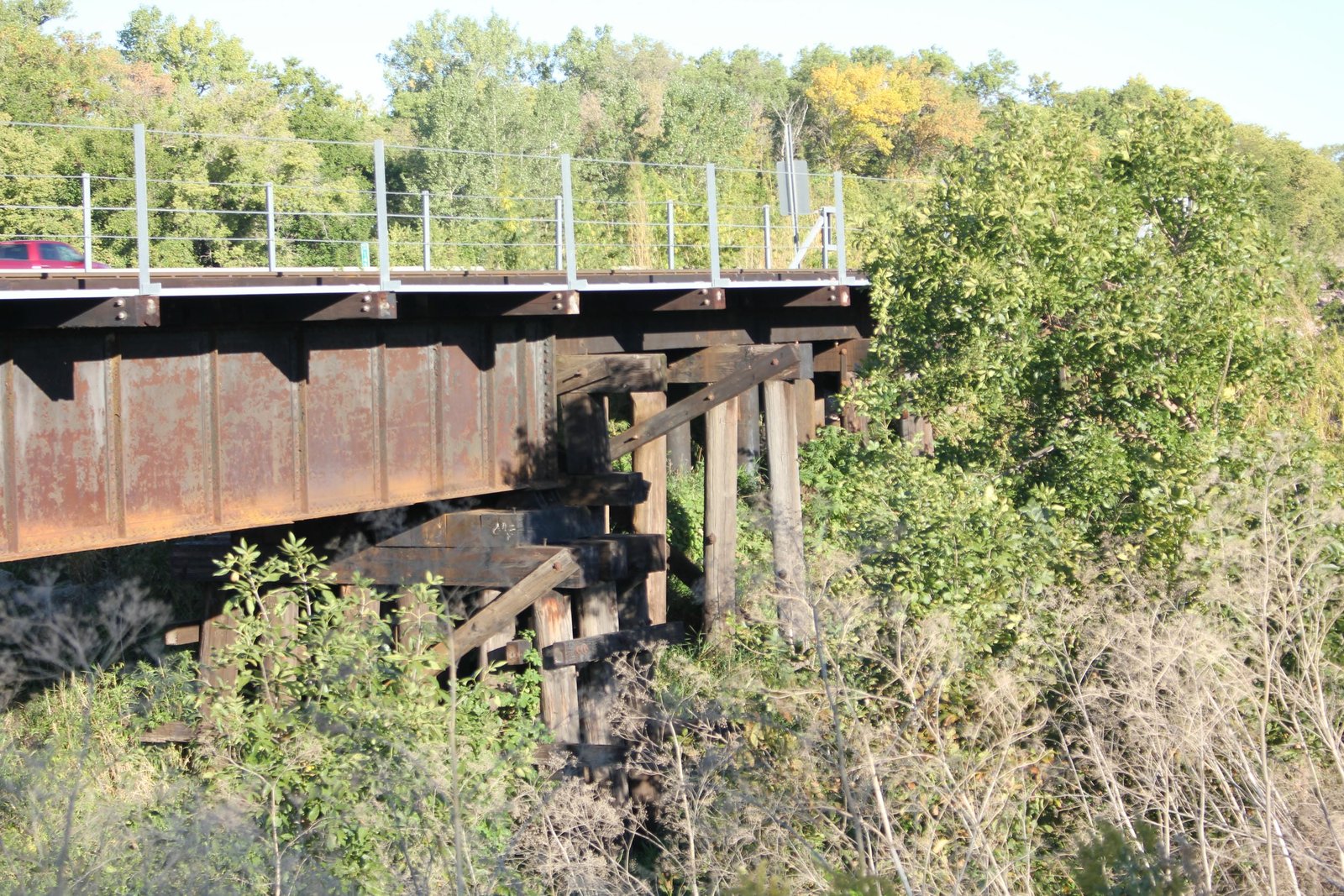
Located along Interstate 29 in Sioux City, this deck plate girder bridge carries a former Chicago & North Western Railway mainline over an unnamed creek which flows through South Ravine. Little is known about the history of this bridge. It is believed the first structure here consisted of a timber pile trestle bridge, which had periodically been renewed since it was first constructed. In approximately 1920, the bridge would be replaced with a secondhand deck plate girder span, retaining the timber pile approaches. Currently, the bridge consists of a 52-foot deck plate girder span, approached by four timber pile trestle spans on either end. The entire bridge is set onto timber pile substructures. The main span was originally fabricated in 1895 by the Lassig Bridge & Iron Works for use at an unknown location. A plaque on the west face of the bridge is largely unreadable, so a fabrication date is unable to be confirmed. The main span follows a modified version of a standard design, with four heavy girders and an open deck. It appears that the span was rebuilt with two additional girders, which were possibly reused from a second unknown location. Railroads often strengthened deck girder spans by adding additional girders, rebuilding the internal bracing in the process. Reusing steel spans was a common technique used by American railroads, as it provided a cost effective way to rebuild bridges without requiring large amounts of new material. Deck plate girder spans were commonly used by railroads, as they were durable and easy to construct. Overall, the bridge appears to be in fair to good condition, with no significant deterioration noted. The author has ranked this bridge as being locally significant, due to the common design and unknown history.
Citations
| Builder (superstructure) | Lassig Bridge & Iron Works plaque |
| Railroad History Citation | ICC Valuation Information, Compiled by Richard S. Steele |