
Click the photo to view the full-size version
| Name | BNSF Bridge #444.70 Chicago, Milwaukee, St. Paul & Pacific Railroad Bridge #Z-1470 |
| Built By | Chicago, Milwaukee, St. Paul & Pacific Railroad |
| Currently Owned By | BNSF Railway |
| Superstructure Contractor | Unknown (Main Span) Unknown (North Span) |
| Length | 146 Feet Total, 70 Foot Main Span |
| Width | 1 Track |
| Height Above Ground | 15 Feet (Estimated) |
| Superstructure Design | Deck Plate Girder, Steel Stringer and Timber Stringer |
| Substructure Design | Steel Pile and Timber Pile |
| Date Built | 1941, Using a Span Fabricated c. 1900 |
| Original Location (Main Span) | Unknown |
| Traffic Count | 1 Train/Day (Estimated) |
| Current Status | In Use |
| Chicago, Milwaukee, St. Paul & Pacific Railroad Bridge Number | Z-1470 |
| BNSF Railway Bridge Number | 444.70 |
| Significance | Local Significance |
| Documentation Date | 3/2/2021 |
In 1870, the Sabula, Ackley & Dakota Rail Road (SA&D) constructed a 21-mile railroad line, extending from the Mississippi River at Sabula, Iowa to Preston, Iowa. The following year, an additional 12 miles were completed to Delmar, Iowa. In 1872, an additional 54 miles were completed to Marion, Iowa. In 1872, the SA&D was conveyed to the Milwaukee & St. Paul Railway (M&StP), which reorganized as the Chicago, Milwaukee & St. Paul Railway (Milwaukee Road) in 1874. In 1882, the Milwaukee Road completed an additional 257 miles between Marion and Council Bluffs, Iowa; completing a mainline from the Mississippi River to the Missouri River. The same year, a bridge across the Mississippi River was completed at Sabula, which connected to the existing Milwaukee Road system in Illinois. By the late 19th Century, the Milwaukee Road had developed a large railroad network throughout the Midwest. This line quickly became a principal mainline for the Milwaukee Road, and allowed for the connection and construction of other branch lines throughout Iowa.
In 1901, a short 12-mile cutoff was completed between Green Island, Iowa and Browns Junction, Iowa; which shortened the distance and provided better grades. The original line was retained as a second track. In the early 20th Century, the Milwaukee Road was aware of the importance of this line, and a massive construction project was planned to modernize the line. Between 1912 and 1915, the line between Green Island and Manilla, Iowa was extensively rebuilt, with a second track constructed and large sections of line relocated. The result was one of the most modern double track lines in Iowa, complete with smooth curves, gentle grades and new bridges. After completion of the project, some short sections of the original line were retained as spurs, which were abandoned by the early 1920s. The Milwaukee Road failed to accurately project the level of traffic over this line, and traffic never reached the threshold that required a double track line. The Milwaukee Road was often in financial trouble, especially after the costly Pacific Extension was completed in 1909. In 1925, the company declared bankruptcy, and reorganized as the Chicago, Milwaukee, St. Paul and Pacific Railroad in 1928. Despite the financial strain, this line remained an important mainline for the Milwaukee Road. Segments between Marion and Covington, Iowa; Newhall, Iowa and Collins, Iowa; and Madrid, Iowa and Templeton, Iowa were reduced to a single track in 1934. The segment between Green Island and Paralta, Iowa was reduced to a single track in 1950; the segment between Paralta and Marion in 1954; the segment between Collins and Madrid, Iowa in 1956 and the segment between Covington and Newhall in 1964. In addition, the original line east of Browns Junction was abandoned in 1950. Financial hardship continued through the 20th Century for the Milwaukee Road, and the railroad again filed bankruptcy in 1977. In 1980, the Milwaukee Road decided to abandon the entire Iowa Division mainline. The segment between Bayard, Iowa and Council Bluffs was sold to Burlington Northern Railroad (BN). Segments between Perry, Iowa and Bayard and between Slater, Iowa and Woodward were sold to the Chicago & North Western Railway (C&NW). A short segment at Marion was sold to the Chicago Central & Pacific Railroad (CC).
In 1985, the segment between Herndon and Bayard was abandoned by the C&NW. In 1995, the C&NW was purchased by Union Pacific Railroad (UP). In 1996, BN merged with the Atchison, Topeka & Santa Fe Railway to form BNSF Railway. The CC was purchased by Illinois Central Railroad (IC) in 1996, and the IC was purchased by Canadian National Railway (CN) in 1998. In 1999, the segment between Dawson, Iowa and Herndon was abandoned by UP. In 2002, most of the segment at Marion was abandoned by CN. Between 2003 and 2004, the remaining portions between Slater and Woodward and between Perry and Dawson were abandoned by UP. Today, BNSF operates the Bayard to Council Bluffs segment as the Bayard Subdivision, and CN still operates a short segment of line in Hiawatha. Linn County has developed large sections around Marion into the Grant Wood Trail. A section west of Rhodes, Iowa has been reused as a trail; and segments between Collins and Slater have been reused as the Heart of Iowa Nature Trail. Much of the line between Slater and Perry has been reused as the High Trestle Trail; and the line between Perry and Herndon has been reused as the Raccoon River Valley Trail. Remaining segments have been abandoned, with much of the right-of-way still intact. In addition, large segments of the original right-of-way that was replaced in the early 20th Century remain intact.
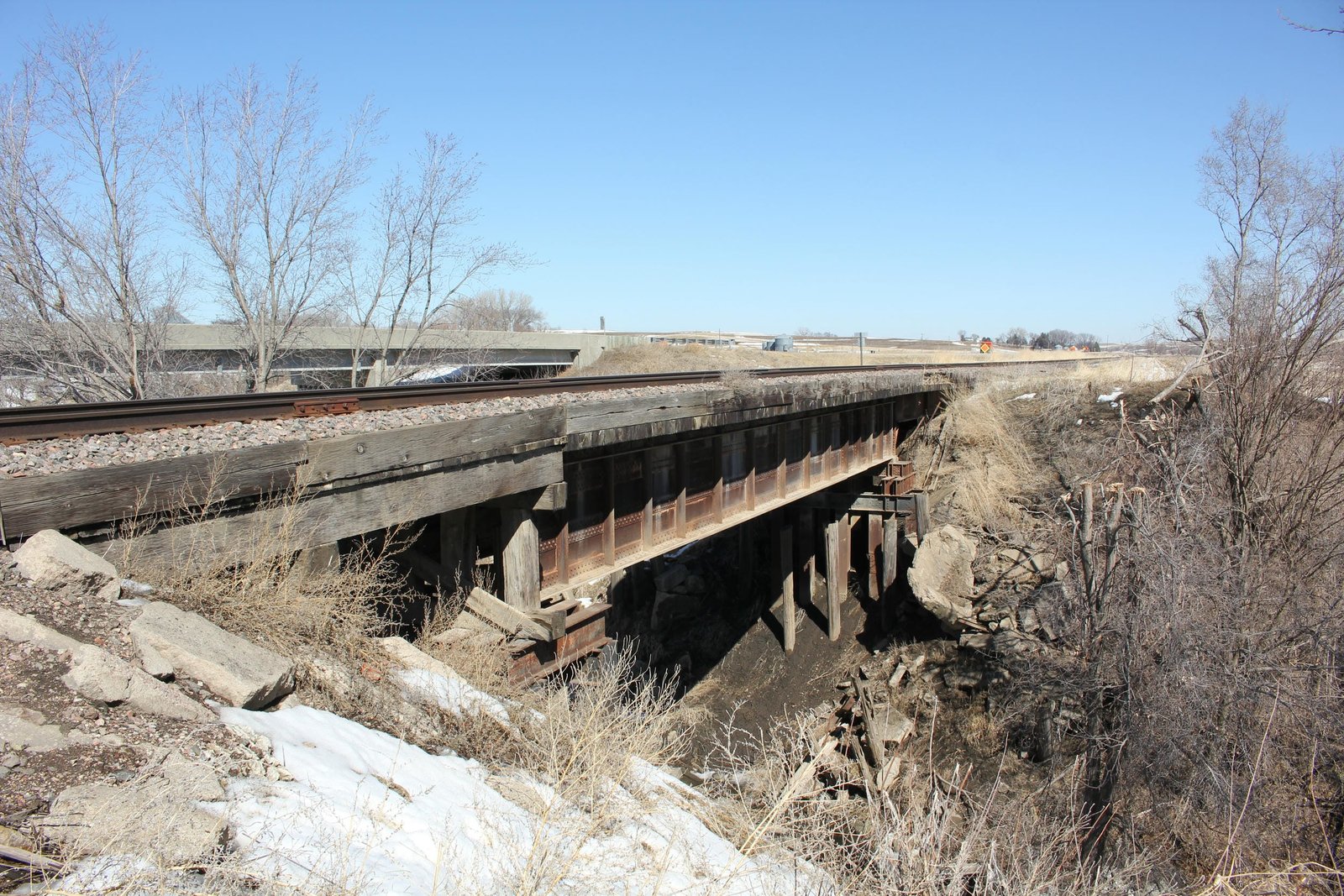
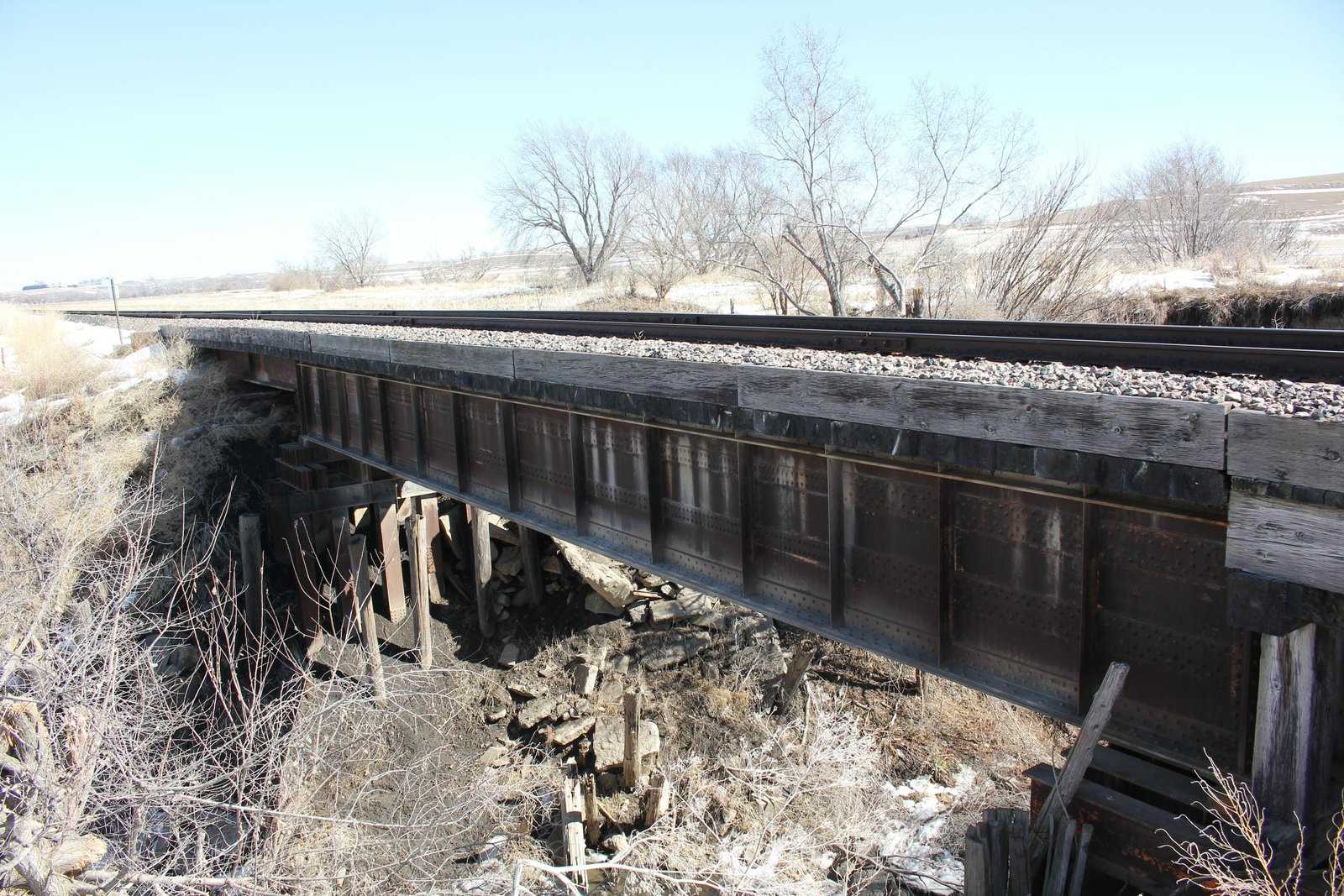
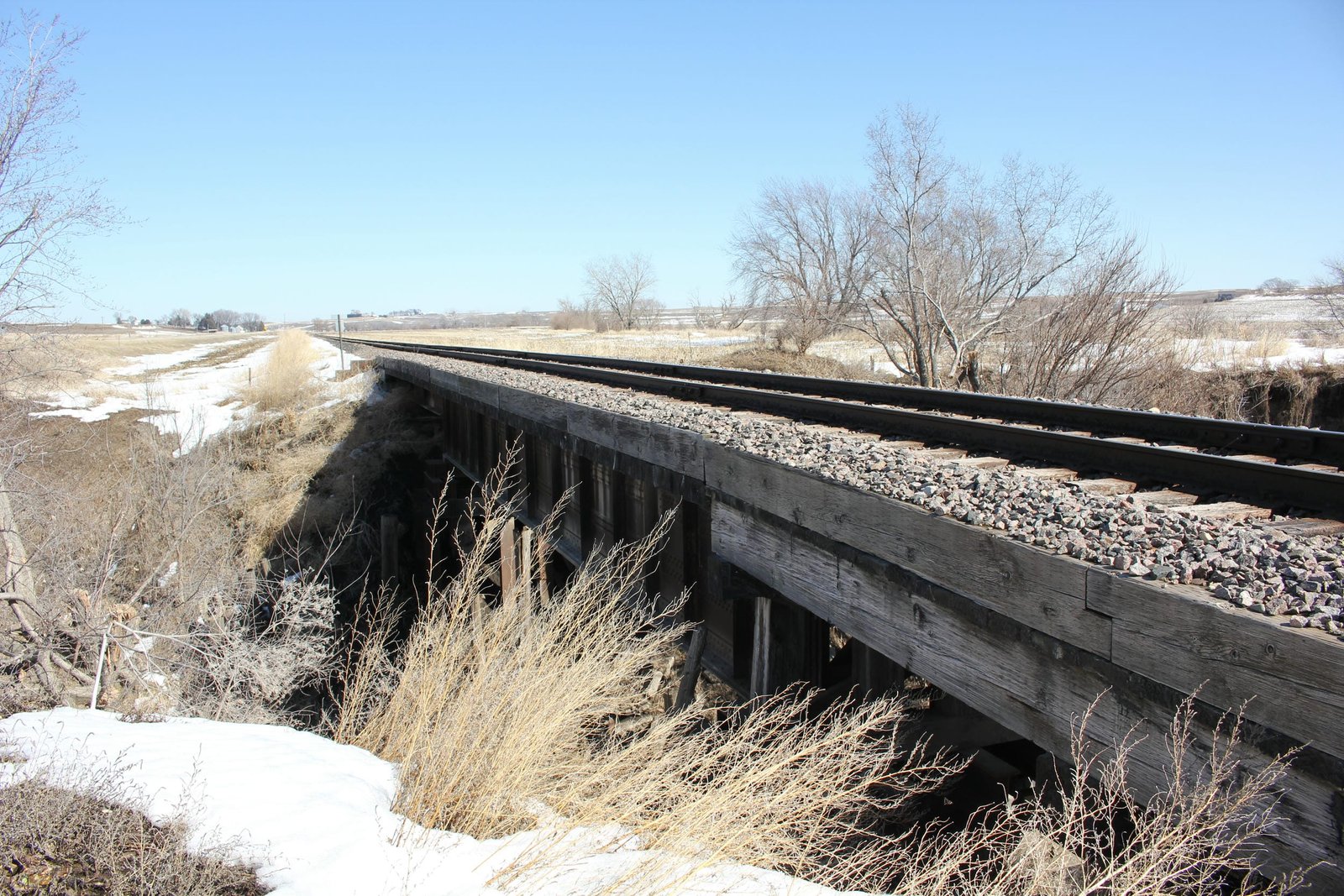
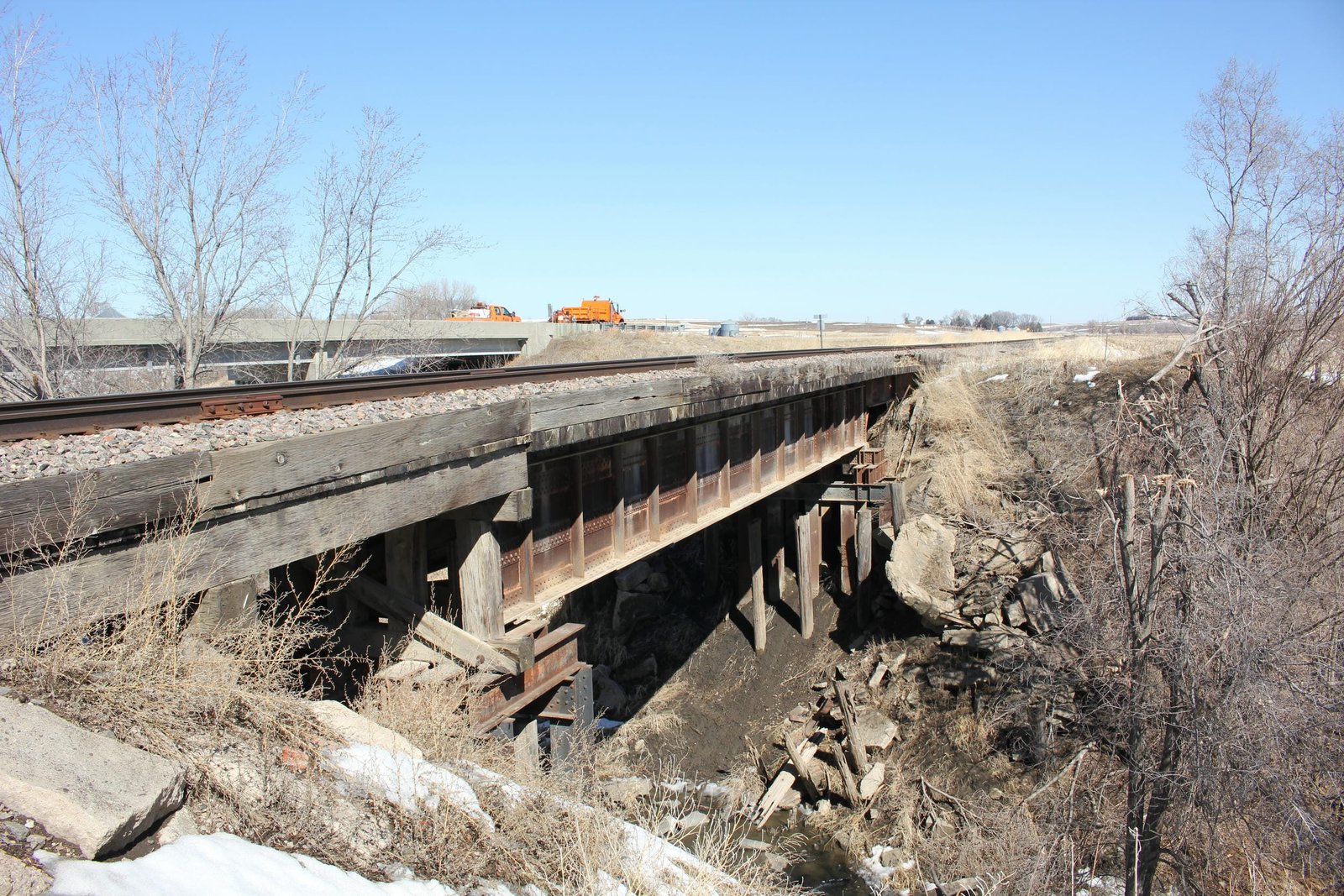
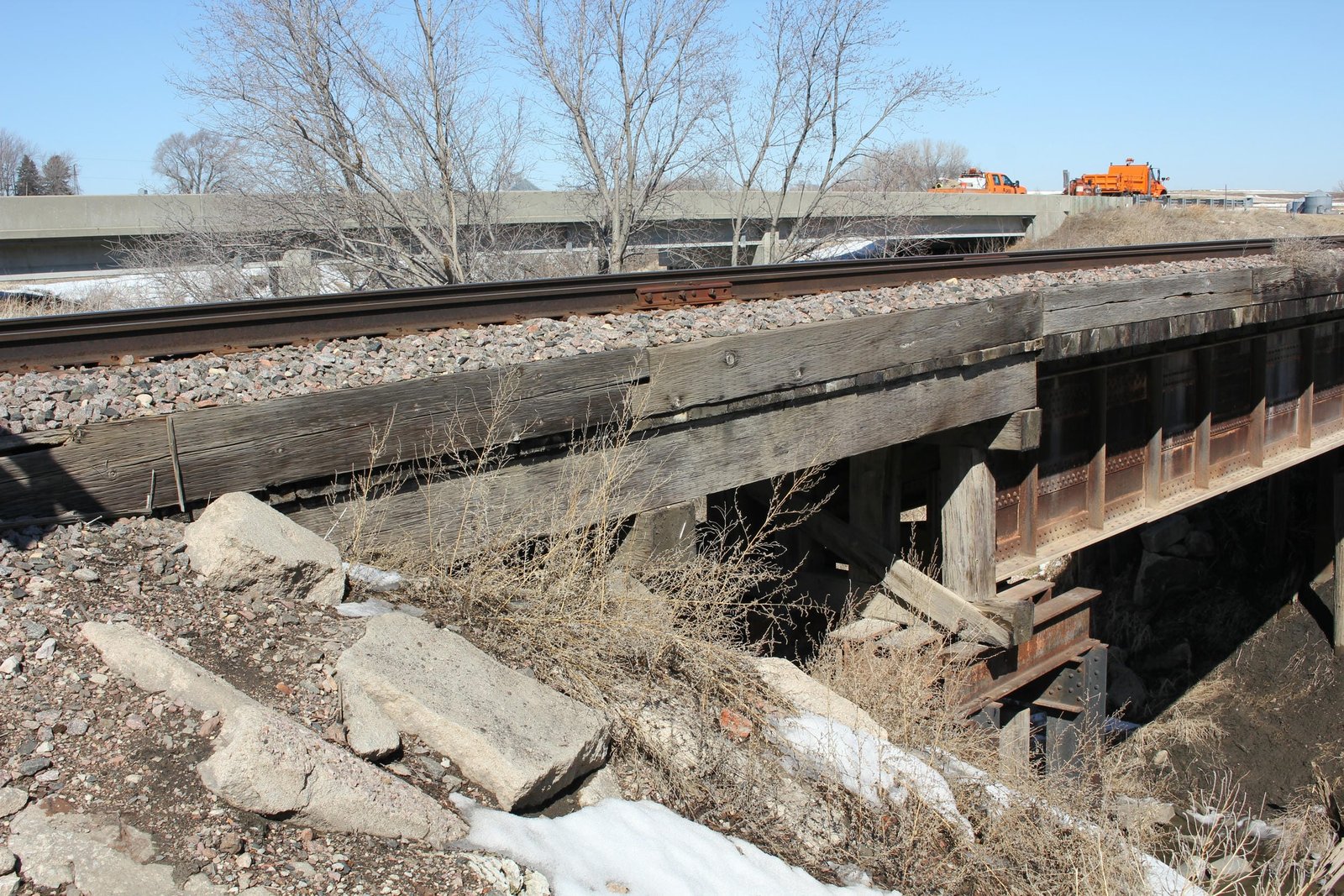
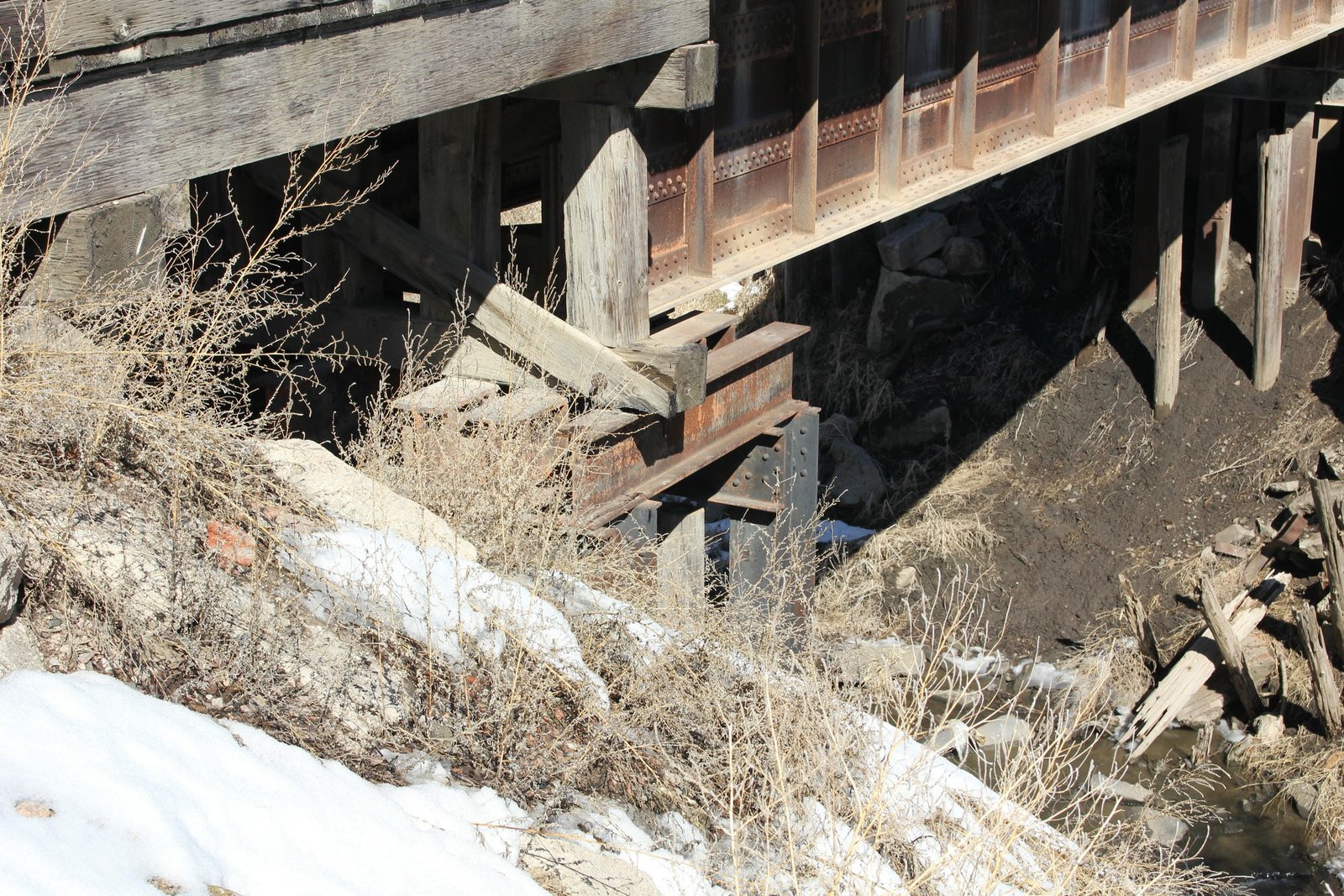
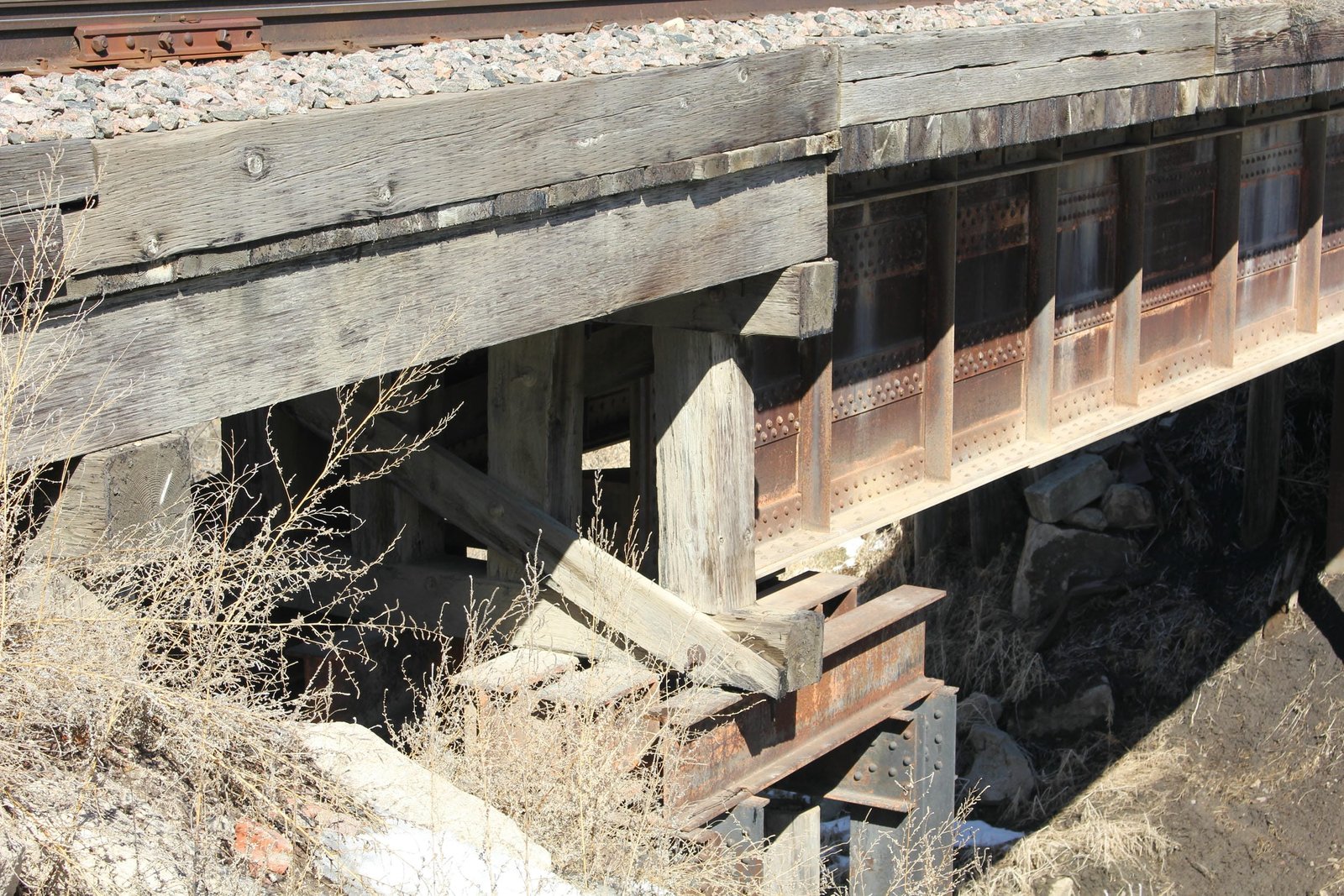
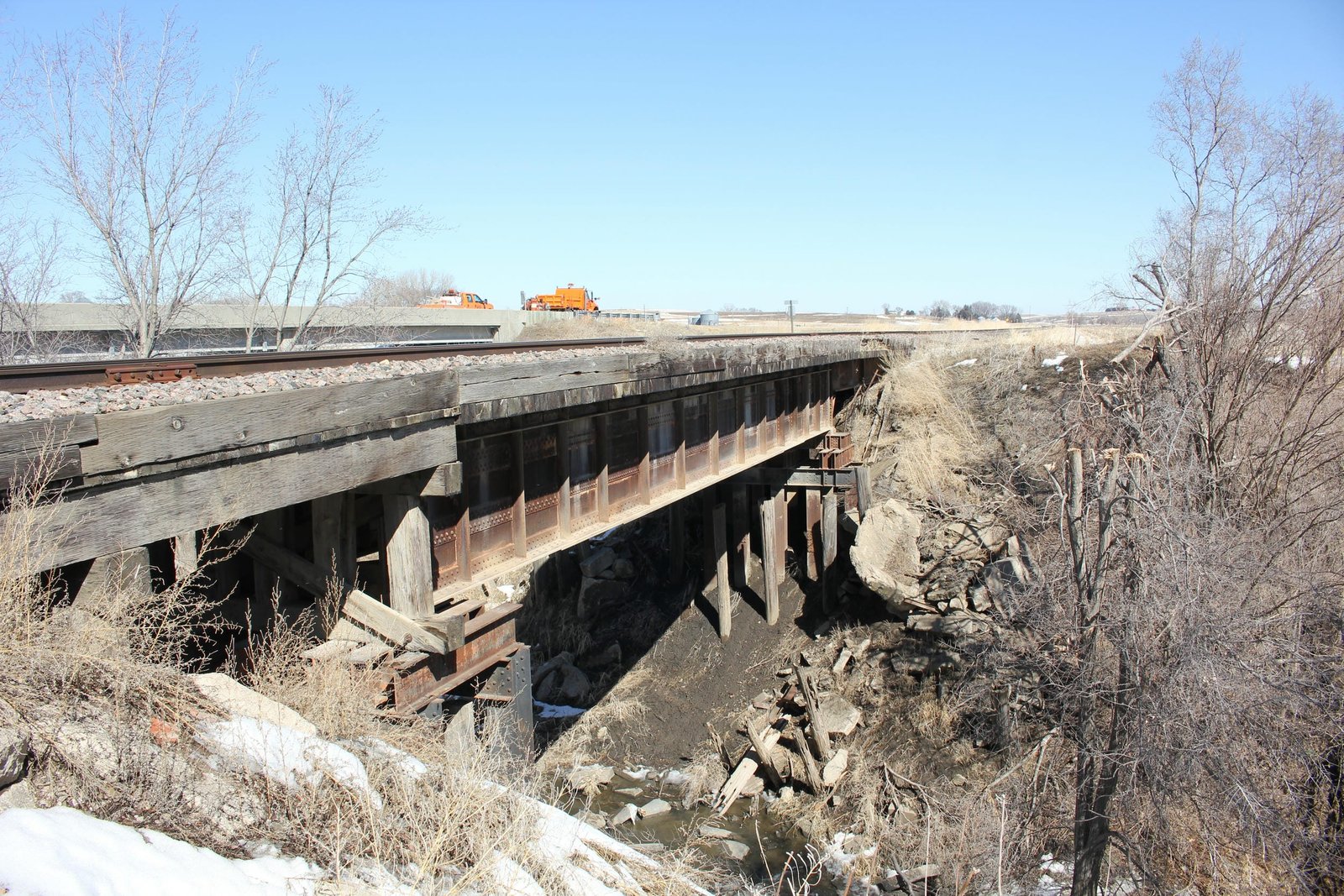
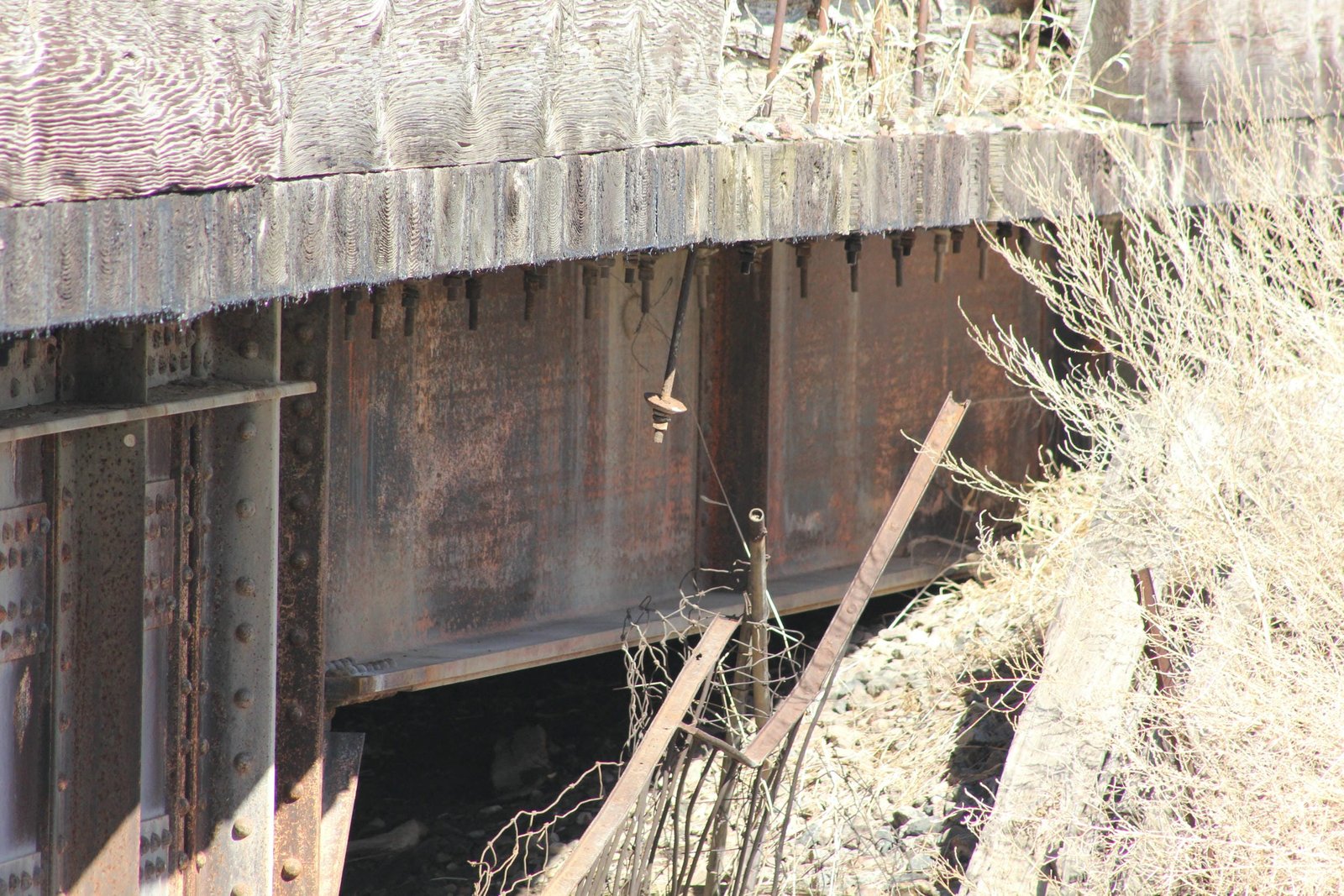
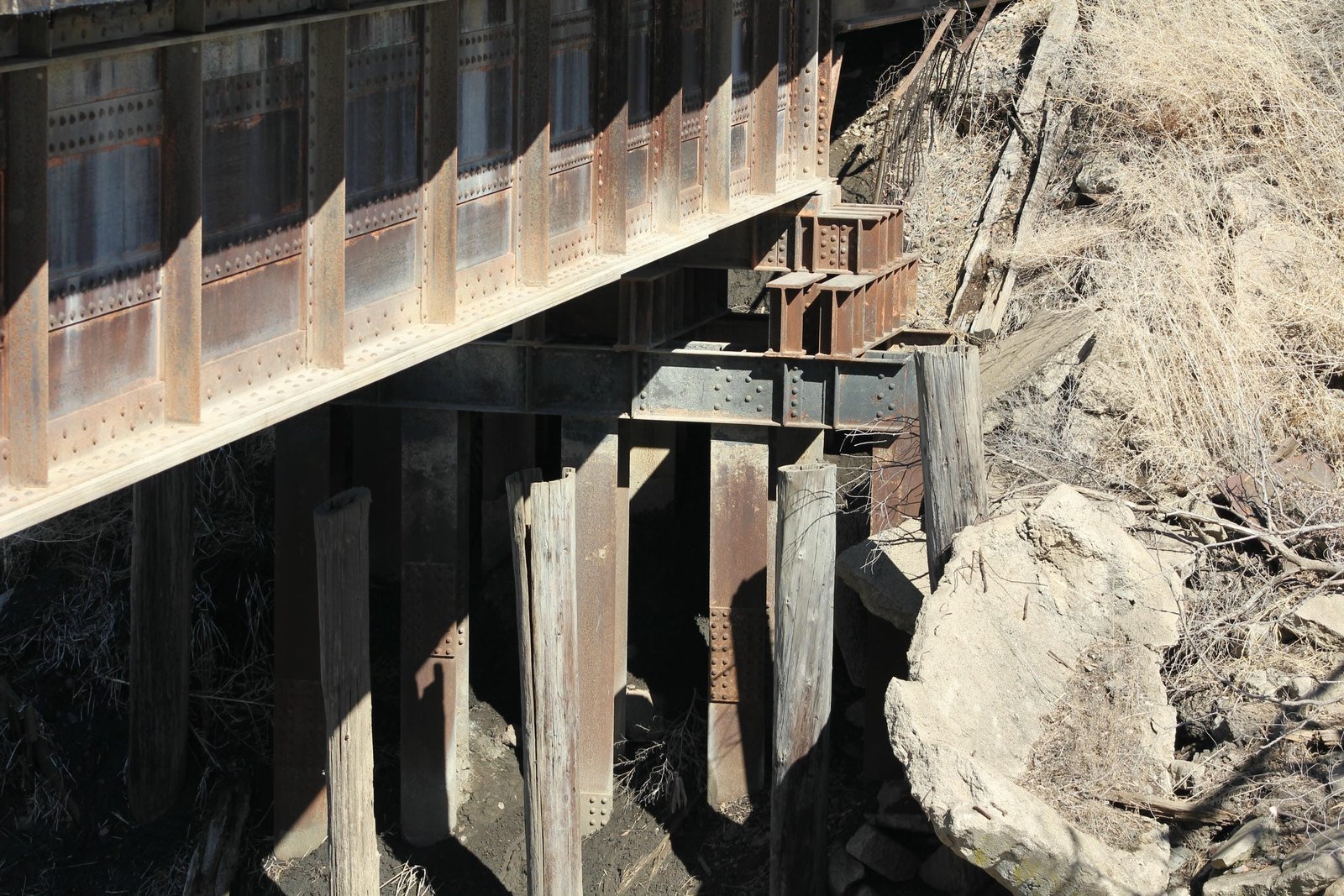
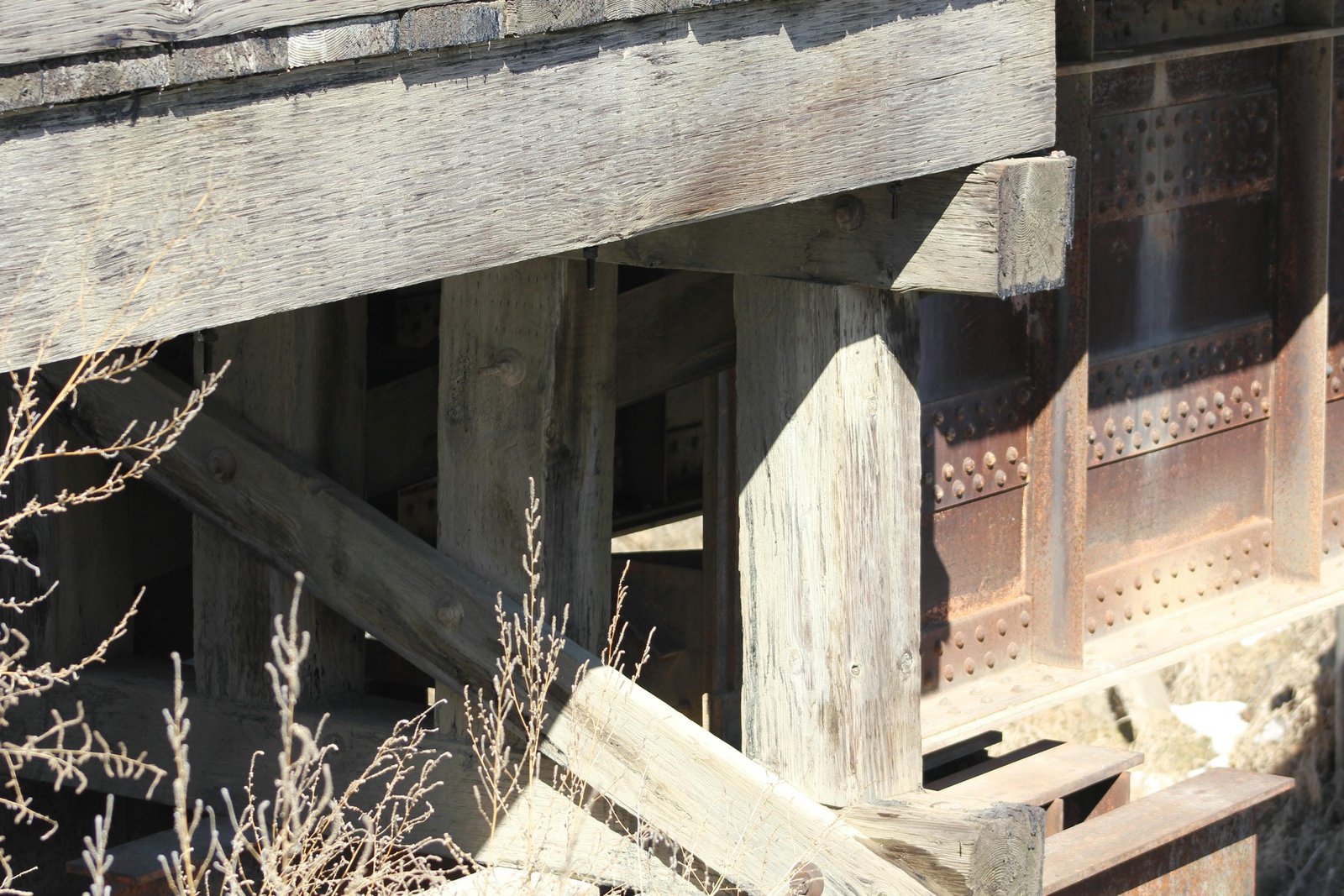
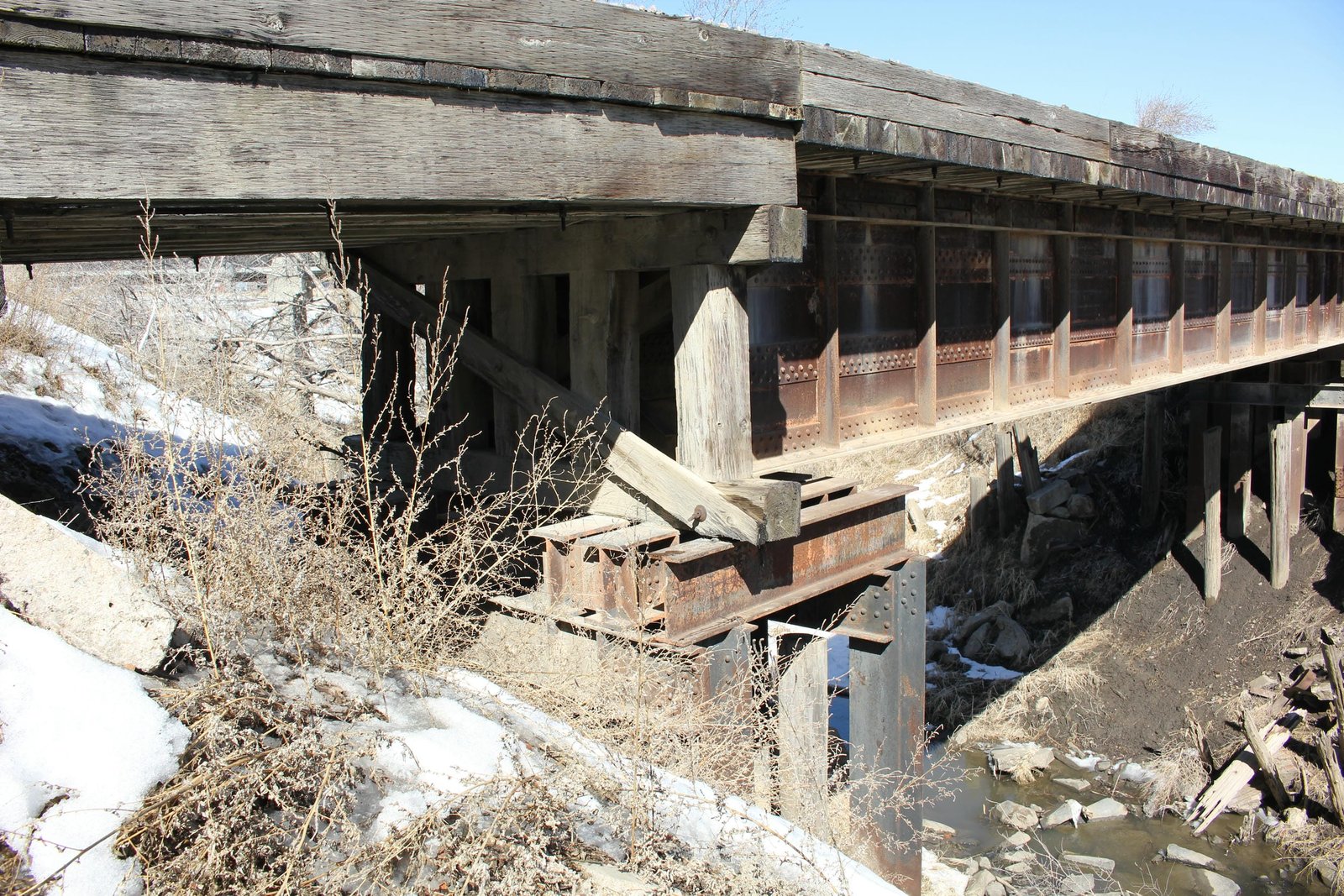
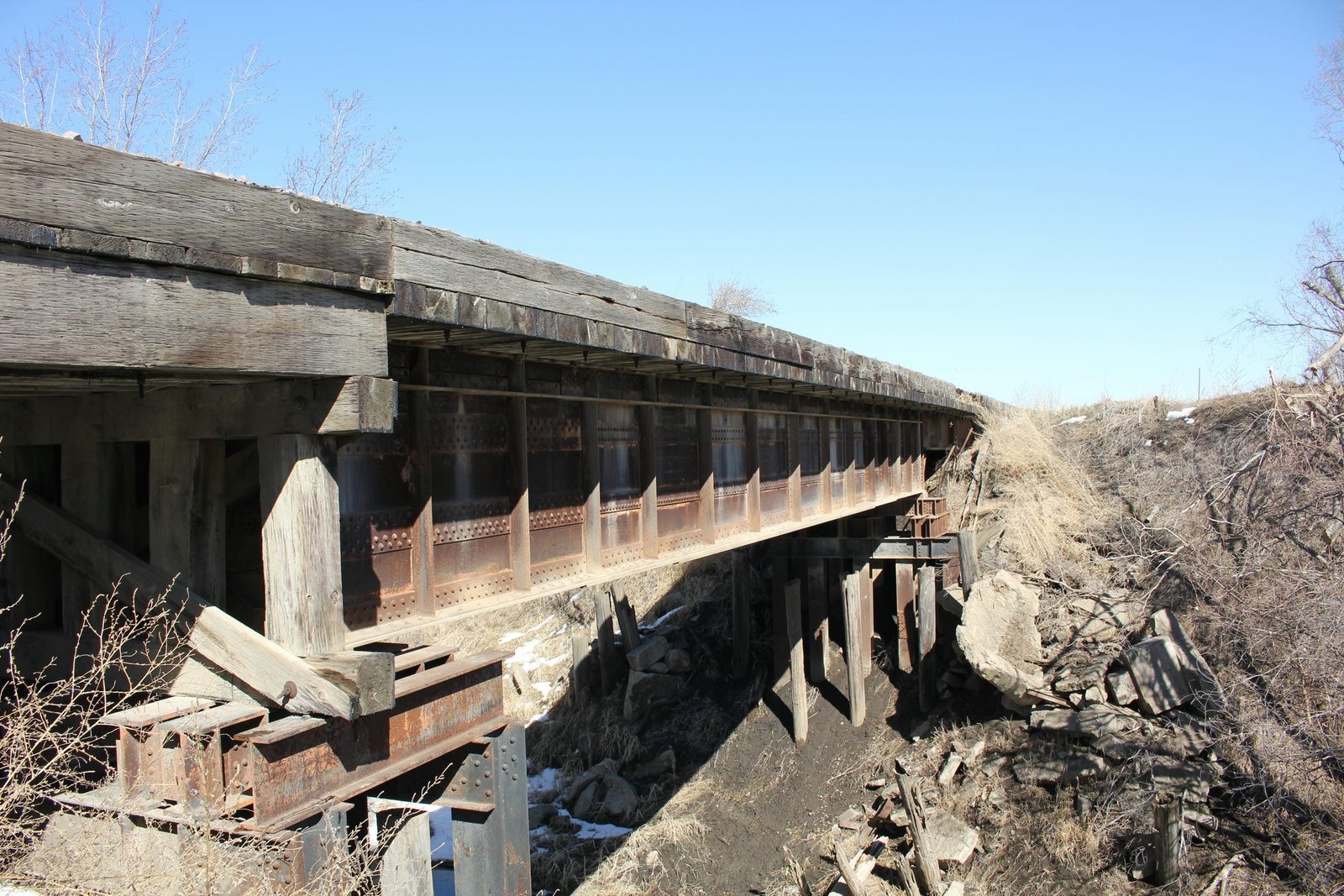
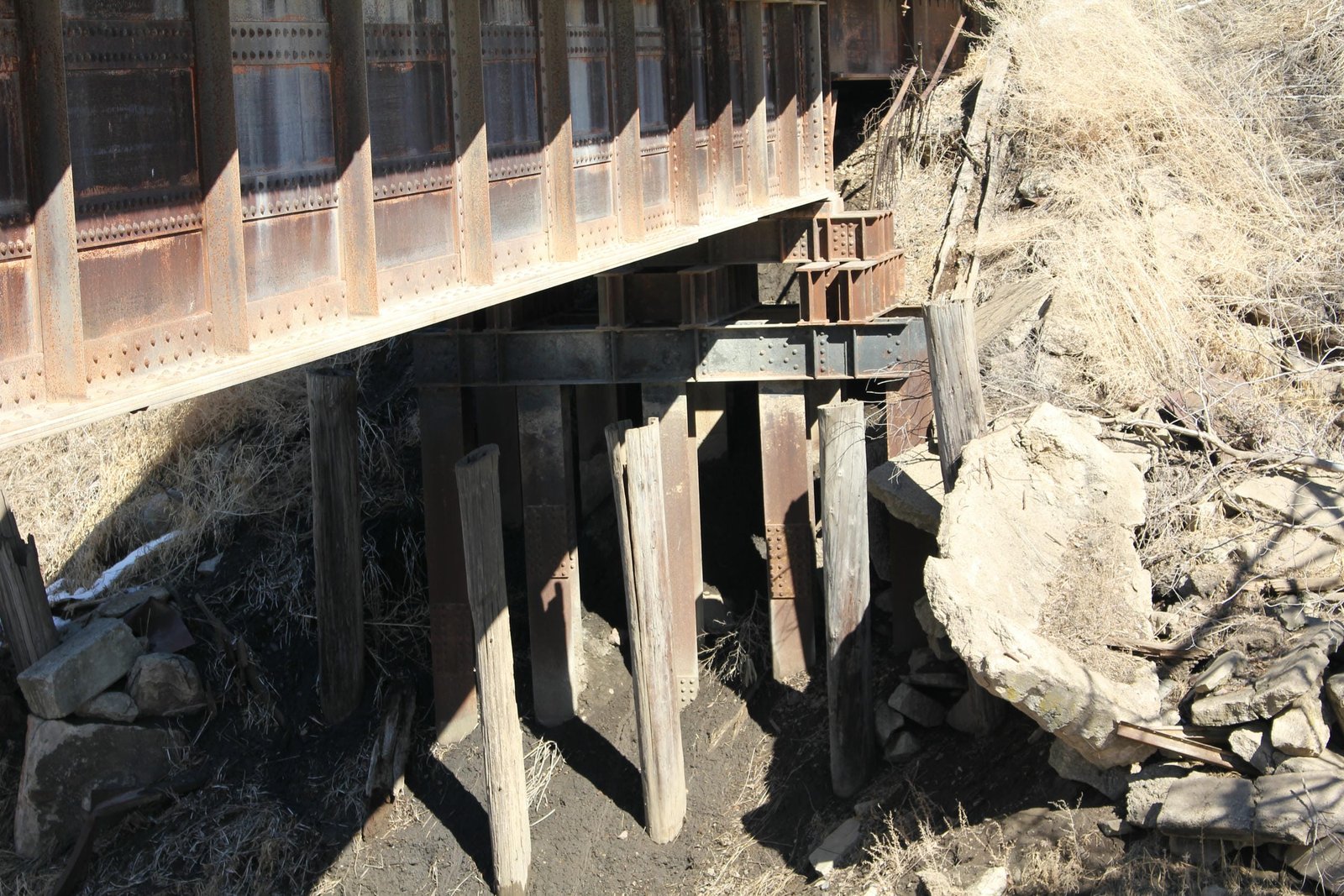
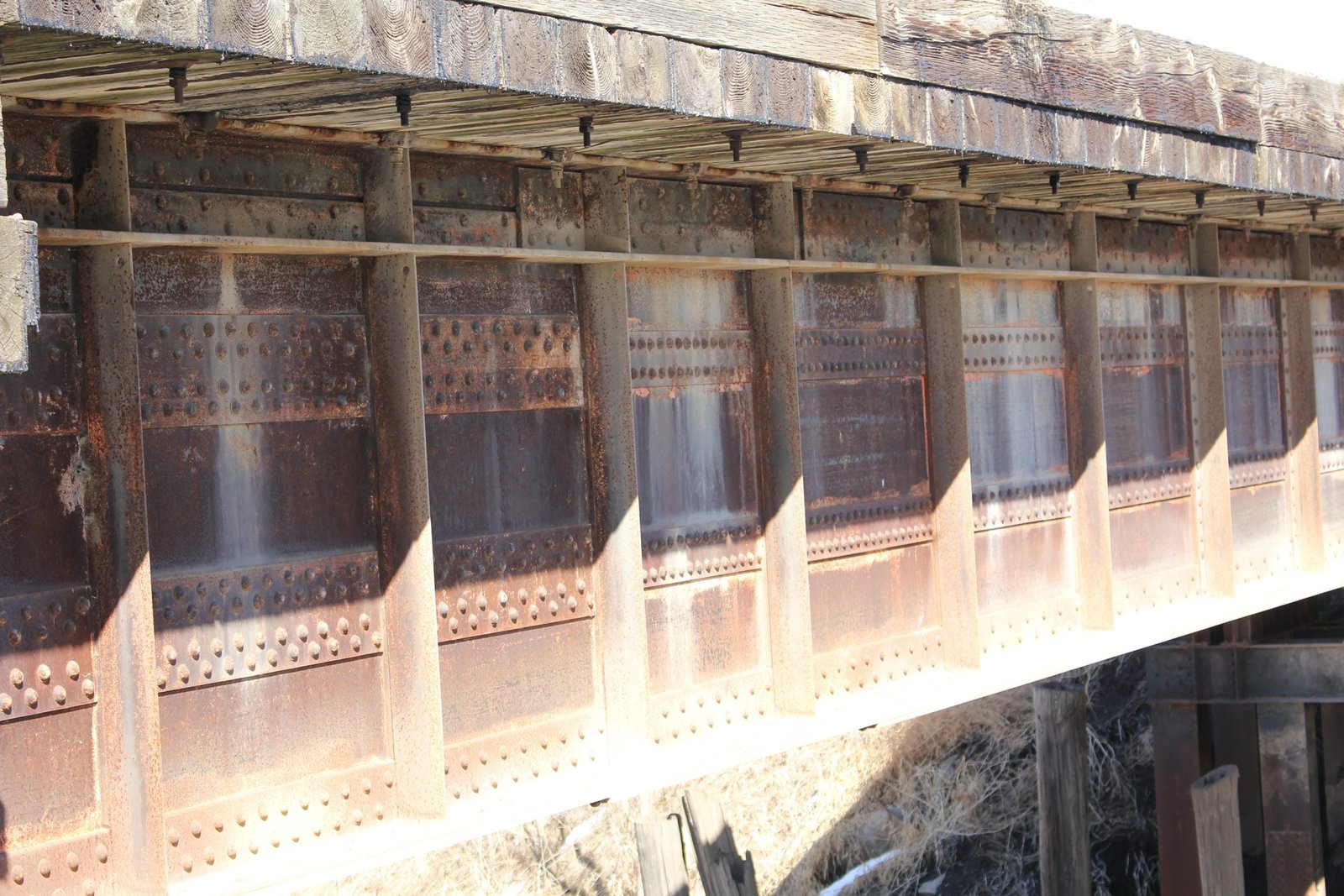
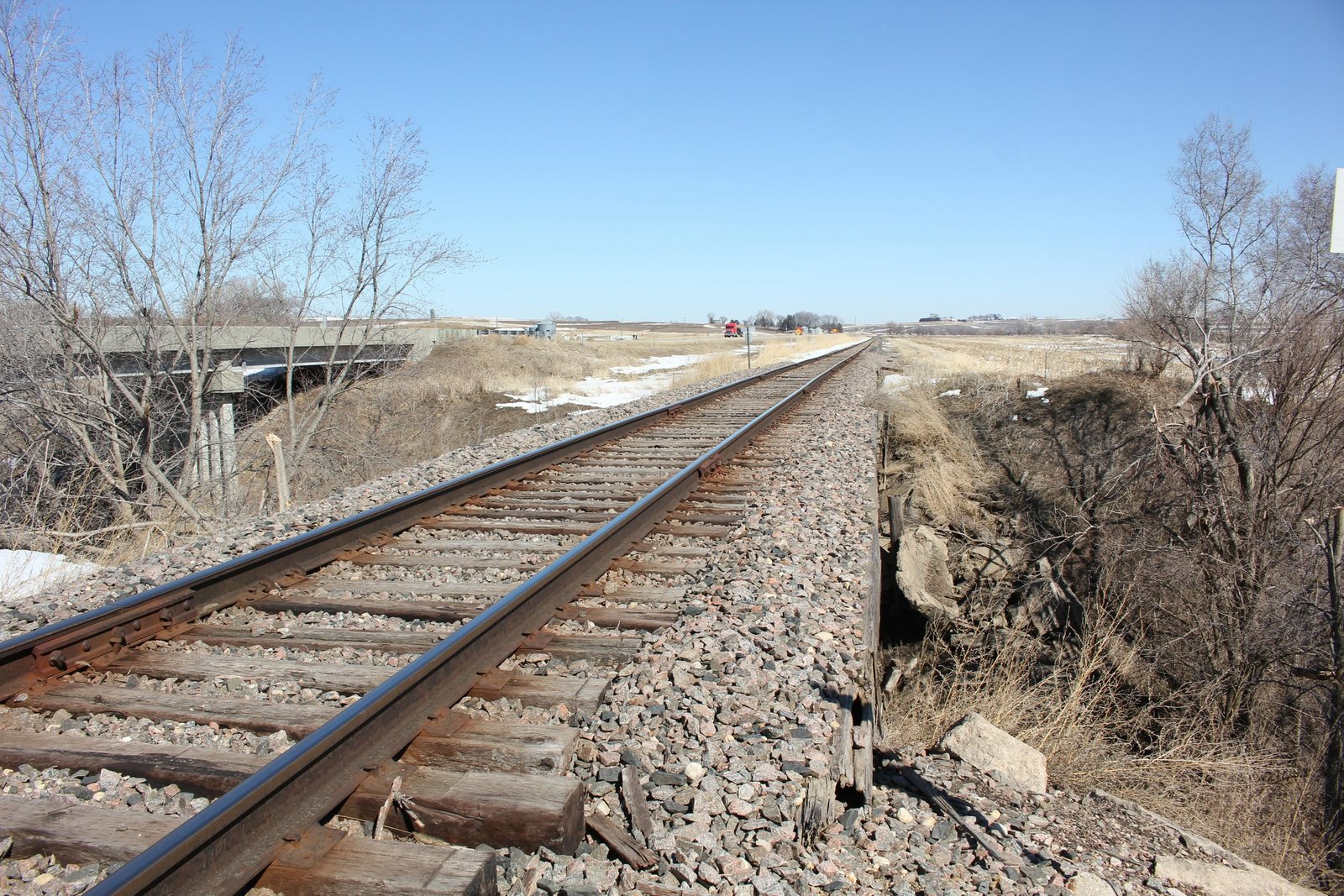
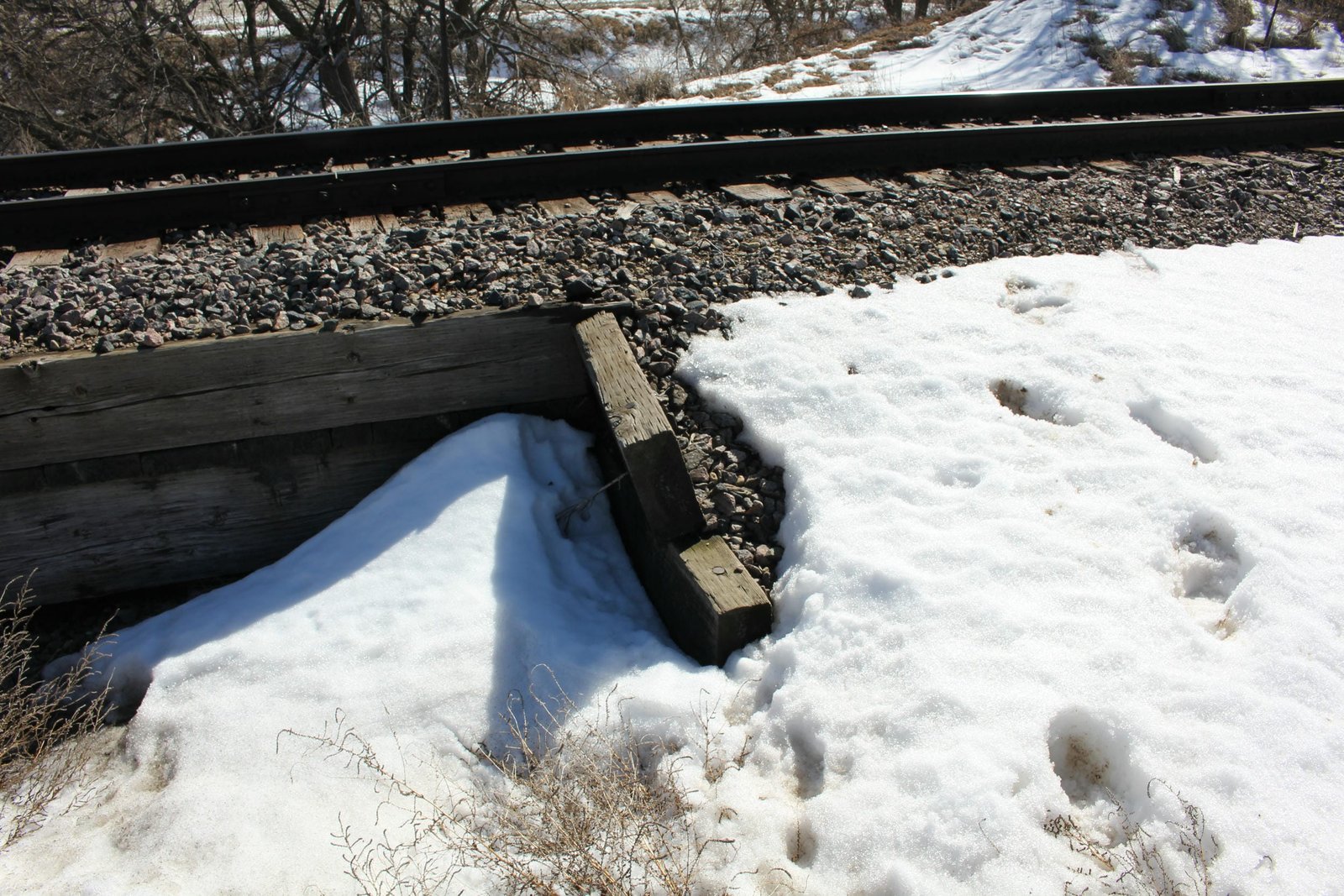
Located along Iowa Highway 191 north of Portsmouth, this deck plate girder bridge carries a former Chicago, Milwaukee, St. Paul & Pacific Railroad (Milwaukee Road) mainline across an unnamed creek. The first bridge at this location was a timber pile trestle, which was periodically renewed into the mid-20th Century. During the 1940s, the Milwaukee Road invested significant capital into this line, repairing, altering and replacing many of the steel bridges. In 1941, the original trestle was replaced by the present steel bridge. Currently, the bridge consists of a 70-foot deck plate girder span, approached by a 33-foot steel stringer span to the north. The south end is approached by two timber pile trestle spans, while the north end is approached by one timber pile trestle span. The steel spans are set onto steel pile piers, while the approaches are set onto timber pile substructures. The main span appears to have originally been fabricated in approximately 1900 for use at an unknown location, before being rebuilt and installed here. The span currently consists of a heavily modified design, which uses four heavy girders and a ballast deck. The steel stringer span uses a standard design, with two shallow beams. The main piers consist of riveted steel piles, which are connected by longitudinal beams and a transverse beam is placed on the longitudinal beams. Unknown contractors fabricated the main span and steel stringer span, while railroad company forces rebuilt the main span, erected the spans, constructed the steel pile piers and constructed the timber components. Railroads often reused steel and iron spans, as it provided a cost effective way to upgrade bridges without requiring large amounts of new material. One technique to strengthen spans was to combine four girders into one single strength span. It is unclear if the main span girders were reused from one location or multiple locations. Deck plate girder spans were popular for railroad use, as they were durable and easy to construct. Since the initial construction, the bridge has seen no significant alterations. Today, the bridge remains in use as part of a BNSF Railway branch line. Overall, the bridge appears to be in fair to good condition, with no significant deterioration noted. The author has ranked the bridge as being locally significant, due to the common design and unknown history.
Citations
| Erection date | Milwaukee Road Bridge Index, located at the Milwaukee Road Archives at the Milwaukee Public Library |
| Railroad History Citation | ICC Valuation Information, Compiled by Richard S. Steele |