




Click the photo to view the full-size version
| Name | Chicago Great Western Railway Culvert #C294.11 |
| Built By | Chicago Great Western Railway |
| Currently Owned By | Butler County Conservation Board |
| Contractor | Unknown |
| Length | 5 Feet Total |
| Width | 1 Track (49 Feet) |
| Height Above Ground | 5 Feet (Estimated) |
| Superstructure Design | Stone Arch Culvert |
| Substructure Design | Stone Masonry |
| Date Built | c. 1900 |
| Traffic Count | 0 Trains/Day (Bridge is Open to Pedestrian Traffic) |
| Current Status | In Use |
| Chicago Great Western Railway Bridge Number | C294.11 |
| Union Pacific Railroad Bridge Number | 294.11 |
| Significance | Local Significance |
| Documentation Date | 2/29/2020 |
In 1879, the Dubuque & Dakota Rail Road (D&D) constructed 41 miles of new railroad, extending from Waverly, Iowa to Hampton, Iowa. In 1887, the D&D was sold to the Minnesota and Northwestern Railroad (M&NW), which merged with the Chicago, St. Paul & Kansas City Railway (CStP&KC) in 1887. The CStP&KC was sold to the Chicago Great Western Railway (CGW) in 1893. In 1902, the CGW sold the Hampton to Waverly line to the Mason City & Fort Dodge Railway (MC&FD Ry), which rehabilitated the line. Concurrently, the Mason City & Fort Dodge Railroad (MC&FD) constructed 27 additional miles from Hampton, Iowa to Clarion, Iowa. Both the MC&FD Ry and MC&FD were leased by the CGW. The MC&FD Ry completed an additional 29 miles of new railroad between Oelwein, Iowa and Waverly in 1904, and was merged into the MC&FD in 1905. The CGW would be reorganized as the Chicago Great Western Railroad in 1909, and maintained a lease of the MC&FD property.
The CGW had acquired and constructed a modest railroad network throughout Illinois, Iowa, Minnesota and Missouri; connecting major cities in these states. The CGW was one of the smaller railroads in the area, and was late to develop lines. As a result, the railroad never saw the fortunes of other railroads in the area. This line served as a principal mainline for the CGW, serving agricultural industries and providing a connection to terminals at Omaha, Nebraska. In the early 20th Century, the CGW was often surviving on razor-thin profit margins. In 1940, the CGW entered bankruptcy, and was again reorganized as the Chicago Great Western Railway. At this time, the MC&FD was formally merged into the CGW. After the bankruptcy, the CGW became an innovative railroad, pioneering intermodal service and becoming one of the first railroads to completely switch to diesel locomotives. A capital improvement program was launched in 1949, which sought to rebuild and rehabilitate deteriorated infrastructure.
In 1968, the CGW was purchased by the Chicago & North Western Railway (C&NW). The C&NW already owned a better constructed route, which ran roughly parallel to this line. In 1979, the C&NW abandoned a section between Coulter, Iowa and Clarion; followed by a large section between Oelwein and Shell Rock, Iowa in 1986. A short segment was abandoned between Shell Rock and Clarksville, Iowa in 1988. In 1995, the C&NW was purchased by Union Pacific Railroad (UP). UP abandoned a section between Clarksville and Allison, Iowa in 1998, followed by the remaining section between Allison and Coulter in 2003. Today, much of the line has been acquired for trail use. The Rolling Prairie Trail currently uses the right-of-way between Readlyn and Waverly, between Clarksville and Bristow and between Hampton and Coulter. The remaining section between Bristow and Hampton is scheduled to become part of the trail, while the remaining sections are currently abandoned.
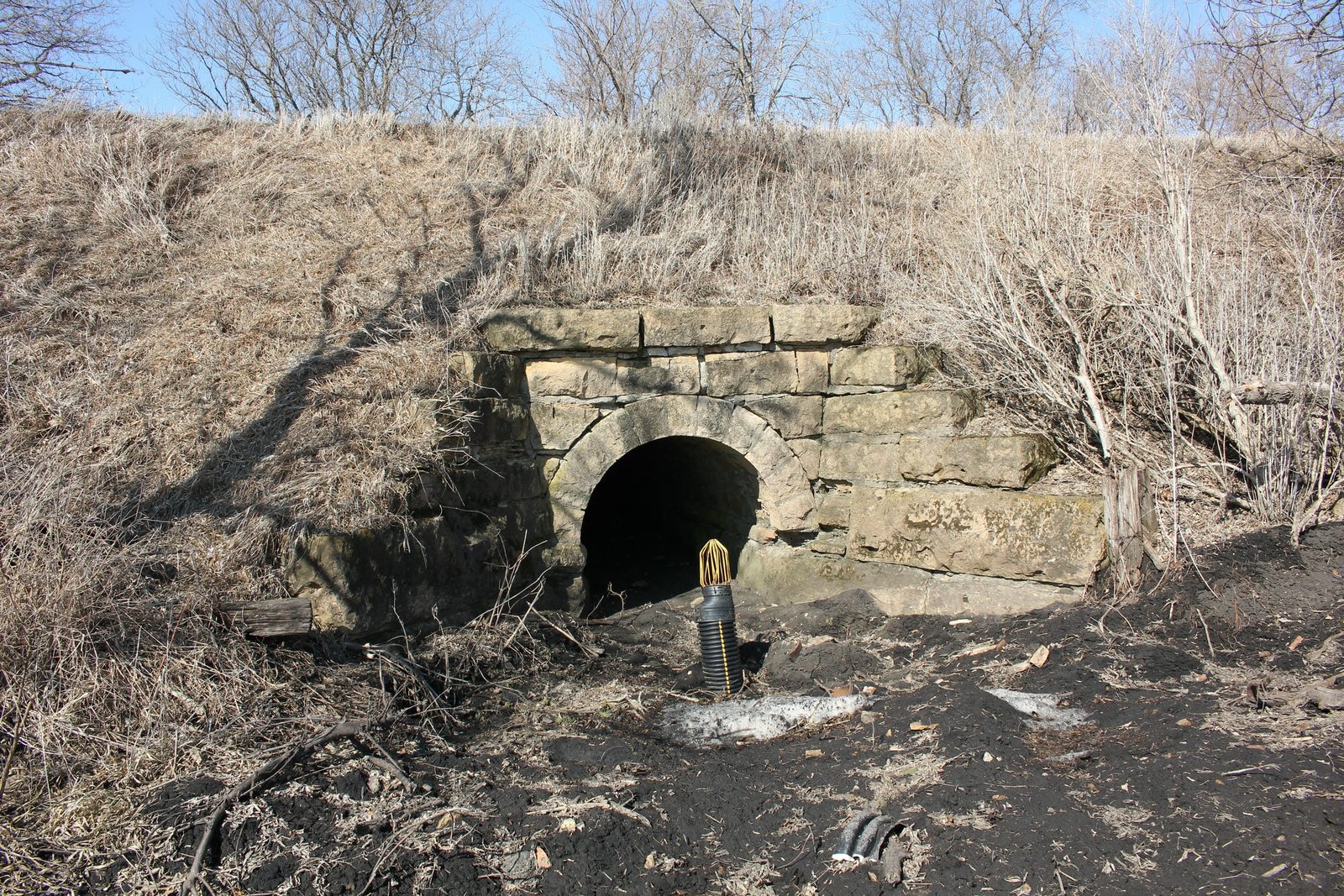
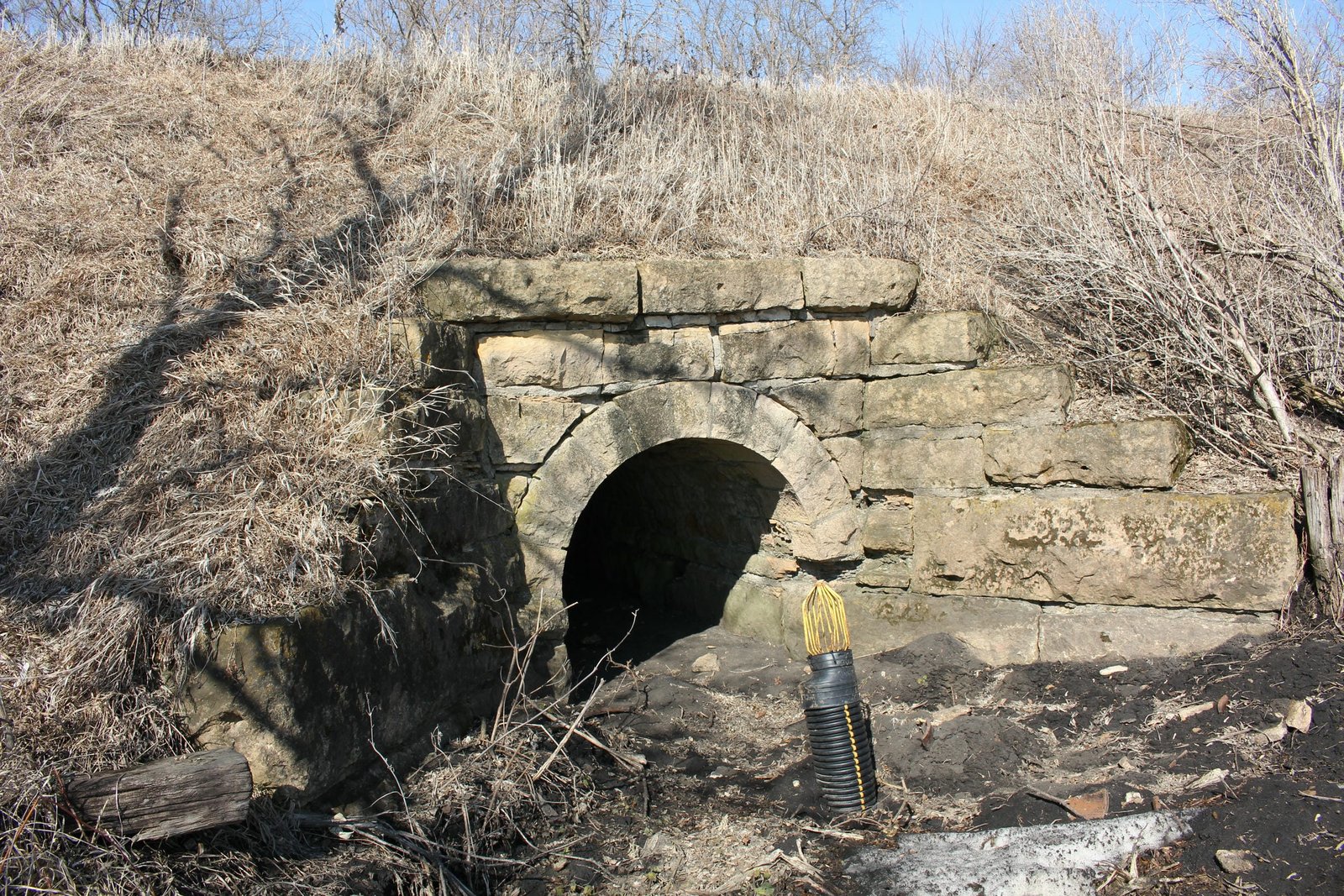
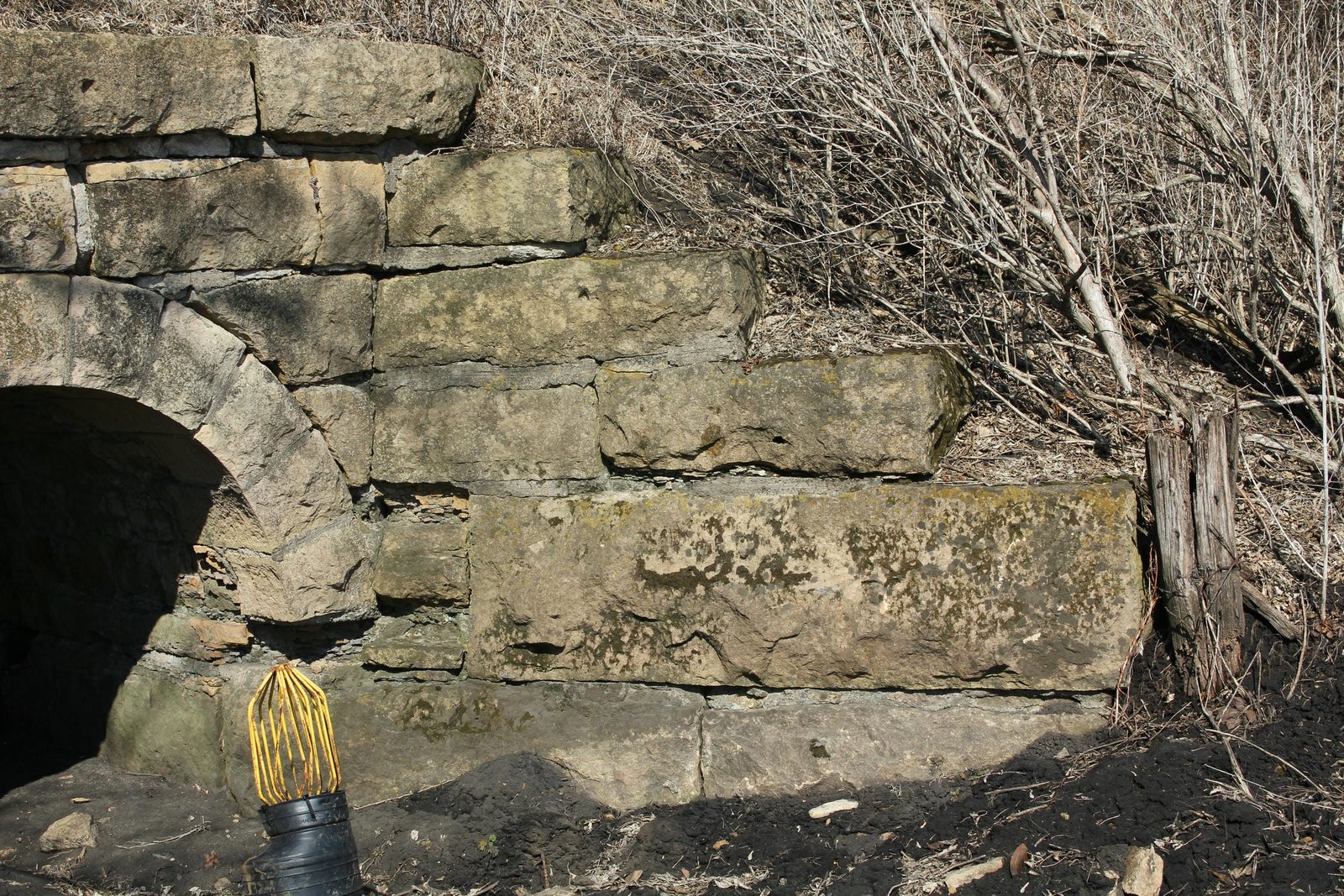
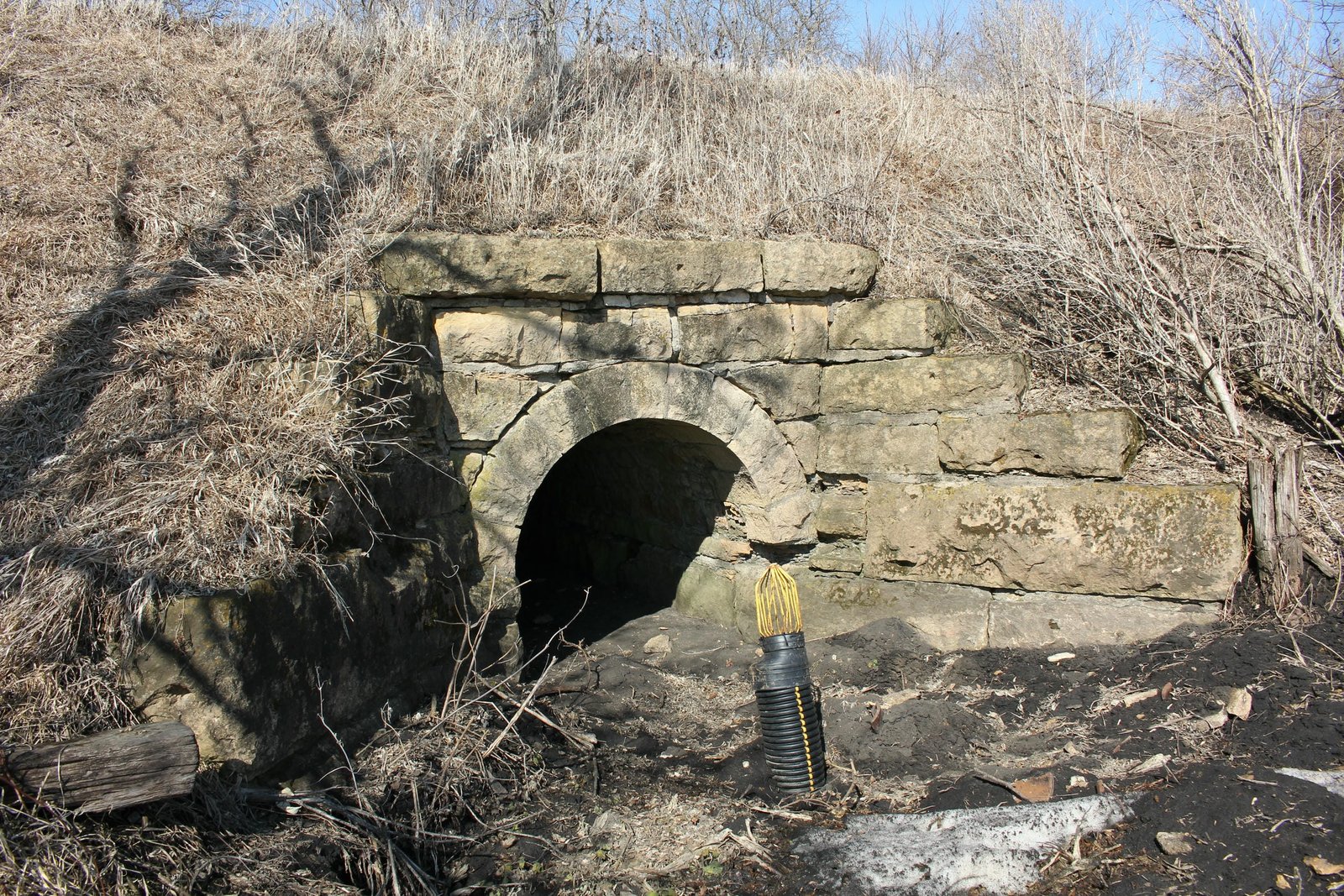
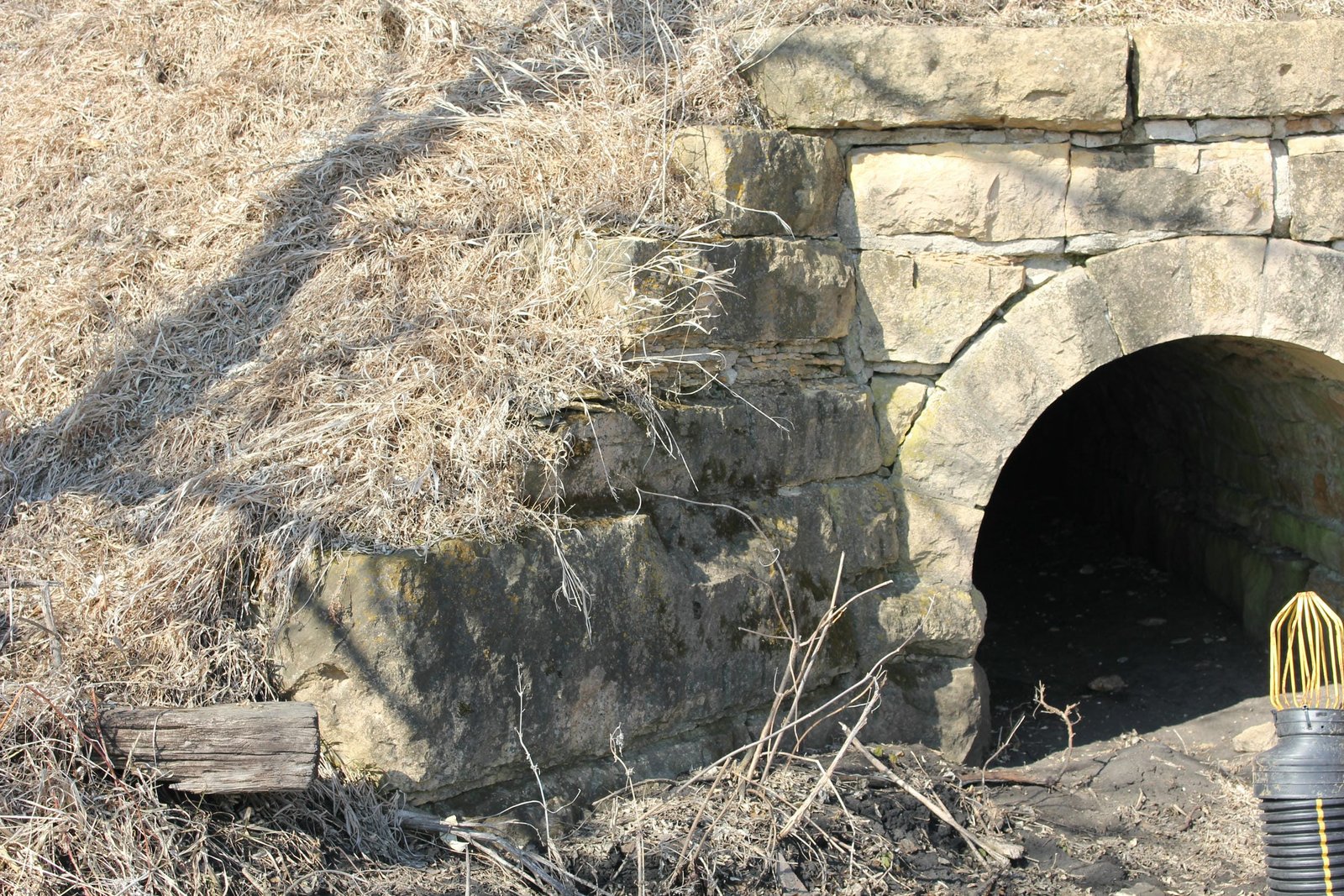
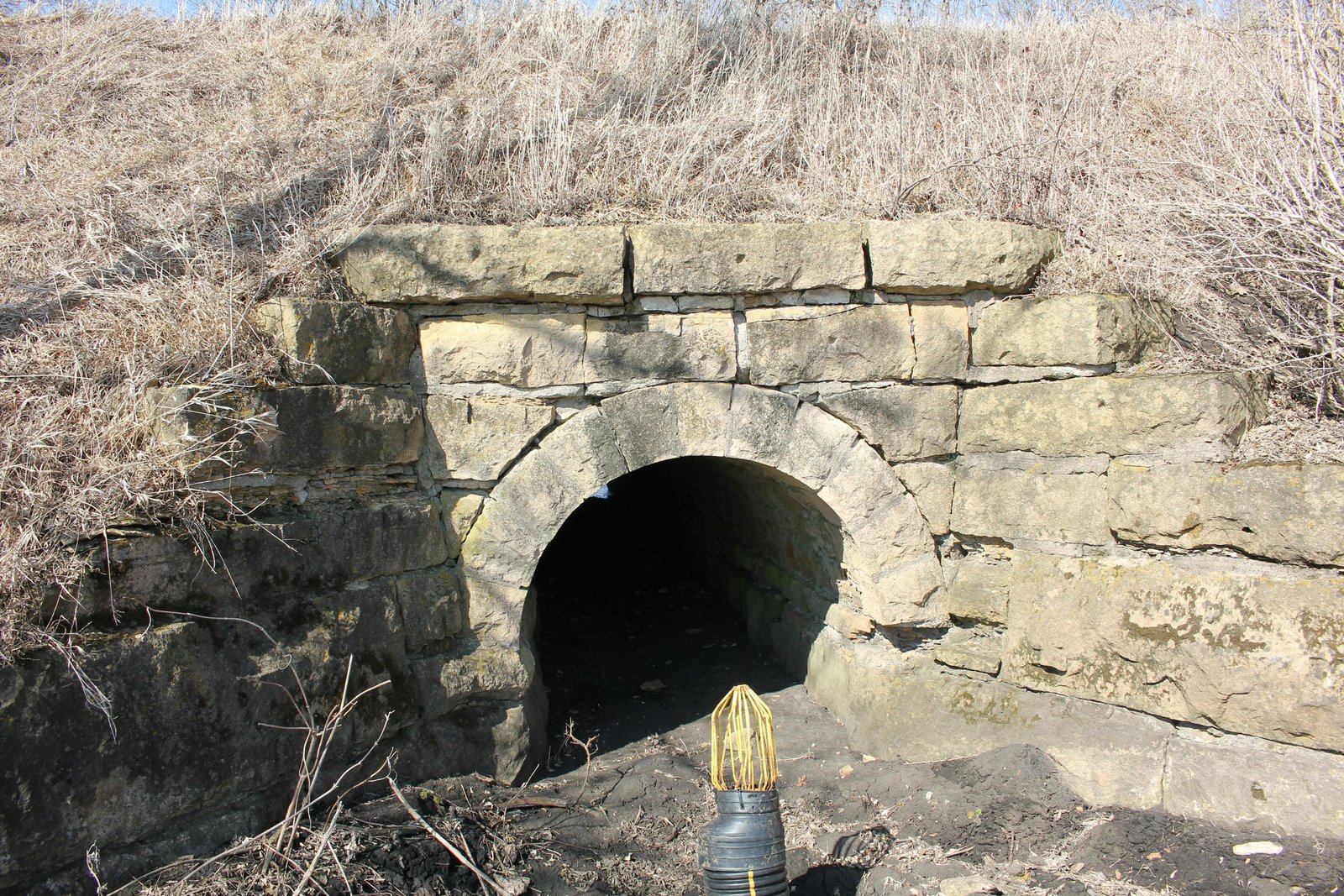
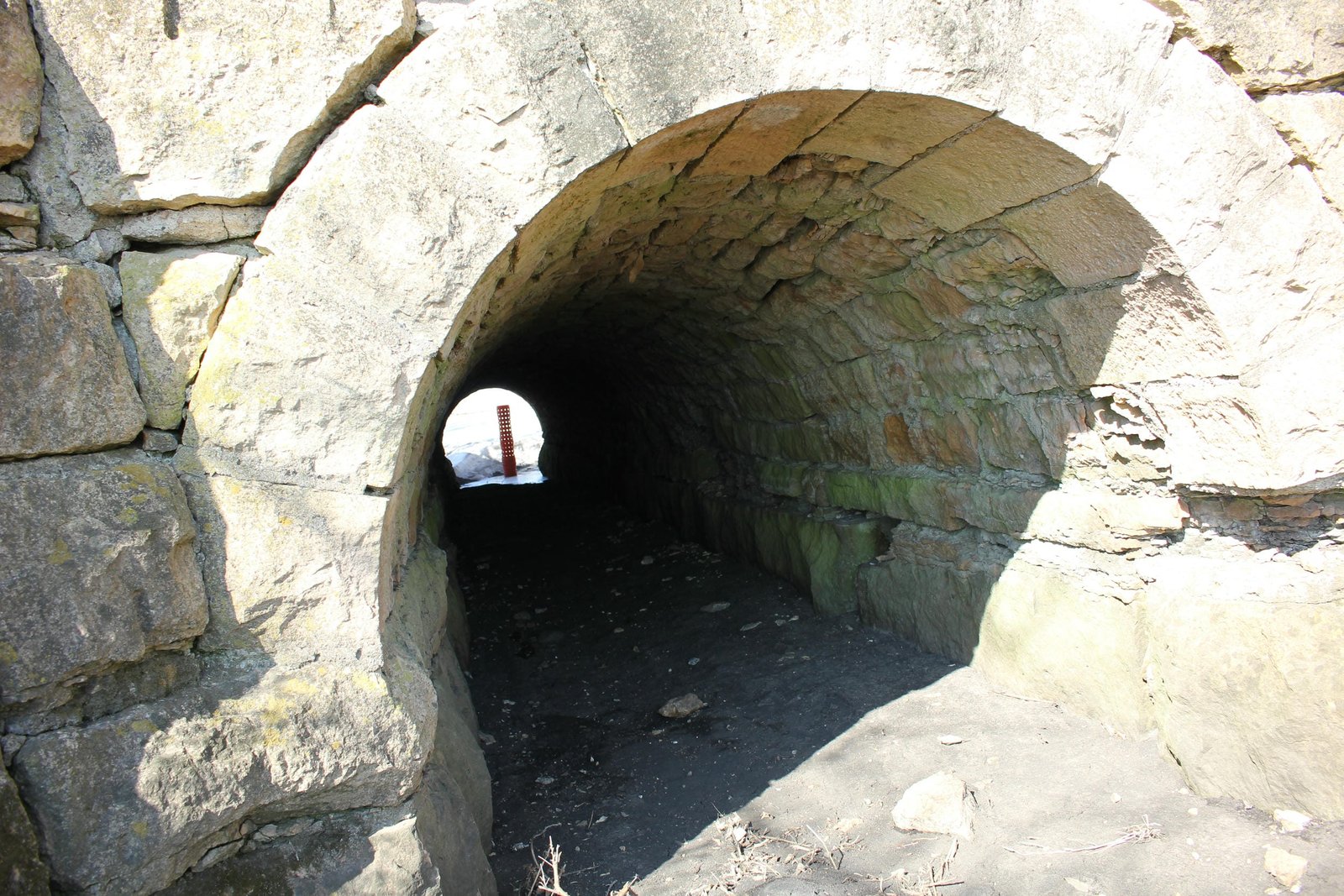
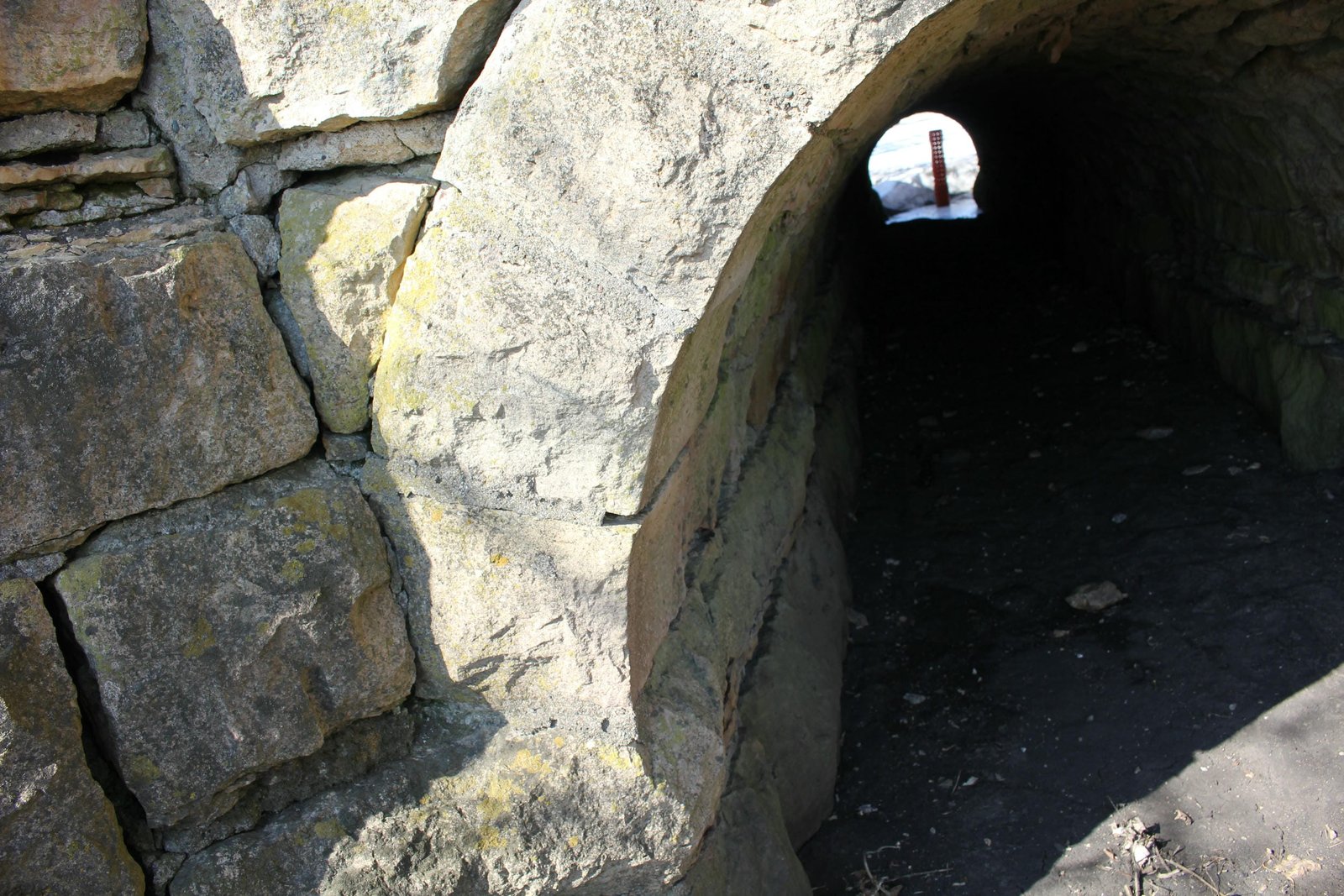
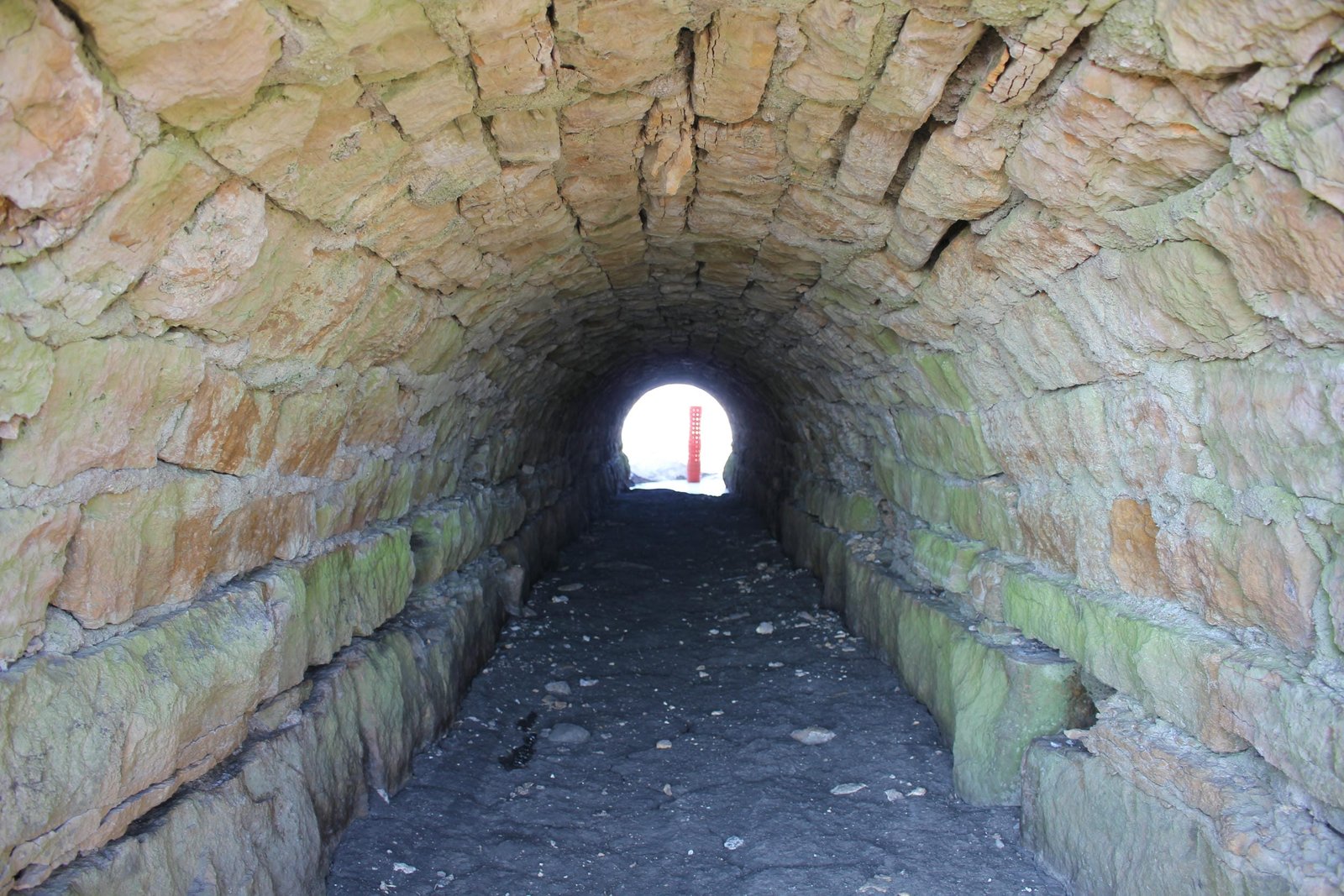
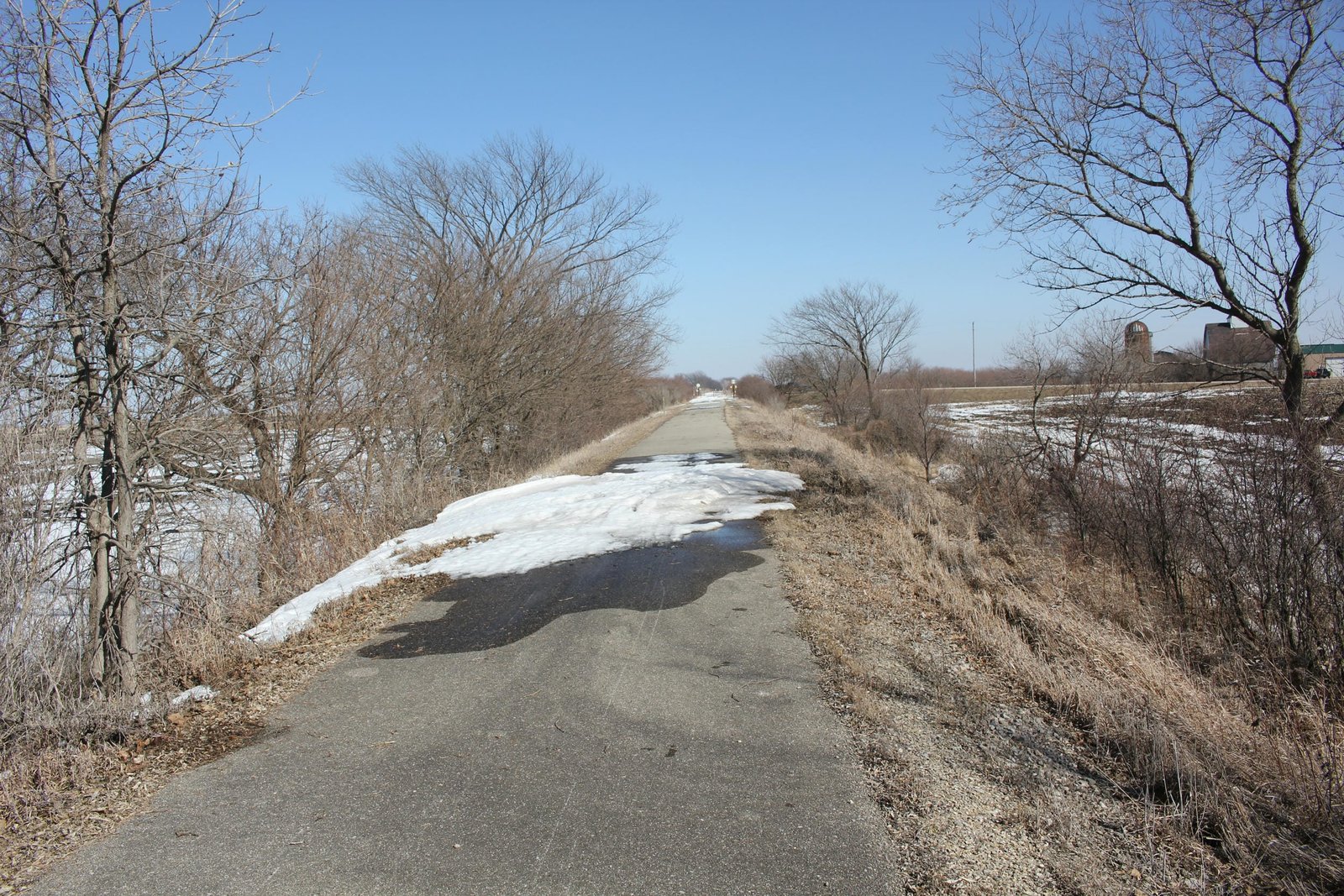
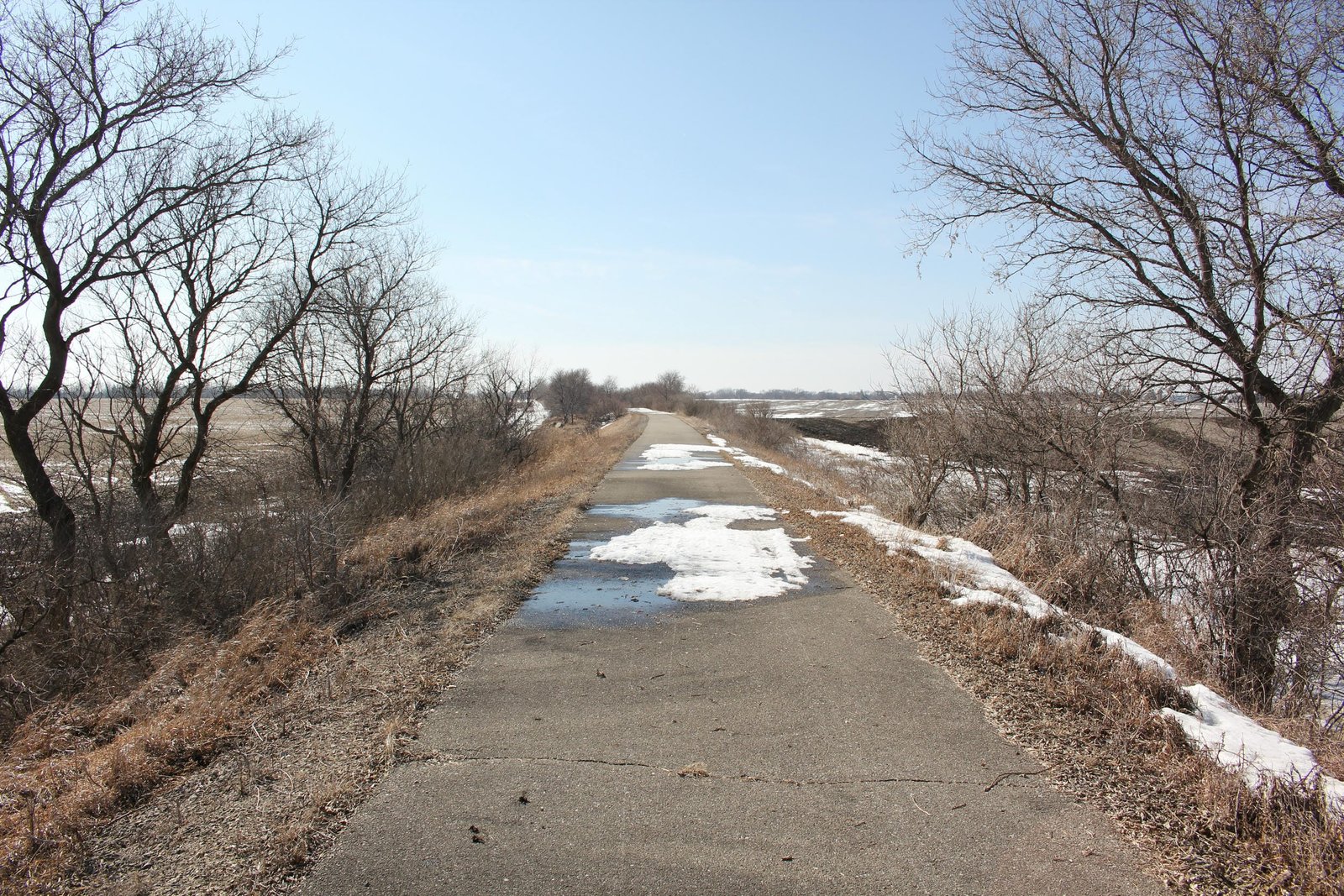
Located near Newell Avenue east of Allison, this stone arch culvert carries a former Chicago Great Western Railway mainline over an unnamed creek. The first bridge at this location was likely a timber pile trestle, constructed when the line was first built. Between 1897 and 1905, the CGW invested significant capital improving the entire system, upgrading bridges, filling trestles and constructing modern facilities. In approximately 1900, the original trestle was filled and replaced with the present stone arch culvert. Currently, the structure consists of a 5-foot by 5-foot stone arch culvert, set onto stone substructures and constructed for a single track at a width of 49 feet. The superstructure follows a standard design, with a semicircular arch and standard headwalls. The substructure also follows a standard design, with stepped wing walls extending from the structure at an angle. Stone for the culvert consists of a yellow limestone, quarried at an unknown location. This stone appears to be a higher grade material than other culverts throughout the CGW system, and does not have the significant discoloration and pitting seen on other structures. It is unclear if the culvert was constructed by railroad company forces or by an unknown contractor. Stone arches were popular for railroad use, particularly during the mid to late 19th Century. The CGW constructed hundreds of stone arches and stone culverts throughout their system, and a majority were constructed between 1897 and 1905. Since the initial construction, the culvert has seen no significant alterations or repairs. Today, the culvert is used as part of the Rolling Prairie Trail. Overall, the culvert appears to be in fair to good condition, with some stone deterioration throughout the structure. Compared to other railroads, masonry bridges and culverts along former CGW have a rate of failure that is significantly higher than average. It is unclear why former CGW structures have such a high rate of failure, although it could be due to poor workmanship, poor materials, lack of maintenance or using too small of an opening. The author has ranked this culvert as being locally significant, due to the common design.
Citations
| Railroad History Citation | ICC Valuation Information, Compiled by Richard S. Steele |