





Click the photo to view the full-size version
| Name | CN Bridge #185.72 Illinois Central Railroad Bridge #W185.7 |
| Built By | Illinois Central Railroad |
| Currently Owned By | Canadian National Railway |
| Superstructure Contractor | Roswell B. Mason of Dubuque, Iowa |
| Length | 8 Feet |
| Width | 1 Track |
| Height Above Ground | 10 Feet (Estimated) |
| Superstructure Design | Stone Arch Culvert |
| Substructure Design | Stone Masonry |
| Date Built | 1853 |
| Traffic Count | 10 Trains/Day (Estimated) |
| Current Status | In Use |
| Illinois Central Railroad Bridge #W185.7 | |
| Canadian National Railway Bridge #185.72 | |
| Significance | Moderate |
| Documentation Date | 4/28/2018 |
In 1857, the Dubuque and Pacific Railroad (D&P) began construction of a new mainline across central Iowa, which sought to link to the existing Illinois Central Railroad (IC) at Dubuque, Iowa. In May 1857, the first 29 miles were completed between Dubuque and Dyersville, Iowa. In March 1860, the line was completed an additional 49 miles from Dyersville to Jesup, Iowa. In 1860, the D&P was sold to the Dubuque and Sioux City Railroad (D&SC). The D&SC completed an additional 22 miles to Cedar Falls, Iowa in 1861; followed by an additional 43 miles to Iowa Falls, Iowa in 1866. By 1867, the IC had garnered interest in this line, and leased the D&SC. The following year, a bridge across the Mississippi River at Dubuque was completed to link this line and the IC line towards Freeport, Illinois. In August 1869, the Iowa Falls and Sioux City Railroad (IF&SC) completed an additional 49 miles from Iowa Falls to Fort Dodge, Iowa. In October 1870, an additional 135 miles were completed west to the Missouri River at Sioux City, Iowa. The IF&SC was also affiliated with the D&SC and IC; and was fully merged into the D&SC in 1888.
By the late 19th Century, the IC had developed and operated a sprawling railroad network in the central United States. This line served as a principal mainline for the company, connecting Chicago to the Missouri River at Sioux City. In the 20th Century, the IC had become a respected railroad, connecting several major cities in the central United States. The D&SC was fully merged into the IC in 1946. In 1972, the IC merged with the Gulf, Mobile & Ohio Railroad (GM&O) to form the Illinois Central Gulf (ICG). The entire IC system in Iowa, as well as the line between Dubuque and Chicago, were sold to the Chicago Central & Pacific Railroad (CC&P) in 1995. In 1988, the ICG was reorganized as the Illinois Central Railroad (IC). In 1996, the CC&P was repurchased by IC and in 1998, IC was purchased by the Canadian National Railway (CN). Today, CN operates the Dubuque Subdivision between Dubuque and Waterloo, Iowa; the Waterloo Subdivision between Waterloo and Fort Dodge, and the Cherokee Subdivision between Fort Dodge and Sioux City.
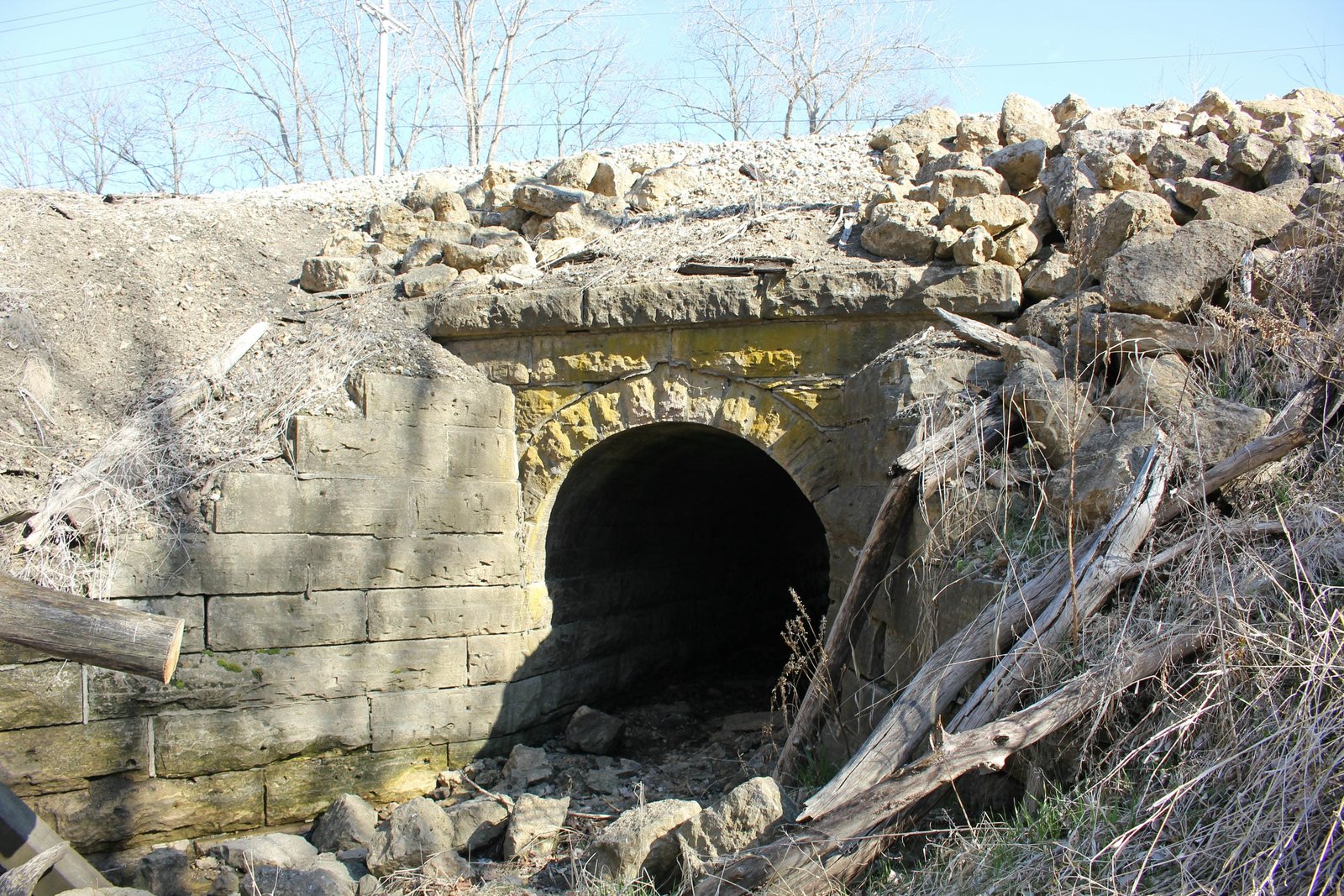
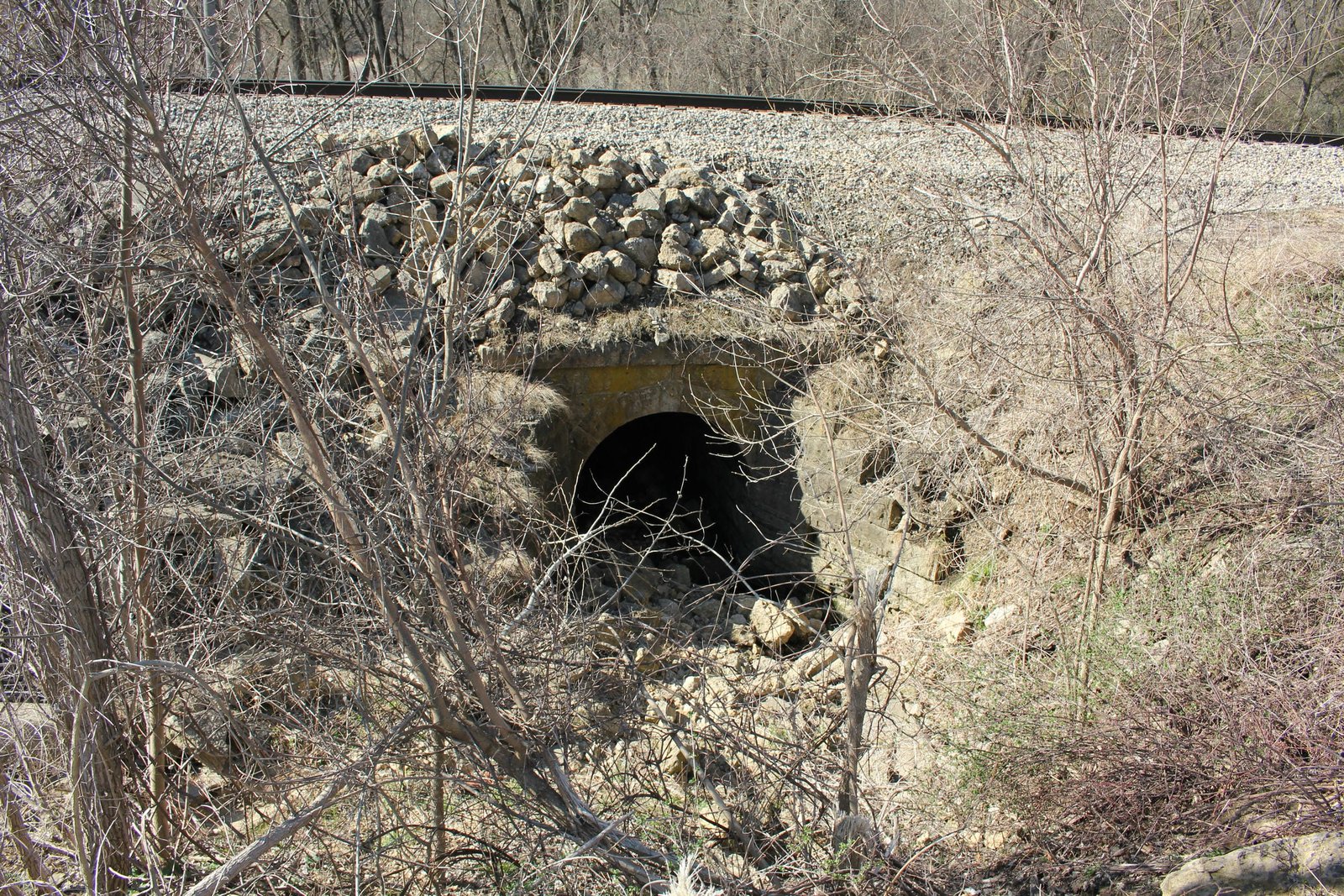
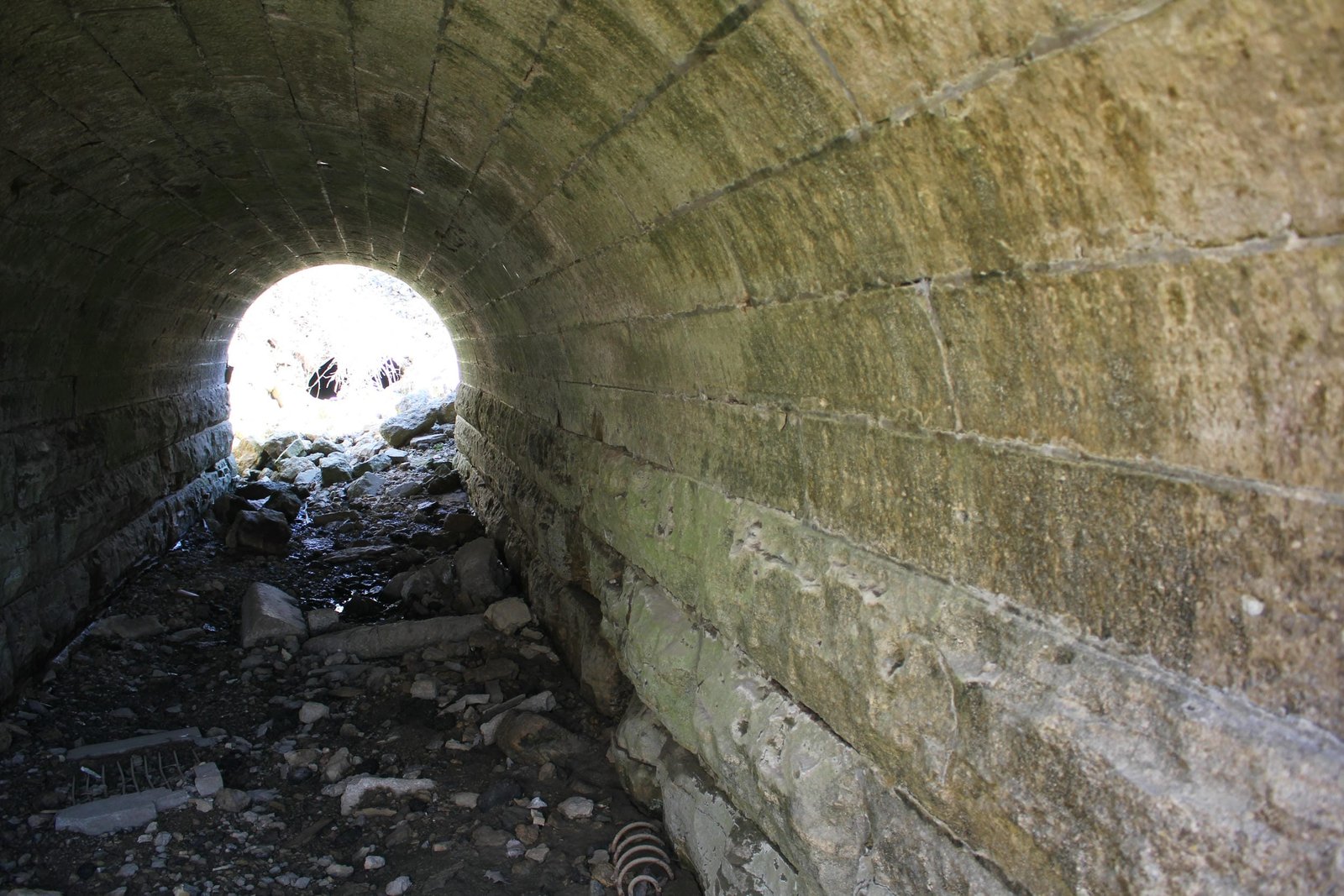
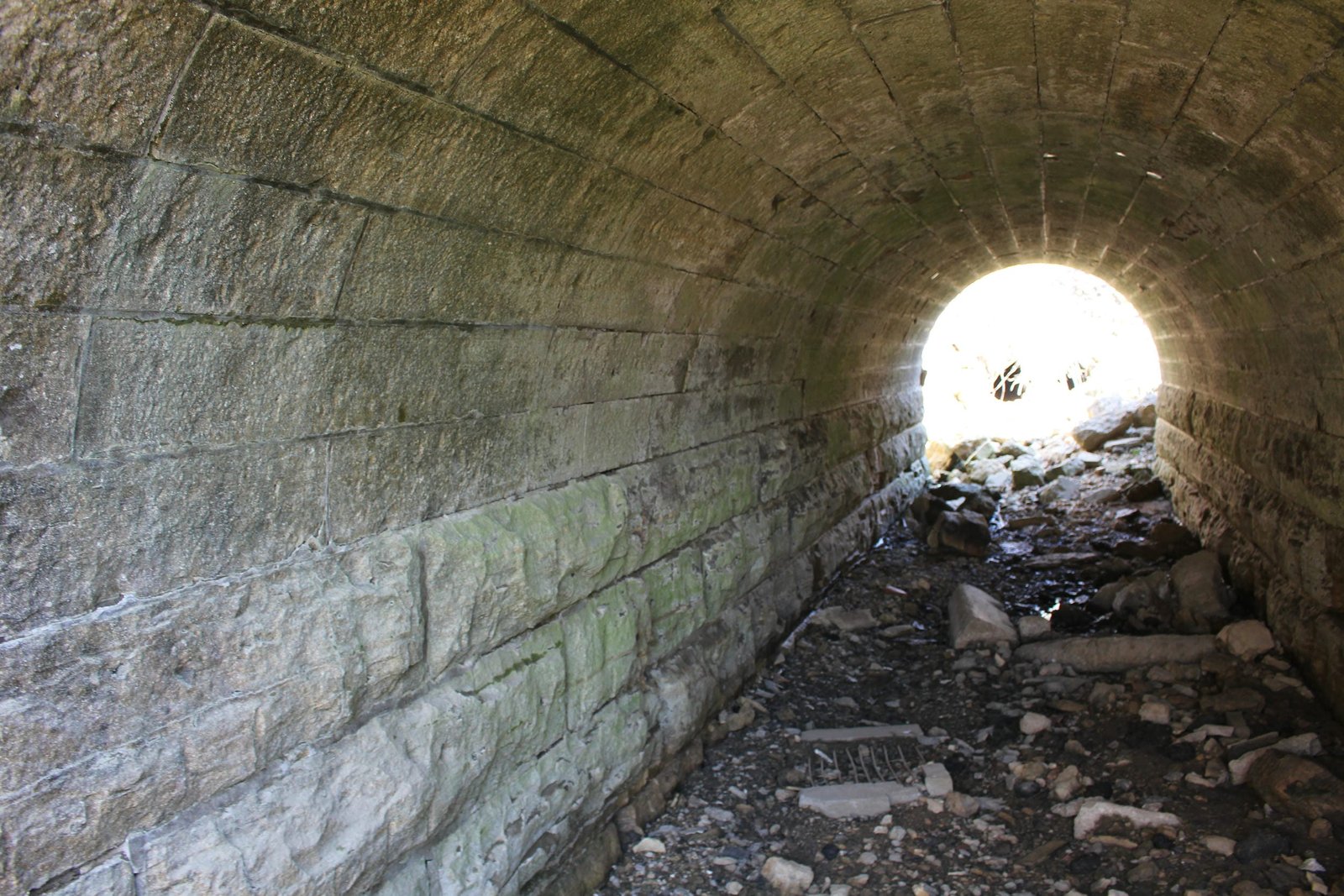
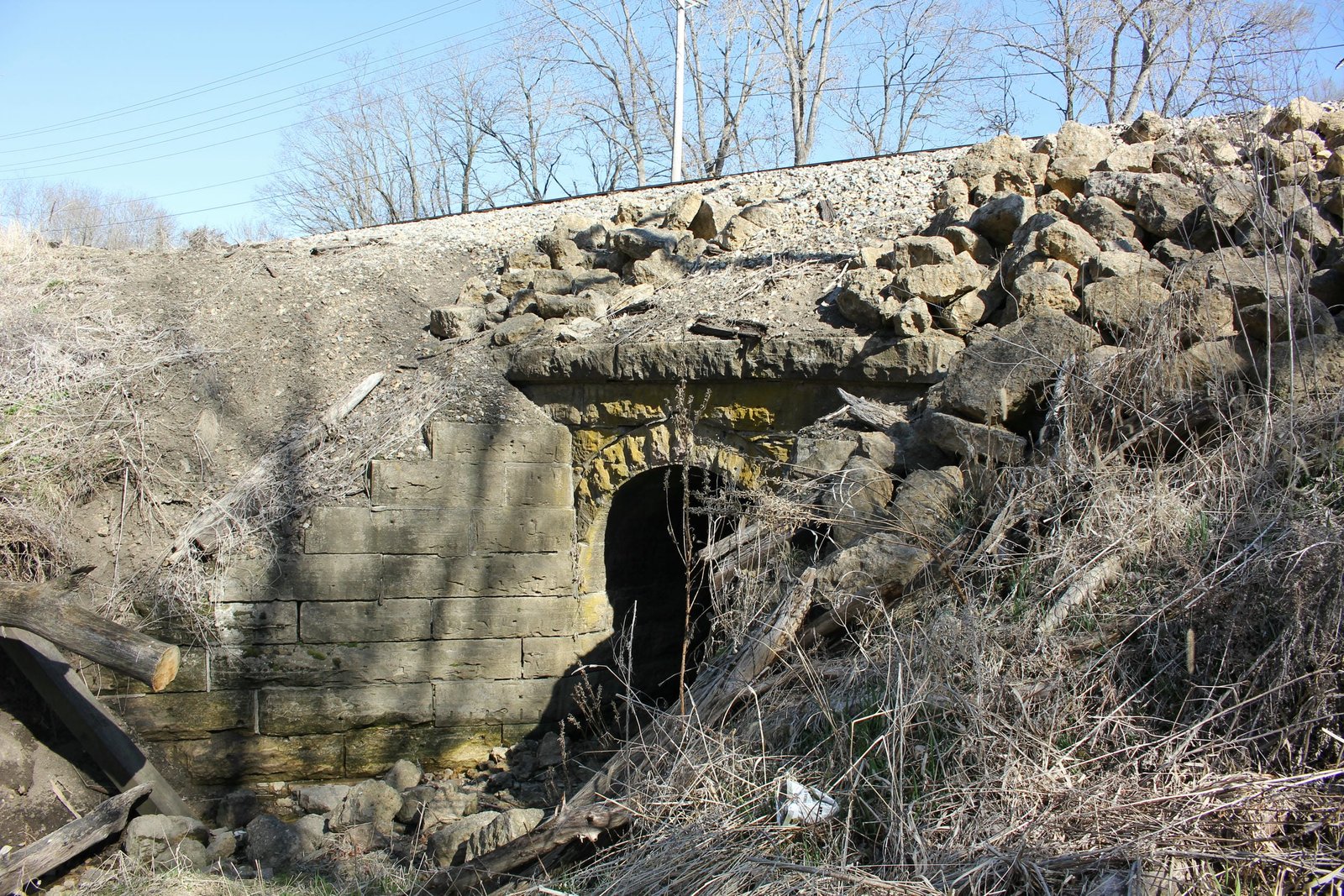
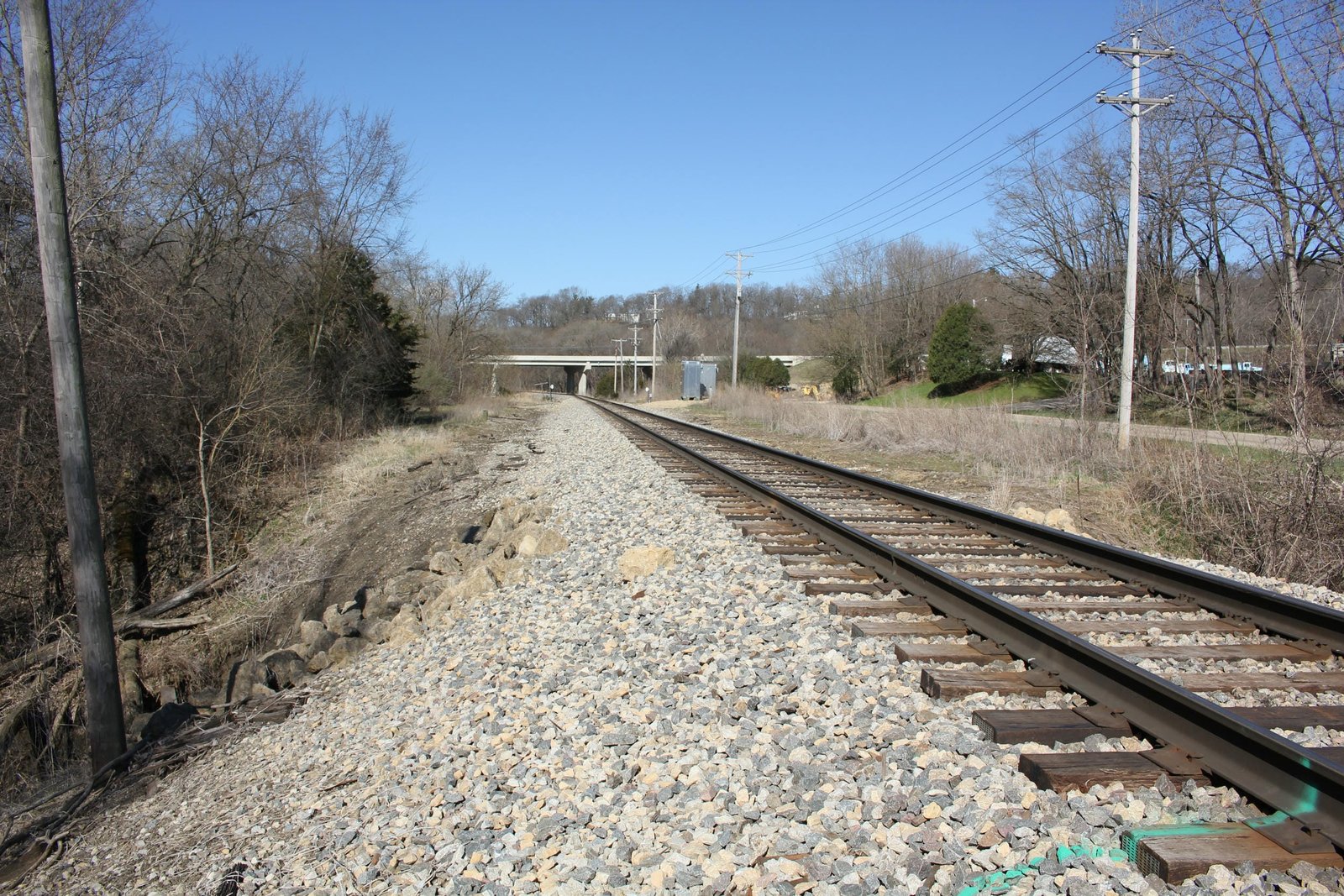
Located on the south side of Dubuque, this stone arch culvert carries a former Illinois Central Railroad mainline over an unnamed creek. The Dubuque and Pacific Railroad (D&P) was approved in May 1853, and work was planned to begin soon after. Some sources suggest that actual construction of the railroad did not begin until 1855, although railroad records indicate numerous stone arches in Dubuque County were constructed as early as 1853. These stone arches are believed to have been the first railroad bridges and culverts constructed in Iowa. The structure at this location is reportedly one of the stone arches constructed during the 1853 construction season. Currently, the structure consists of a 8-foot stone arch culvert, set onto stone substructures and constructed for a single track at a width of 38 feet. The superstructure follows a standard design, with a semicircular arch and standard-sized headwalls. The substructure also follows a standard design, with stepped wing walls which extend diagonally from the culvert. Stone for the culvert consists of a tan limestone, quarried at an unknown location. Roswell B. Mason, who had the contract for constructing the First Division of the D&P, constructed the culvert. Stone arches were popular for railroad use, as they were durable and easy to construct. Since the 1853 construction, the culvert has seen no significant alterations. Today, it remains in use as part of the Canadian National Railway mainline across Iowa. Overall, the bridge appears to be in fair to good condition, with no significant deterioration noted. The author has ranked this bridge as being moderately significant, due to the age.
Citations
| Build date | Illinois Central Gulf Railroad Iowa Division 1973 Track Profile |
| Builder | Dubuque and Sioux City Railroad ICC Valuation Information |
| Railroad History Citation | ICC Valuation Information, Compiled by Richard S. Steele |