
Click the photo to view the full-size version
| Name | CN Bridge #225.2 Illinois Central Railroad Bridge #W225.2 |
| Built By | Illinois Central Railroad |
| Currently Owned By | Canadian National Railway |
| Superstructure Contractor | American Bridge Works of Chicago, Illinois |
| Substructure Contractor | Illinois Central Railroad Company Forces |
| Length | 128 Feet Total, 75 Foot Main Span |
| Width | 1 Track |
| Height Above Ground | 20 Feet (Estimated) |
| Superstructure Design | Deck Plate Girder and Timber Pile Trestle |
| Substructure Design | Steel Pile and Timber Pile |
| Date Built | 1955, Using a Span Fabricated 1899 |
| Original Location | Unknown (Possibly Western Iowa) |
| Traffic Count | 4 Trains/Day (Estimated) |
| Current Status | In Use |
| Illinois Central Railroad Bridge Number | W225.2 |
| Canadian National Railway Bridge Number | 225.2 |
| Significance | Local Significance |
| Documentation Date | 9/23/2017 |
In 1857, the Dubuque and Pacific Railroad (D&P) began construction of a new mainline across central Iowa, which sought to link to the existing Illinois Central Railroad (IC) at Dubuque, Iowa. In May 1857, the first 29 miles were completed between Dubuque and Dyersville, Iowa. In March 1860, the line was completed an additional 49 miles from Dyersville to Jesup, Iowa. In 1860, the D&P was sold to the Dubuque and Sioux City Railroad (D&SC). The D&SC completed an additional 22 miles to Cedar Falls, Iowa in 1861; followed by an additional 43 miles to Iowa Falls, Iowa in 1866. By 1867, the IC had garnered interest in this line, and leased the D&SC. The following year, a bridge across the Mississippi River at Dubuque was completed to link this line and the IC line towards Freeport, Illinois. In August 1869, the Iowa Falls and Sioux City Railroad (IF&SC) completed an additional 49 miles from Iowa Falls to Fort Dodge, Iowa. In October 1870, an additional 135 miles were completed west to the Missouri River at Sioux City, Iowa. The IF&SC was also affiliated with the D&SC and IC; and was fully merged into the D&SC in 1888.
By the late 19th Century, the IC had developed and operated a sprawling railroad network in the central United States. This line served as a principal mainline for the company, connecting Chicago to the Missouri River at Sioux City. In the 20th Century, the IC had become a respected railroad, connecting several major cities in the central United States. The D&SC was fully merged into the IC in 1946. In 1972, the IC merged with the Gulf, Mobile & Ohio Railroad (GM&O) to form the Illinois Central Gulf (ICG). The entire IC system in Iowa, as well as the line between Dubuque and Chicago, were sold to the Chicago Central & Pacific Railroad (CC&P) in 1995. In 1988, the ICG was reorganized as the Illinois Central Railroad (IC). In 1996, the CC&P was repurchased by IC and in 1998, IC was purchased by the Canadian National Railway (CN). Today, CN operates the Dubuque Subdivision between Dubuque and Waterloo, Iowa; the Waterloo Subdivision between Waterloo and Fort Dodge, and the Cherokee Subdivision between Fort Dodge and Sioux City.
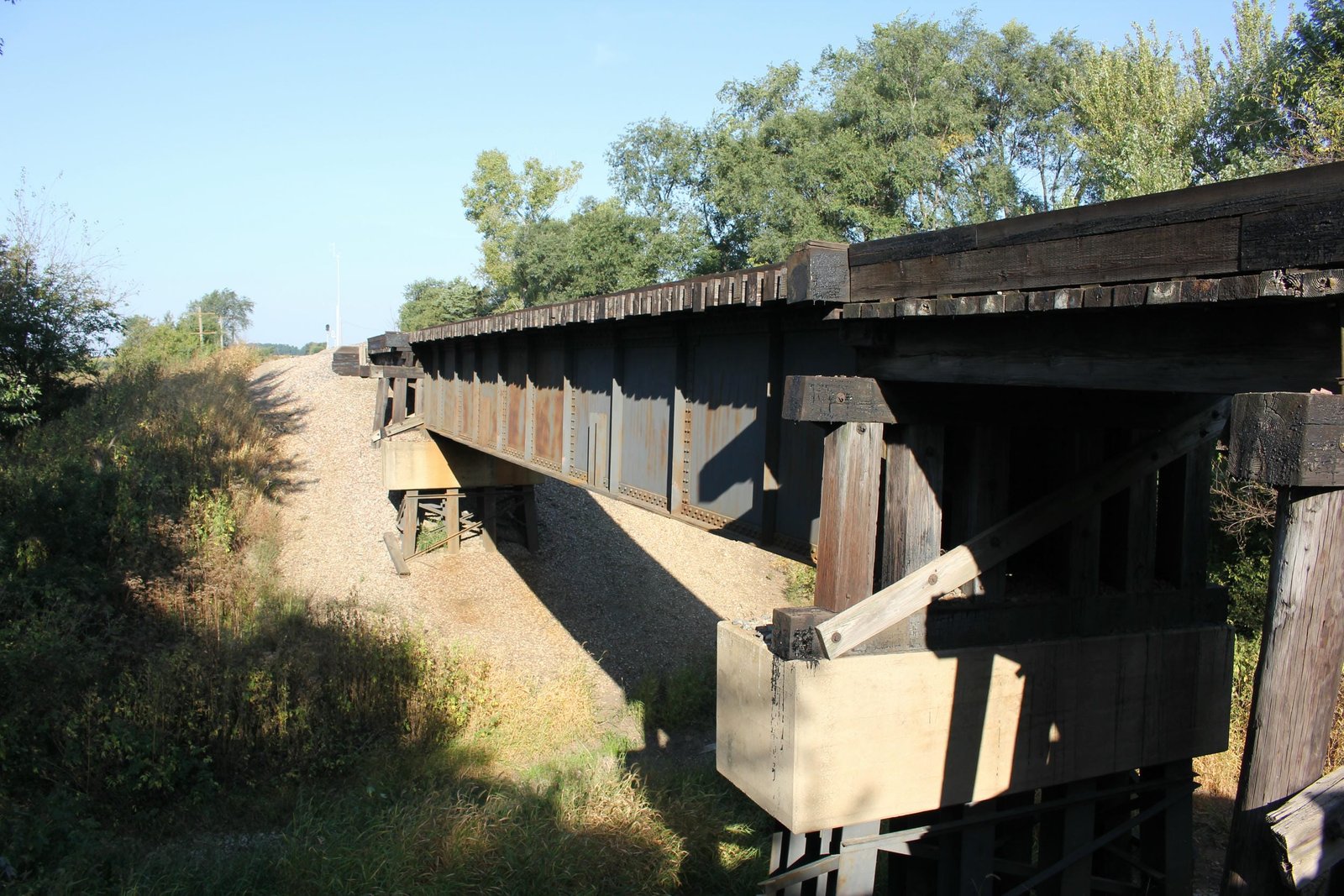
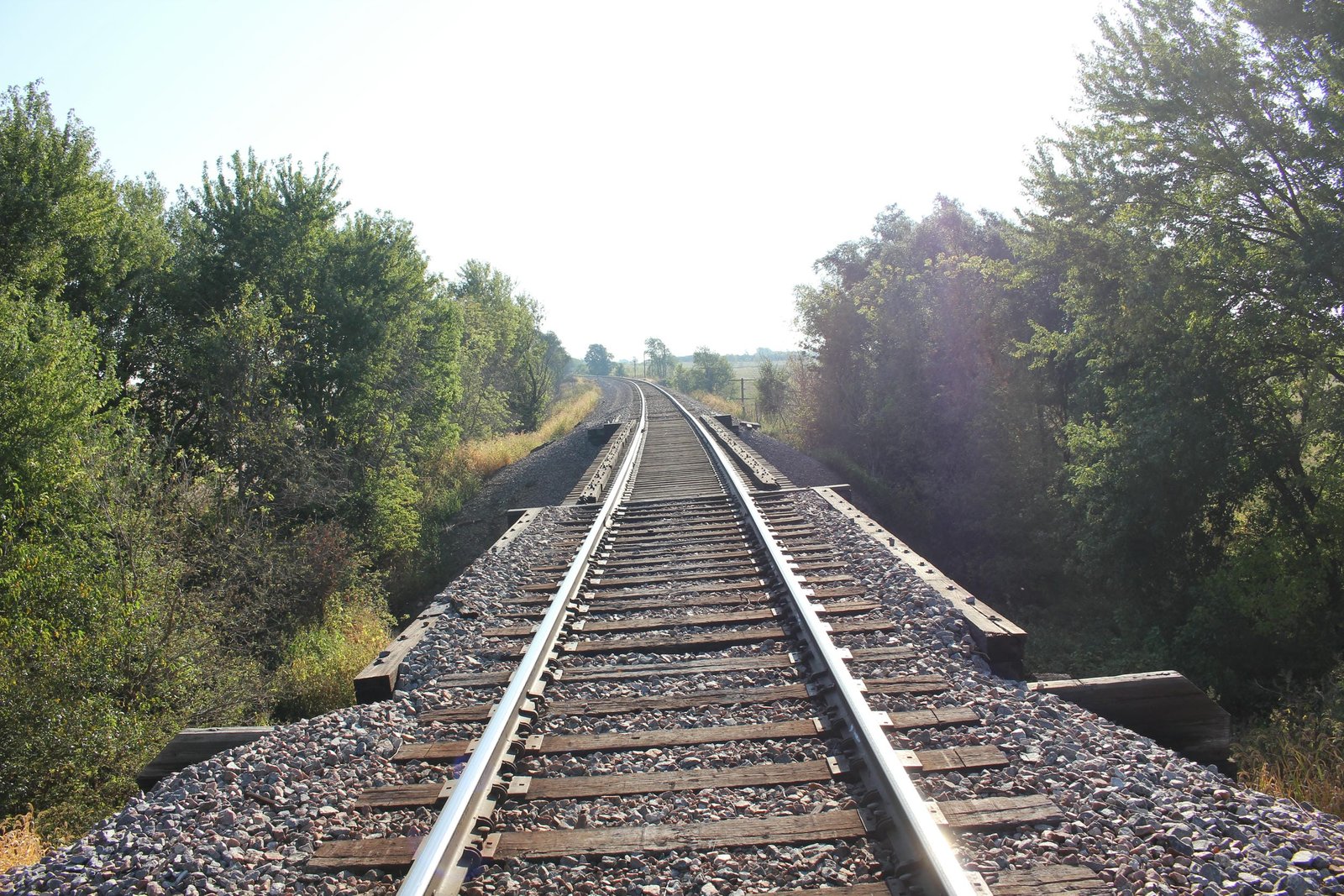
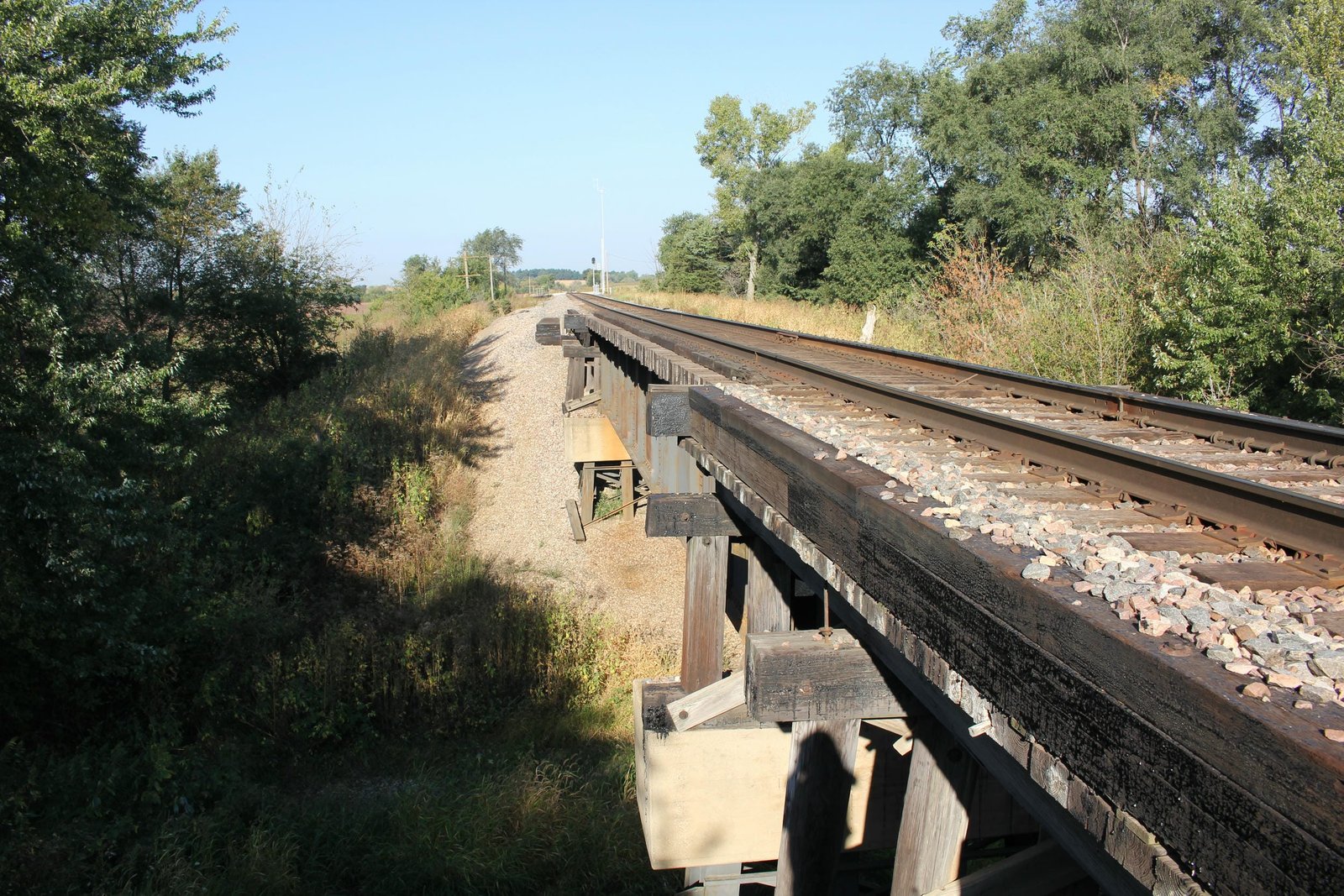
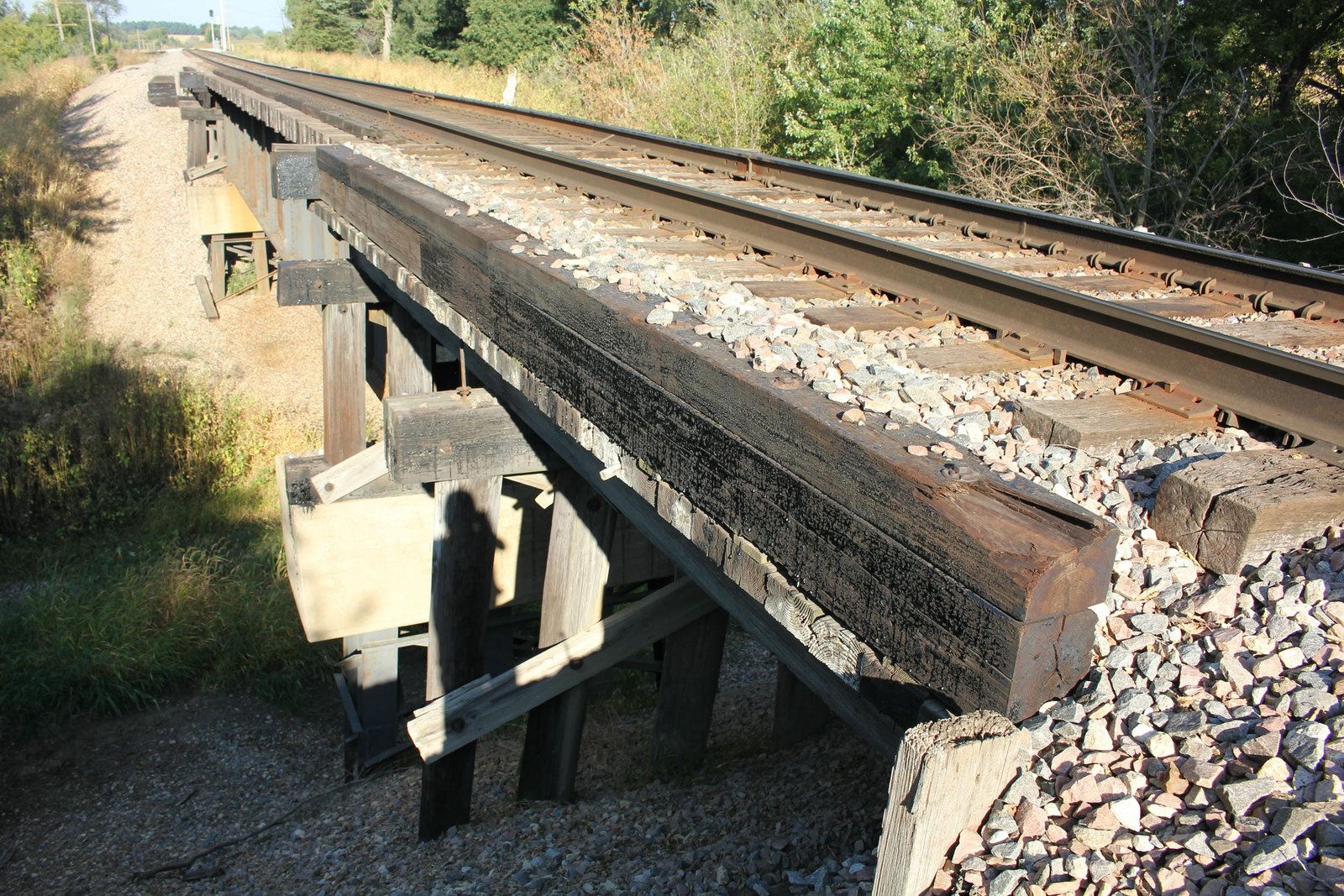
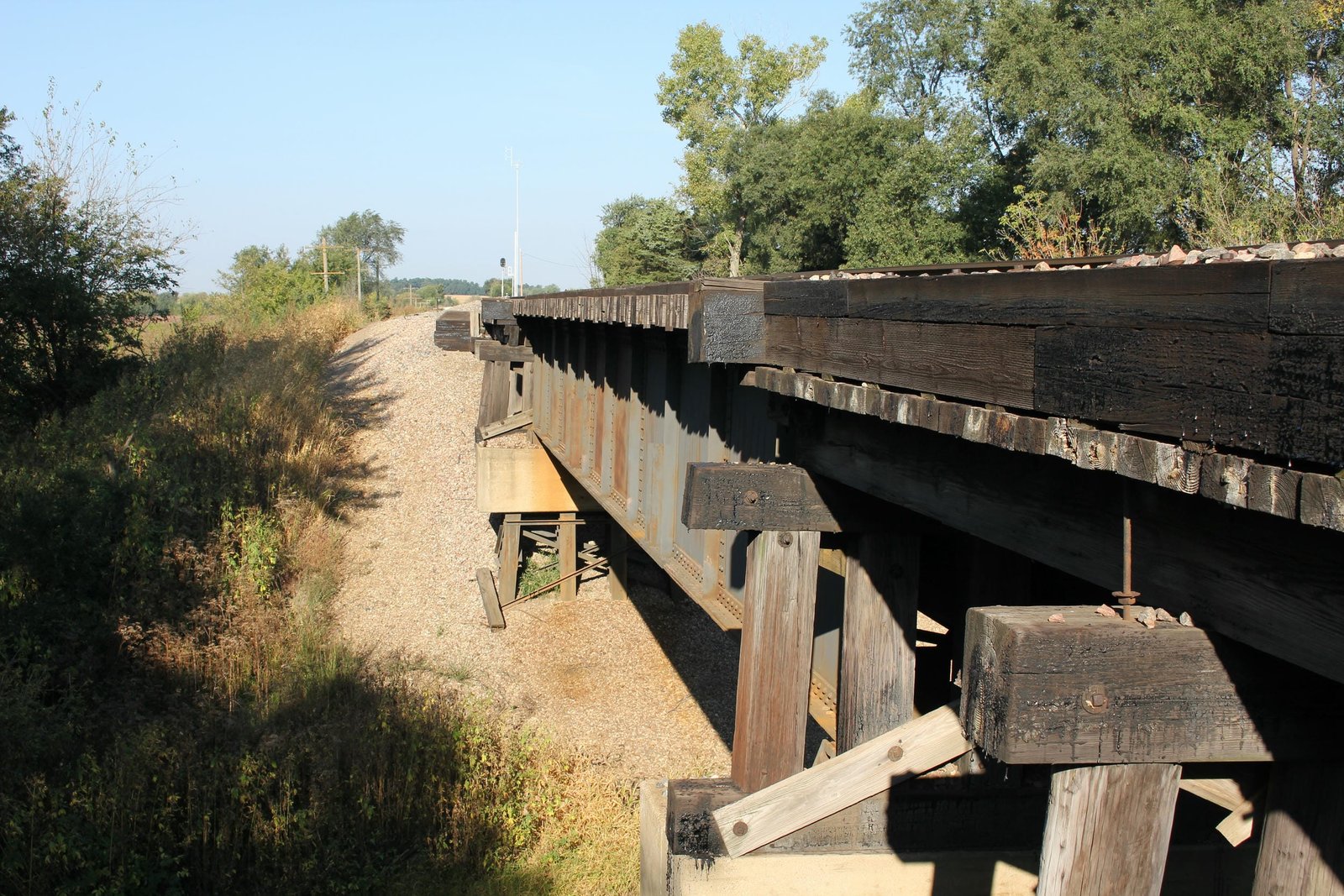
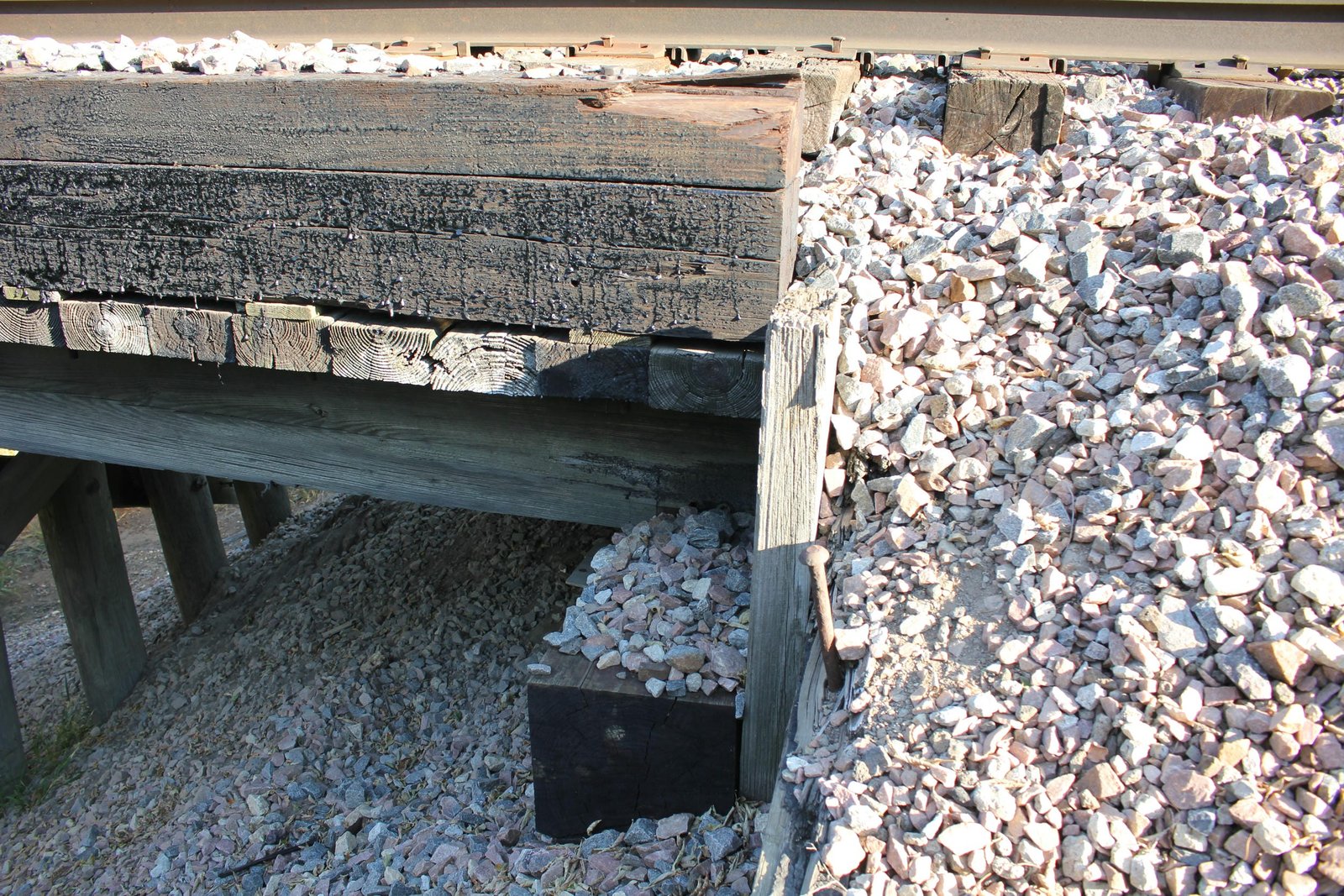
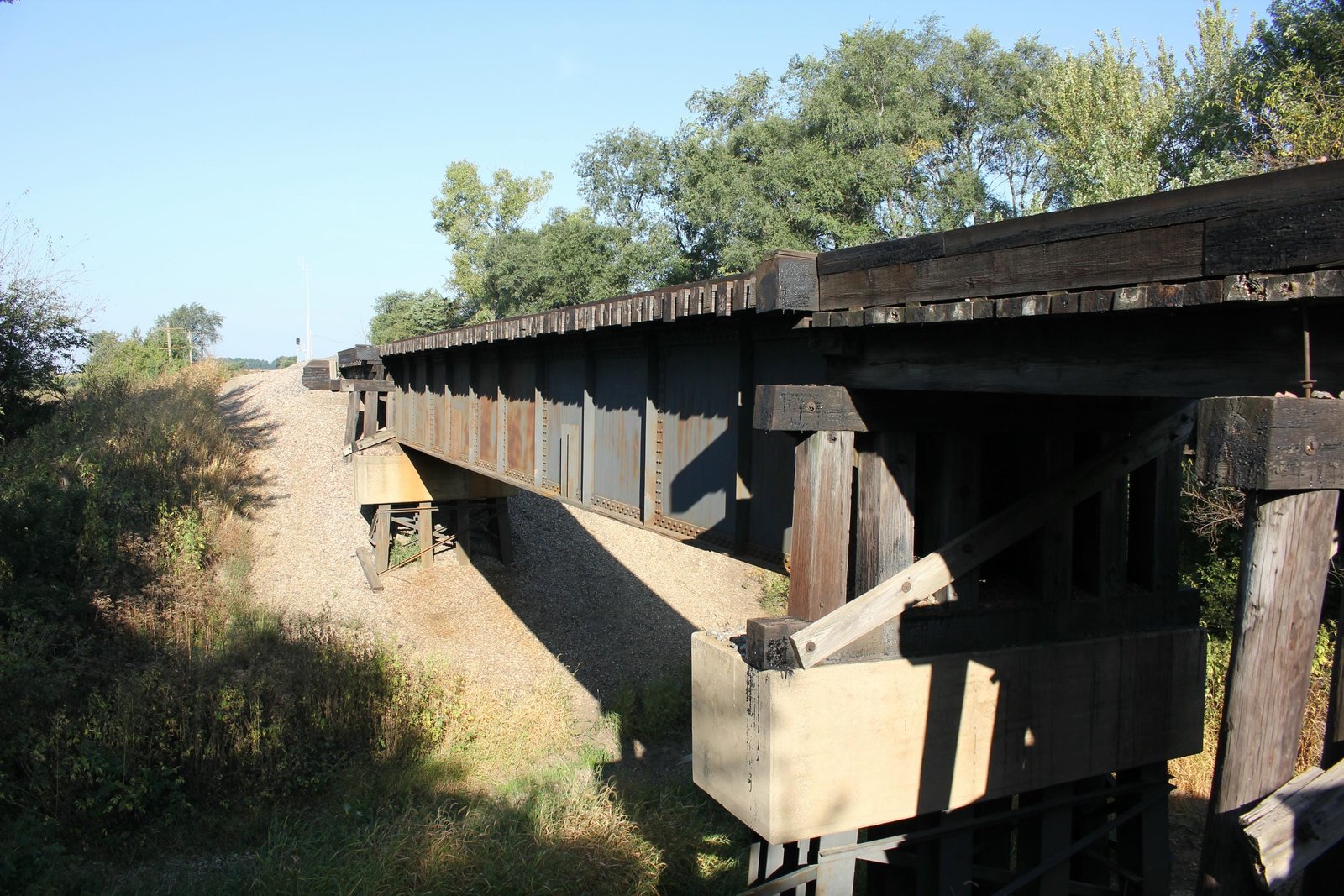
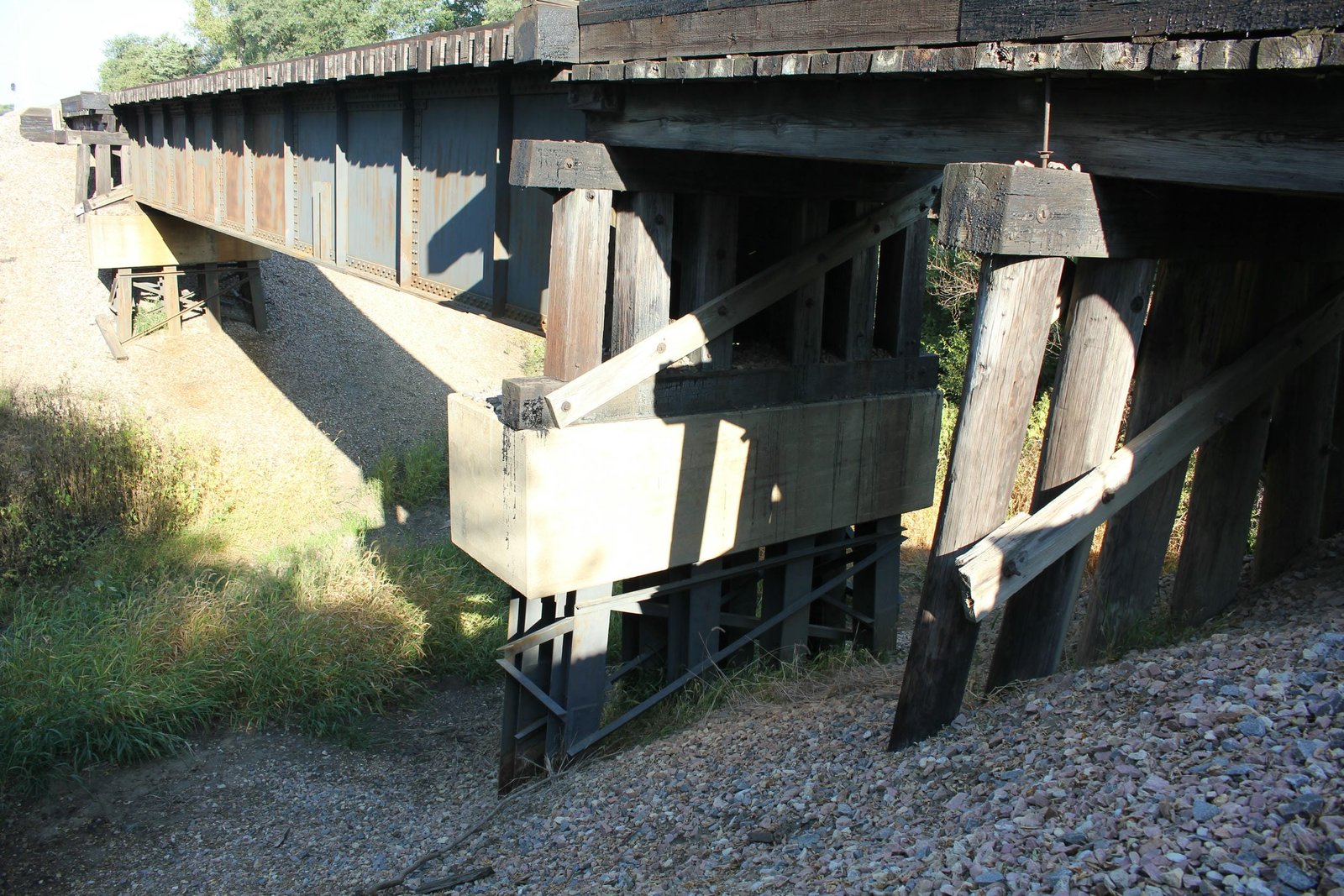
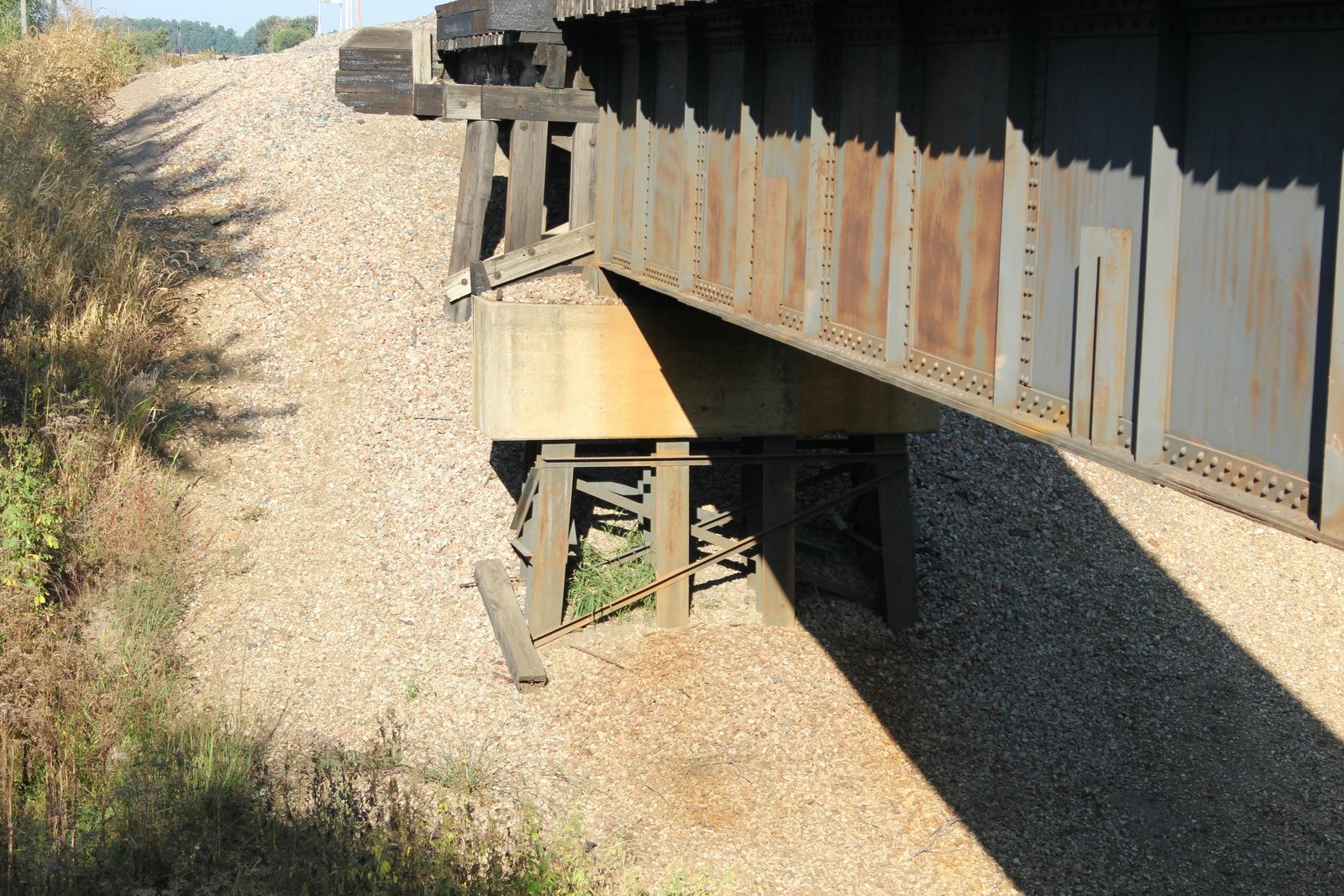
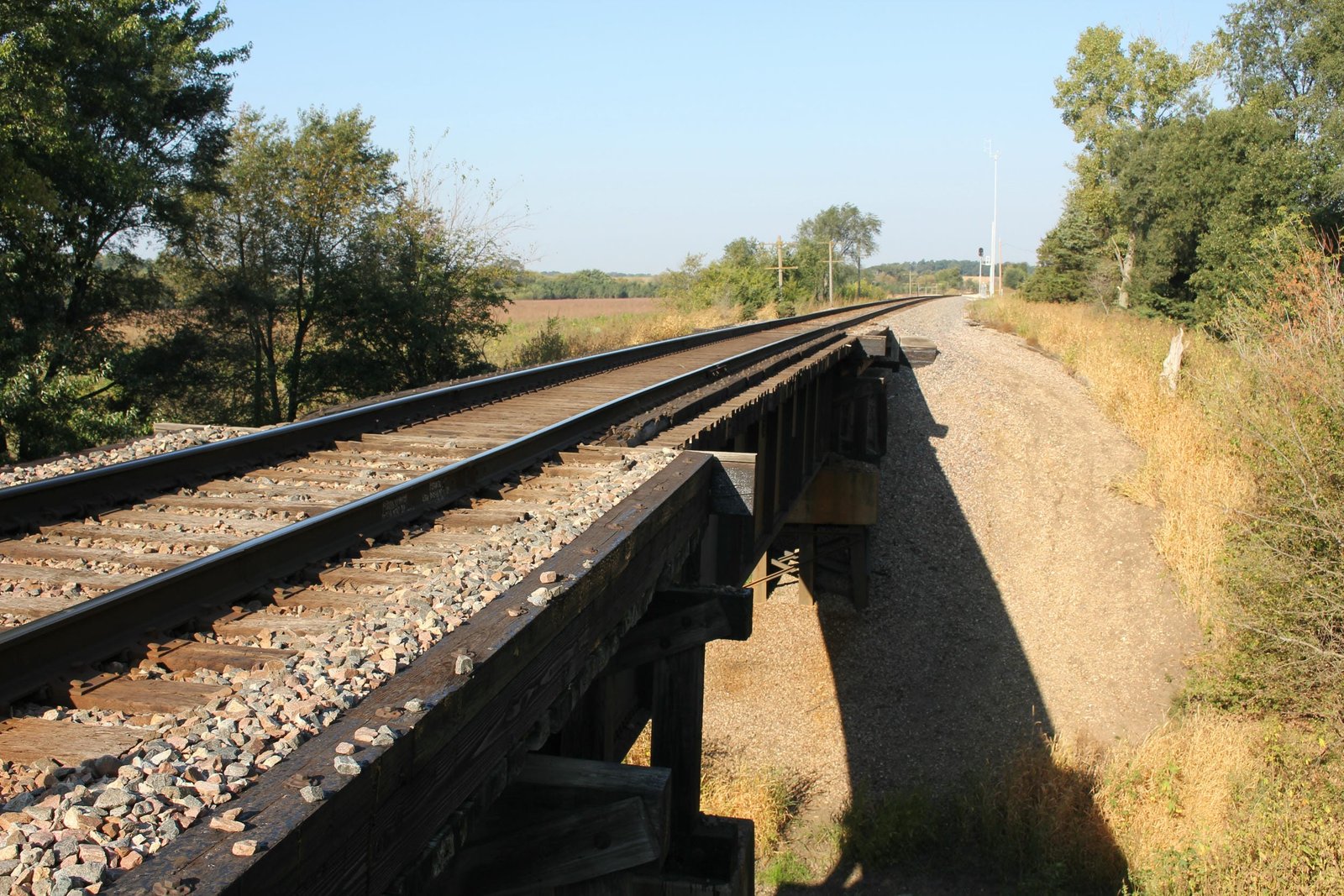
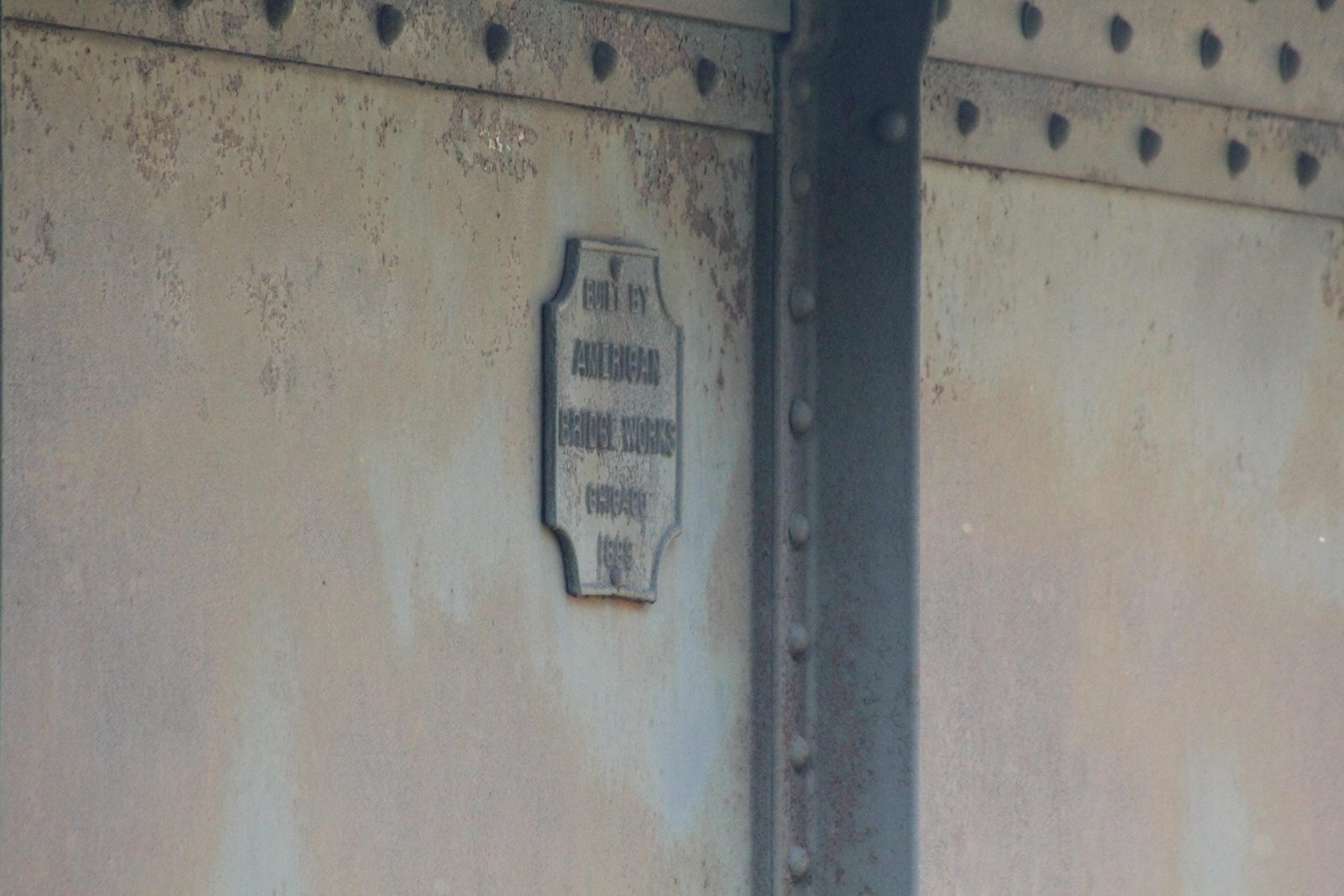
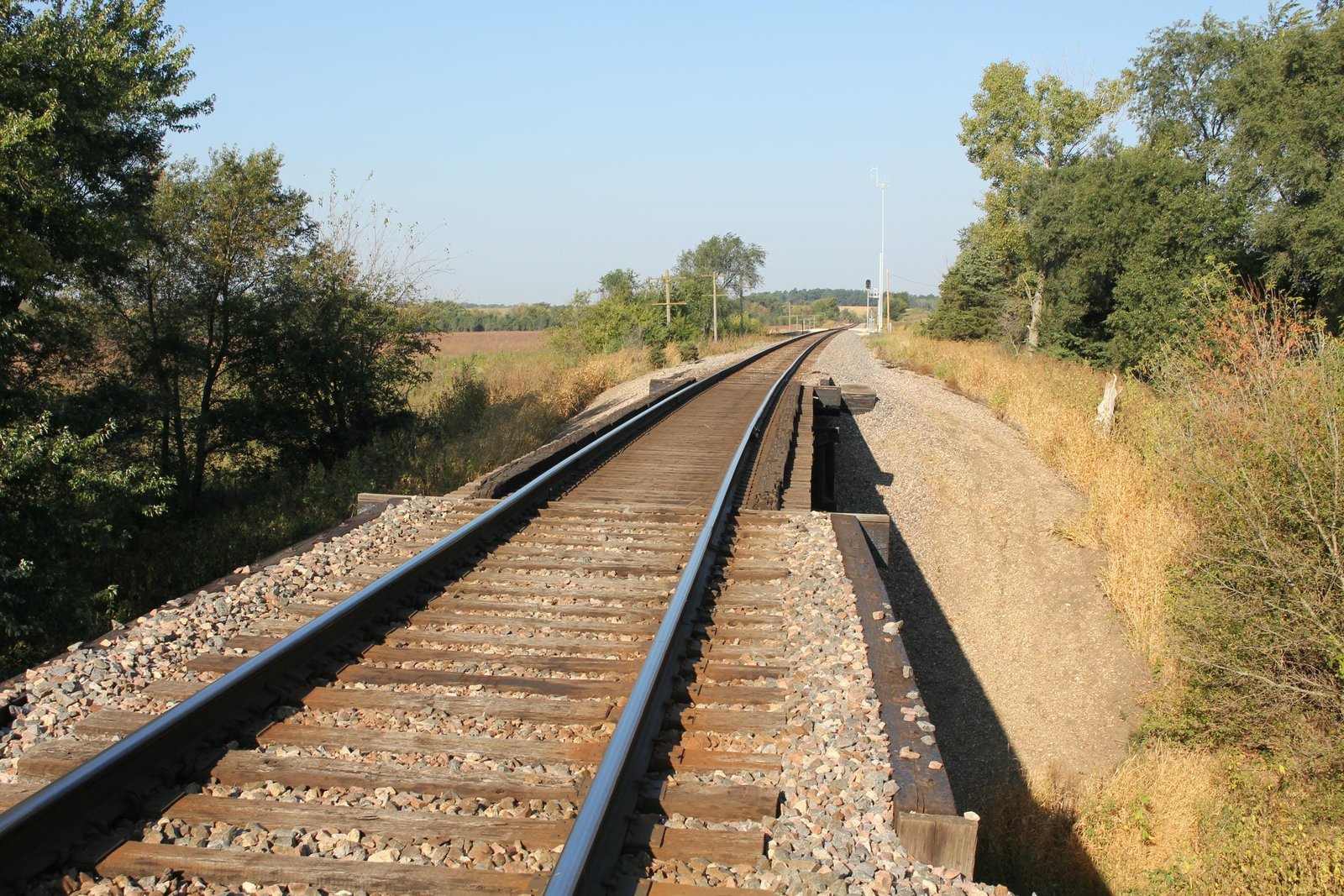
Located west of Delaware, this deck plate girder bridge carries a former Illinois Central Railroad mainline over an unnamed creek. The first bridge at this location consisted of a timber pile trestle bridge, which was periodically renewed through the 19th and the first half of the 20th Century. In 1955, the bridge was upgraded with a secondhand deck plate girder span with timber pile trestle approaches. The girder span was originally fabricated in 1899 for use at an unknown location. It is possible that this span was reused from the Fort Dodge to Council Bluffs segment of this line, which had numerous bridges fabricated in 1899 by American Bridge Works. Many of these bridges were altered or replaced in the 1940s and 1950s as part of flood control projects. Currently, the bridge consists of a 75-foot deck plate girder span, approached by two timber pile trestle spans on either end. The main piers use a steel pile design, while the approach spans are set onto timber pile substructures. The main span follows a standard design for the era, with two heavy plate girders and an open deck. The approach spans also follow a standard IC design, with traditional timber pile bents and a ballast deck. The main piers use an early variation of a steel pile design, with two rows of I-beams covered by a concrete cap. While this design has become popular in the 21st Century, railroad records indicate that these piers were originally installed in 1955. American Bridge Works fabricated the superstructure, while other components of the bridge are believed to have been constructed by railroad company forces. Deck plate girder spans were popular for railroad use, as they were durable and easy to construct. Since the initial construction, the bridge has seen no significant alterations. Today, it remains in use as part of the Canadian National Railway line across Iowa. Overall, the bridge appears to be in fair to good condition, with no significant deterioration noted. The author has ranked this bridge as being locally significant, due to the common design.
Citations
| Fabrication dates and builder (main span) | American Bridge Works plaque |
| Erection date | Illinois Central Gulf Railroad Iowa Division 1973 Track Profile |
| Railroad History Citation | ICC Valuation Information, Compiled by Richard S. Steele |