
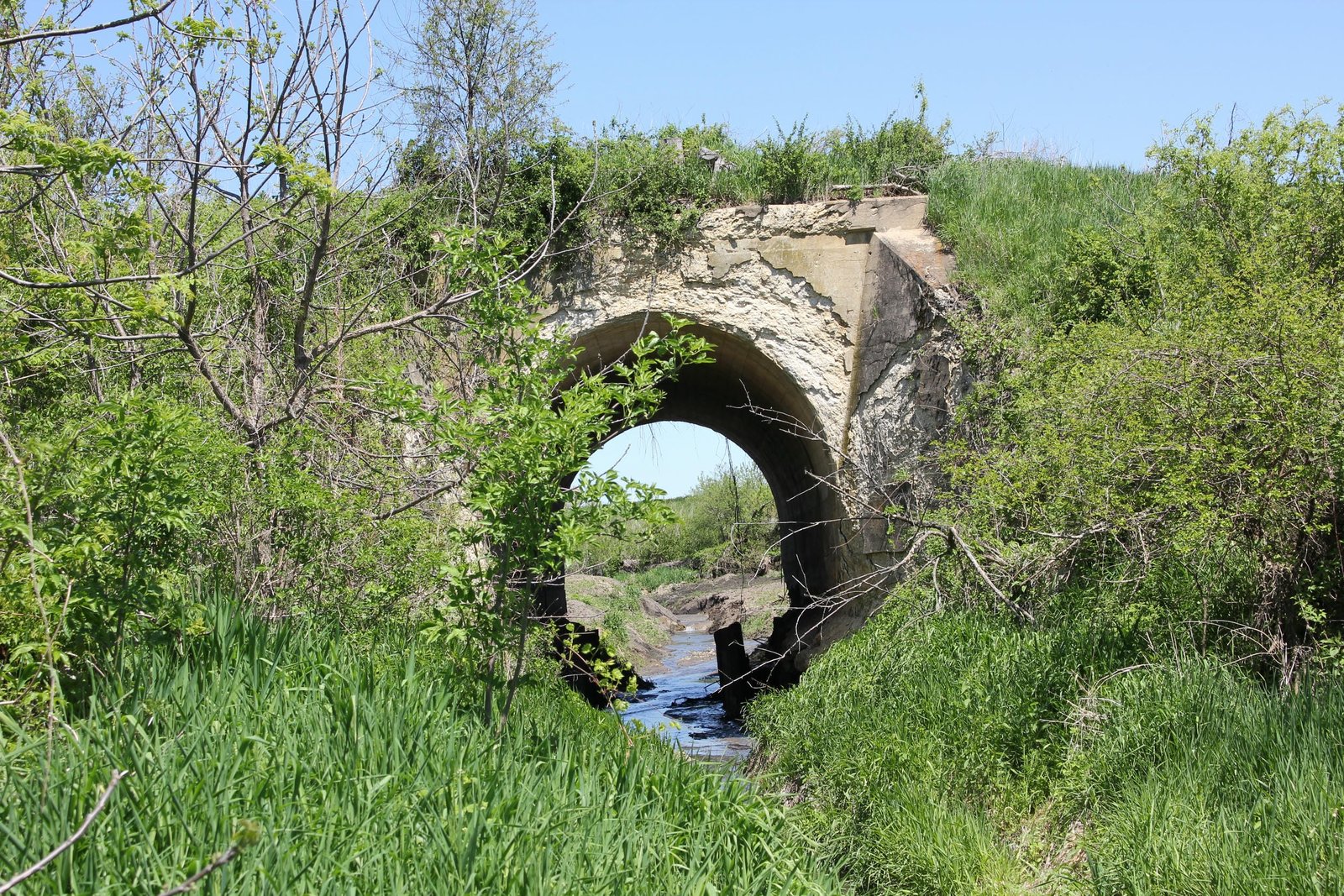
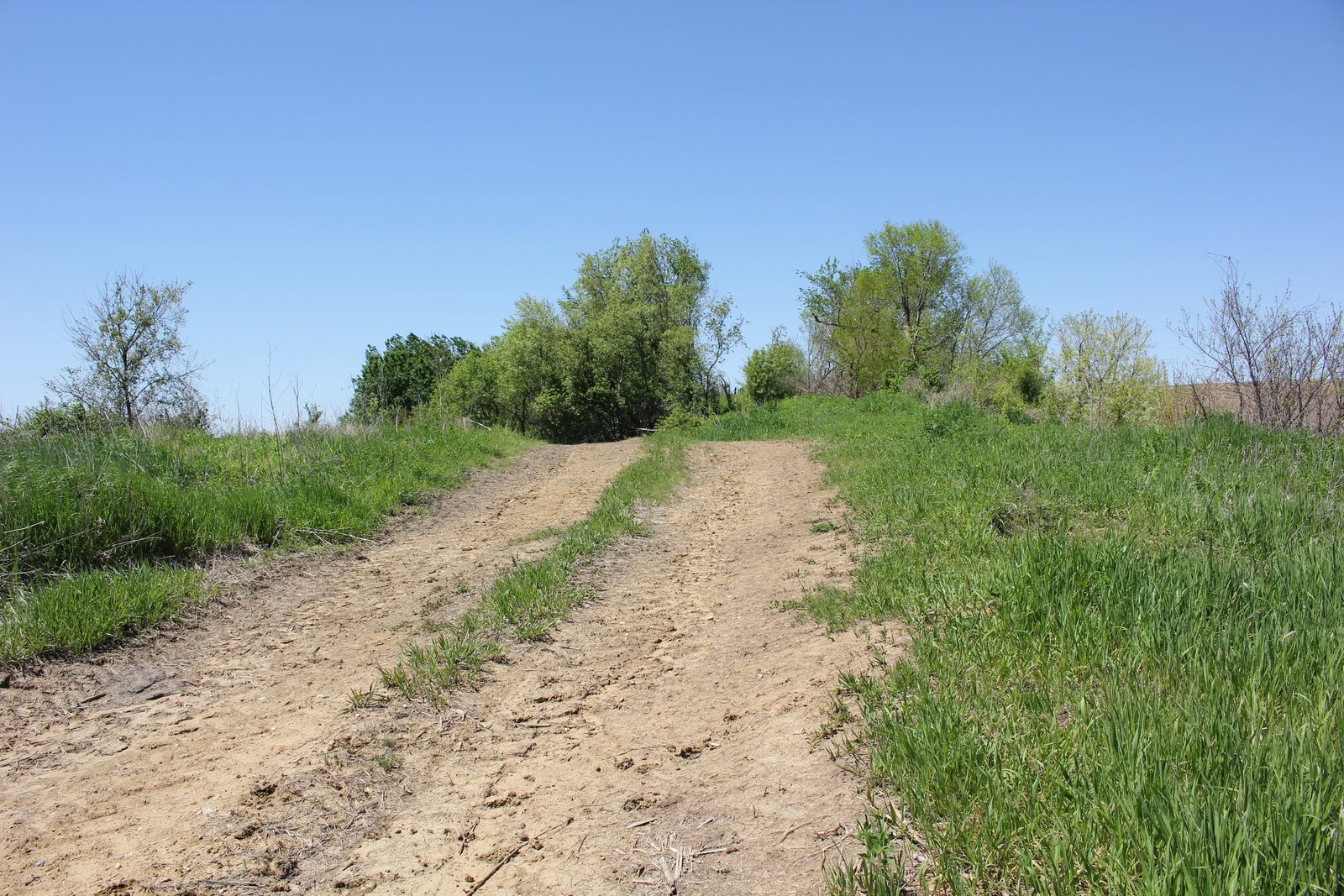
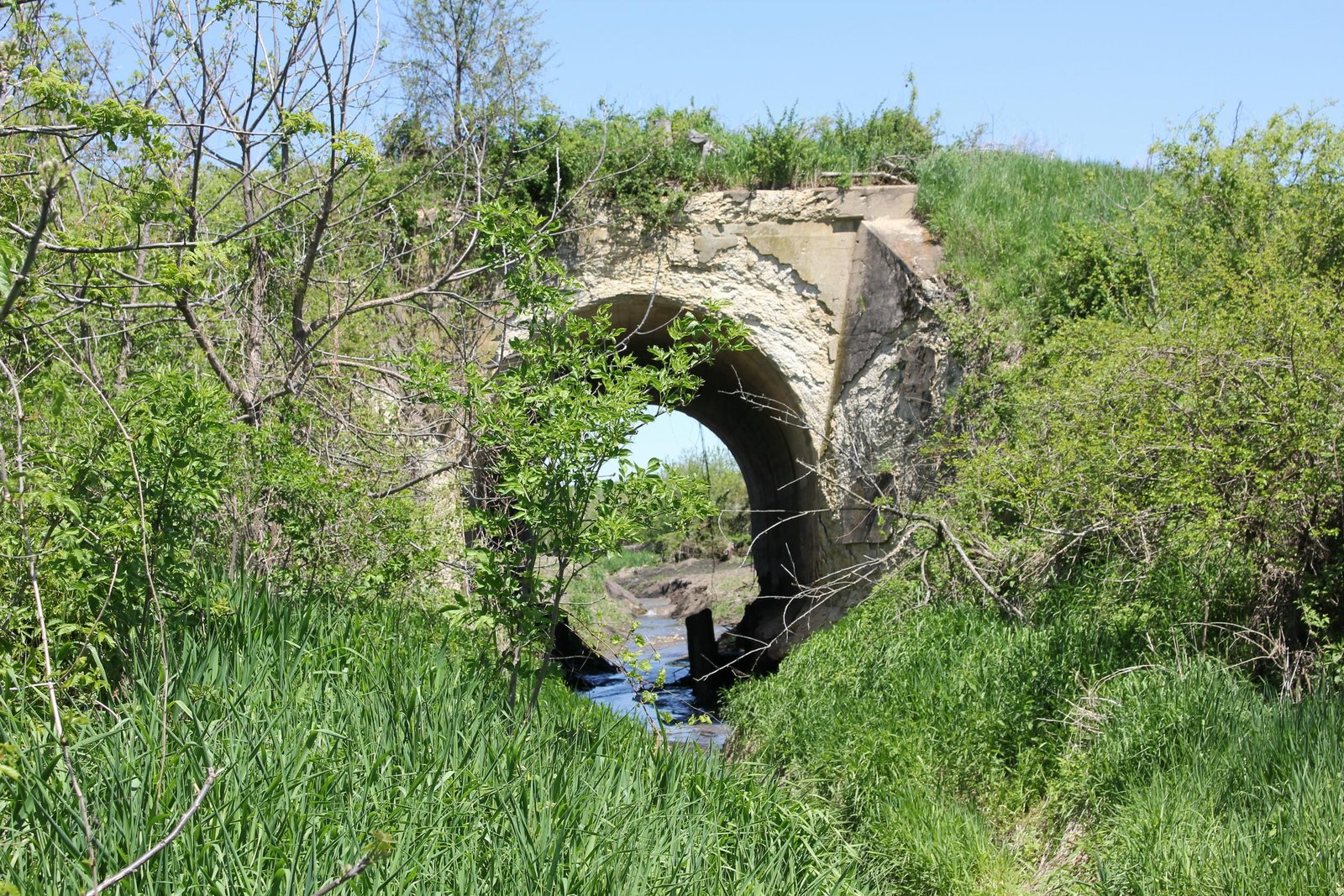
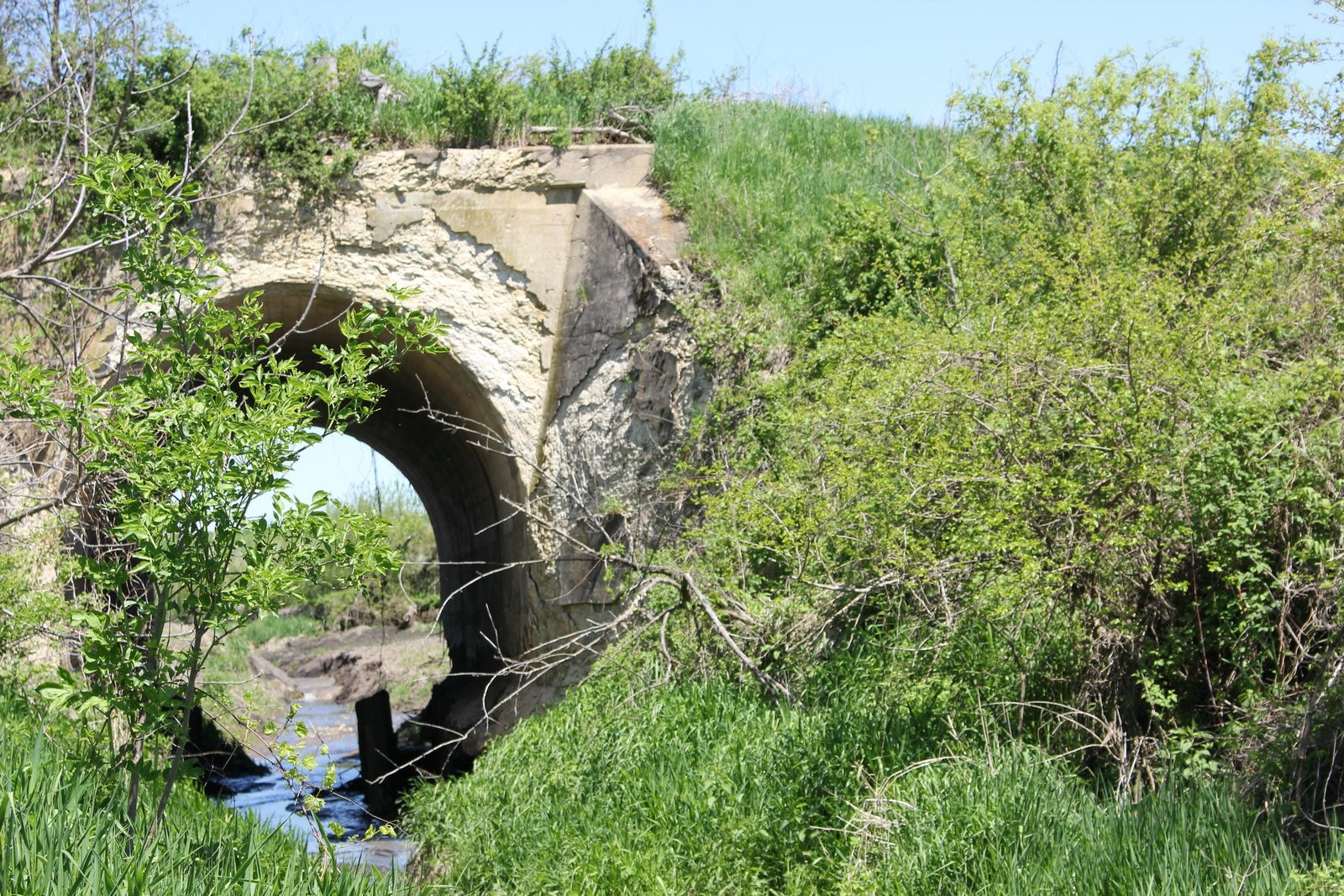
Click the photo to view the full-size version
| Name | C&NW Rock Creek Tributary Bridge Chicago & North Western Railway Bridge #1660 |
| Built By | Chicago & North Western Railway |
| Currently Owned By | Private Owner |
| Contractor | Unknown |
| Length | 16 Feet Total |
| Width | 1 Track (71 Feet) |
| Height Above Ground | 15 Feet (Estimated) |
| Superstructure Design | Concrete Arch |
| Substructure Design | Concrete |
| Date Built | 1916 |
| Traffic Count | 0 Trains/Day (Bridge is Abandoned) |
| Current Status | Abandoned, Used As a Field Access |
| Chicago & North Western Railway Bridge Number | 1660 |
| Significance | Local Significance |
| Documentation Date | 5/12/2017 |
In 1884, the Ottumwa, Cedar Falls & St. Paul Railway (OCF&StP) constructed 62 miles of new railroad, extending from an existing Chicago & North Western Railway (C&NW) mainline at Belle Plaine, Iowa to Muchakinock, Iowa (located south of Oskaloosa, Iowa). The OCF&StP was sold to the C&NW upon completion of the line in October 1884. Between 1899 and 1900, the Iowa, Minnesota and Northwestern Railway (IM&NW) constructed an additional 166 miles of railroad, extending from Mason City, Iowa to Belle Plaine. At Mason City, this line was extended north to connect to an additional C&NW mainline at Sanborn, Minnesota. The IM&NW became part of the C&NW upon completion of the line in June 1900. In 1901, the Southern Iowa Railway (SIR) constructed 22 additional miles of main track, connecting the existing line at Stark, Iowa to Buxton, Iowa. In addition, the SIR constructed several short spurs to serve various coal mines in the area. The SIR was purchased by the C&NW upon completion of the lines in June 1901. Between 1913 and 1914, the Iowa Southern Railway (ISR) constructed an additional 12 miles of main track and associated spurs between Miami, Iowa and Consol, Iowa. The ISR was leased by the C&NW in 1914, and formally purchased by the C&NW in 1920.
By the early 20th Century, the C&NW had grown into a large midwestern railroad, operating a sprawling railroad network which radiated north and west from Chicago. The line between Mason City and Belle Plaine served as a connecting line, linking C&NW mainlines and branch lines in Minnesota and Iowa. The C&NW used the lines south of Belle Plaine to reach the rich coal fields of south central Iowa. Dozens of spurs were constructed to reach various mines, which were mainly operated by the Consolidated Coal Company. By the early 1930s, coal mining in the region began to diminish due to exhaustion of resources, outsourcing and C&NW access to higher quality coal fields in southern Illinois. In 1935, the line and all associated branches south of What Cheer, Iowa were abandoned, and the small mining communities virtually vanished. Another segment of the line between Belle Plaine and What Cheer was abandoned in 1958. In 1970, a segment between Clutier, Iowa and Belle Plaine was abandoned, followed by segment between Kesley, Iowa and Dike, Iowa in 1975. The segment between Buckingham, Iowa and Clutier was abandoned in 1976. Further abandonments came in 1982, when the segment between Mason City and Kesley was removed, followed by the segment between Hicks, Iowa and Buckingham in 1983 and between Hicks and Dike in 1988. Today, very little remains of this line, and much of the right-of-way has been plowed under for farm fields.
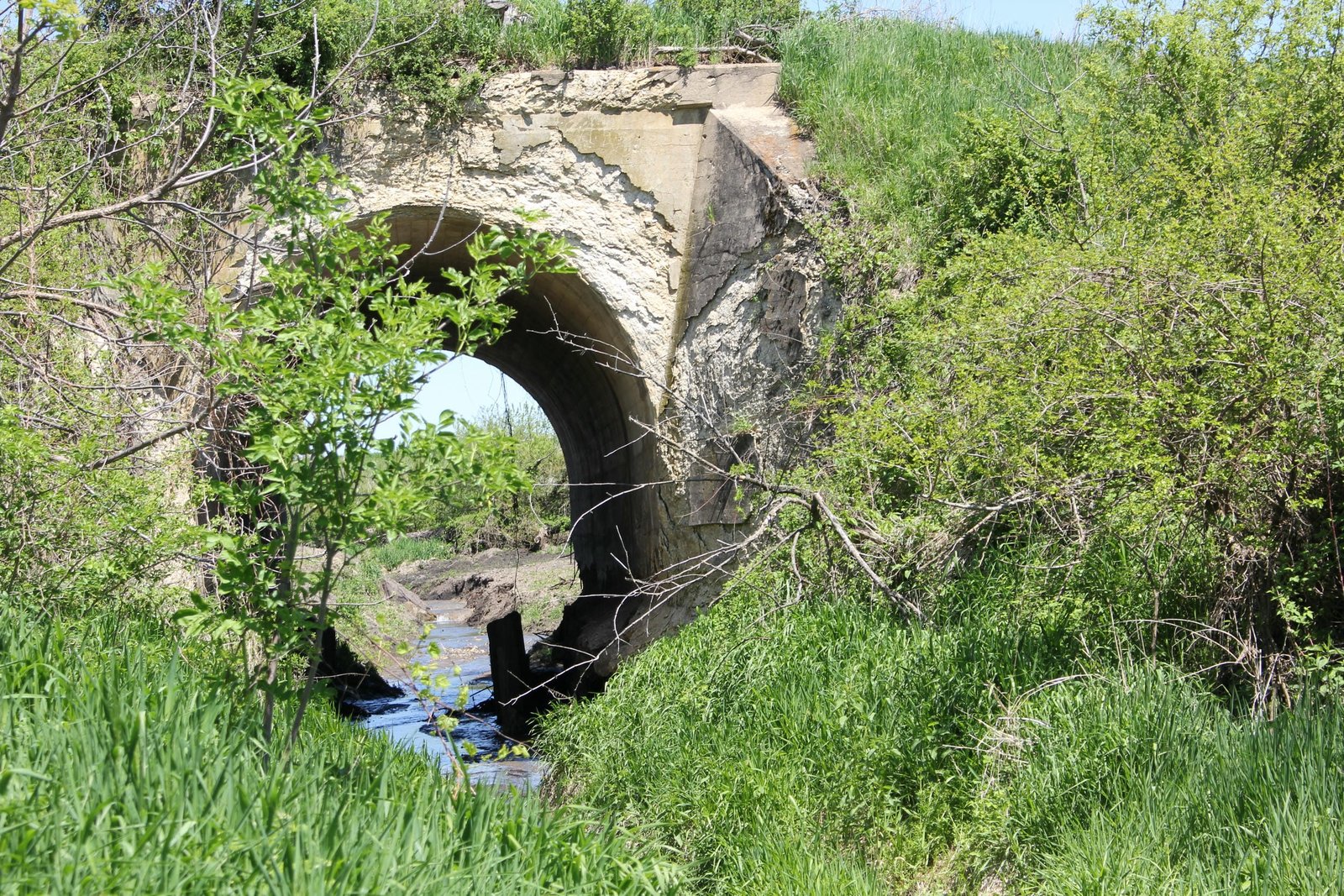
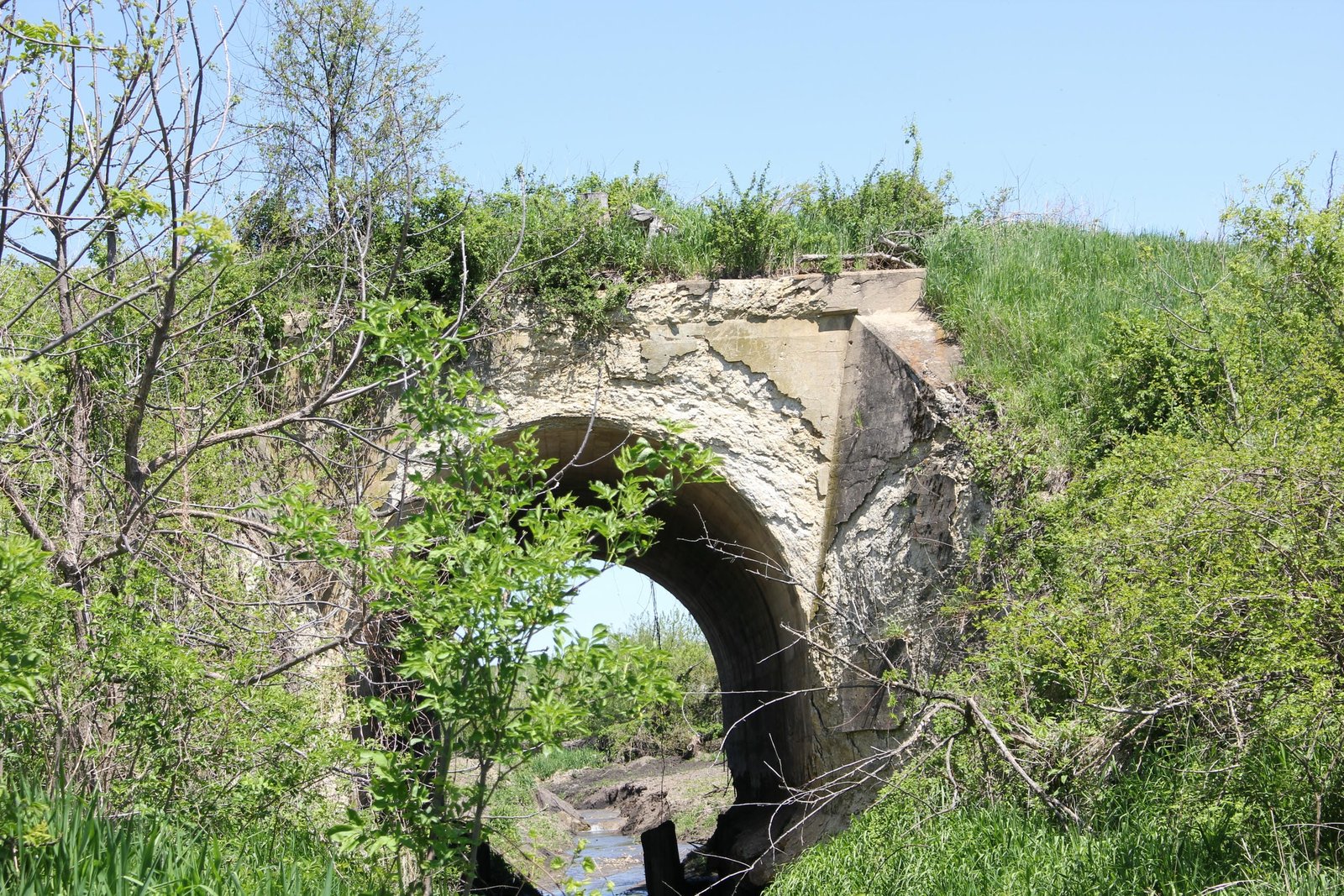
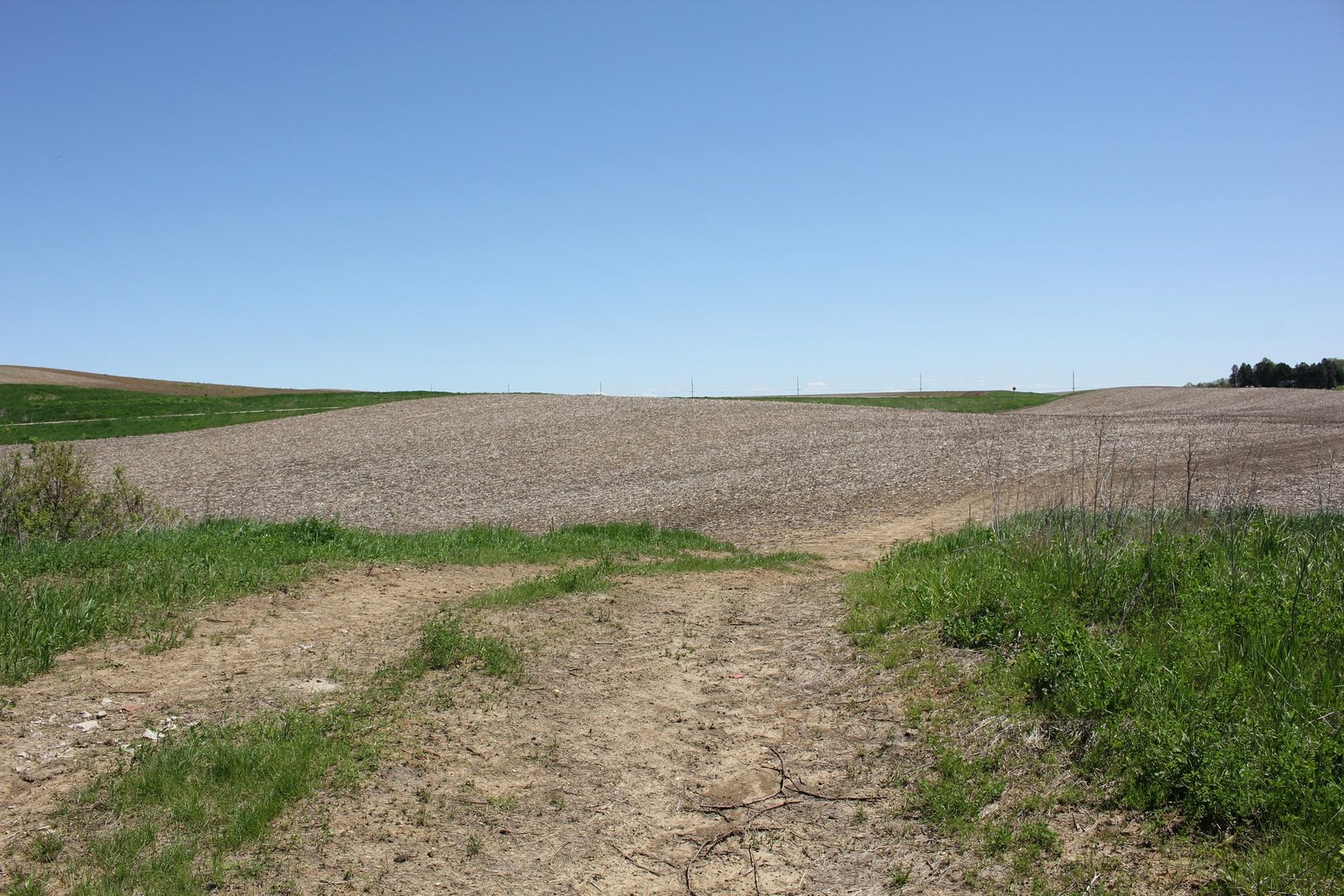
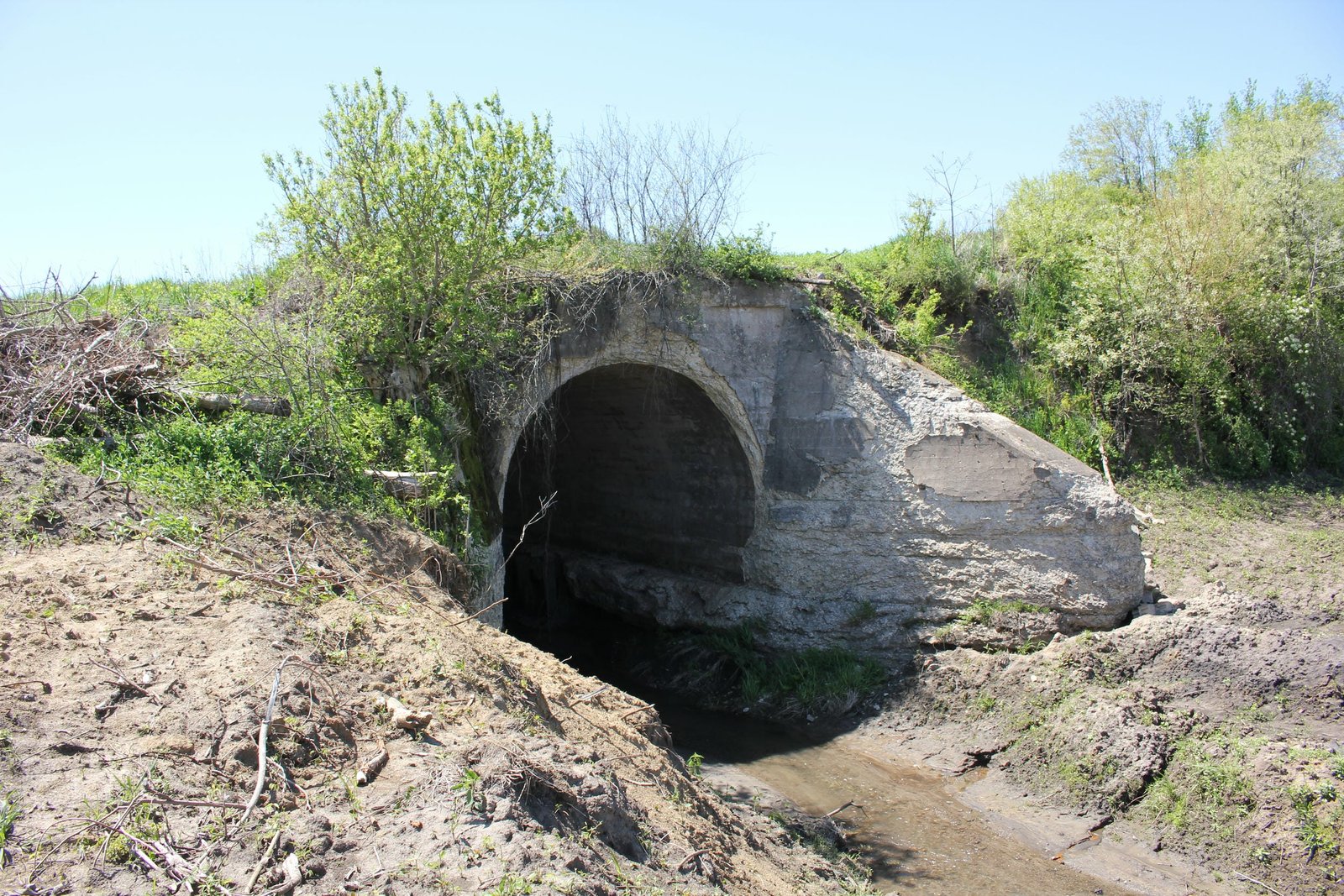
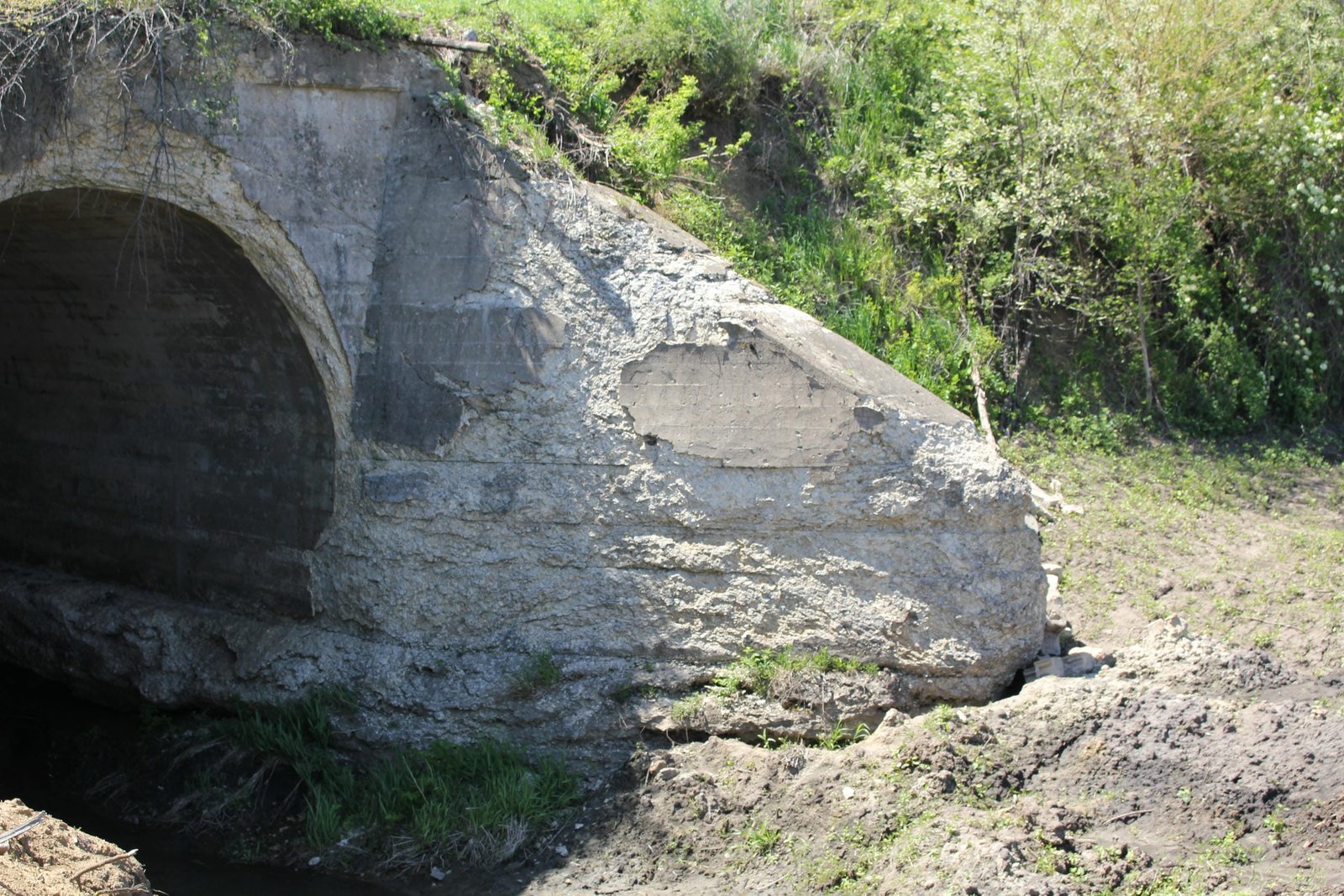
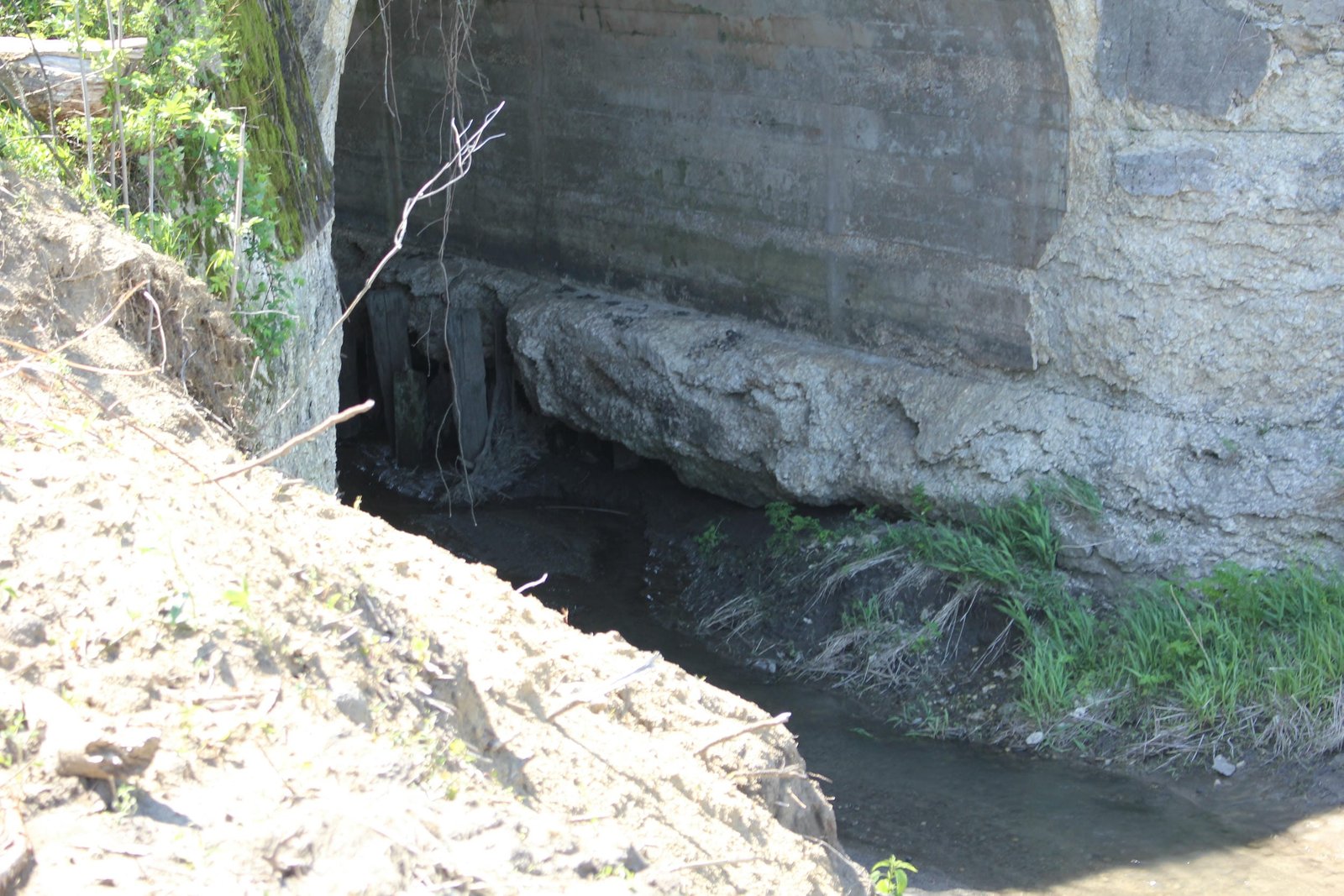
Located northwest of Victor between Hartwick and Carnforth, this concrete arch bridge carries a former Chicago & North Western Railway branch line over an unnamed tributary of Rock Creek. The first bridge at this location was likely a timber pile trestle bridge, constructed when the line was first built. Between 1900 and 1920, the C&NW completed several small improvement projects along this line, replacing aging timber bridges with stone, concrete and steel structures. During the 1916 construction season, the present bridge was constructed. Currently, the bridge consists of a 16-foot concrete arch span, set onto concrete substructures and constructed for a single track at a width of 71 feet. The superstructure follows a standard design, with a semicircular arch and short headwalls. The substructure also follows a standard design, with sloped wing walls which extend nearly perpendicular to the structure. An unknown contractor constructed the bridge, likely as part of a larger contract awarded by the C&NW. Concrete arches were popular for railroad use, as they were durable and easy to construct. The bridge was abandoned in 1958, and quickly reverted to adjacent landowners. Since the initial construction, the bridge has seen no significant alterations or repairs. Today, it is still in use, mainly to connect two farm fields. Overall, the bridge appears to be in fair to poor condition, with significant spalling and scouring noted throughout the structure. The author has ranked this bridge as being locally significant, due to the common design.
Citations
| Build date | Chicago & North Western Railway Valuation Notes at the Chicago & North Western Historical Society Archives |
| Railroad History Citation | ICC Valuation Information, Compiled by Richard S. Steele |