
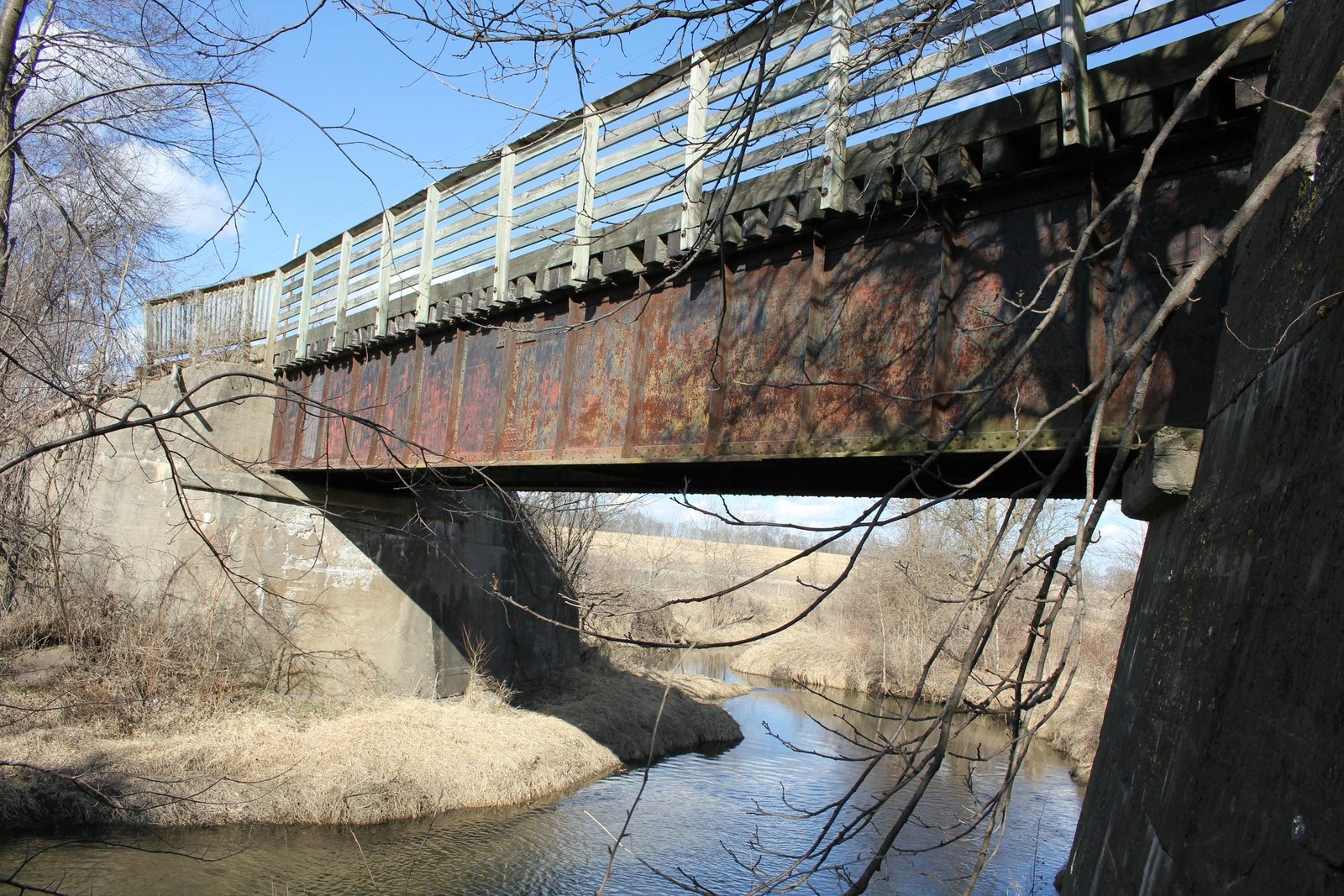
Click the photo to view the full-size version
| Name | Cedar Valley Nature Trail - East Otter Creek Bridge |
| Built By | Waterloo, Cedar Falls & Northern Railway |
| Currently Owned By | Linn County Conservation |
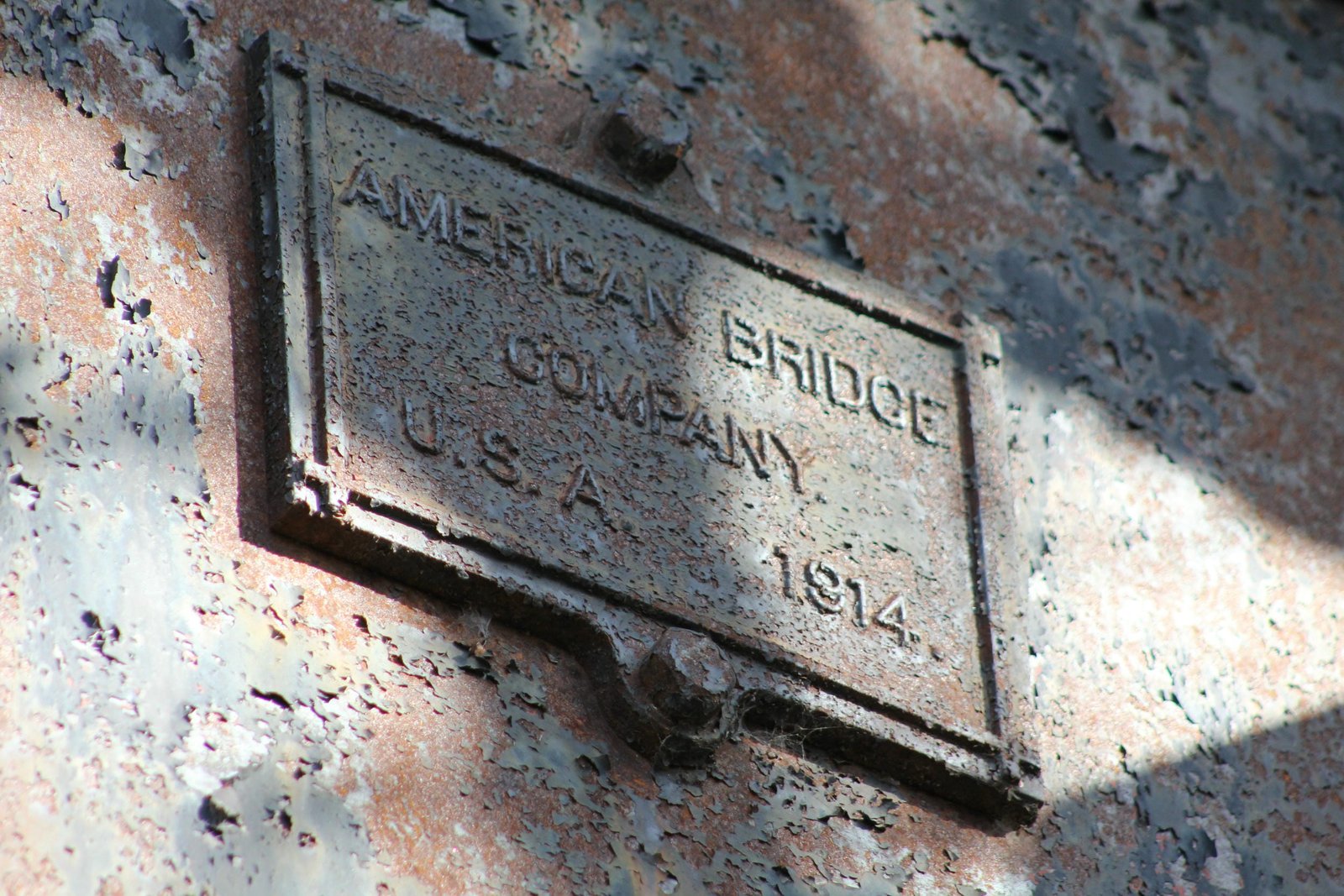
| Superstructure Contractor | American Bridge Company of New York |
| Substructure Contractor | Gould Construction Company of Davenport, Iowa |
| Length | 55 Feet Total |
| Width | 1 Track |
| Height Above Ground | 15 Feet (Estimated) |
| Superstructure Design | Deck Plate Girder |
| Substructure Design | Concrete |
| Date Built | 1914 |
| Traffic Count | 0 Trains/Day (Bridge is Open to Pedestrian Traffic) |
| Current Status | Open to Pedestrian Traffic |
| Significance | Local Significance |
| Documentation Date | 2/26/2017 |
In the late 19th Century, electric interurban railways became popular throughout the United States, particularly in suburban and rural areas. In rural areas, the interurban represented a reliable form of transportation, independent of the steam railroads. In 1895, the Waterloo and Cedar Falls Rapid Transit (WCFRT) was organized to construct an 8-mile electrified railroad, extending from Waterloo, Iowa to Cedar Falls, Iowa. A short spur would also be constructed to the northwest side of Waterloo opposite of Sans Souci Island. The line was completed in 1898, and soon the company took over the streetcar line in Waterloo. Between 1901 and 1903, a new line was built to Denver, Iowa; and a short spur constructed to connect to the Chicago Great Western Railway (CGW). The company was renamed as the Waterloo, Cedar Falls & Northern Railway (WCF&N) in 1904. From the beginning, the railroad built to steam railroad standards to optimize potential interchange with larger railroads. In 1910, a short extension was completed between Denver and Waverly, Iowa. In 1912, a new line was constructed south from Waterloo, Iowa to La Porte City, Iowa. The following year, the line was extended further to Urbana, Iowa; and by the end of 1914 the line reached Cedar Rapids, Iowa. The railroad electrified the entire system, and was well regarded for providing both passenger and freight service. A bypass of Waterloo and Cedar Falls allowed the railroad to interchange with several Class-I railroads.
By the mid-20th Century, transportation in America was changing and the automobile took most passenger traffic from the interurbans. Streetcar service in Waterloo was replaced by busses in 1939, followed by Cedar Falls in 1941. The WCF&N fell into receivership and was reorganized in 1944. By the 1950s, much of the passenger traffic had evaporated, but the railroad was still significant for serving freight traffic. In 1956, the Illinois Central Railroad (IC) and the Chicago, Rock Island & Pacific Railroad (Rock Island) jointly purchased the WCF&N and renamed it the Waterloo Railroad (WR). Passenger service to Waverly had ended in 1955, passenger service to Cedar Rapids ended in 1956 and remaining passenger operations were shut down in 1958. A large portion of the northwest Waterloo spur was abandoned inn 1958 and the line to Waverly was abandoned in 1959.
In 1968, the Rock Island sold their share of the WR to the IC. In 1972, the IC merged with Gulf, Mobile & Ohio Railroad to form Illinois Central Gulf Railroad (ICG). The segment between Gilbertville, Iowa and Cedar Rapids was abandoned in 1977, followed by the segment between Evansdale, Iowa and Gilbertville in 1981. The remaining portions in Waterloo and Cedar Falls was sold to the Chicago Central & Pacific Railroad (CC) in 1985. In 1996, the railroad was repurchased by IC, which was purchased by Canadian National Railway (CN) in 1998. Today, CN operates a short segment of track around Waterloo and Cedar Falls. The line between Evansdale and Cedar Rapids has been reused as the Cedar Valley Nature Trail, while the Waverly line has been completely abandoned.
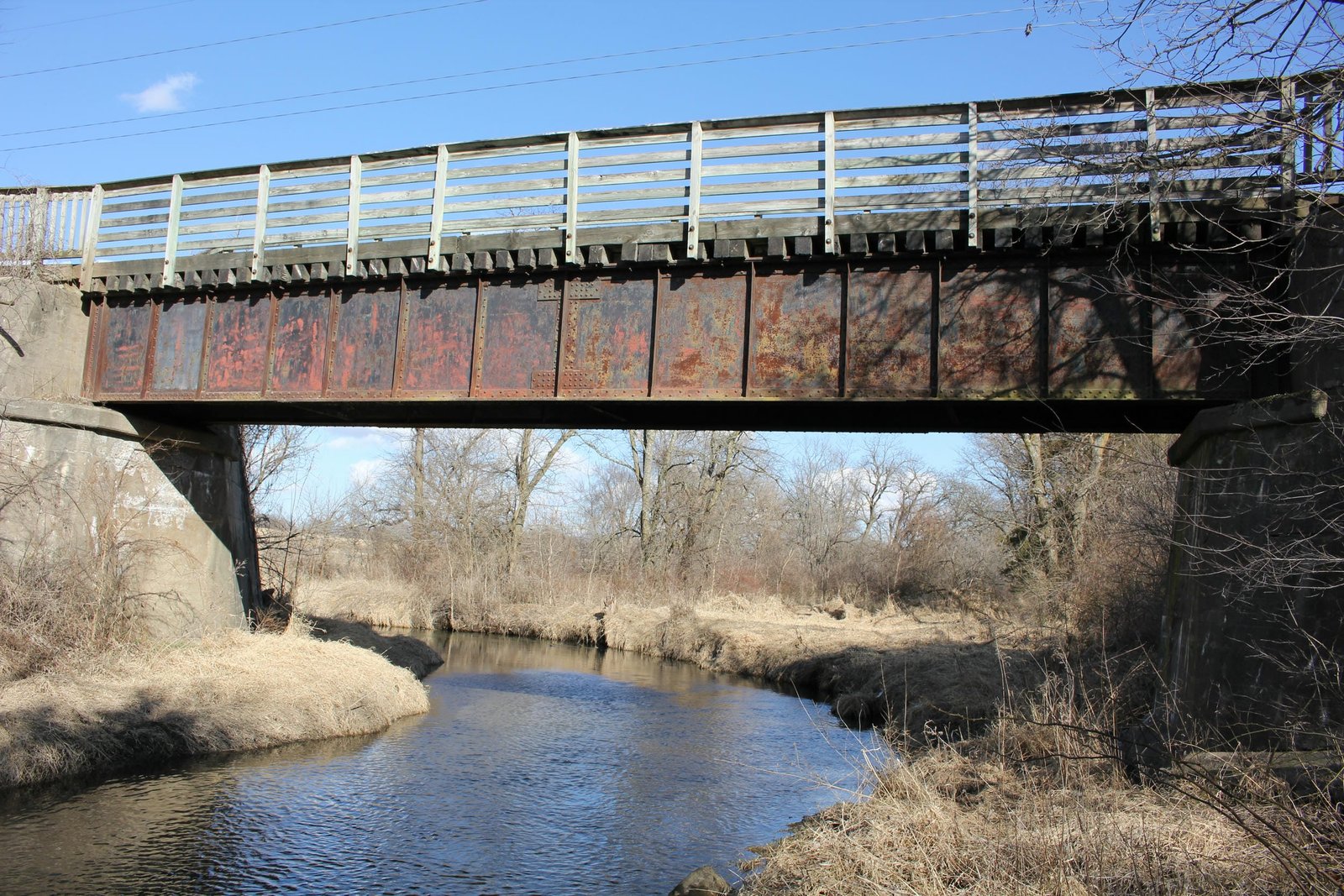
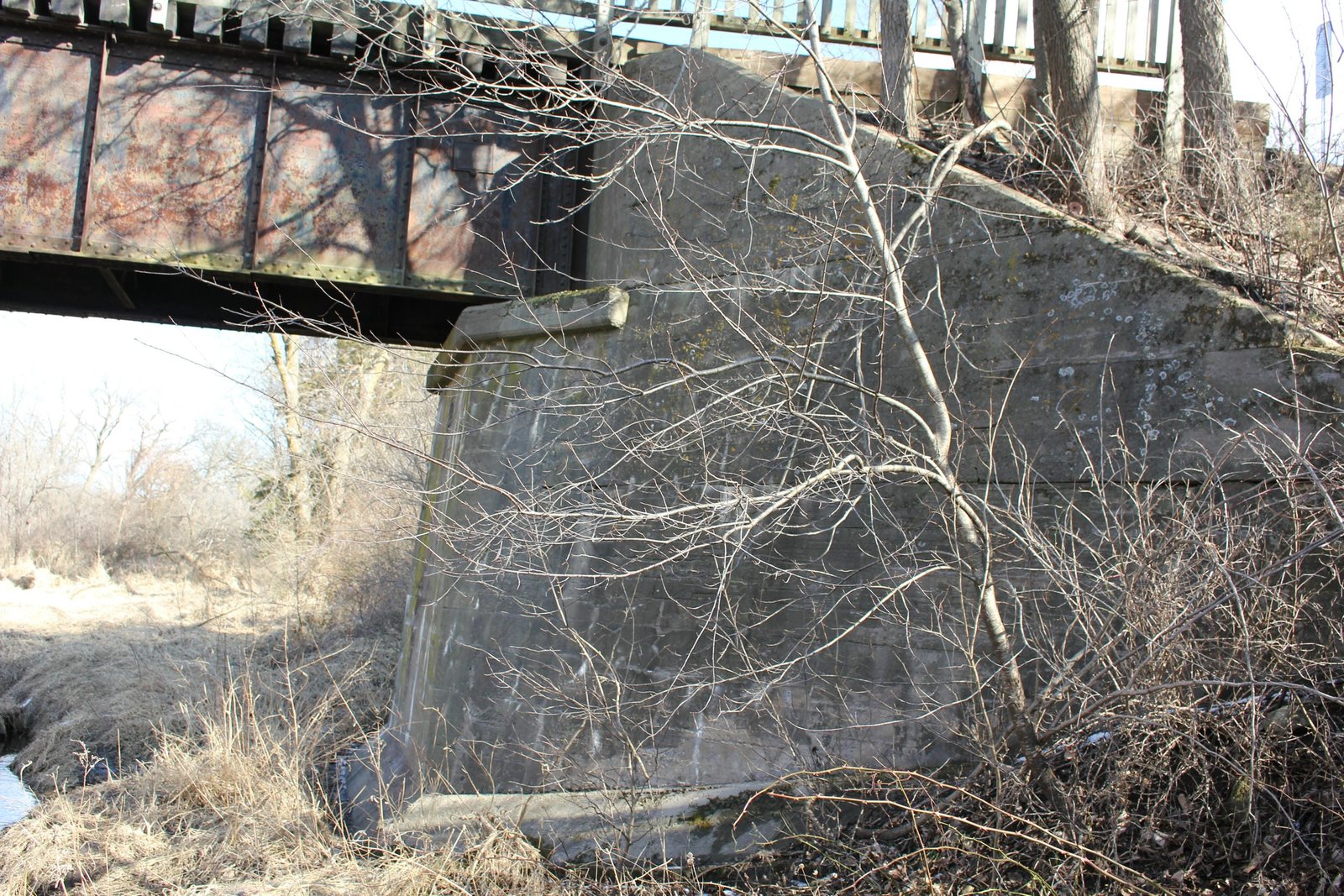
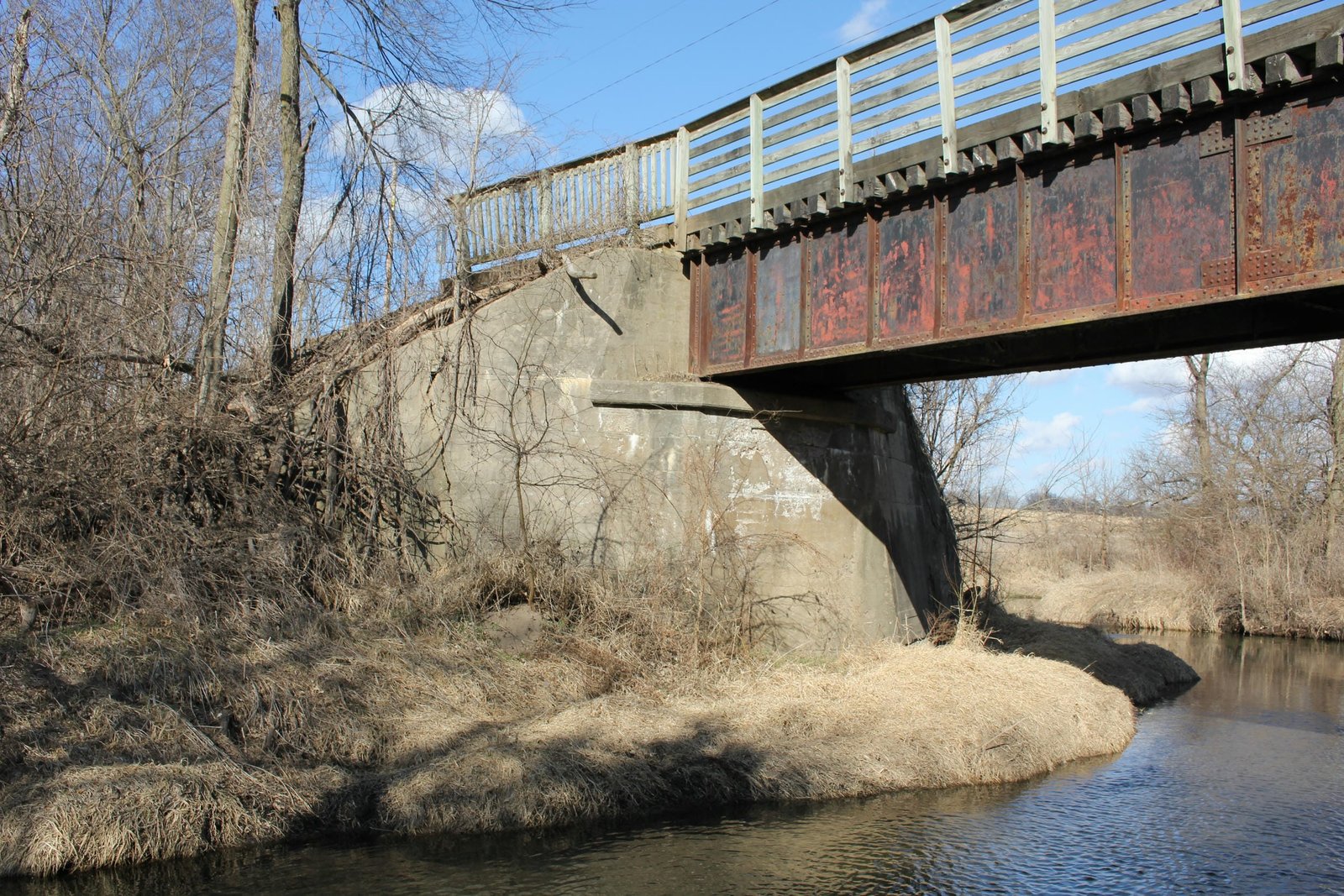
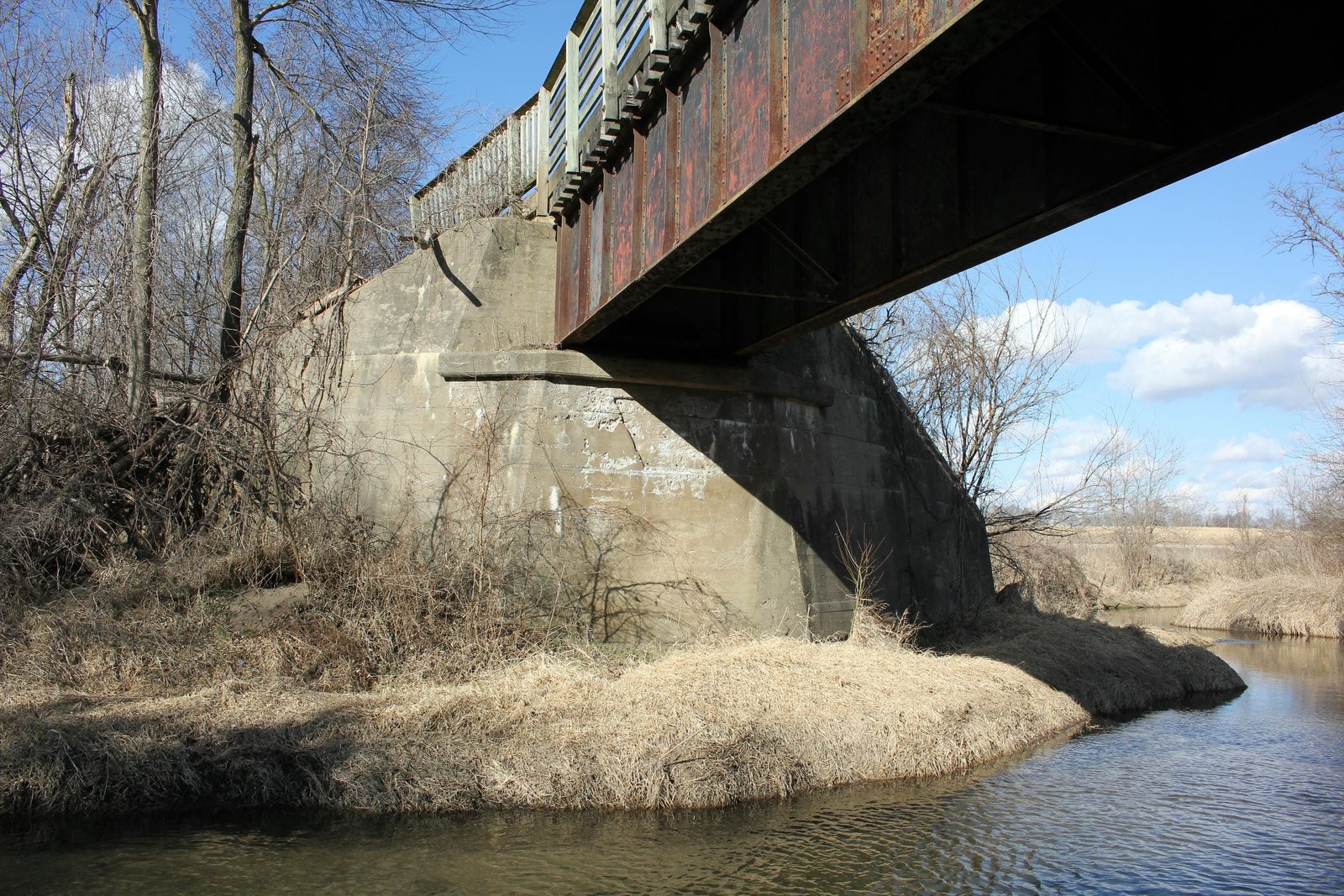
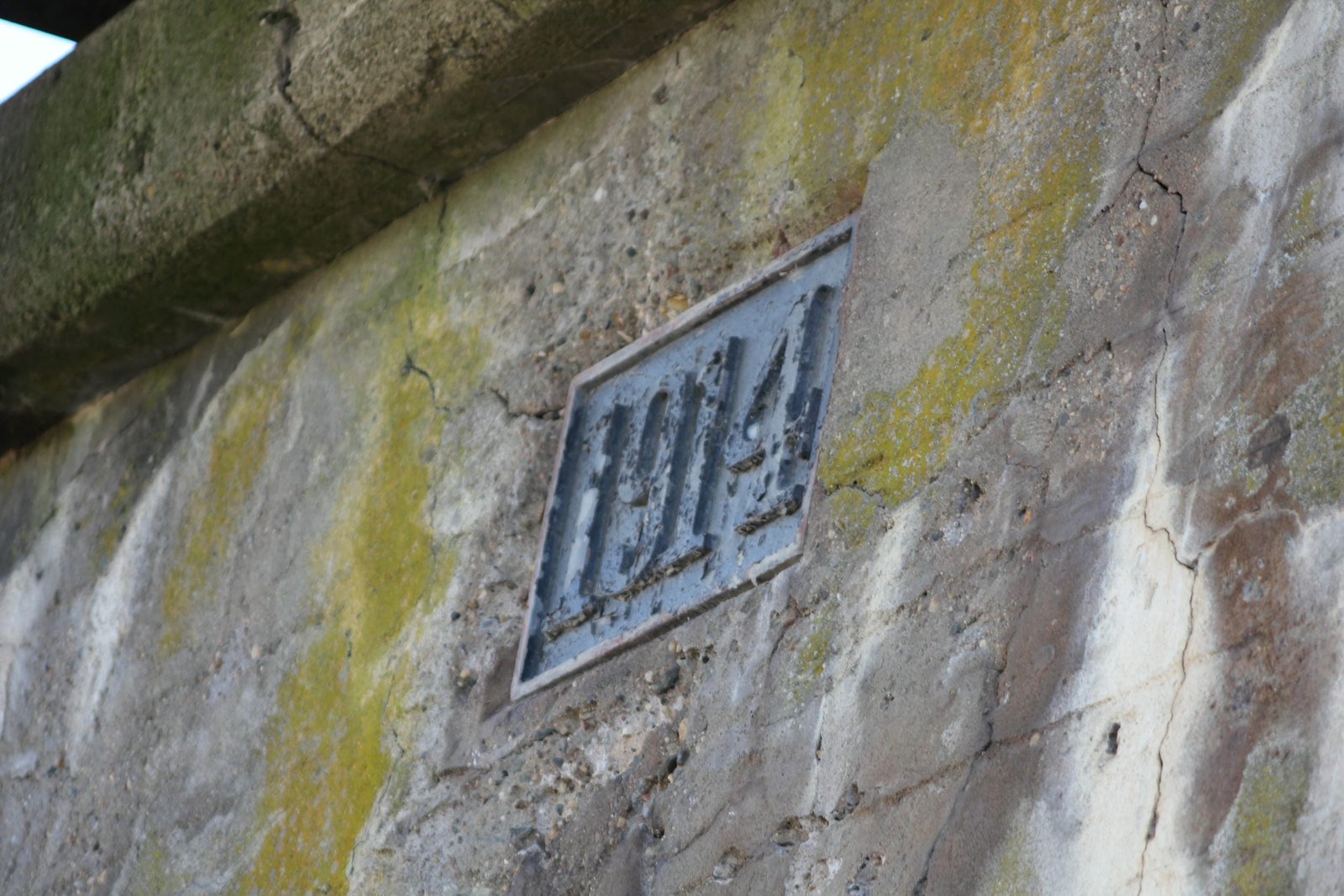
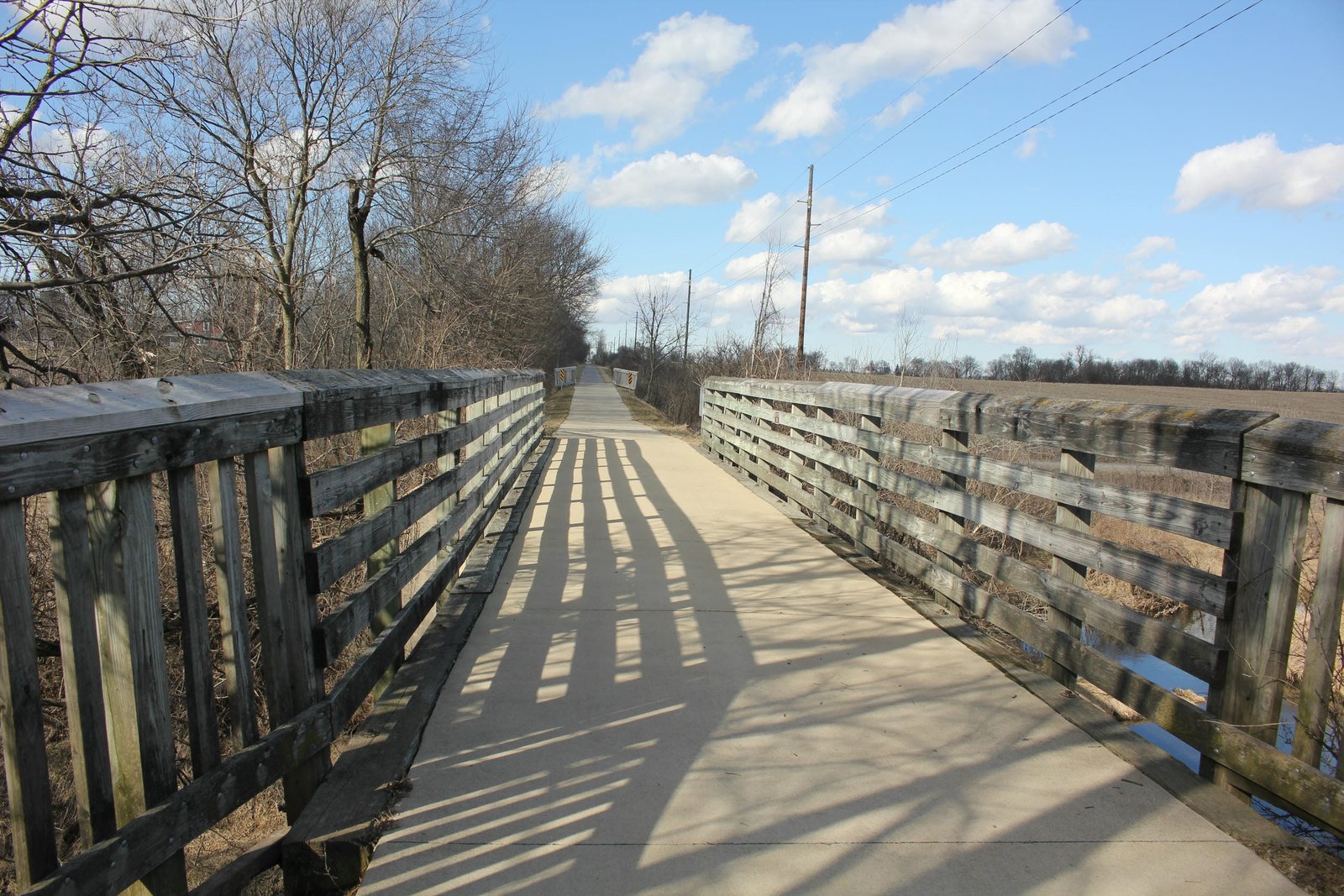
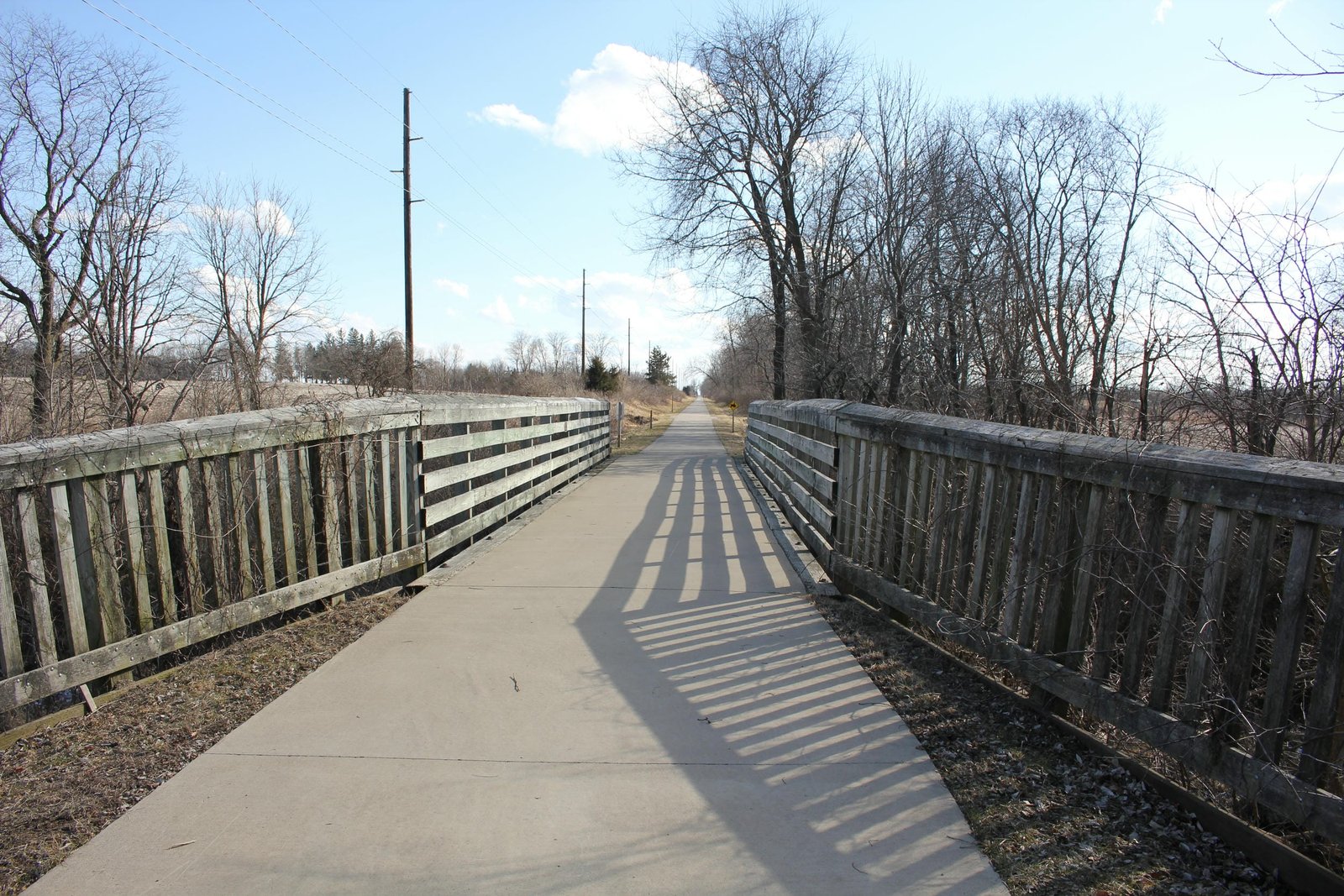
Located southeast of Center Point, this deck plate girder bridge carries the former Waterloo, Cedar Falls & Northern Railway mainline over East Otter Creek near the Fishel Road. In late 1913, contracts were awarded to complete the WCF&N line between Center Point and Cedar Rapids. Construction continued through the winter and spring of 1914, and the route was opened in September 1914. As part of the work, a steel girder bridge was constructed across East Otter Creek. Currently, the bridge consists of a 55-foot deck plate girder span, set onto concrete abutments. The superstructure follows a standard design, with two heavy plate girders and an open deck. The substructures also follows a standard design, with sloped wing walls. It is unclear why a girder bridge was used at this location, when other nearby bridges used concrete arches. American Bridge Company fabricated the superstructure, while the substructure was constructed by the Gould Construction Company. Gould Construction Company was heavily involved with constructing the concrete bridges along the WCF&N between 1912 and 1914. Deck plate girder spans were popular for railroad use, as they were durable and easy to construct. Since the initial construction, the bridge had seen no significant alterations. A concrete deck and wooden railings were added to the bridge in the 1980s, and the bridge has since been reused as part of the Cedar Valley Nature Trail. Overall, the bridge appears to be in fair to good condition, with some cracking and spalling throughout the abutments. The author has ranked this bridge as being locally significant, due to the common design.
Citations
| Build date and builder (superstructure) | American Bridge Company plaque |
| Builder (substructure) | The Cedar Rapids Evening Gazette; August 7, 1914 |
| Railroad History Citation | ICC Valuation Information, Compiled by Richard S. Steele |